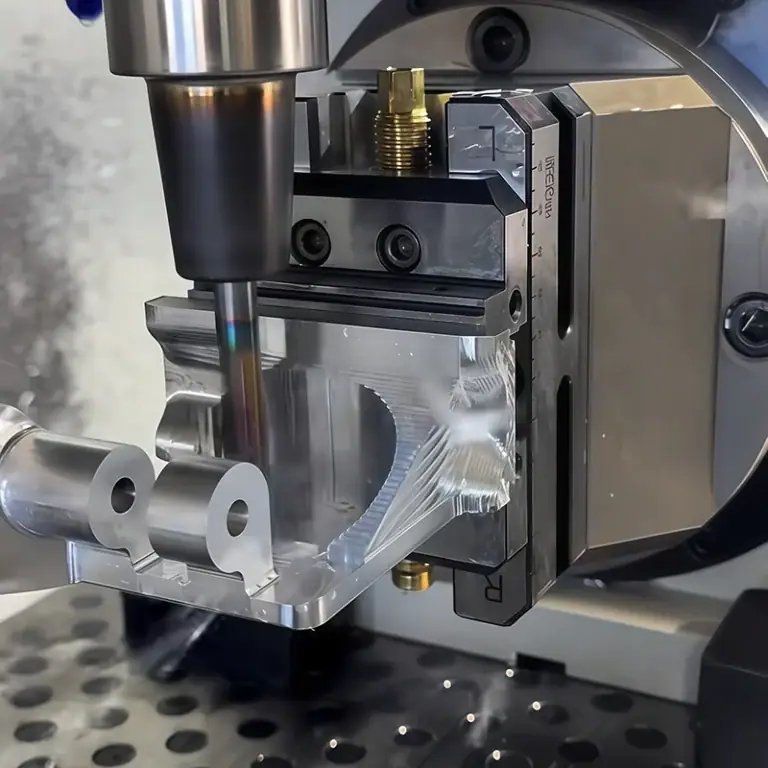
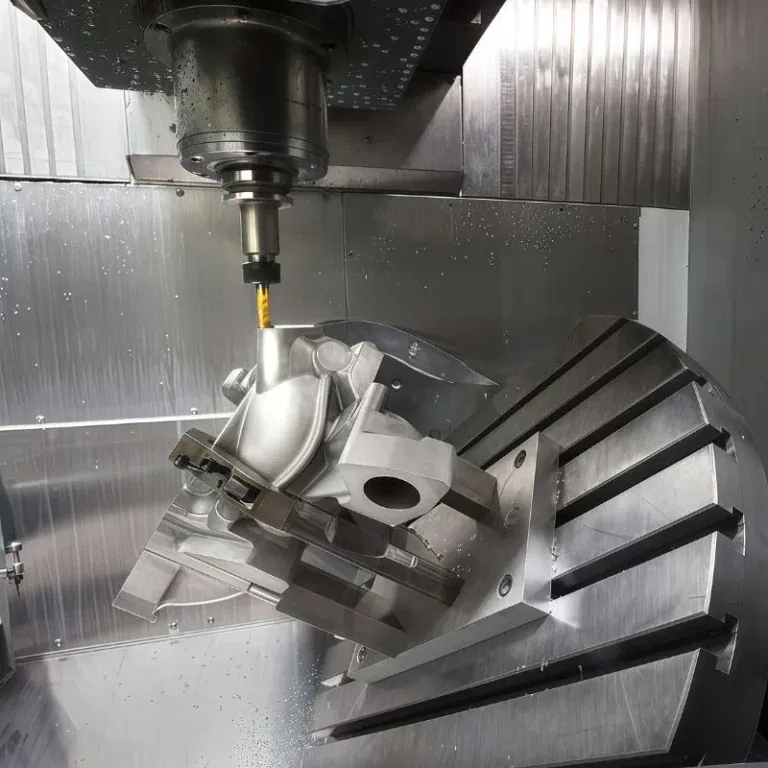
In modern high-end manufacturing, five-axis precision machining has gradually evolved from an “advanced option” into a core solution for complex part production. Compared with traditional three-axis or four-axis machining, it uses coordinated motion across five axes, allowing the cutting tool to freely adjust its orientation in space. This enables the machining of highly complex geometries with greater accuracy and flexibility. As industries such as aerospace, medical devices, energy equipment, and high-end tooling continue to demand more complex structures and higher precision, the advantages of five-axis machining are becoming increasingly prominent, reshaping both efficiency and precision boundaries in modern manufacturing.
Breaking Structural Limitations for One-Step Forming of Complex Parts
The core value of five-axis machining lies in making “complex structures manufacturable.”
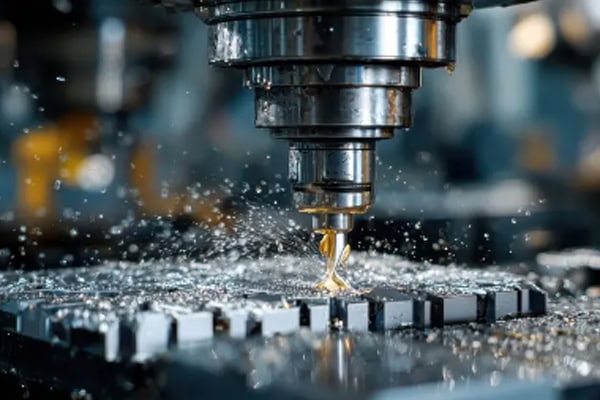
Strong multi-angle machining capability
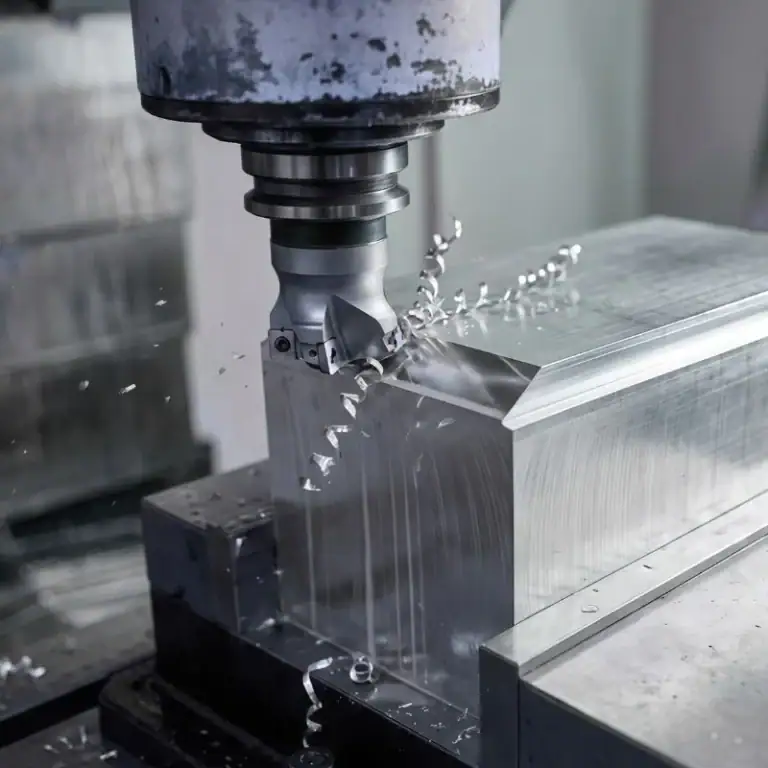
Five-axis machines allow continuous adjustment of tool orientation during machining.
- The tool can move simultaneously along multiple axes for spatial angle cutting
- Enables machining of deep cavities and inclined holes that are impossible for three-axis machines
- Supports continuous machining of complex surfaces without segmentation
- Expands design freedom beyond traditional manufacturing limitations
Complex geometries become much easier to realize in five-axis environments.
One-time setup for multi-face machining
Reducing setups is key to improving accuracy.
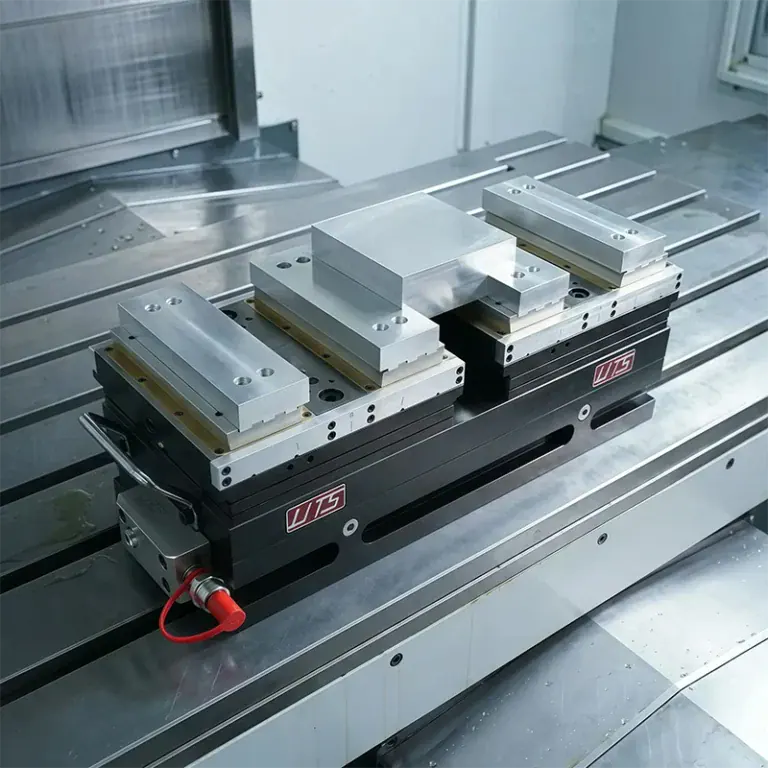
- A single clamping setup can complete machining on multiple faces
- Eliminates positional deviation caused by repeated repositioning
- Reduces human operation errors
- Improves overall dimensional consistency and assembly accuracy
Fewer setups directly lead to higher precision.
Smoother machining of complex surfaces
Five-axis machining shows clear advantages in surface finishing.
- The tool maintains an optimal contact angle throughout machining
- Surface transitions are smoother and more continuous
- Eliminates tool marks caused by segmented machining
- Produces more uniform and stable surface quality
It is especially valuable for molds and appearance-critical parts.
Improved Machining Accuracy and Stability
Beyond complexity, five-axis machining significantly enhances precision stability.
Reduced error accumulation paths
Longer machining processes often lead to greater accumulated errors.
- Multi-process machining introduces more reference conversions
- Multiple setups increase positioning deviation risk
- Five-axis machining reduces intermediate process steps
- Shortens the machining chain and improves stability
- Prevents error amplification across multiple stages
Shorter processes mean more controllable accuracy.
Optimized cutting tool conditions
Tool orientation directly affects machining stability.
- Tool angles can be adjusted to maintain optimal cutting conditions
- Reduces lateral cutting forces and load
- Minimizes vibration and cutting impact
- Improves tool life stability
- Enhances overall machining smoothness
More stable cutting leads to higher precision.
Improved stability for thin-wall and complex structures
Five-axis machining is especially effective for deformable parts.
- Cutting forces can be distributed through angle adjustments
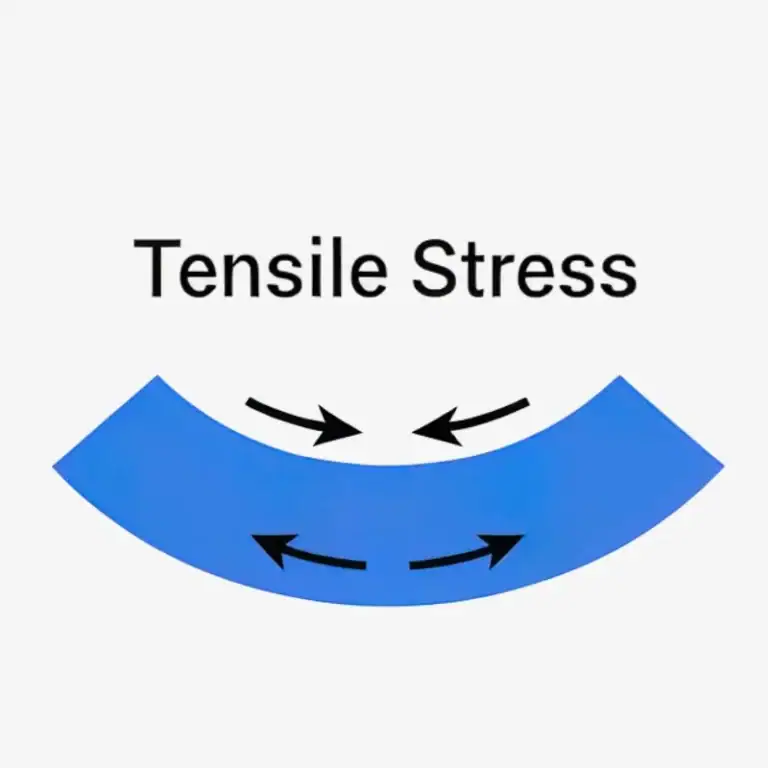
- Reduces localized stress concentration
- Better suited for thin-wall and cantilever structures
- Lowers scrap risk during machining
- Improves yield rate for complex components
The more complex the structure, the greater the advantage.
Higher Efficiency and Lower Overall Manufacturing Cost
Although five-axis machines require higher initial investment, they offer long-term efficiency benefits.
Reduced process steps and machining time
Efficiency gains come mainly from process integration.
- Multiple machining steps are combined into a single operation
- Reduces handling and transportation time
- Minimizes fixture changes and re-clamping time
- Improves overall production flow
- Shortens delivery cycles
Time savings translate directly into cost reduction.
Lower labor dependency and operational errors
Higher automation reduces human influence.
- Fewer repetitive clamping operations
- Lower risk of positioning errors caused by operators
- Reduced dependency on highly experienced workers
- Higher consistency in batch production
- Better suitability for standardized manufacturing
Less human intervention means more stable quality.
Improved material utilization efficiency
Five-axis machining is especially valuable for expensive materials.
- More accurate toolpaths reduce overcutting
- Optimized machining paths reduce material waste
- Higher utilization rate for titanium and other costly materials
- Lower risk of material loss
- Reduced rework and hidden costs
The higher the material cost, the greater the optimization value.
The core value of five-axis precision machining is not only its ability to produce complex parts, but also its combined improvement in accuracy stability, production efficiency, and overall manufacturing cost control. In modern high-end manufacturing systems, it has become a fundamental technology for complex part production. In industries such as aerospace, medical devices, and high-precision industrial components, five-axis machining continues to expand its applications. In high-end manufacturing services, platforms like Tirapid, which specialize in complex and high-precision machining, provide more accurate, efficient, and stable manufacturing solutions through mature five-axis capabilities and robust process systems.