In modern manufacturing, one of the most common questions is: “How precise can precision machining actually be?” With the development of CNC technology, five-axis machining, and advanced inspection systems, machining accuracy has evolved from the millimeter level into the micrometer range, and in some ultra-precision fields, even approaching nanometer-level control. However, precision is not a fixed number. It is the result of a combination of machine capability, process control, material behavior, and environmental conditions. Different industries and applications also require very different levels of accuracy.
Accuracy Ranges of Different Machining Methods
Different machining processes inherently define different precision limits.
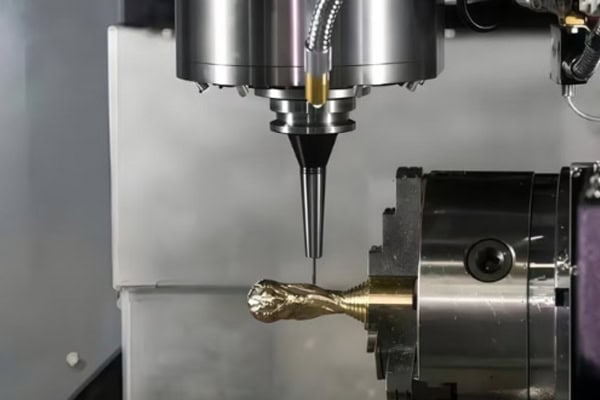
Conventional CNC machining accuracy range
Standard CNC machining is the most widely used industrial method.
- Typical machining accuracy is around ±0.05 mm
- Under stable machine conditions, it can reach ±0.02 mm
- Suitable for general mechanical parts with moderate tolerance requirements
- Small fluctuations may still occur in mass production
This level is mainly used for general structural components.
High-precision CNC machining
When entering the high-precision stage, control requirements increase significantly.
- Standard high-precision machining can achieve ±0.01 mm
- With optimized processes, it can reach ±0.005 mm stability
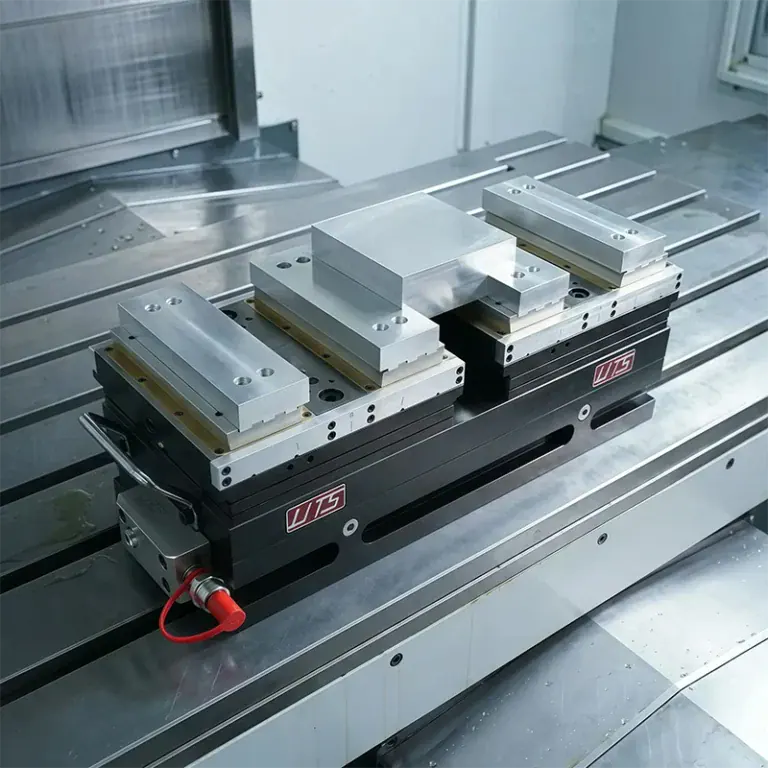
- Requires stricter control of fixtures, tools, and process paths
- Must be supported by stable environments and high-end inspection systems
This level is widely used in medical, automotive, and aerospace components.
Ultra-precision machining capability
In extremely high-end applications, accuracy can be pushed even further.
- Micro-machining can reach ±0.001 mm (micron level)
- Optical and semiconductor components may reach nanometer-level surface control
- Requires ultra-precision machines and constant-temperature environments
- Extremely sensitive to material stability
This level is typically used in research and advanced optical systems.
Key Factors Affecting Machining Accuracy
Even with the same equipment, final accuracy can vary greatly.
Machine tool accuracy and structural stability
The machine tool defines the upper limit of precision.
- Guideway accuracy affects positioning capability
- Spindle runout influences cutting stability
- Insufficient rigidity amplifies vibration errors
- Long-term operation causes thermal deformation
- Different machine brands show different stability levels
The more stable the machine, the more controllable the errors.
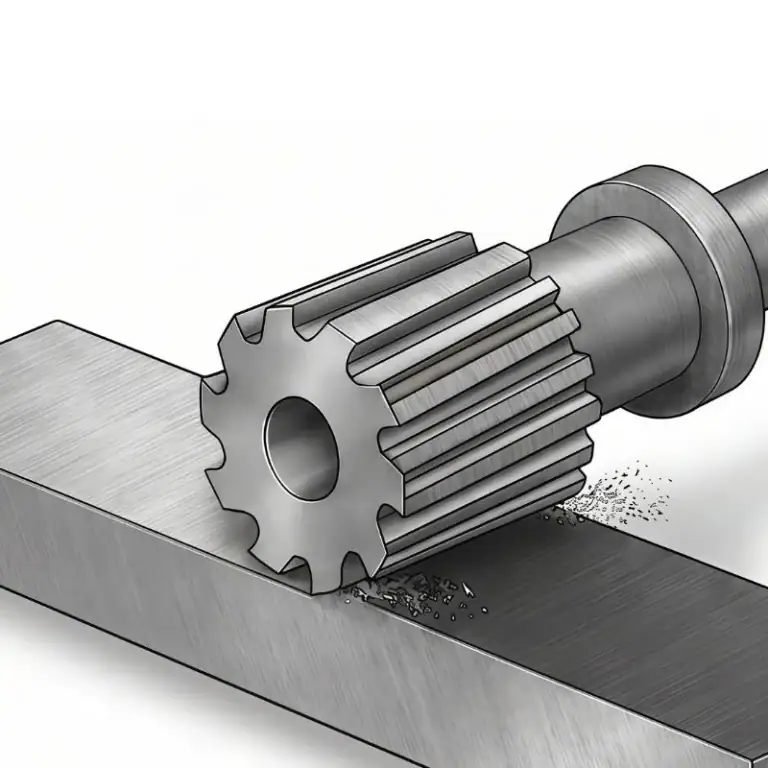
Process design and toolpath control
Machining strategy directly affects final accuracy.
- Poor toolpaths create cumulative errors
- Roughing and finishing strategy affects deformation release
- Multiple setups increase positioning deviations
- Tool compensation settings influence final dimensions
- Incorrect machining sequence may make corrections impossible
Process design determines how errors are generated.
Material properties and their influence
Material behavior strongly affects machining stability.
- Aluminum alloys are relatively stable and easier to control
- Stainless steel tends to accumulate heat during machining
- Titanium alloys are highly sensitive to stress changes
- Engineering plastics are easily affected by temperature variations
- Materials with high residual stress may deform after machining
The more stable the material, the easier it is to achieve precision.
Environment and Inspection Determine Final Precision Limits
True high precision is not only about machining correctly, but also about maintaining stability over time.
Importance of temperature control
Temperature variation is one of the main sources of micron-level errors.
- Thermal expansion of machines changes tool positioning
- Workpiece heating leads to dimensional changes
- Ambient temperature fluctuations affect measurement accuracy
- Long machining cycles accumulate thermal errors
Most high-precision manufacturing relies on constant-temperature environments.
Inspection capability defines accuracy credibility
Without measurement, precision cannot be verified.
- Coordinate measuring machines (CMM) are used for high-precision inspection
- In-process inspection reduces batch error risks
- Measurement environments must match machining conditions
- Inspection accuracy must exceed machining accuracy itself
- Data-based inspection helps optimize processes
Inspection systems act as the final authority of precision.
Batch consistency defines real manufacturing capability
Single-part accuracy is easy; stable mass production is difficult.
- Tool wear causes gradual dimensional drift
- Material batch variation affects consistency
- Operator differences introduce system variation
- Process stability determines overall fluctuation range
- Long production cycles reveal hidden issues
Real precision is about long-term stability.
Precision machining accuracy ranges from ±0.05 mm down to micrometer and even nanometer levels. However, the actual achievable precision is not determined by equipment alone, but by the entire manufacturing system, including process design, environmental control, material selection, and inspection capability. Only when all these factors work together in a stable system can true high precision and consistency be achieved. In high-end manufacturing, companies like Tirapid, specializing in complex and high-precision machining, deliver stable micrometer-level accuracy and consistent batch production through mature process systems and strict quality control capabilities.