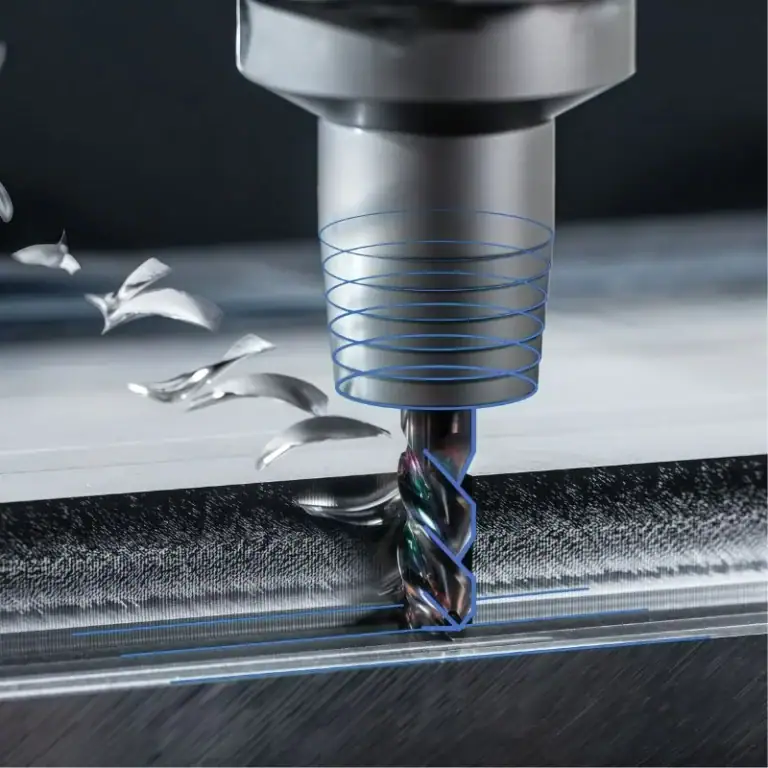
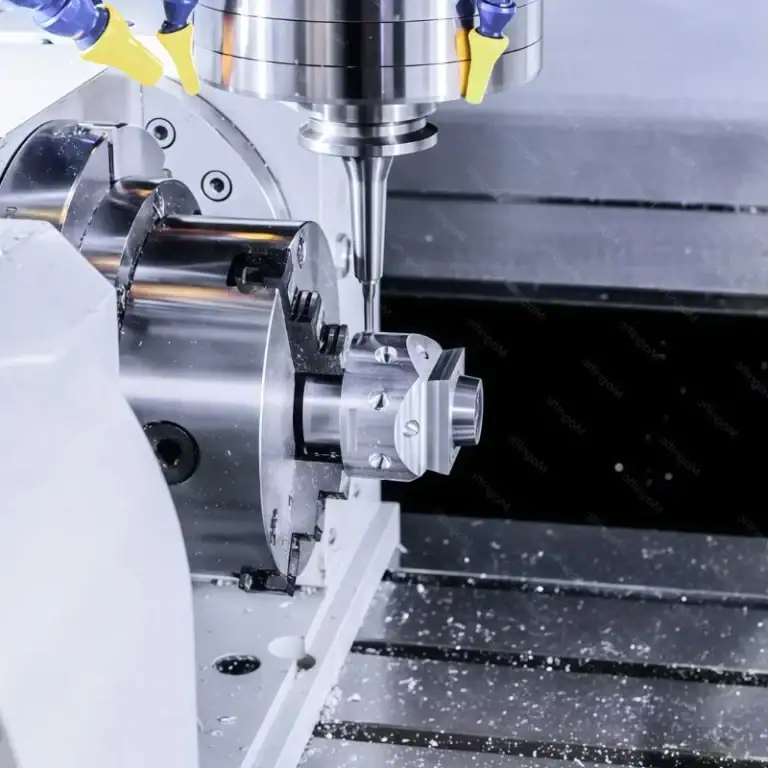
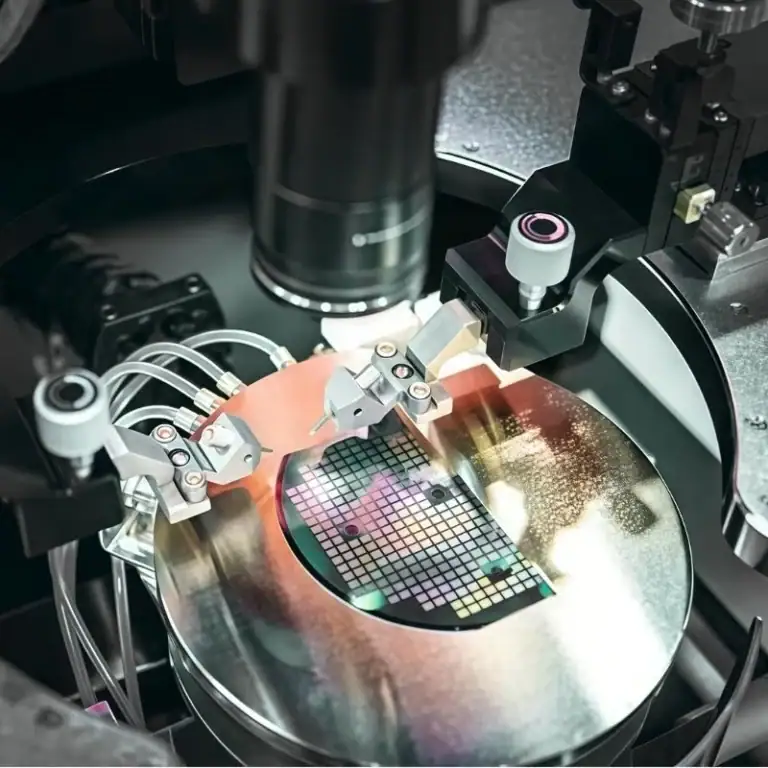
Types of anodizing play an important role in improving the performance and appearance of aluminum parts. From better corrosion resistance to higher wear protection and decorative finishes, anodizing helps manufacturers choose a surface treatment that matches the real needs of the part.
This guide explains what are the types of anodizing, how different anodize types compare, and how to choose the best finish based on performance, appearance, and application needs.
What Is Anodizing?
Anodizing is a common surface treatment mainly used for aluminum and its alloys. Through an electrochemical reaction, it forms an oxide layer that is bonded to the base metal, improving corrosion resistance, wear protection, insulation, and overall appearance.
Anodizing is not simply a coating applied on top of a part. In technical terms, it is an electrochemical process that converts the metal surface into an anodic oxide finish. For aluminum parts, this oxide layer is primarily aluminum oxide and comes from the substrate itself, which is one reason anodized finishes are valued for their strong adhesion and durability.
The basic principle is straightforward. The workpiece acts as the anode in an electrolytic bath, and direct current drives the controlled growth of a porous oxide layer on the surface. That porous structure is important because it improves corrosion resistance and wear performance, and it also makes dyeing possible in many cases. Industry sources note that Type II anodizing is commonly dyed in a wide range of colors, while Type III hard anodizing is usually left natural or dyed black because its thicker coating tends to produce a darker finish.
From a manufacturing point of view, anodizing is much more than a cosmetic choice. Standard Type II is often selected when appearance, moderate protection, and cost balance matter most. Type III, by contrast, is used when higher hardness and wear resistance are needed for demanding service conditions. Sources in this topic area describe conventional anodic coatings in the range of about 0.1 to 1.0 mil, while Type III coatings are typically thicker than 25 μm and can go much higher in some applications.
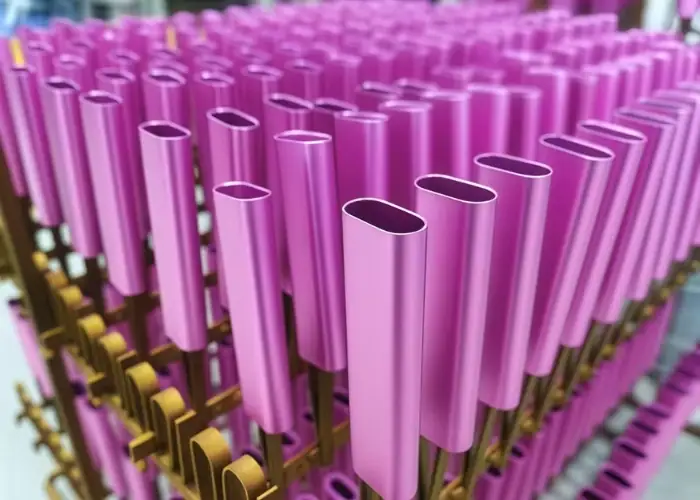
What Are the Main Types of Anodizing?
Different types of anodizing are used to achieve different results in corrosion resistance, wear protection, appearance, and coating thickness. For most aluminum parts, the main anodize types are Type I, Type II, and Type III, and each one is suited to different performance and application needs.
Type I Anodizing (Chromic Acid Anodizing)
Type I anodizing uses chromic acid to create a relatively thin oxide layer. Compared with other types of anodizing, it causes less dimensional buildup while still providing good corrosion resistance, which is why it has long been used in aerospace and other applications where tight tolerances matter. Industry references commonly describe its coating thickness in the range of about 20–100 microinches.
Because the coating is thinner, Type I is usually not the first choice when a part needs high wear resistance or strong decorative color. Instead, it is better suited to parts where dimensional control and corrosion protection are more important than appearance. For buyers and engineers, this means Type I is often a more specialized option rather than the default finish for general aluminum components.
Type II Anodizing (Sulfuric Acid Anodizing)
Type II anodizing is the most common commercial anodizing process for aluminum parts. It usually uses sulfuric acid and produces a coating that offers a good balance of corrosion resistance, appearance, and cost. Many industry sources list its practical thickness range at roughly 5–25 μm, or about 100–1000 microinches depending on the specification and application.
One of the biggest advantages of Type II is its ability to absorb dyes well because of its porous oxide structure. That is why it is widely used for black, blue, red, and other colored finishes on aluminum housings, consumer products, architectural parts, and general industrial components. If a project needs both a clean appearance and reliable everyday protection, Type II is often the most practical choice.
Type III Anodizing (Hard Anodizing or Hardcoat Anodizing)
Type III anodizing, also called hard anodizing or hardcoat anodizing, is designed for performance-focused applications. It typically uses a more tightly controlled sulfuric acid process with higher current density and lower operating temperature to form a thicker and harder oxide layer. Sources commonly describe Type III coatings as starting above 25 μm and reaching much higher thicknesses in demanding applications.
Because of its greater hardness and wear resistance, Type III is often used for automotive parts, industrial equipment, military components, and aerospace parts exposed to friction or harsh service conditions. The tradeoff is that it usually costs more, offers fewer color options, and has a greater impact on part dimensions. For precision parts, this thickness buildup must be considered before machining is finalized.
In real projects, choosing among these types of anodization should not be based on name alone. The right finish depends on the part’s alloy, tolerance sensitivity, appearance requirements, and service environment. That is why understanding the main types of anodizing is the first step, but choosing the best one requires looking at how the part will actually be used. This is also why many machining suppliers review finish requirements together with drawings before production begins.
Different Types of Anodizing Compared
After understanding the main anodizing types, the next step is to compare them side by side. Although Type I, Type II, and Type III all improve aluminum surface performance, they differ in coating thickness, corrosion resistance, wear protection, appearance, and cost. For most CNC aluminum parts, this comparison helps buyers and engineers choose the finish that best matches real application needs.
| Comparison Item | Type I Anodizing | Type II Anodizing | Type III Anodizing |
| Common Name | Chromic Acid Anodizing | Sulfuric Acid Anodizing | Hard Anodizing / Hardcoat Anodizing |
| Coating Thickness | Thin coating, suitable for parts sensitive to dimensional change | Medium coating, commonly used for general aluminum parts | Thick coating, better for demanding applications |
| Corrosion Resistance | Good corrosion resistance | Good balance of corrosion resistance and cost | Strong corrosion resistance, especially in harsher environments |
| Wear Resistance | Limited wear resistance | Better surface protection than untreated aluminum | Excellent wear resistance and surface hardness |
| Hardness | Lower than Type III | Moderate | Highest among the three types |
| Color Options | Limited | Best for dyeing and decorative colors | Usually darker, fewer color options |
| Appearance | More functional than decorative | Best choice for appearance and color consistency | More performance-focused than decorative |
| Dimensional Impact | Smallest dimensional buildup | Moderate dimensional buildup | Largest dimensional buildup |
| Typical Applications | Aerospace parts, precision components, corrosion-sensitive parts | Consumer products, housings, architectural parts, general industrial parts | Automotive parts, industrial equipment, aerospace parts, high-friction components |
| Cost Level | Usually higher than standard decorative anodizing, but application-specific | Most cost-effective and widely used option | Highest due to stricter process control |
| Best For | Tight-tolerance parts needing corrosion protection | Projects needing a balance of appearance, protection, and cost | Parts requiring high wear resistance and long-term durability |
What Materials Can Be Anodized?
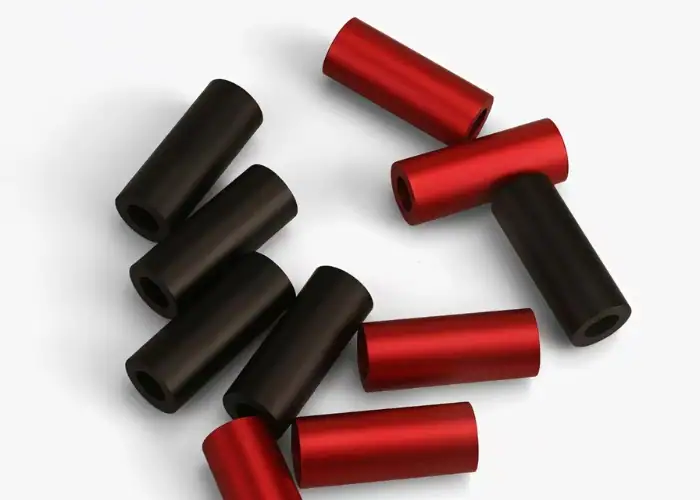
Not every Materials responds to anodizing in the same way. Aluminum is the most common anodized material, but it is not the only one. Some other metals can also undergo anodizing under suitable conditions, although their coating behavior, appearance, and practical applications may differ.
Aluminum and Aluminum Alloys
Aluminum is the most widely anodized material in manufacturing. It naturally forms an oxide layer, and the anodizing process strengthens and controls that layer to improve corrosion resistance, wear protection, insulation, and appearance. This makes anodizing especially useful for CNC aluminum parts that need both functional performance and a clean surface finish.
Different aluminum alloys can all be anodized, but the final result may vary. Alloy composition, silicon content, copper content, and surface preparation can influence color consistency, gloss, and coating uniformity. In many real projects, aluminum remains the first choice because it offers the best balance of machinability, finish quality, cost, and availability.
Magnesium
Magnesium can also be anodized, although it is less common than aluminum. Because magnesium is more chemically active, its anodizing process is usually more specialized and is often used when additional corrosion protection is needed. It is mainly found in lightweight structural applications where reducing weight is important.
Compared with aluminum, magnesium is not the first material most buyers think of for anodizing. Even so, it can still be a useful option in projects where both light weight and surface protection matter.
Zinc
Zinc can also undergo anodic oxidation under certain conditions, although it is much less common in general manufacturing discussions. In practice, zinc is more often associated with plating systems, but some specialized anodic treatments are still possible.
For most industrial parts, zinc is not a mainstream anodizing material. Still, it shows that anodizing is not limited to aluminum alone, even though aluminum remains the most practical and widely used option.
Niobium
Niobium is another metal that can be anodized. It is usually used in more specialized applications where unique surface properties or color effects are desired. It is not common in standard CNC machining projects, but it is still recognized as a material that can form anodic oxide layers.
Because niobium is used in a narrower range of industries, it is rarely the focus of general anodizing discussions. However, it remains a valid example of a metal that can be anodized under the right process conditions.
Tantalum
Tantalum can also be anodized, mainly in specialized applications rather than mainstream industrial part production. Like niobium, it is more often discussed in technical or niche fields where surface behavior and oxide film characteristics are important.
For most buyers and engineers working on standard machined parts, tantalum is not a common anodizing material. Still, it helps show that anodizing can apply to more than just aluminum, even if aluminum remains the dominant choice in commercial manufacturing.
Common Applications of Different Types of Anodizing
Different types of anodizing are used across many industries because they can improve corrosion resistance, wear protection, electrical insulation, and surface appearance. In real manufacturing, the right anodizing type is usually selected based on how the part will be used, how much wear it will face, and whether appearance also matters.
Semiconductor Industry
In the semiconductor industry, anodized aluminum parts are often used in fixtures, brackets, housings, frames, and support components. These parts usually need good corrosion resistance, dimensional stability, and a clean surface finish. Type II anodizing is often selected when appearance and general surface protection are important, while Type III may be considered for parts exposed to repeated contact or wear.
For this industry, consistency is often more important than color variety. A stable anodized finish can help improve part durability and maintain a cleaner surface in controlled production environments.
Automation Industry
Automation equipment often uses anodized aluminum for structural parts, guide components, mounting plates, sensor brackets, and machine frames. In these applications, anodizing helps improve corrosion resistance and keeps the parts looking cleaner during long-term use.
Type II anodizing is common for general structural and visible parts because it provides a balanced finish at a reasonable cost. When a component experiences friction, repeated movement, or contact wear, Type III anodizing is often a better option because of its higher hardness and better wear resistance.
Industrial Equipment
Industrial equipment is one of the most common fields for anodized aluminum parts. Components such as covers, machine panels, frames, tooling parts, and mechanical supports often require a finish that can handle daily wear and industrial exposure.
For general protection and appearance, Type II anodizing is widely used. For more demanding parts such as sliding surfaces, contact components, and wear-prone mechanical parts, Type III anodizing is usually preferred because it offers a thicker and harder oxide layer.
Electronics
In electronics, anodized aluminum is widely used for enclosures, heat sink housings, front panels, mounting parts, and device shells. These parts often need a combination of attractive appearance, corrosion resistance, and reliable surface quality.
Type II anodizing is especially popular in this field because it supports decorative finishes and color consistency. It is often chosen for products where visual quality matters as much as functional protection.
Communications
Communication equipment also makes frequent use of anodized aluminum parts, especially for housings, panel parts, mounting frames, and structural supports. These parts are often installed in environments where corrosion resistance and long-term surface stability matter.
Type II is commonly used for exterior parts that need a neat and consistent appearance. In more demanding outdoor or high-contact applications, Type III may be used to improve long-term durability and surface hardness.
Robotics
Robotics parts often need to be lightweight, durable, and visually clean. Anodized aluminum is widely used in robotic arms, mounting brackets, frames, covers, and custom machined components.
Type II anodizing is suitable for parts that need a good-looking finish and standard protection. Type III is more appropriate for robotic parts exposed to repeated motion, contact, or mechanical wear, especially where longer service life is required.
Aerospace
Aerospace is one of the best-known industries for anodized aluminum parts. Depending on the application, anodizing may be used to improve corrosion resistance, support dimensional stability, or increase wear resistance on structural and functional components.
Type I has long been associated with aerospace applications because of its thinner coating and lower dimensional impact. Type II and Type III are also used depending on whether the focus is appearance, corrosion protection, or wear performance.
Medical Devices
In medical devices, anodized aluminum parts may be used in housings, instrument bodies, supports, and non-implant mechanical components. These parts often require a clean appearance, good corrosion resistance, and consistent surface quality.
Type II anodizing is often selected when appearance and basic protection are sufficient. In applications where a part may experience more wear or repeated handling, a harder anodized finish may be considered depending on the design and function.
Automotive
In the automotive industry, anodized aluminum is used for trim parts, brackets, housings, performance components, and custom machined parts. The finish helps improve corrosion resistance and surface durability while also supporting a cleaner visual appearance.
Type II anodizing is commonly used for decorative and general-purpose parts. Type III is a better fit for automotive parts exposed to friction, abrasion, or heavier service conditions.
Common Mistakes When Selecting Anodizing Types
Choosing among different types of anodizing is not only a matter of surface appearance. In many projects, problems happen because the finish is selected too late or based on only one factor. A good anodizing choice should match the part’s function, environment, tolerance, and visual requirements at the same time.
Focusing Only on Color
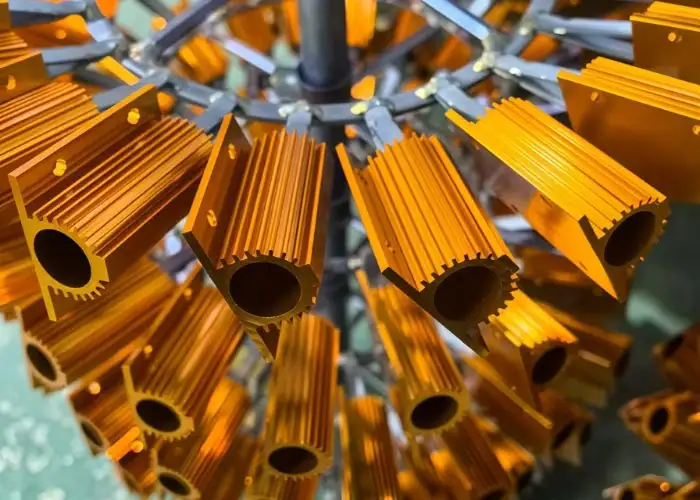
One common mistake is choosing anodizing only by color. Many buyers first ask for black anodizing or a certain decorative look, but color alone does not determine whether the finish is right for the part.
For example, Type II is often preferred for color consistency and decorative appearance, while Type III is more performance-driven and may offer fewer color options. If the part needs wear resistance or long-term durability, appearance should not be the only factor in the decision.
Assuming Thicker Is Always Better
A thicker anodized layer does not always mean a better result. Although Type III provides a thicker and harder coating, that does not automatically make it the best option for every part.
In some cases, a thinner or medium-thickness coating is more practical because it provides enough protection without adding unnecessary cost or dimensional change. The right finish depends on actual performance needs, not simply on coating thickness.
Ignoring Tolerance Buildup
Another common mistake is forgetting that anodizing changes dimensions. This is especially important for precision parts with tight fits, threaded areas, bores, grooves, and sealing surfaces.
If the coating thickness is not considered early enough, the finished part may become too tight, too large, or difficult to assemble. That is why anodizing requirements should be reviewed together with machining tolerances before production starts.
Not Considering the Alloy
Different aluminum alloys do not always anodize in the same way. Even when the same anodizing process is used, the final appearance and coating uniformity can vary depending on alloy composition and surface condition.
This means a finish that works well on one alloy may not look or perform exactly the same on another. Ignoring alloy differences can lead to color inconsistency, unexpected visual variation, or performance issues after finishing.
Choosing by Cost Alone
Cost is always important, but selecting anodizing only by the lowest price can create bigger problems later. A cheaper finish may not provide the wear resistance, corrosion protection, or appearance quality that the part actually needs.
In many manufacturing projects, rework, part failure, or customer complaints cost more than choosing the right finish from the beginning. A better approach is to balance cost with performance, appearance, and long-term reliability.
Treating All Anodizing Types as the Same
Some buyers assume that anodizing is a single standard finish and that all anodizing types perform similarly. In reality, Type I, Type II, and Type III serve different purposes and should not be treated as interchangeable.
A decorative aluminum housing and a high-wear mechanical part may both be anodized, but they often need very different anodizing types. Understanding that difference is essential for making the right finishing decision.
Leaving Finish Decisions Too Late
Another practical mistake is deciding the anodizing type after machining is already complete. By that stage, it may be harder to adjust dimensions, masking areas, or appearance expectations.
In better-managed projects, finishing requirements are discussed during drawing review or quotation stages. This helps avoid tolerance problems, mismatched expectations, and unnecessary delays during production.
Not Discussing End-Use Conditions Clearly
Sometimes the finish is selected without a clear explanation of how the part will be used. However, service environment plays a major role in choosing the right anodizing type.
A part used indoors may only need basic protection, while a part exposed to friction, moisture, outdoor conditions, or repeated handling may require a very different finish. The more clearly the end use is defined, the easier it is to select the right anodizing process.
How to Choose the Best Finish for Your Parts?
Choosing the best anodized finish is not about selecting the most expensive or the thickest option. The right finish should match the real function of the part, including its working environment, appearance requirements, tolerance sensitivity, and budget. For most CNC aluminum parts, a good anodizing choice comes from balancing performance and practicality.
Consider the Part’s Working Environment
The first step is to look at where and how the part will be used. If the part will work in a normal indoor environment with limited wear, a standard anodized finish may already provide enough protection. If it will face friction, repeated handling, moisture, outdoor exposure, or harsher industrial conditions, a more durable finish is usually needed.
This is why Type II is often enough for general-purpose aluminum parts, while Type III is more suitable for parts that need better wear resistance and longer service life. The more clearly the service conditions are defined, the easier it becomes to choose the right finish.
Think About Appearance and Color Needs
For many parts, appearance matters just as much as protection. Housings, visible brackets, consumer-facing components, and branded products often need a clean, uniform, and attractive surface finish. In these cases, the ability to control color and appearance becomes an important factor.
Type II anodizing is usually the better choice when color consistency and decorative appearance matter most, because it accepts dyes more easily. If the part is mainly functional and appearance is less important than hardness or wear resistance, then a harder anodized finish may be the better option.
Check Tolerance and Dimensional Sensitivity
Anodizing adds an oxide layer to the part surface, which means it can affect dimensions. This is especially important for parts with precision bores, threads, grooves, sealing faces, and tight-fitting features. If this is not considered early enough, assembly problems may happen after finishing.
For dimension-sensitive parts, the finish should be discussed together with machining tolerances before production begins. In some cases, a thinner anodizing type is more suitable simply because it creates less buildup and reduces the risk of fit issues.
Match the Finish to Wear and Surface Performance
Not every part needs the same level of surface protection. Some parts only need better corrosion resistance and a cleaner appearance, while others must handle sliding contact, abrasion, or repeated mechanical wear.
When wear resistance is a key concern, Type III is usually a stronger option because it provides a harder and thicker oxide layer. When the part mainly needs standard protection and a good surface finish, Type II is often the more practical and cost-effective choice.
Consider the Alloy Before Finalizing the Finish
Material selection also affects anodizing results. Different aluminum alloys may respond differently in terms of color consistency, gloss, and coating uniformity. Even if the same process is used, the finished appearance may vary from one alloy to another.
That is why finish selection should not be separated from alloy selection. In real projects, choosing the right aluminum grade is often just as important as choosing the right anodizing type.
Balance Cost with Real Performance Needs
The best finish is not always the highest-performance finish. In some projects, a more advanced anodizing process may add cost without creating enough practical value for the part. In other cases, choosing a cheaper finish may lead to wear problems, rework, or a shorter service life.
A better approach is to compare what the part truly needs against what each finish provides. When cost, durability, appearance, and dimensional requirements are evaluated together, the final decision is usually more reliable.
FAQs
Which Anodizing Type Is Best For Aluminum Parts?
There is no single best option for every aluminum part. Type II is often the most practical for housings, brackets, and visible parts because it balances appearance and cost. Type III is better for sliding, contact, or wear-prone components. The right choice depends on function, environment, tolerance, and finish requirements.
Does Anodizing Change Part Dimensions?
Yes. Anodizing forms an oxide layer on the surface, so it can affect bores, threads, grooves, and sealing faces. Standard anodizing is often about 0.1–1.0 mil, while Type III can be much thicker. For precision parts, the coating thickness should be considered before machining is finalized.
Can Different Aluminum Alloys Produce Different Anodized Results?
Yes. Different aluminum alloys can produce visible differences in color, gloss, and coating uniformity, even under the same process. This is especially important for decorative finishes and visible parts. If color consistency matters, alloy selection and anodizing requirements should be reviewed together early in the project.
Is Hardcoat Anodizing Always Better Than Standard Anodizing?
Not always. Hardcoat anodizing is better for parts that need high wear resistance, thicker coating, and stronger durability. However, it usually costs more, adds more thickness, and offers fewer decorative color options. For many general aluminum parts, standard Type II anodizing is already enough.
Conclusion
Different types of anodizing serve different purposes. Type I is better for thinner coatings and tighter dimensional control, Type II is the most common choice for balancing appearance, corrosion resistance, and cost, and Type III is better for parts that need higher hardness and wear resistance. For CNC aluminum parts, choosing the right finish early helps improve quality and reduce rework.
At TiRapid, we help customers choose the right anodizing finish based on part function, alloy type, tolerance needs, and surface expectations. From drawing review to machining and finishing, we support both prototypes and production parts with reliable quality.