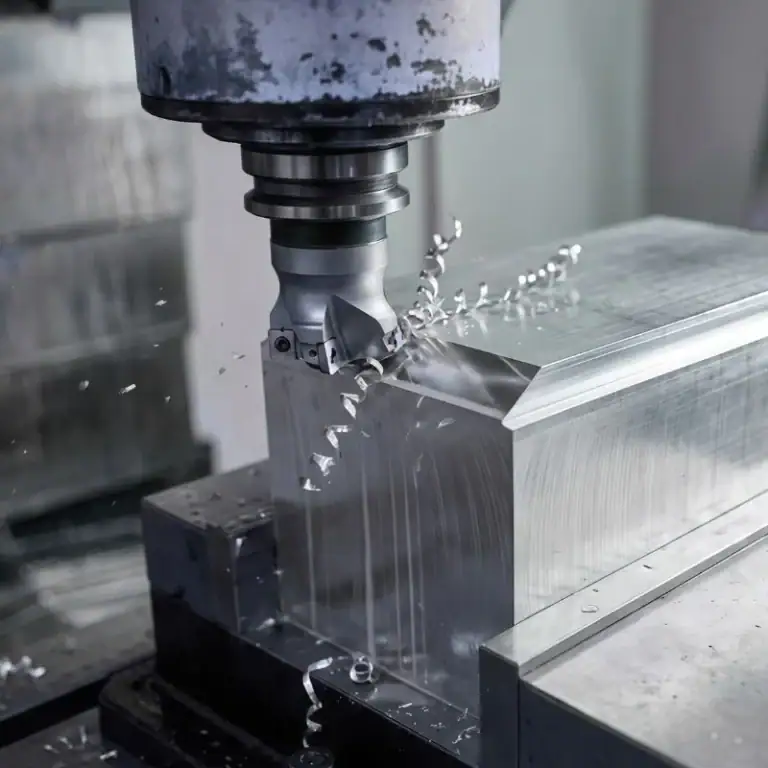
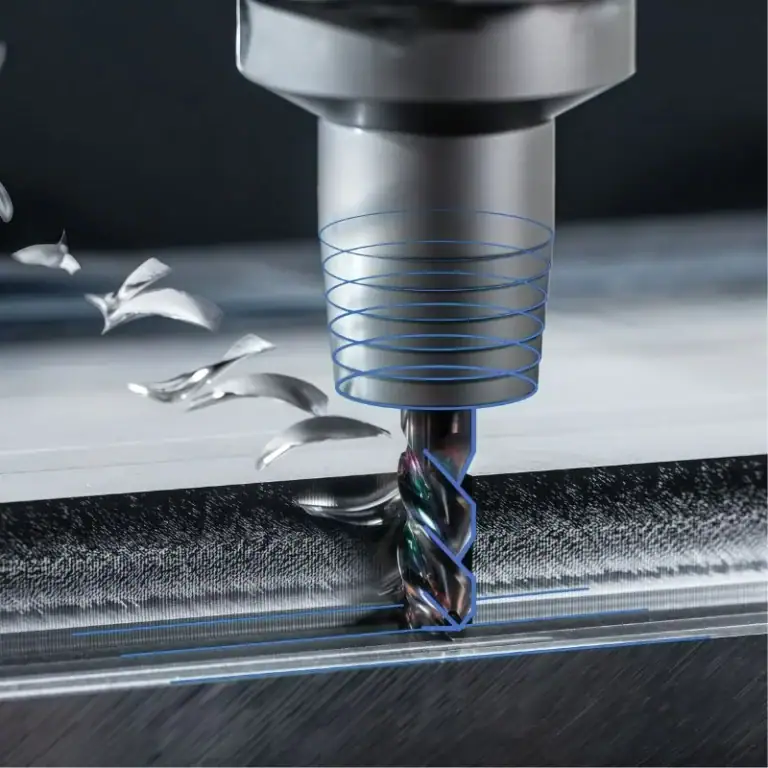
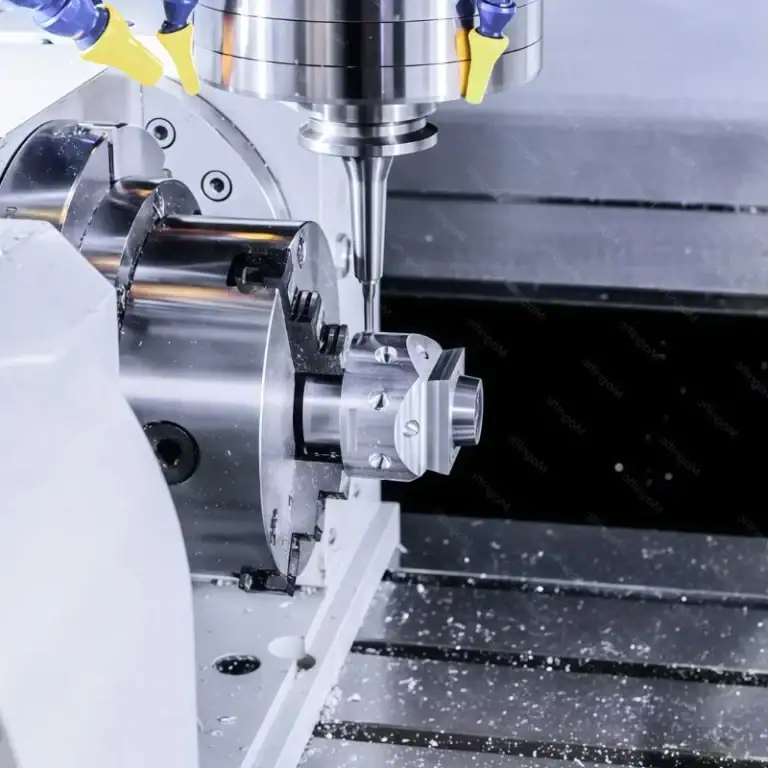
As the modern manufacturing industry continues to develop towards higher precision, higher efficiency, and greater diversification, material selection has become one of the important factors affecting the quality of CNC milling.Different materials exhibit significant differences in hardness, toughness, thermal conductivity, and corrosion resistance, directly impacting cutting efficiency, machining stability, and final product quality. For industries such as aerospace, automotive manufacturing, electronics, and medical devices, the appropriate selection of machining materials not only affects product performance but also production costs and manufacturing efficiency.
Aluminum Alloy Material Characteristics
Aluminum alloys are one of the most widely used metal materials in CNC milling.
Aluminum alloys are lightweight, have good thermal conductivity, and low cutting resistance, making it easier to achieve high-speed cutting and high surface quality control during machining. Due to their relatively softness, tool wear is relatively low, resulting in outstanding machining efficiency. Aluminum alloys are widely used in the manufacturing of aerospace structural components, electronic housings, and lightweight automotive parts.
Material processing characteristics
Aluminum alloys typically offer high machining efficiency and stability during CNC milling.
- Low density, suitable for lightweight structural design
- Excellent cutting performance and high machining efficiency
- High thermal conductivity, helping to reduce machining heat
- Easy to achieve complex structures and high-precision machining
Good overall machining performance makes aluminum alloys a fundamental material for modern CNC manufacturing.
Stainless Steel Material Characteristics
Stainless steel is a typical high-strength, corrosion-resistant material. Its excellent corrosion resistance and structural stability make it widely used in medical, food equipment, and industrial structural components. However, due to its high toughness and poor thermal conductivity, it is prone to high temperatures and work hardening during processing, placing high demands on cutting tools and cooling systems.
Material Machining Characteristics
Stainless steel requires high-performance cutting tools and cooling systems during machining.
- Its high strength makes it suitable for high-load structural components.
- It has strong corrosion resistance, making it suitable for complex environments.
- It has high cutting resistance, requiring high-quality cutting tools.
- It is prone to work hardening.
- It is commonly used in the manufacture of medical devices and industrial equipment.
Stable process control is crucial for improving the machining quality of stainless steel.
Carbon Steel and Alloy Steel Material Characteristics
Carbon steel and alloy steel are fundamental structural materials in industrial manufacturing.
These materials possess high strength and good mechanical properties, and are widely used in mechanical parts, mold manufacturing, and industrial equipment. Different grades of steel vary significantly in hardness and toughness, thus requiring targeted adjustments to processing strategies.
Material processing characteristics
Carbon steel and alloy steel offer relatively stable structural machining capabilities during CNC machining.
- Stable strength and rigidity
- Rich variety of materials, wide range of applications
- Some high-hardness steels are more difficult to process
- High requirements for tool wear resistance
Appropriate processing parameters can effectively improve the processing stability of steel.
Titanium Alloy Material Properties
Titanium alloys are high-performance but difficult-to-machine metallic materials.
Titanium alloys possess high strength, low density, and excellent corrosion resistance, making them widely used in the aerospace and medical industries. However, due to their poor thermal conductivity, heat tends to concentrate in the cutting area during machining, increasing tool wear and machining difficulty.
Material processing characteristics
Titanium alloy machining generally requires more stable equipment and process support.
- High specific strength, significant lightweight effect
- Excellent corrosion resistance
- Poor thermal conductivity, prone to high temperatures
- High requirements for equipment and tool stability
High-precision process control is a crucial foundation for titanium alloy machining.
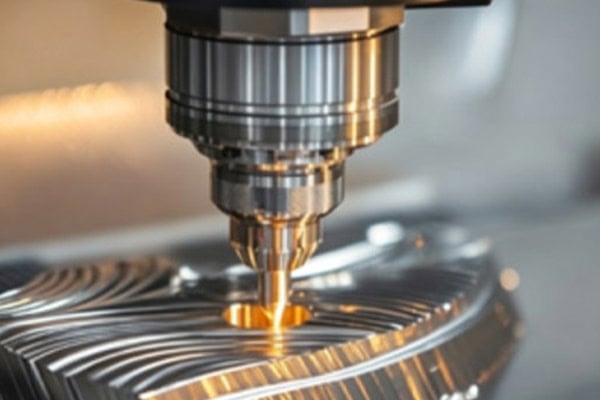
Copper and Copper Alloy Material Properties
Copper materials have significant advantages in electrical and thermal conductivity.Copper and copper alloys are widely used in electronic components, electrical equipment, and heat dissipation structures due to their outstanding electrical and thermal conductivity. However, due to their softness, they are prone to tool sticking and surface deformation during machining.Appropriate tool selection can effectively improve the machining stability of copper parts.
Material Processing Characteristics
Surface quality control is paramount during the processing of copper and copper alloys.
- Excellent electrical and thermal conductivity
- Soft material, easy to process complex structures
- Prone to tool sticking
- Surface quality is relatively easy to control
- Commonly used in electronic components and heat dissipation structures
Proper parameter control can improve the processing quality of copper parts.
Engineering Plastics Material Properties
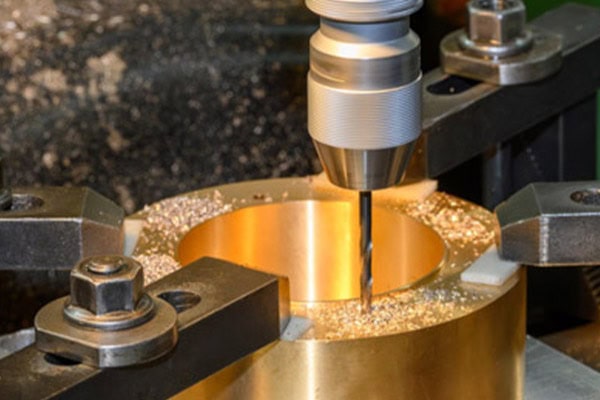
Engineering plastics are important non-metallic materials in CNC machining.
Common engineering plastics include ABS, nylon, PEEK, and PC. These materials are lightweight, have good insulation properties, and are highly flexible in processing. They are widely used in prototyping and the electronics industry. However, some plastics are prone to deformation when heated, so processing temperature control is necessary.
Material processing characteristics
Engineering plastics typically offer high flexibility in surface finish machining during CNC machining.
- Lightweight, suitable for lightweight structural designs
- Easy to achieve complex appearance machining
- Good insulation properties
- Prone to softening and deformation at high temperatures
Stable low-heat processing strategies can improve the quality of plastic parts.
Composite Material Properties
Composite materials represent an important direction in modern high-end manufacturing.Carbon fiber and glass fiber reinforced materials possess high strength and lightweight characteristics, and are increasingly used in aerospace, automotive, and sporting goods fields. However, these materials have complex structures and significant anisotropy, making them prone to delamination and edge breakage during processing.
Material Processing Characteristics
Composite material processing relies more heavily on stable and precise process control.
- High strength-to-weight ratio
- Suitable for lightweight structural design
- Prone to delamination during processing
- Requires high precision in tooling and path control
- Commonly used in aerospace, automotive, and new energy equipment
Precise process control is crucial for ensuring the quality of composite material processing.
Conclusion
The properties of different materials in CNC machining directly affect machining methods, equipment requirements, and final product quality. Materials such as aluminum alloys, stainless steel, titanium alloys, and engineering plastics each possess different advantages and corresponding machining challenges. Therefore, in actual manufacturing, a reasonable match needs to be made based on product requirements. Against the backdrop of modern manufacturing’s continuous development towards higher precision and performance, a deep understanding of material properties has become a crucial foundation for optimizing machining processes. By rationally selecting cutting tools, optimizing cutting parameters, and controlling the machining environment, the machining stability and finished product quality of different materials can be further improved. In the future, with the continuous emergence of new materials, CNC machining technology will continue to upgrade, providing more efficient and precise manufacturing solutions for more industries.