Tirapid

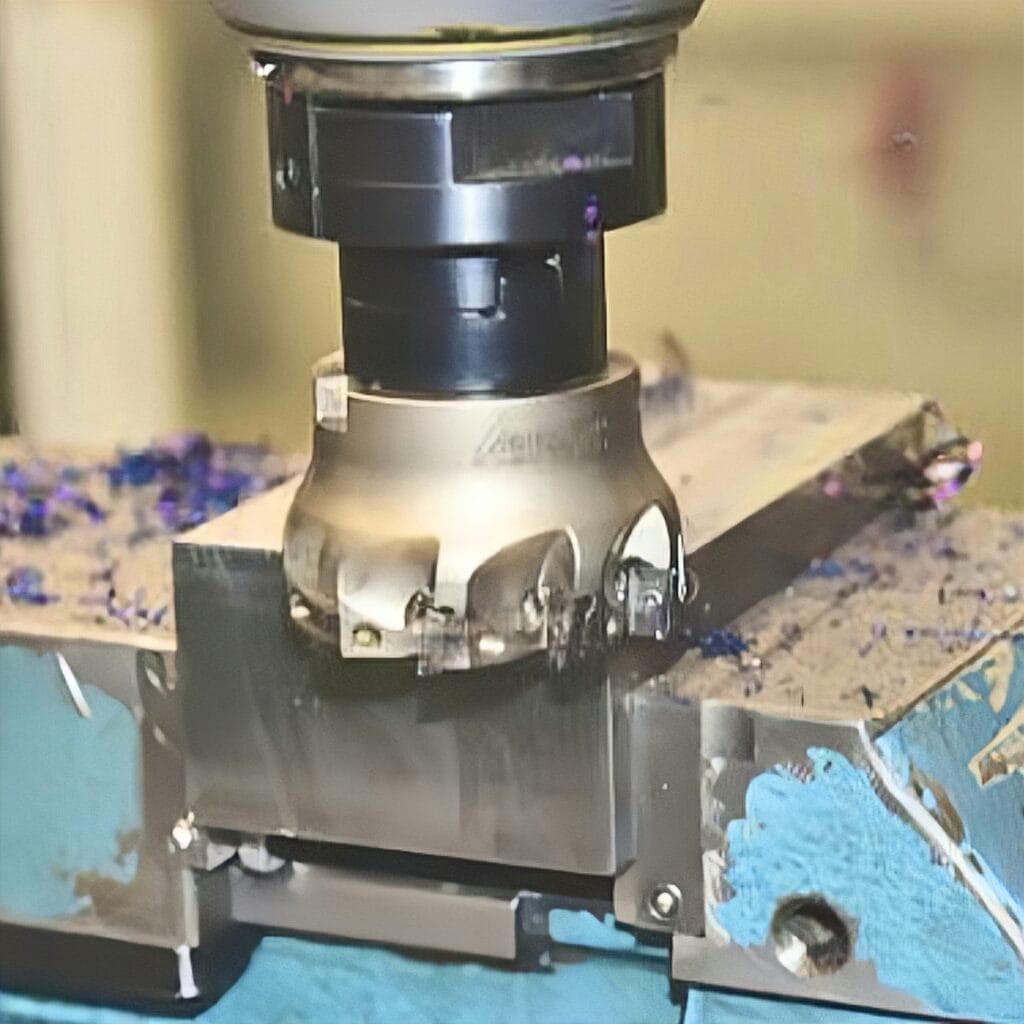
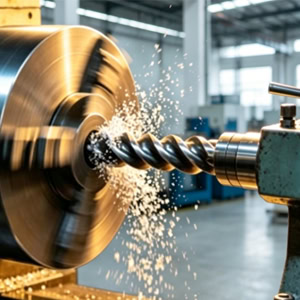
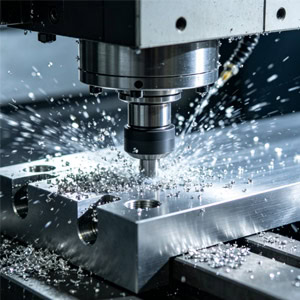
This is a picture of a CNC milling machining scene.

How to balance accuracy and efficiency in CNC milling?

As modern manufacturing continues to evolve towards higher precision, higher efficiency, and greater intelligence, balancing machining accuracy and production efficiency in CNC milling has become a critical concern for manufacturing enterprises. Accuracy and efficiency often influence each other. While high-speed machining can shorten production cycles, improper parameter control can lead to dimensional errors, decreased surface

How to balance accuracy and efficiency in CNC milling? Read More »
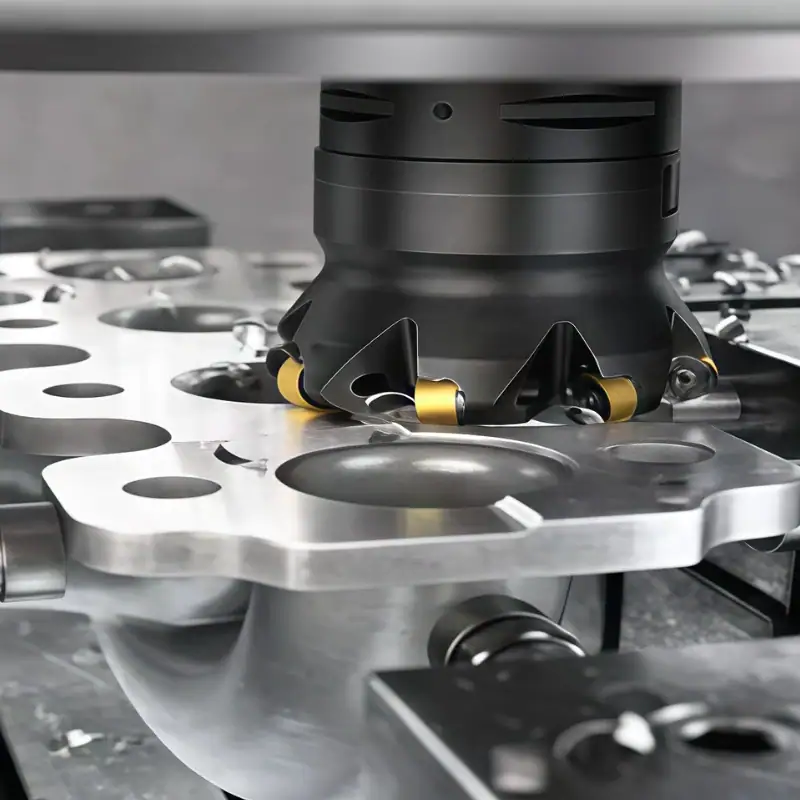
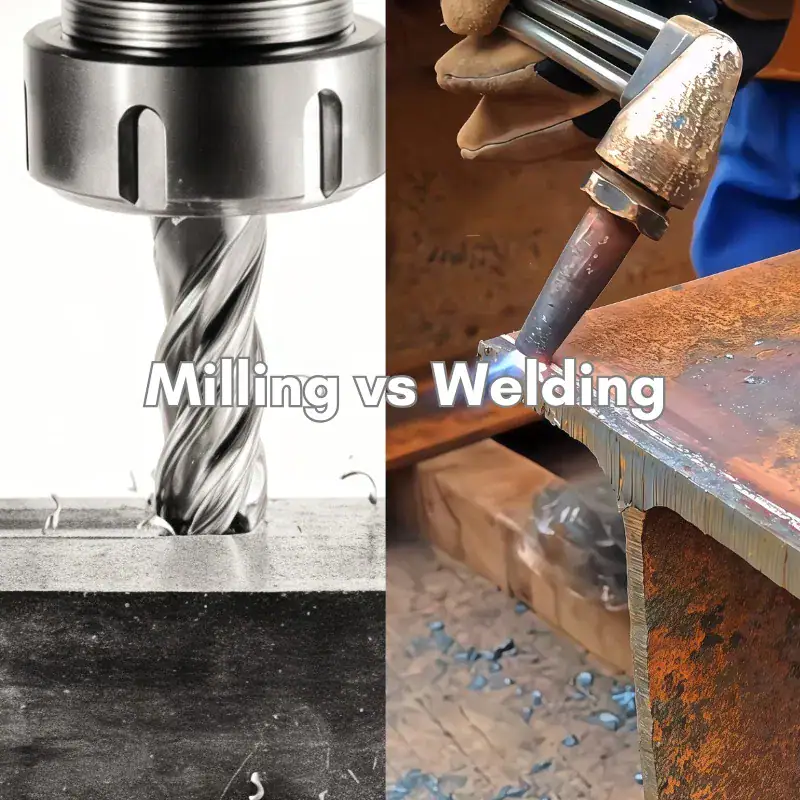
CNC milled stainless steel parts compared with site welded steel fabrication for precision and structural applications

Milling vs Welding: Key Differences and Applications Explained

Milling vs welding is a common comparison in metal manufacturing because both processes are widely used to create functional parts and assemblies. However, they solve very different manufacturing problems. Milling removes material to create a precise shape, while welding joins separate parts together to form a strong structure. In this guide, we explain the difference

Milling vs Welding: Key Differences and Applications Explained Read More »

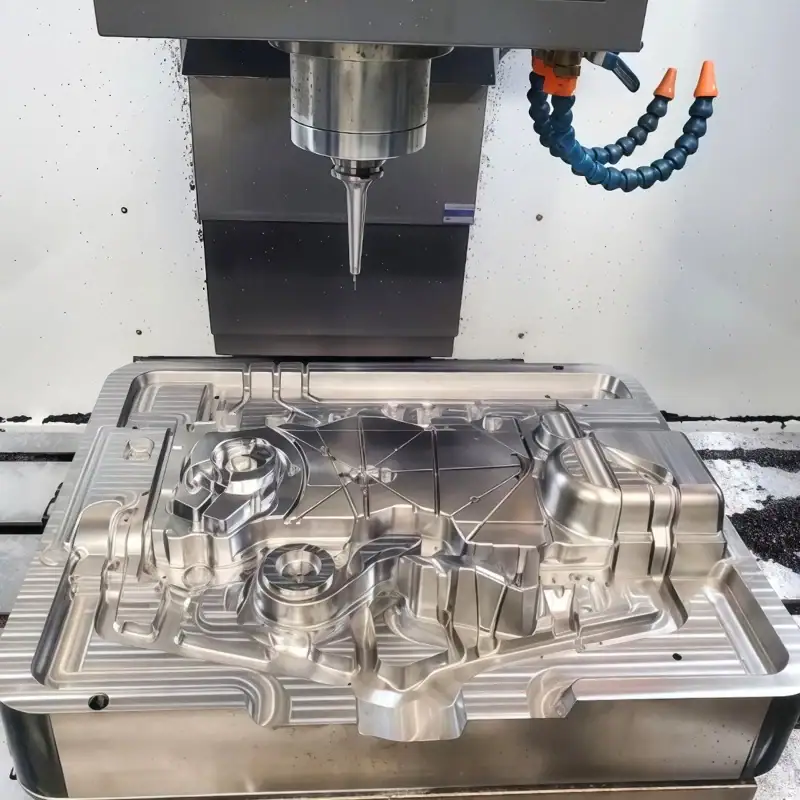
CNC milling process of a 6061 aluminum mold for precision machining and mold manufacturing

CNC Machined Components: Types, Materials, Benefits, and Applications

CNC machined components are precision parts produced by removing material from a solid workpiece with computer-controlled machine tools. These components are used across many industries because they can achieve accurate dimensions, repeatable quality, stable performance, and flexible customization. In this guide, you will learn what CNC machined components are, how CNC machining works, what types

CNC Machined Components: Types, Materials, Benefits, and Applications Read More »

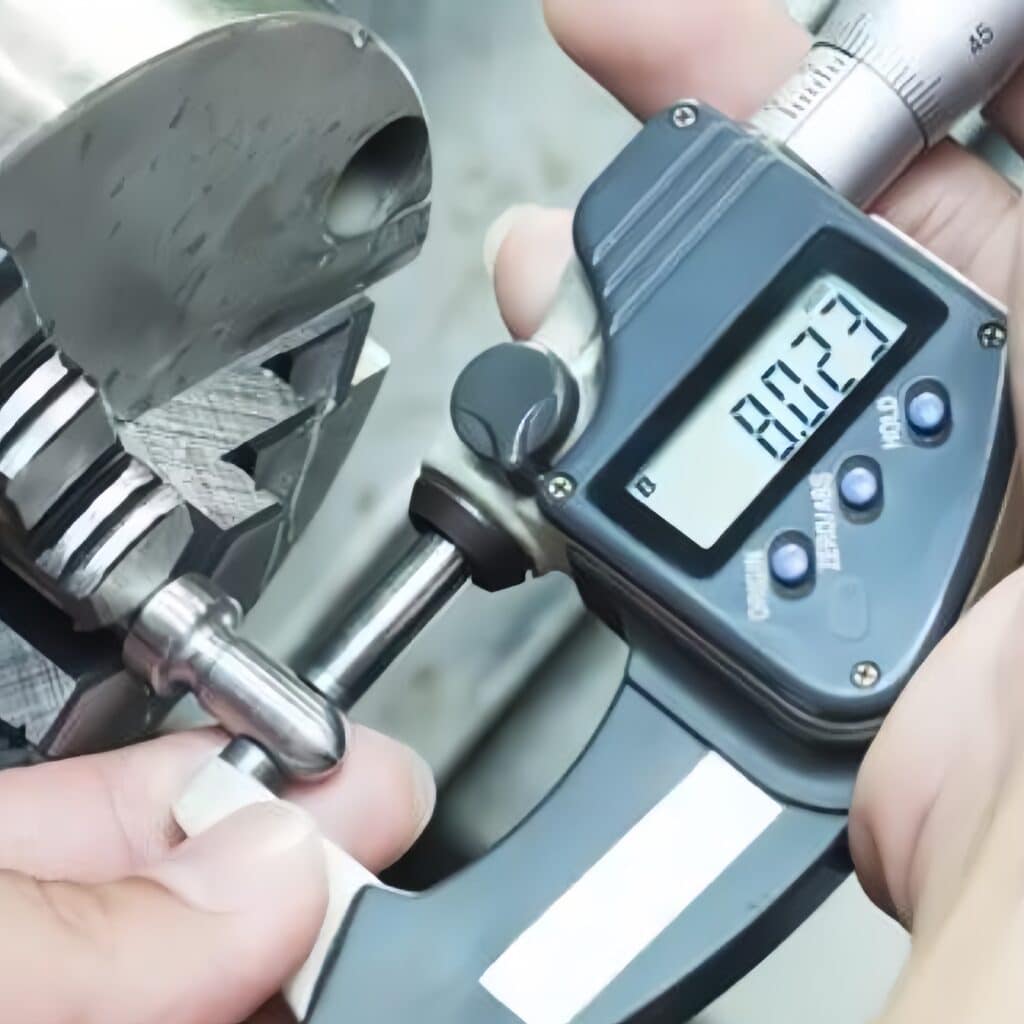
measuring-data-instrument-3105-aluminum-parts-precise-diameter-measurement-2

Unilateral And Bilateral Tolerance: How To Choose The Right Type For Your Design

Tolerance is used to ensure that the size of our parts meets functional requirements. It allows for a certain degree of error in the manufacturing process while maintaining the product’s normal operation. When designing, a reasonable choice of tolerance can help balance cost, efficiency, and quality. Among various types, unilateral and bilateral tolerance are two

Unilateral And Bilateral Tolerance: How To Choose The Right Type For Your Design Read More »

5-axis machined 7075 aluminum aerospace engine impeller for high-precision CNC manufacturing

3 vs 5 Axis CNC Machining: Key Differences and How to Choose

3 vs 5 axis CNC machining is a common comparison in precision manufacturing because both methods are used to produce accurate custom parts, but they are designed for different levels of part complexity. 3-axis CNC machining is suitable for simpler parts with flat surfaces, holes, pockets, and basic contours, while 5-axis CNC machining is better

3 vs 5 Axis CNC Machining: Key Differences and How to Choose Read More »

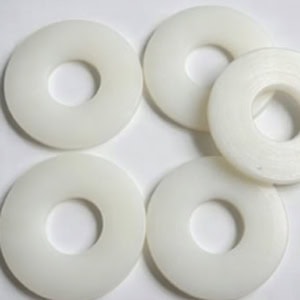
These gaskets are machined by CNC turning/milling. Their core functions are insulation, anti-loosening, wear resistance, cushioning, and sealing. They replace traditional metal gaskets and are widely used in electrical equipment, chemical machinery, and automated equipment.

What Are the Applications of CNC Plastic Parts in Industrial Equipment?

In the field of industrial equipment, CNC plastic parts are not “optional accessories,” but an essential component that enables many machines to operate reliably. Compared with metal parts, plastic parts offer advantages such as lightweight construction, electrical insulation, corrosion resistance, and low friction. Therefore, they are widely used in automation equipment, electronic systems, medical devices,

What Are the Applications of CNC Plastic Parts in Industrial Equipment? Read More »

CNC machining scenarios for plastic parts

What Factors Affect the Cost of CNC Plastic Machining?

In the plastic CNC machining industry, many customers notice a common phenomenon when requesting a quote for the first time: parts with seemingly identical dimensions and materials can vary greatly in price. This difference is not caused by arbitrary pricing, but by multiple variables throughout the machining process. The cost of CNC plastic machining is

What Factors Affect the Cost of CNC Plastic Machining? Read More »

Images of milling machines machining metal workpieces.

How to handle high-hardness materials using CNC milling?

As modern manufacturing continues to evolve towards high performance, high precision, and complex structures, the application range of high-hardness materials is constantly expanding. High-hardness materials such as mold steel, titanium alloys, high-temperature alloys, and hardened steel are widely used in aerospace, medical devices, the automotive industry, and precision mold manufacturing. While these materials possess excellent

How to handle high-hardness materials using CNC milling? Read More »

Micro-turning technology generates images

What Applications Is Micro Turning Technology Suitable For?

Micro turning technology is a precision machining method designed for extremely small components and tight tolerance requirements. It enables stable processing at micrometer-level accuracy while maintaining consistent surface quality and dimensional control. With the development of high-precision CNC systems, micro-scale cutting has become an important solution for industries requiring miniaturization and complex geometries. The value

What Applications Is Micro Turning Technology Suitable For? Read More »

Scroll to Top
Simplified Table

To ensure successful upload, please compress all files into one .zip or .rar file before uploading.
Upload CAD files (.igs | .x_t | .prt | .sldprt | .CATPart | .stp | .step | .pdf).