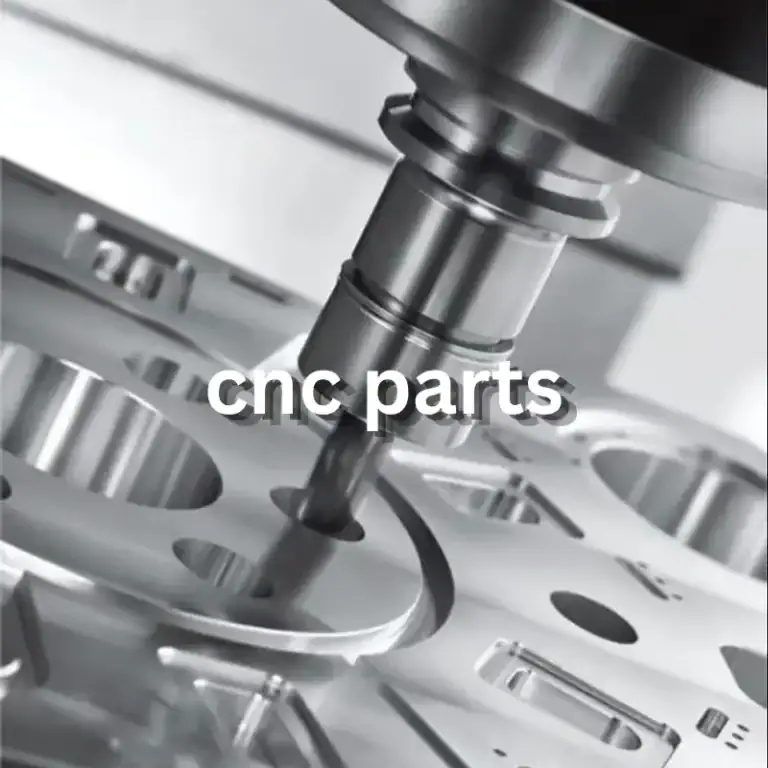
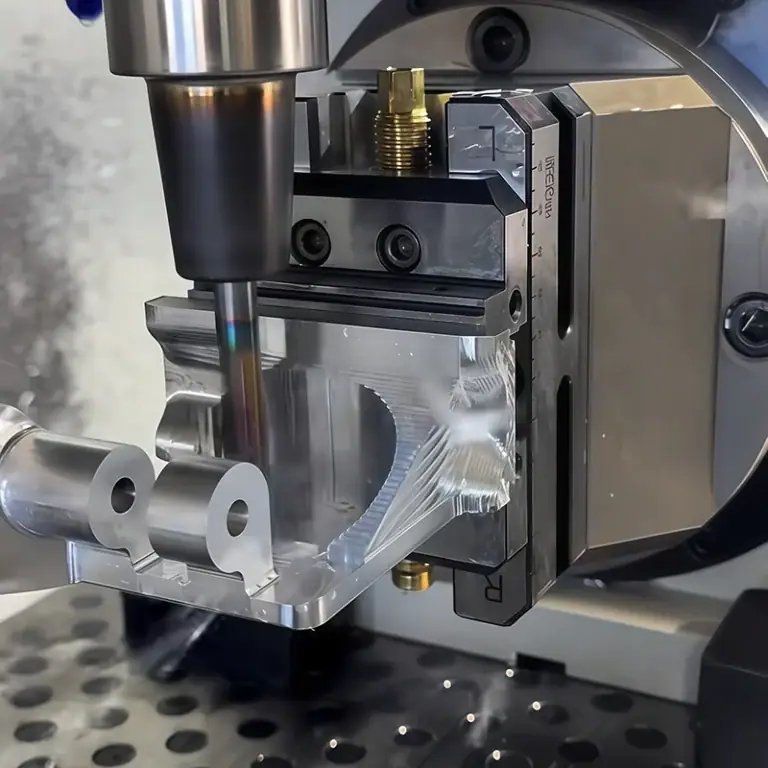
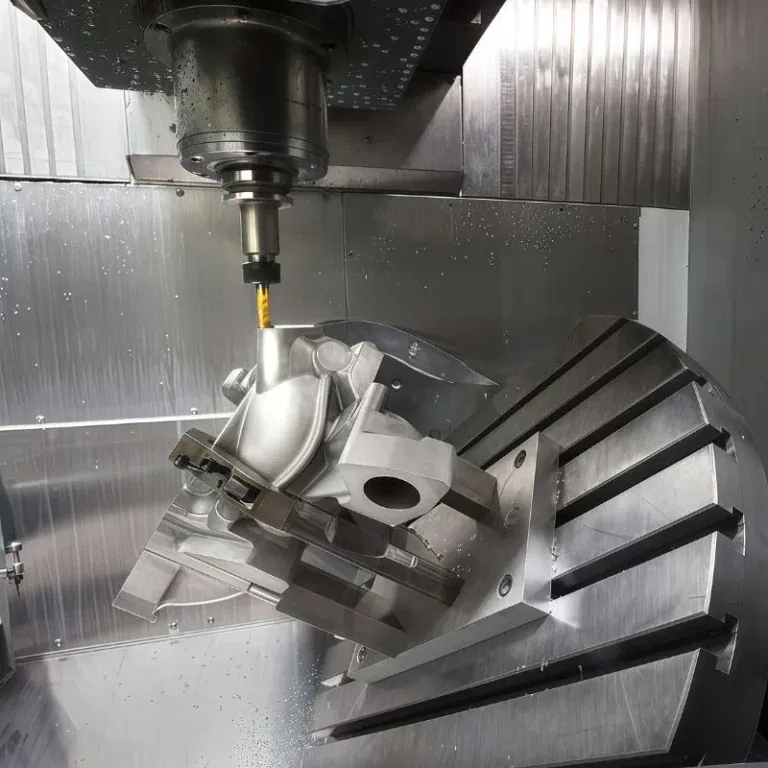
In the field of industrial equipment, CNC plastic parts are not “optional accessories,” but an essential component that enables many machines to operate reliably. Compared with metal parts, plastic parts offer advantages such as lightweight construction, electrical insulation, corrosion resistance, and low friction. Therefore, they are widely used in automation equipment, electronic systems, medical devices, and precision machinery. Especially in applications requiring high-precision mating or long-term stable operation, CNC-machined plastic parts often play a critical role.
What Are CNC Plastic Parts in Industrial Equipment?
Definition of CNC Plastic Parts
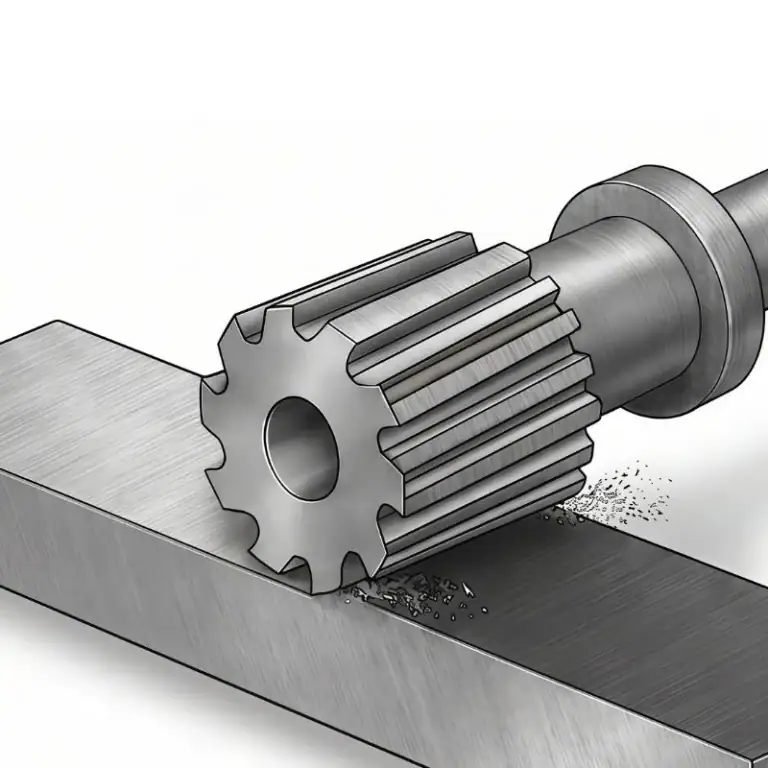
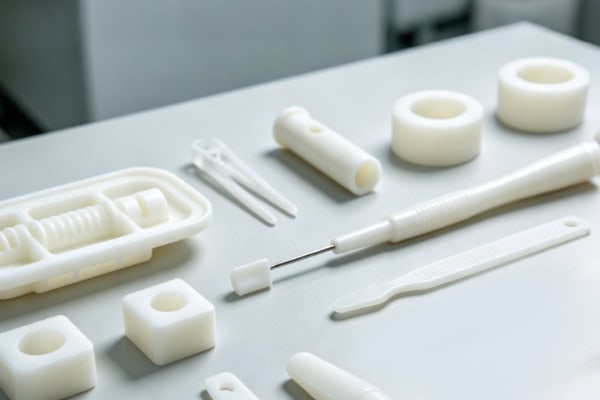
CNC plastic parts are functional components produced by cutting engineering plastics or high-performance plastics using CNC machines. These parts are typically used in internal structures or key functional positions of industrial equipment. They require not only dimensional accuracy but also long-term operational stability.
Role in Industrial Equipment
In industrial systems, plastic parts usually perform “auxiliary but critical” functions such as support, guidance, insulation, isolation, friction reduction, and protection. They are not typically primary power-transmitting components, but they significantly affect the stability and lifespan of the entire machine.
Why Industrial Equipment Relies on Plastic Parts?
Industrial equipment often involves motion, friction, electrical control, and complex operating environments. Plastic materials reduce direct metal-to-metal contact, lowering wear while providing electrical insulation and corrosion resistance. In many cases, they are therefore more suitable than metal.
How Are CNC Plastic Parts Designed and Manufactured in Industrial Equipment?
Defining Functional Roles in the Design Stage
In industrial design, the first step is to define the function of the plastic part—whether it is structural support, motion guidance, or electrical insulation. Different functions determine both material selection and structural design.
Material Selection and Performance Requirements
Materials are selected based on operating conditions, such as whether wear resistance, heat resistance, chemical resistance, or low friction is required. Common engineering plastics such as POM, PA, PC, and PEEK are widely used in industrial equipment.
CNC Machining Path Planning
Industrial parts often require high dimensional accuracy. Therefore, CNC programming must precisely control hole positions, flatness, and tolerance fits to ensure assembly consistency.
Assembly and Functional Validation
After machining, parts are assembled into equipment for testing to verify motion accuracy, wear resistance, and long-term stability. If deviations occur, process adjustments can be made for optimization.
Core Functions of CNC Plastic Parts in Industrial Equipment
Automation Equipment
In automated production lines and industrial conveying systems, CNC plastic parts are widely used in guide rails, sliders, positioning blocks, support structures, and transmission-assist components. Their main role is not to bear extremely high loads, but to ensure smooth and consistent motion. Compared with metal components, engineering plastics have a lower coefficient of friction, effectively reducing wear caused by metal contact during long-term operation. In addition, plastics provide damping properties that reduce vibration and noise, improving the stability of automated production lines. In high-speed reciprocating systems, plastic parts also reduce lubrication dependency, lowering maintenance frequency and improving continuous operation capability.
Electronic and Electrical Equipment
In electronic devices and electrical control systems, CNC plastic parts mainly serve insulation and isolation functions, such as insulating brackets, spacers, connectors, and internal structural supports. Their core value is preventing electrical interference and short-circuit risks while maintaining safe spacing between components. This is especially important in high-density circuits or high-voltage environments. Plastic materials also provide excellent electrical insulation, preventing conductivity-related signal interference. In precision electronic systems, high-dimensional-stability engineering plastics are often used to ensure long-term structural stability under temperature changes or stress release.
Precision Machinery
In industrial machinery systems, CNC plastic parts are widely used in bushings, sliding components, gears, spacers, and damping structures. Their primary function is to reduce direct metal-to-metal contact through low friction and self-lubricating properties, thereby reducing wear and energy loss. In continuously operating mechanical systems, this “soft contact” structure significantly extends equipment lifespan and reduces lubrication requirements. In high-frequency motion systems, plastic parts also absorb micro-shocks, improving overall smoothness and making the machine quieter and more stable.
Automation and Robotics
In industrial robots and intelligent automation systems, CNC plastic parts are mainly used in gripping structures, sensor brackets, cable holders, and lightweight motion linkage modules. The key advantage of these applications is low weight and fast response. Compared with metal parts, plastic components significantly reduce inertia load, improving the speed and responsiveness of robotic arms or actuators.
Semiconductor and High-Precision Equipment
In semiconductor manufacturing equipment, optical inspection systems, and high-end precision instruments, CNC plastic parts play highly critical functional roles, such as vacuum chamber components, precision positioning structures, wafer carriers, and high-cleanliness support structures. These applications require extremely strict specifications, including high dimensional accuracy, low outgassing, low contamination, high stability, and long-term environmental resistance. In vacuum or cleanroom environments, even tiny particles or material emissions can affect yield rates. Therefore, high-performance engineering plastics such as PEEK and PPS are commonly used, combined with high-precision CNC machining to ensure surface quality and structural stability.
Plastic Types Corresponding to Different Industrial Applications
POM (Polyoxymethylene)
POM offers high rigidity, low friction, and excellent dimensional stability. It is suitable for gears, sliders, and guiding components and is one of the most commonly used materials in industrial equipment.
PA (Nylon)
PA materials have good toughness and impact resistance, making them suitable for dynamic load components such as bushings and damping structures. However, moisture absorption must be carefully managed.
PC (Polycarbonate)
PC is commonly used for protective covers, observation windows, and housings. It combines strength and transparency, making it suitable for equipment requiring internal visibility.
PEEK
PEEK is used in high-temperature, high-load, and high-cleanliness environments such as medical devices, semiconductor equipment, and aerospace applications. It offers stable performance but has higher machining costs.
PTFE
PTFE is commonly used in seals and sliding components due to its extremely low friction coefficient. However, its structural strength is relatively low, making it suitable for specialized functional applications.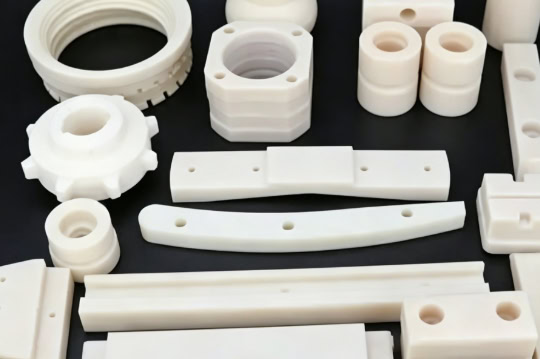
Main Applications of CNC Plastic Parts in Industrial Equipment
Automation equipment components: guide rails, supports, positioning, and transmission-assist structures
Electronic and electrical components: insulation, isolation, and component mounting
Precision mechanical parts: bushings, gears, sliders, and friction-reducing components
Robotic system components: connectors, gripping devices, and sensor mounts
Semiconductor and high-end equipment parts: functional components in high-cleanliness and high-precision environments
Equipment housings and protective parts: protecting internal structures and improving safety
Frequently Asked Questions
“Why are plastic parts used in industrial equipment instead of only metal parts?”
In reality, this is not a replacement relationship but a complementary one. Metals are suitable for high-strength structural loads, while plastics are better for friction reduction, insulation, damping, and lightweight applications. In many systems, using only metal may increase wear, noise, and maintenance costs. Proper use of CNC plastic parts can actually improve overall efficiency and stability. Therefore, plastic parts are not “low-cost substitutes,” but an essential part of industrial design.
In conclusion
CNC plastic parts in industrial equipment are not merely secondary components—they are a key part of system stability. Through functions such as friction reduction, insulation, support, and protection, they help equipment operate more smoothly, last longer, and become easier to maintain. Although often hidden inside machines, plastic parts have a significant impact on overall performance. With proper material selection, rational design, and precision CNC machining, these parts can maintain stable performance over long-term operation. The reliability of industrial equipment depends not only on metal structures, but also on these seemingly small yet critically important plastic components.