In the plastic CNC machining industry, many customers notice a common phenomenon when requesting a quote for the first time: parts with seemingly identical dimensions and materials can vary greatly in price. This difference is not caused by arbitrary pricing, but by multiple variables throughout the machining process. The cost of CNC plastic machining is essentially determined by a combination of “machining difficulty” and “manufacturing efficiency,” rather than the price of the material alone.
How Is the Cost of CNC Plastic Machining Structured?
Cost Is Not Just Material Price
The cost of CNC plastic machining usually includes raw material cost, machine processing time, tool wear, labor operation, programming and debugging, inspection and packaging, as well as rework risks.Even if the material itself is inexpensive, if the part has a complex structure, high precision requirements, and long processing time, the overall cost can still be very high.
Why Prices Vary So Much for the Same Plastic
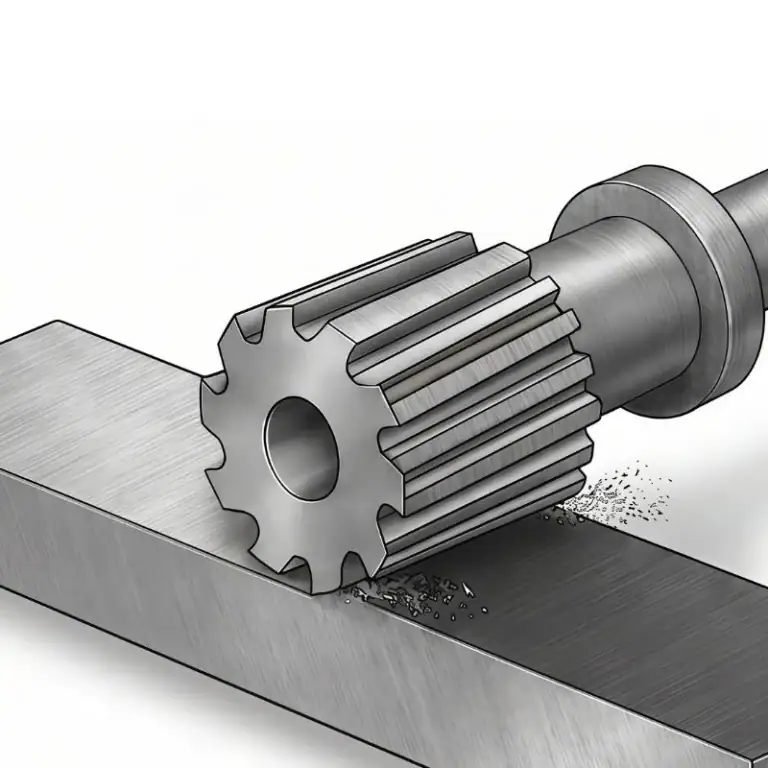
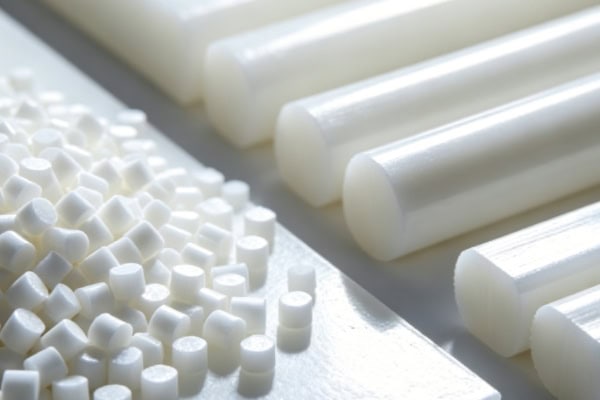
Different plastic materials have very different machining properties. Some materials are easy to cut, highly efficient, and therefore low in cost. Others are prone to heat buildup, deformation, and burrs, requiring repeated parameter adjustments or even special tooling, which significantly increases cost. Therefore, the cost of plastic machining is not simply about whether the material is expensive, but about how easy it is to machine.
Cost Ultimately Depends on “Time” and “Risk”
Cost comes down to two core factors: how long the machining takes, and how likely problems are to occur during machining. The longer the time and the higher the risk, the higher the cost. Conversely, simple structures, stable parameters, and high yield parts are much easier to control in cost.
Which Factors Directly Affect Machining Cost?
The Design Stage Determines Most of the Cost
A large portion of cost is already determined during the design stage. If a part includes deep cavities, thin walls, multiple internal cavities, or hard-to-reach areas for tools, machining becomes slower and more difficult, and may even require special tools or split machining, increasing cost. On the other hand, the simpler the structure and the more CNC-friendly the design, the lower the cost.
Programming and Process Planning Affect Efficiency
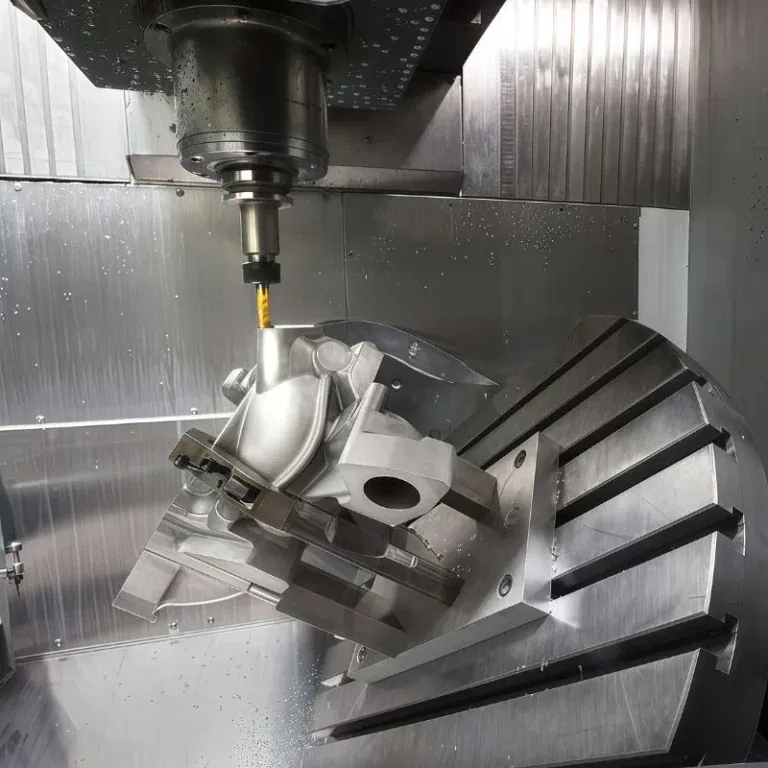
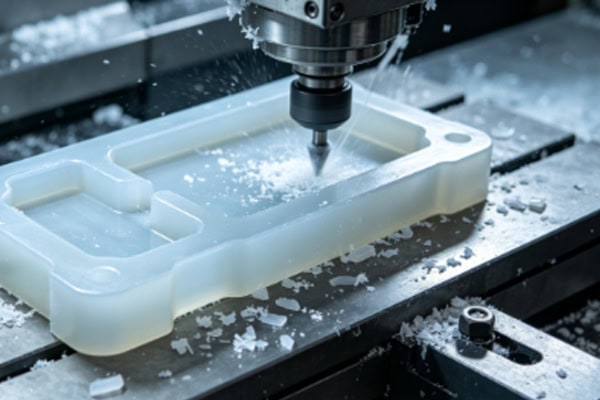
CNC machining is not simply “turning on the machine.” It requires programming, toolpath planning, and process segmentation. If the toolpath is inefficient, it may lead to excessive idle cutting, repeated machining, or frequent tool changes, wasting time. The more mature the process planning, the higher the machining efficiency and the lower the unit cost.
Workholding Methods Are Critical
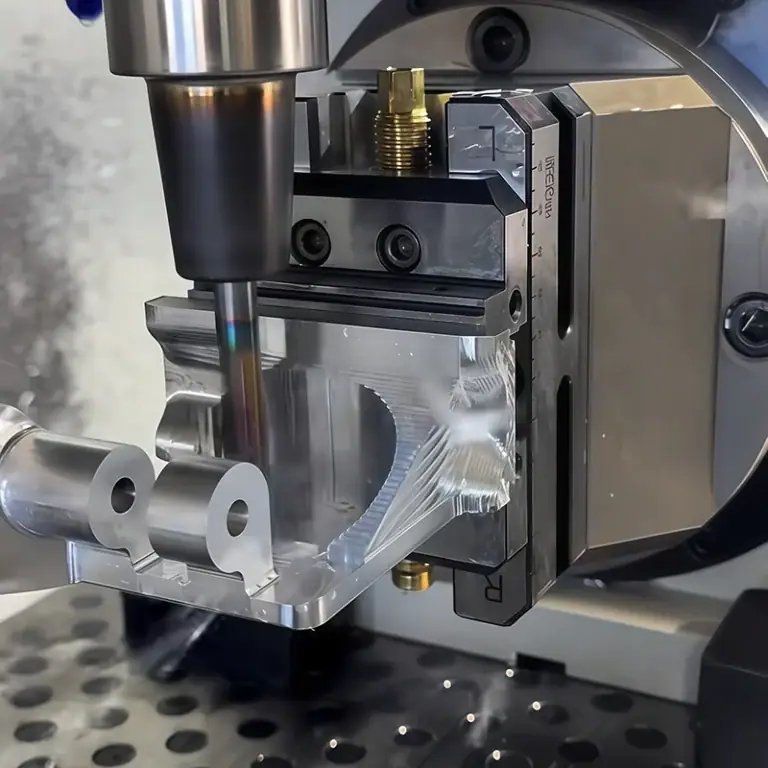
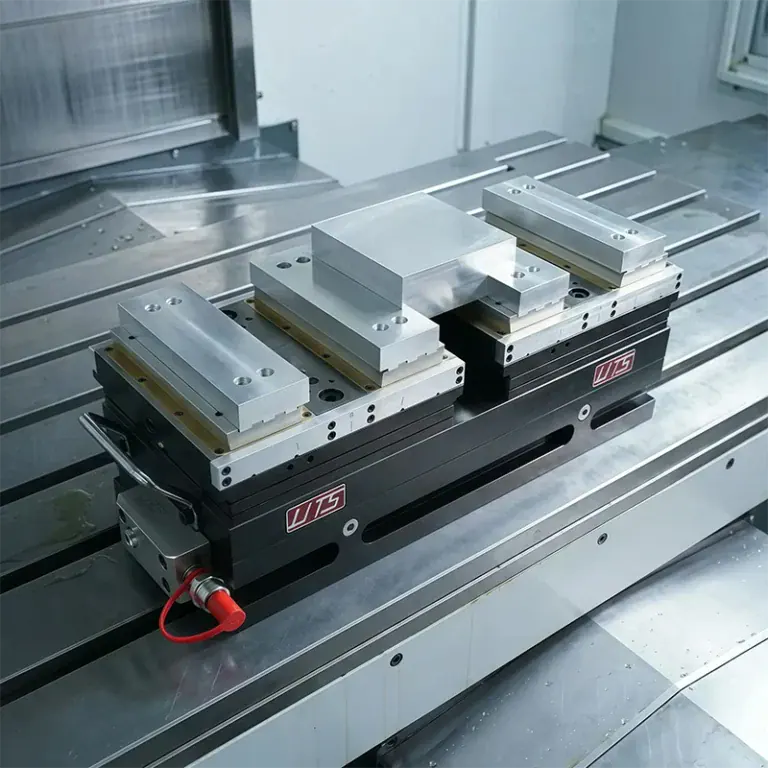
Plastic parts cannot usually be clamped as tightly as metal parts, as deformation may occur. If the fixture design is not proper, repeated adjustments may be needed, auxiliary positioning may be required, or deformation and rework may occur after machining. Clamping efficiency and stability directly affect labor time and yield rate.
Inspection and Rework Increase Total Cost
Plastic machining is particularly sensitive to thermal deformation, tool marks, burrs, and dimensional drift. If the first-pass yield is low, inspection and rework costs will increase significantly. For precision parts, rework is often more expensive than machining itself.
Factors That Create Cost Differences
Material Properties Determine Machining Difficulty
Different materials have significantly different cutting behaviors. POM is generally easier to machine with high efficiency and relatively low cost. PMMA requires high surface quality control, and improper machining can reduce yield. High-performance materials such as PEEK and PPS offer excellent properties but require higher standards for tools, parameters, and equipment, resulting in higher machining costs. The more sensitive the material, the higher the process control cost.
Higher Precision Requirements Mean Higher Cost
If a part only requires a rough shape, it can be machined quickly. However, if micron-level tolerances, precise hole alignment, or high flatness are required, slower cutting speeds, stricter inspection, and more compensation are needed. Higher precision means smaller machining allowances, higher failure risk, and therefore higher cost.
Surface Quality Requirements Add More Processes
For functional parts, minor tool marks may not matter. However, for cosmetic parts, transparent parts, or mating surfaces, finishing, deburring, polishing, or secondary processing is often required. These post-processing steps increase both labor and time costs.
Batch Size Determines Unit Price
For small batches, fixed costs such as programming, machine setup, and fixture preparation are distributed across fewer parts, resulting in higher unit prices. As batch size increases, fixed costs are spread out, and unit cost usually decreases. This is why prototyping and mass production quotes can differ significantly.
Equipment and Tooling Also Affect Pricing
High-precision machines, specialized tools, high-quality fixtures, and stable process systems require higher upfront investment but significantly improve yield and efficiency. More advanced equipment may lead to higher quotes, but also ensures more stable delivery quality.
How to Control Costs More Effectively?
Choosing the Right Material Is More Important Than Simply Cutting Price
If a product does not require special strength, heat resistance, or transparency, there is no need to choose high-cost materials. Proper material selection can reduce machining difficulty and material waste while still meeting functional requirements—often more effectively than simply negotiating lower prices.
Structural Optimization Can Directly Save Cost
Reducing deep cavities, thin walls, sharp corners, and complex undercuts can significantly reduce machining difficulty. In many cases, small design adjustments can reduce tool changes and multiple setups, resulting in substantial cost differences.
Standardized Processes Reduce Variability
For repeated production of similar parts, establishing standard tools, standard programs, and standard inspection procedures can significantly reduce trial-and-error costs. The more mature the process, the more stable the unit cost.
Early Prototyping Reduces Later Losses
Making small-batch prototypes in the early product development stage helps identify structural issues and machining risks in advance. This is usually more cost-effective than reworking problems after mass production begins. It follows the principle of “spend a little more early to save much more later.”
Main Factors Affecting CNC Plastic Machining Cost
Different materials lead to different costs: POM and ABS are easier to machine, while high-performance materials like PEEK and PPS are more expensive.
Higher structural complexity increases cost: deep cavities, thin walls, complex surfaces, and undercuts all increase machining time.
Tighter precision requirements increase cost: smaller tolerances require more inspection and slower processes.
Higher surface requirements increase post-processing: deburring, polishing, and trimming add labor.
Smaller batch sizes increase unit price: setup, programming, and fixtures are amortized over fewer parts.
Lower yield increases total cost: rework, scrap, and re-inspection all raise overall expenses.
Frequently Asked Questions
“Why do plastic parts that look similar have such large price differences?”
The reason is usually not how similar they look in terms of material, but how complex the machining process is. If a part requires high precision, excellent appearance, stable assembly, and consistent batch quality, it places higher demands on tooling, programming, fixtures, inspection, and post-processing. Conversely, if the part has a simple structure, moderate precision requirements, and larger quantities, the unit cost will be significantly lower. In essence, price differences reflect machining difficulty, not visual differences.
In conclusion
Whether the material is chosen correctly, whether the structure is well designed, and whether the process is mature all directly affect the final cost. If machining cost is viewed as a bill, material is only one part of it—the larger portions come from machining time, yield rate, clamping difficulty, and post-processing workload. Therefore, to control CNC plastic machining costs, one should not focus only on unit price, but optimize from the design stage. The more reasonable the structure, the more suitable the material, and the more stable the process, the easier it is to control costs.