As modern manufacturing continues to evolve towards higher precision, higher efficiency, and greater intelligence, balancing machining accuracy and production efficiency in CNC milling has become a critical concern for manufacturing enterprises. Accuracy and efficiency often influence each other. While high-speed machining can shorten production cycles, improper parameter control can lead to dimensional errors, decreased surface quality, and accelerated tool wear. Conversely, excessive pursuit of machining accuracy can increase machining time and manufacturing costs, impacting the overall production rhythm.
Choosing the Right Machining Equipment
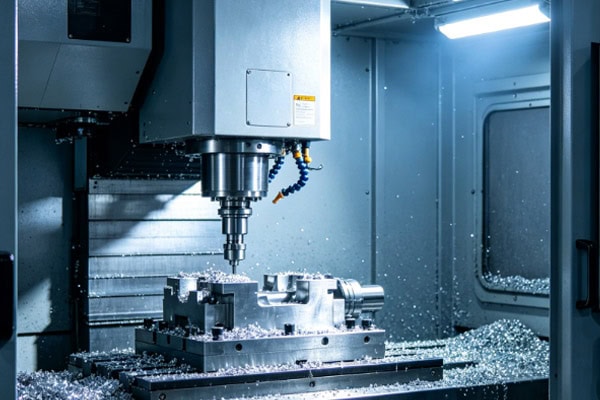
Stable equipment performance is a crucial foundation for balancing accuracy and efficiency. High-performance CNC equipment not only maintains stable machining accuracy but also preserves good cutting stability at high speeds. High-rigidity machine tools, high-speed spindles, and high-response servo systems all help reduce vibration and error issues while increasing machining speed. High-performance equipment can simultaneously improve machining stability and production efficiency.
Optimizing Cutting Parameters
Scientific parameter settings can reduce the conflict between efficiency and accuracy.
During CNC milling, spindle speed, feed rate, and depth of cut directly affect machining quality and production rhythm. Excessive cutting speed can lead to vibration and heat accumulation, while excessively low parameters reduce overall machining efficiency. Therefore, reasonable adjustments are necessary based on material properties and machining requirements.
The main roles of cutting parameter optimization in machining
Reasonable cutting parameters can enable the equipment to maintain higher processing efficiency.
- Improving material removal efficiency
- Reducing tool wear rate
- Reduce machining vibration and thermal deformation
- Enhancing surface quality stability
- Shortening the overall machining cycle
Reasonable parameter control enables a more stable and efficient machining process.
Using high-performance tools improves cutting stability
Tool performance directly affects machining efficiency and dimensional accuracy.
High-quality tools maintain a more stable cutting state, reducing tool wear and cutting deviation during high-speed machining.
The main advantages of high-performance tools in machining
Choosing the right cutting tool materials and coatings can improve heat resistance and service life.
- Improved high-speed cutting stability
- Reduced tool change frequency
- Improved machining quality of complex structures
- Reduce machining errors and surface defects
- Improved long-term continuous machining capability
Stable tool condition effectively improves overall machining quality.
Optimizing toolpaths reduces ineffective machining
Reasonable path planning can simultaneously improve efficiency and machining stability.In the machining of complex parts, the tool trajectory directly affects machining time and equipment load.
The main benefits of toolpath optimization include
Optimizing machining paths through a CAM system can reduce idle travel and sudden stops/turns, improving cutting continuity.
- Reducing wasted motion time
- Improving cutting continuity stability
- Reducing localized machining impact
- Improving the machining quality of complex surfaces
- Enhancing overall machining rhythm
Smooth machining paths improve equipment operational stability.
Strengthening cooling and temperature control
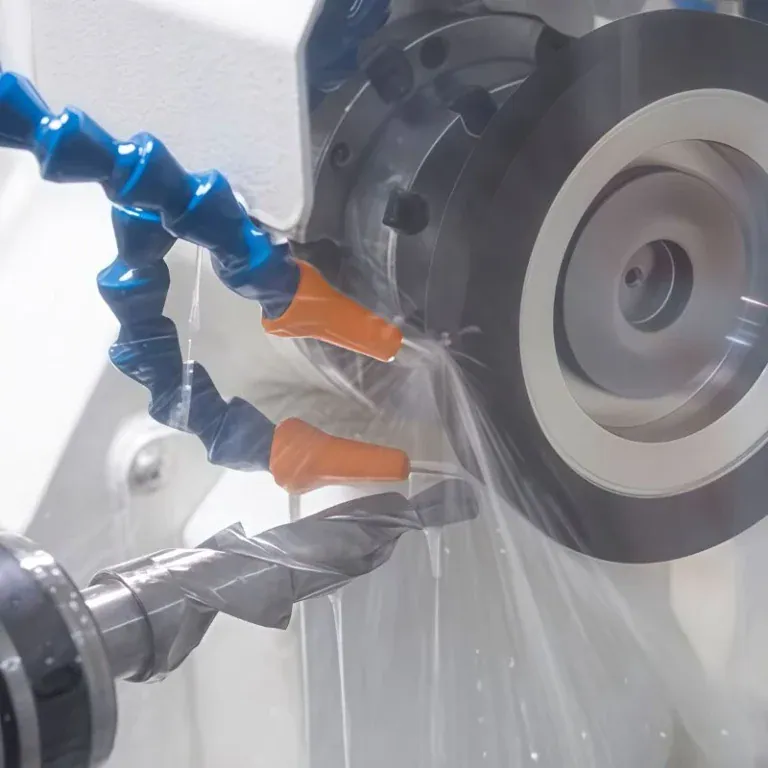
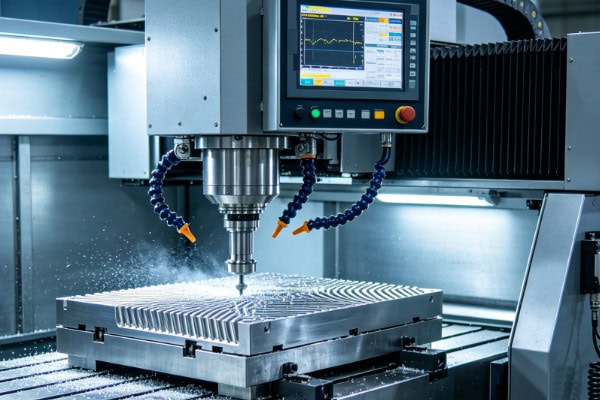
A stable temperature environment reduces machining errors.During high-speed machining, the cutting area generates a large amount of heat. Insufficient cooling can easily lead to tool wear and workpiece thermal deformation, affecting machining accuracy.
The main functions of a cooling system in machining are:
A stable cooling system is crucial for improving both machining quality and efficiency.
(1) Reducing the temperature of the cutting zone
Minimizing the impact of high temperatures on the tool and workpiece, maintaining stable cutting conditions.
(2) Reducing thermal expansion errors
Reducing dimensional deviations in the workpiece caused by temperature changes, improving machining accuracy.
(3) Extending tool life
Reducing tool wear due to high temperatures, minimizing downtime caused by frequent tool changes.
(4) Improving high-speed machining stability
Maintaining a more stable machining environment during high-speed cutting.
(5) Improving chip removal
Removing chips and heat promptly, reducing the impact of secondary cutting on the surface.
(6) Enhancing long-term continuous machining capabilities
Improving the stable operating efficiency of equipment in mass production.
(7) Reducing surface burns and deformation
Improving workpiece surface quality and overall appearance.
(8) Improving the reliability of machining complex structures
Maintaining more stable dimensional control in deep cavity and complex surface machining.
Good temperature control enhances overall machining stability.
Multi-axis machining reduces process changeovers
Multi-axis linkage technology improves the machining efficiency of complex parts.
Key advantages of multi-axis machining in production
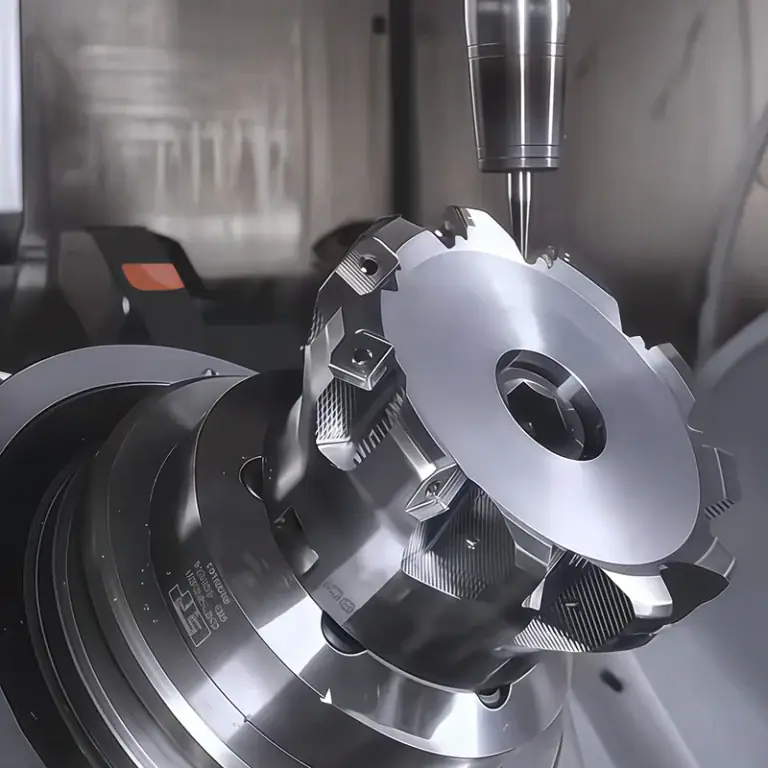
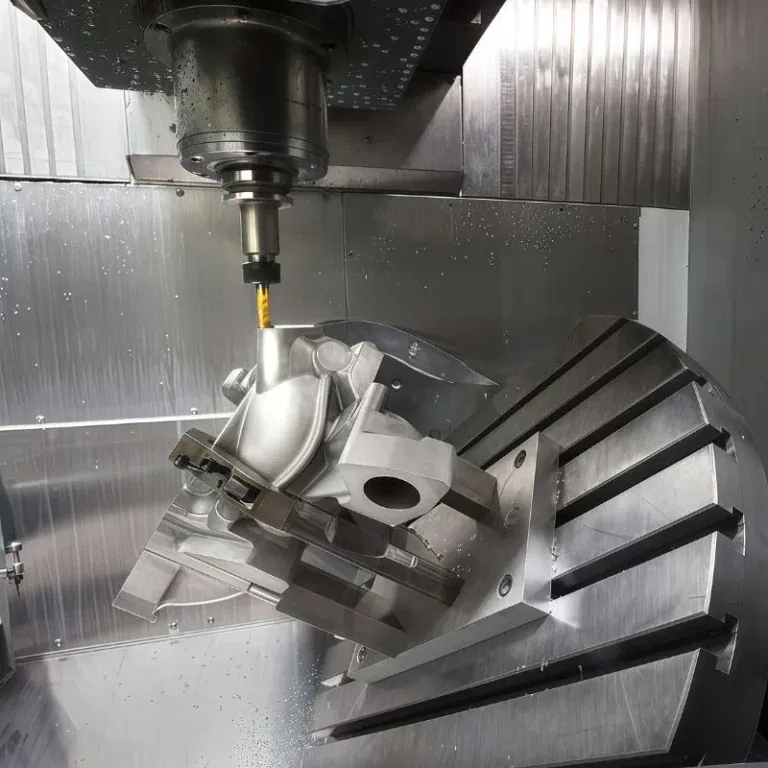
Compared to traditional multi-clamping machining methods, multi-axis equipment can complete machining at multiple angles in a single clamping, thereby reducing positioning errors and process changeover time, while improving the machining accuracy of complex structures.
- Reduced time spent on repeated clamping and positioning
- Improved machining capabilities for complex surfaces
- Reduced manual adjustment errors
- Enhanced batch machining consistency
- Shortened overall machining cycle time for complex parts
Multi-axis technology is driving the continuous development of high-precision and high-efficiency machining.
Establishing standardized machining processes
Standardized processes improve batch production stability.
Main roles of standardized processes in production
By unifying machining programs, tool configurations, and inspection standards, machining differences between different batches of products can be reduced, while improving overall production efficiency and quality stability.
- Improved batch machining consistency
- Shortened process adjustment time
- Reduced rework and scrap rates
- Improved production management efficiency
- Enhanced long-term stable production capabilities
Standardized production systems contribute to stable and efficient manufacturing.
Strengthening online inspection and error compensation
Intelligent inspection technology improves machining stability.
The main functions of the inspection and compensation system are
In modern CNC machining, online inspection systems can monitor tool status and workpiece dimensions in real time and reduce error accumulation through automatic compensation, improving machining consistency.
- Real-time correction of dimensional deviations
- Reduction of the impact of thermal deformation
- Improved machining accuracy of complex parts
- Reduced manual inspection time
- Enhanced batch production stability.
Intelligent compensation technology is improving the level of modern manufacturing.
Conclusion
In CNC milling, balancing accuracy and efficiency has become an important development direction for the modern manufacturing industry. Enterprises are no longer simply pursuing high-speed machining or extreme precision, but are paying more attention to overall machining stability and comprehensive manufacturing capabilities. By optimizing equipment performance, rationally adjusting process parameters, and strengthening intelligent control, production efficiency can be further improved while maintaining product quality, meeting the needs of modern industry for complex structures and batch production.