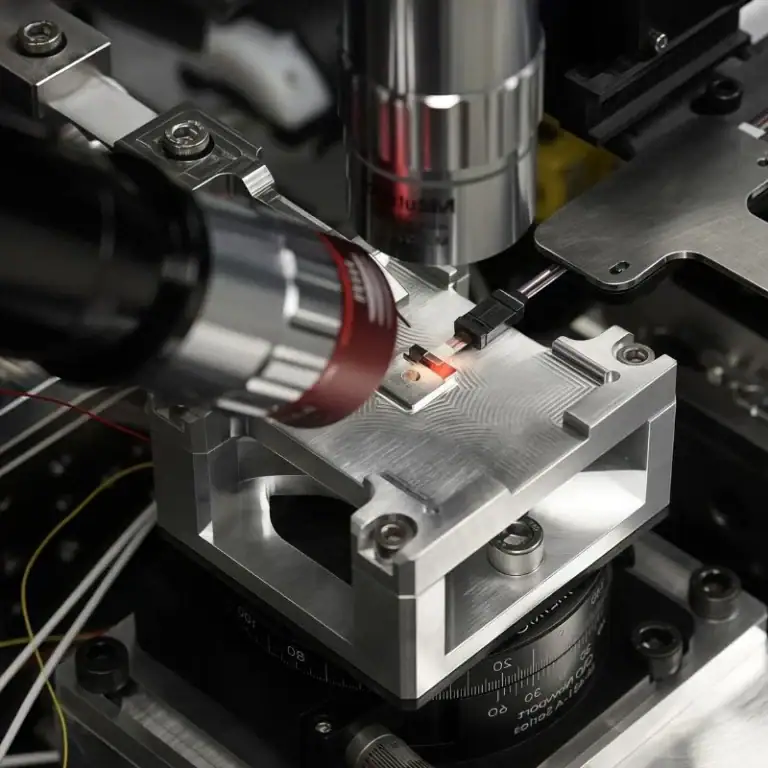
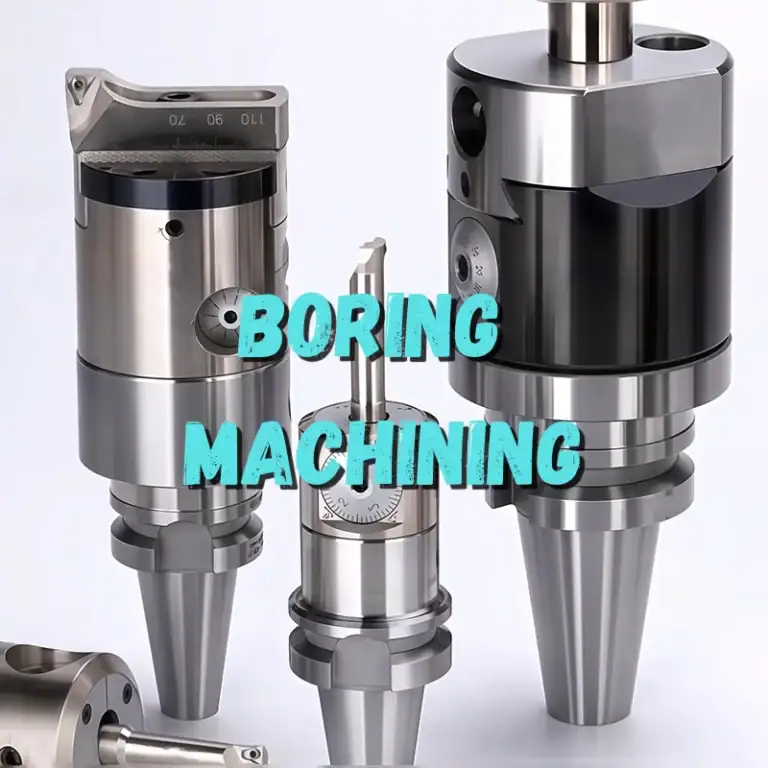
CNC machined components are precision parts produced by removing material from a solid workpiece with computer-controlled machine tools. These components are used across many industries because they can achieve accurate dimensions, repeatable quality, stable performance, and flexible customization.
In this guide, you will learn what CNC machined components are, how CNC machining works, what types of components can be produced, which materials are commonly used, and how to choose the right CNC machining solution for your project.
What Are CNC Machined Components?
CNC machined components are parts made through computer numerical control machining. In this process, a digital program controls the movement of cutting tools or workpieces to remove material and create the required part shape.
These components can be simple or complex. Some are basic plates, shafts, pins, and brackets, while others are precision housings, aerospace parts, medical device components, molds, or custom mechanical parts with tight tolerances.
CNC machined components are widely used because they can meet both functional and dimensional requirements. They are especially important when parts must fit accurately, move smoothly, resist load, or maintain stable performance during assembly and operation.
How Does CNC Machining Work?
CNC machining works by converting a part design into digital machining instructions. These instructions control tool movement, spindle speed, feed rate, cutting depth, and machining sequence.
The machine then removes material from the workpiece until the final component geometry is achieved. Depending on the part design, CNC machining may include milling, turning, drilling, boring, tapping, grinding, EDM, or laser cutting.
This process is widely used because it can produce both simple and complex parts with controlled accuracy.
Machining Principle
The basic principle of CNC machining is subtractive manufacturing. The process starts with a solid block, bar, plate, casting, forging, or tube, and removes unwanted material to form the final component.
Different CNC processes remove material in different ways. CNC milling uses rotating cutting tools. CNC turning rotates the workpiece. Drilling creates holes. Boring improves hole accuracy. EDM removes material through electrical discharge. Laser cutting uses focused energy to cut sheet materials.
Because CNC machining removes material directly from engineering materials, it can produce strong, functional parts with good mechanical properties.
CAD/CAM Programming
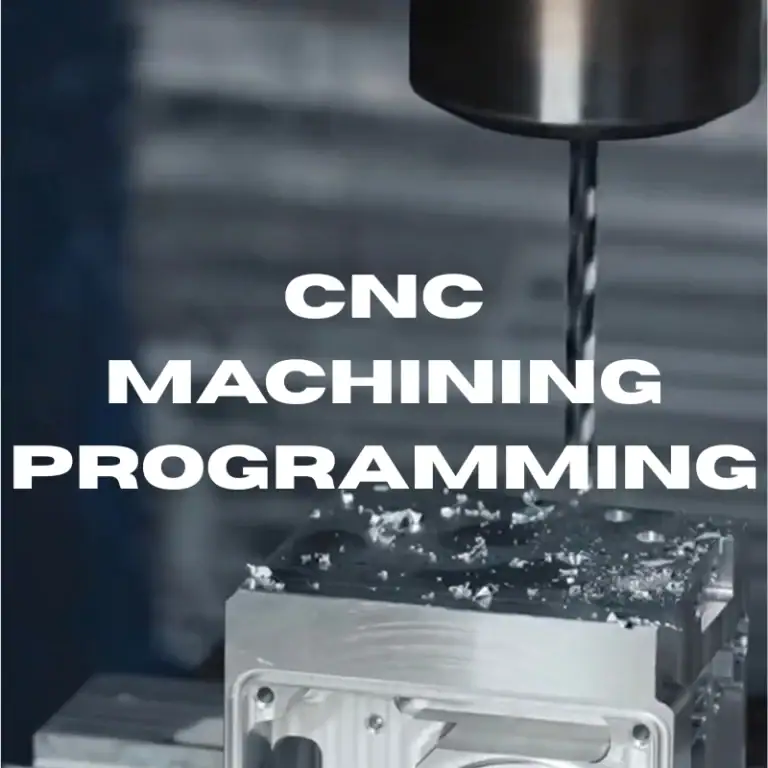
CAD/CAM programming is an important step in CNC machining. CAD software is used to create or review the component geometry. CAM software is then used to generate toolpaths, machining strategies, and machine instructions.
Good programming helps improve part accuracy, machining efficiency, and surface quality. It also helps reduce tool collision risks, unnecessary machining time, and manufacturing errors.
For complex components, programming decisions can strongly affect cost and quality. Toolpath strategy, cutting direction, tool selection, and setup sequence all influence the final result.
Machine Setup and Tooling
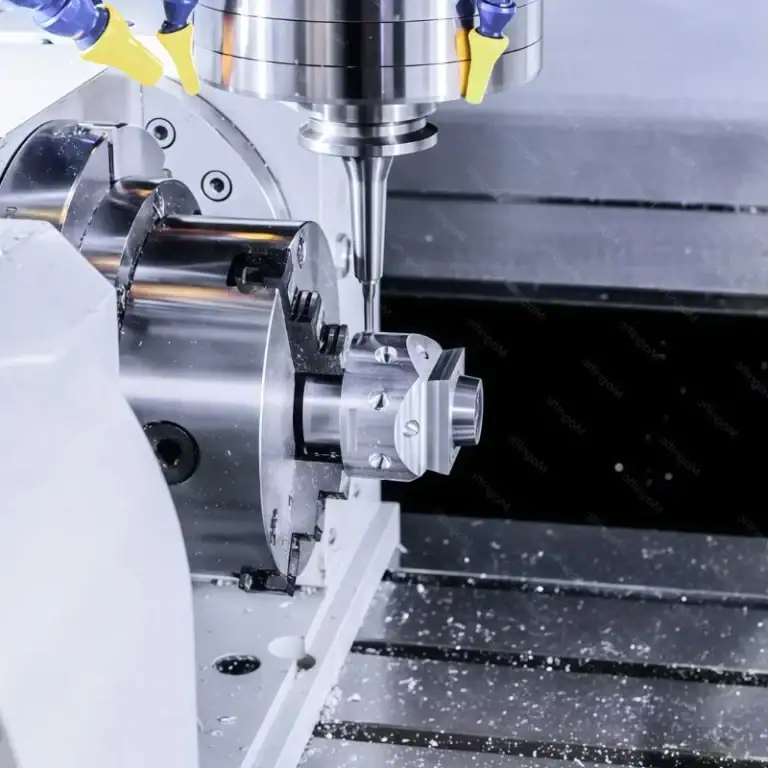
Machine setup includes workpiece clamping, tool installation, program loading, coordinate setting, and parameter adjustment. A stable setup is essential because even a good CNC program cannot produce accurate components if the workpiece is not held securely.
Tooling is also important. Different materials require different cutting tools, coatings, cutting speeds, and feed rates. For example, aluminum can usually be machined at higher speeds, while stainless steel and titanium often require more careful tool and heat control.
Proper setup and tooling help improve dimensional stability, surface finish, tool life, and production efficiency.
Typical CNC Machining Process
A typical CNC machining process includes several steps:
- Reviewing the drawing or 3D model
- Confirming material and tolerance requirements
- Planning the machining process
- Creating the CNC program
- Preparing tools and fixtures
- Setting up the machine
- Rough machining
- Finish machining
- Inspection and quality control
- Secondary finishing if required
Secondary operations may include deburring, polishing, anodizing, plating, passivation, painting, heat treatment, laser marking, or assembly.
Each step affects the final component quality. For precision parts, inspection is especially important because it confirms whether the finished part meets the drawing requirements.
What Are the Common Types of CNC Machined Components?
The common types of CNC machined components include milled components, turned components, drilled and bored components, EDM machined components, laser cut components, and custom precision components.
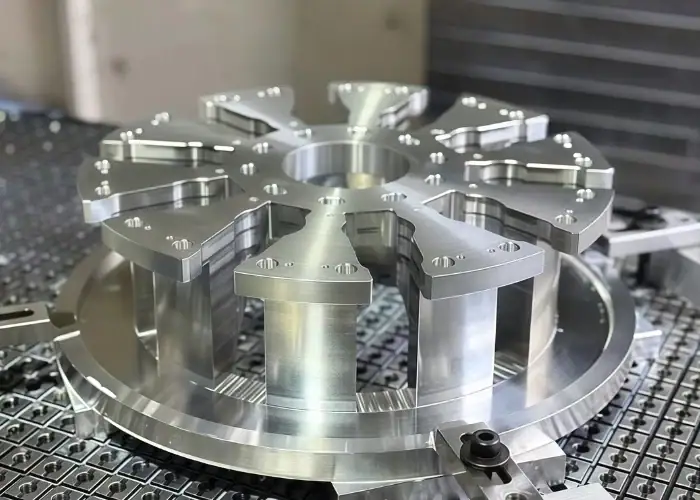
CNC Milling Components
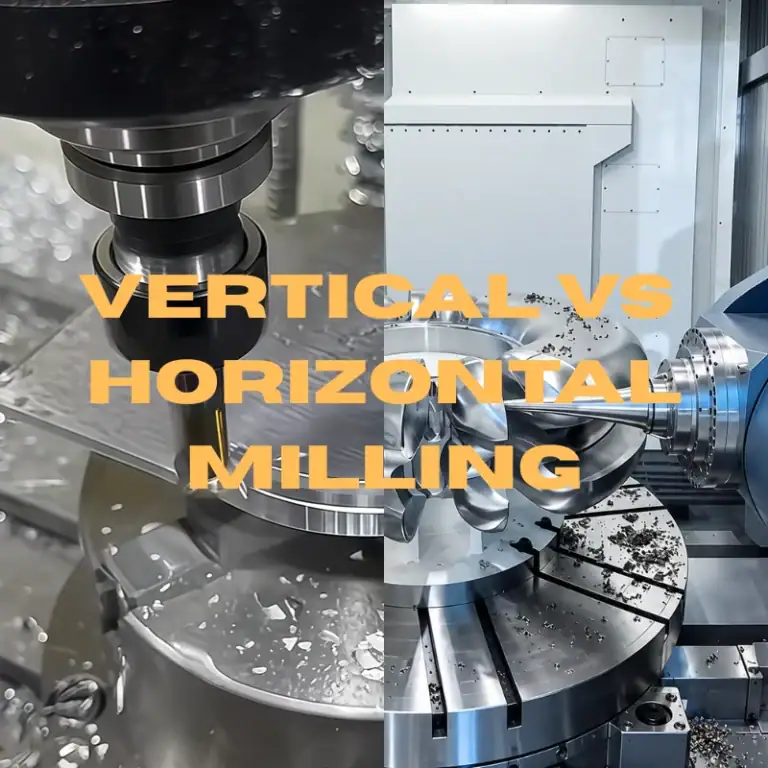
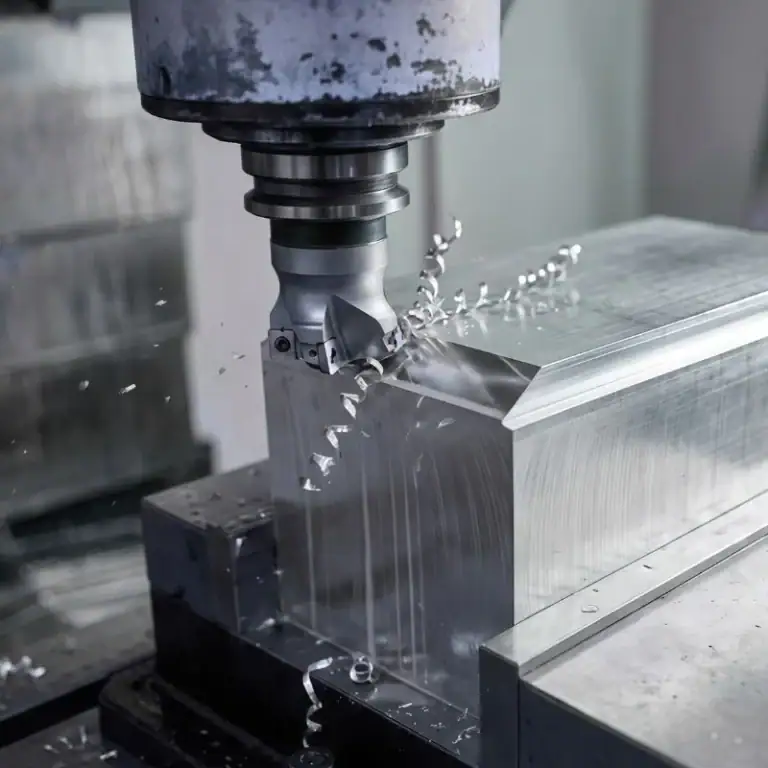
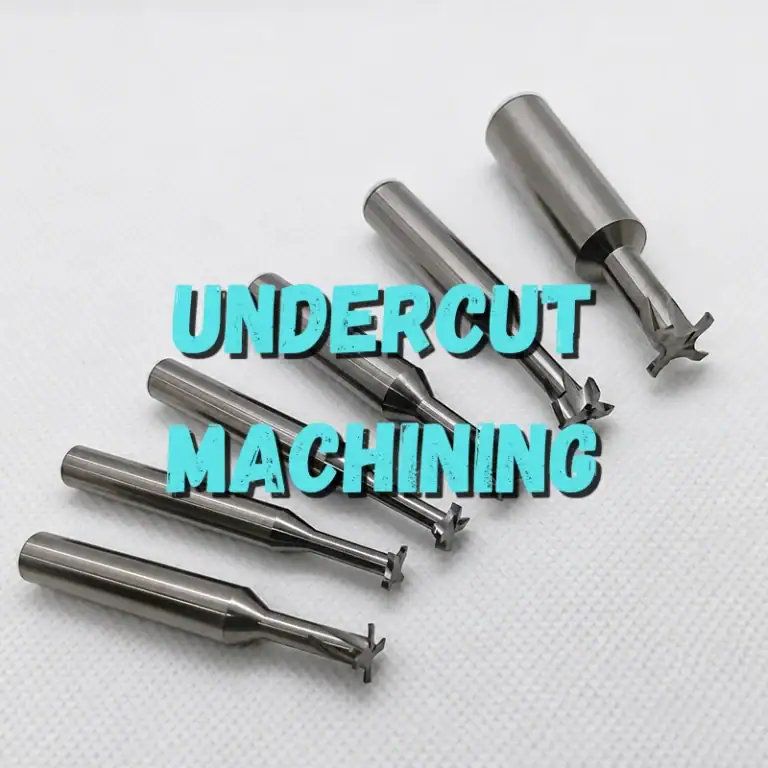
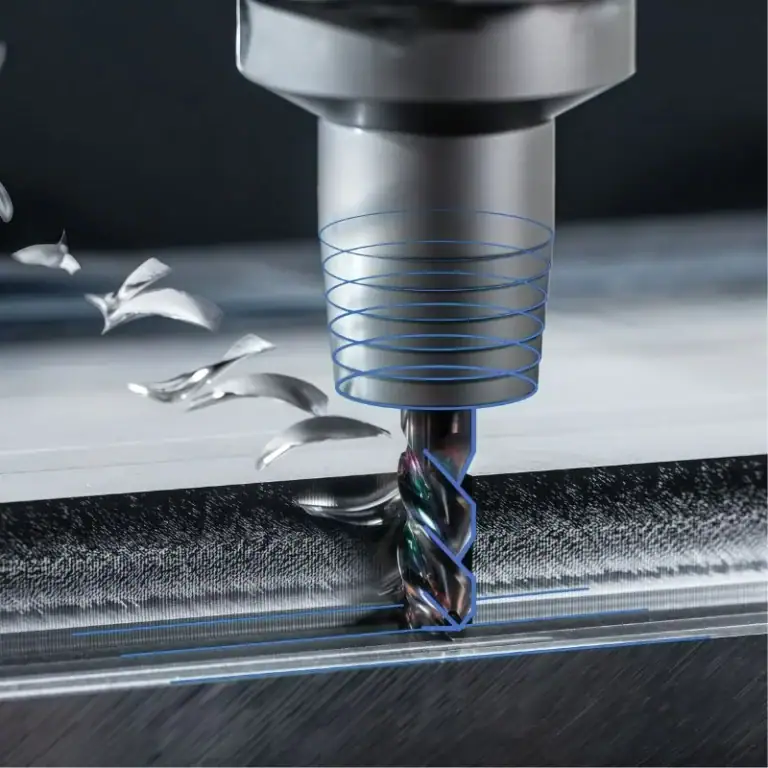
CNC milling components are made by removing material with rotating cutting tools. Milling is suitable for parts with flat surfaces, pockets, slots, contours, holes, and complex 3D profiles.
Common CNC milling components include brackets, housings, plates, fixtures, molds, heat sinks, covers, and structural parts. These parts often require precise surface features and accurate hole positions.
CNC milling is especially useful when a component has non-rotational geometry. It can also produce complex shapes that are difficult to create with turning alone.
CNC Turning Components
CNC turning components are made by rotating the workpiece while a cutting tool removes material. This process is best suited for parts with round, cylindrical, conical, or symmetrical shapes.
Common CNC turning components include shafts, pins, bushings, sleeves, spacers, collars, fittings, and threaded connectors.
CNC turning is often efficient for producing accurate diameters, bores, grooves, and threads. It is widely used when parts need good concentricity, smooth round surfaces, and stable repeatability.
Drilled and Bored Components
Drilled and bored components are parts that require accurate holes or internal diameters. Drilling creates the initial hole, while boring improves the hole size, roundness, straightness, and surface finish.
These components are common in engine blocks, hydraulic parts, valve bodies, mechanical assemblies, and industrial equipment.
Hole accuracy can directly affect assembly performance. For example, inaccurate holes may cause poor alignment, leakage, vibration, or premature wear. This is why drilling and boring are important processes in precision CNC machining.
EDM Machined Components
EDM machined components are produced through electrical discharge machining. This process uses controlled sparks to remove material from the workpiece.
EDM is useful for hard metals, complex cavities, sharp internal corners, thin slots, and detailed mold features. It is often used when traditional cutting tools cannot easily reach or machine the required shape.
Common EDM machined components include mold inserts, die components, precision cavities, tool parts, and complex metal features. EDM can produce fine details, but it is usually slower than conventional cutting, so it is often selected for special geometry or difficult materials.
Laser Cut Components
Laser cut components are made by using a focused laser beam to cut sheet materials or thin workpieces. Laser cutting is suitable for fast profile cutting, fine patterns, and clean edges.
Common laser cut components include sheet metal panels, covers, brackets, enclosures, decorative parts, and flat structural components.
Laser cutting is useful when the design requires flexible profiles, small slots, or fast turnaround. However, for thicker parts or components requiring tight 3D features, CNC milling or other machining processes may be more suitable.
Custom Precision Components
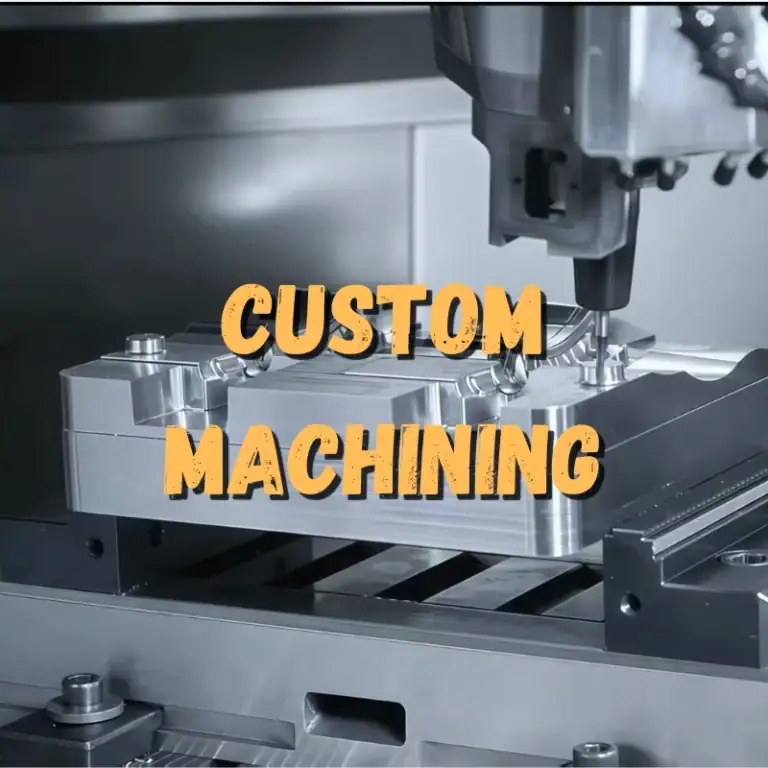
Custom precision components are parts made according to specific customer drawings, 3D models, tolerance requirements, materials, and application conditions.
These components are common in B2B manufacturing because many industries need non-standard parts for special equipment, prototypes, automation systems, medical devices, electronics, aerospace projects, and industrial machinery.
Custom CNC machined components may combine several processes, such as milling, turning, drilling, tapping, EDM, surface finishing, and inspection. The goal is to produce parts that meet both functional and manufacturing requirements.
What Materials Are Commonly Used for CNC Machined Components?
The most common materials for CNC machined components include metals, plastics, and composites. Each material type has different advantages in strength, weight, corrosion resistance, machinability, thermal stability, electrical properties, and cost.
Aluminum
Aluminum is one of the most popular CNC machining materials. It is lightweight, easy to machine, and suitable for many industrial applications.
Aluminum CNC machined components are commonly used in aerospace, automotive, electronics, robotics, medical equipment, and consumer products. They are often selected when weight reduction, fast machining, and good dimensional accuracy are important.
Aluminum can also support many surface finishes, such as anodizing, bead blasting, polishing, and painting. This makes it useful for both functional and appearance parts.
Stainless Steel
Stainless steel is used when corrosion resistance, strength, and durability are important. It is common in medical devices, food equipment, marine parts, industrial machinery, and outdoor components.
Stainless steel CNC machined components can perform well in environments where moisture, chemicals, or cleaning processes are present.
Compared with aluminum, stainless steel is usually more difficult to machine, but it provides better strength and corrosion resistance for demanding applications.
Steel
Steel is commonly used for components that need high strength, wear resistance, or load-bearing capability. It is suitable for shafts, gears, machine parts, tooling components, brackets, and industrial hardware.
Different steel grades can offer different balances of hardness, toughness, machinability, and heat treatment response.
Steel CNC machined components are often selected when the part must handle mechanical stress, impact, or long-term structural use.
Titanium
Titanium is used for high-performance CNC machined components that require low weight, high strength, corrosion resistance, and good temperature performance.
It is widely used in aerospace, medical, marine, and advanced industrial applications. Titanium is more difficult to machine than many other metals because of its strength, heat behavior, and tool wear challenges.
However, when performance is more important than machining cost, titanium can be an excellent material choice for critical precision components.
Engineering Plastics
Engineering plastics such as POM, Nylon, PTFE, PEEK, ABS, and PC are commonly used for CNC machined components.
POM is suitable for precision parts that need low friction and dimensional stability. Nylon offers toughness and wear resistance. PTFE is useful for chemical-resistant and low-friction parts. PEEK is used in high-performance applications that require strength, heat resistance, and chemical stability.
Engineering plastics are often selected when metal parts are too heavy, conductive, or costly for the application.
Composite Materials
Composite materials are used when components need high strength, low weight, corrosion resistance, or special mechanical properties.
Common composite materials include carbon fiber composites, glass fiber composites, and hybrid composites. These materials are often used in aerospace, automotive, marine, energy, and high-performance equipment.
Composite machining requires suitable tooling and dust control. Poor machining conditions may cause delamination, fiber pull-out, poor edge quality, or surface damage.
Quick Material Comparison
| Category | Material | Main Advantage | Common Uses |
| Metal | Aluminum | Lightweight and easy to machine | Aerospace, electronics, automotive |
| Metal | Stainless Steel | Corrosion resistance and strength | Medical, industrial, food equipment |
| Metal | Steel | High strength and durability | Machinery, tooling, structural parts |
| Metal | Titanium | High strength-to-weight ratio | Aerospace, medical, marine |
| Plastic | POM | Low friction and dimensional stability | Bushings, rollers, spacers |
| Plastic | Nylon | Toughness and wear resistance | Sleeves, guides, wear parts |
| Plastic | PTFE | Chemical resistance and low friction | Seals, rings, fluid parts |
| Plastic | PEEK | High temperature and mechanical performance | Aerospace, medical, semiconductor |
| Composite | Carbon Fiber Composite | Lightweight and high strength | Aerospace, automotive, energy |
What Are the Main Benefits of CNC Machined Components?
The main benefits of CNC machined components are precision, repeatability, efficiency, design flexibility, material versatility, and suitability for custom production.These advantages make CNC machining valuable for industries that need reliable parts with controlled dimensions and consistent quality.
High Precision
CNC machining can produce accurate dimensions, hole positions, flatness, roundness, and complex surface features.
This is important for parts that must fit into assemblies, support motion, seal properly, or maintain stable performance under load.
High precision CNC machined components are widely used in aerospace, medical devices, automotive systems, electronics, robotics, and industrial equipment.
High Repeatability
Once the CNC program and setup are confirmed, the same component can be produced repeatedly with consistent quality.
This repeatability is important for batch production and replacement parts. If each component has stable dimensions, assembly becomes easier and product performance becomes more predictable.
For manufacturers and buyers, repeatability also reduces the risk of rework, scrap, and inconsistent product quality.
Improved Production Efficiency
CNC machining improves production efficiency through automation, optimized toolpaths, and reduced manual operation.
A CNC machine can complete multiple features in one setup when the part design and machine capability allow it. This helps reduce handling time, setup error, and production delay.
For many custom parts, CNC machining provides a practical balance between speed, accuracy, and cost.
Greater Design Flexibility
CNC machining supports many different geometries, including flat surfaces, curved surfaces, pockets, holes, threads, grooves, slots, and complex 3D contours.
This gives engineers more freedom to design functional components without needing expensive molds or fixed tooling.
Design flexibility is especially useful in prototype development, product testing, custom equipment, and low-volume manufacturing.
Material Versatility
CNC machining can process a wide range of materials, including aluminum, stainless steel, steel, titanium, brass, copper, engineering plastics, and composites.
This makes it easier to match material properties to application needs. For example, aluminum can reduce weight, stainless steel can improve corrosion resistance, and PEEK can provide high-performance plastic properties.
Material versatility is one reason CNC machining is used across so many industries.
Suitable for Prototypes and Small Batch Production
CNC machining is highly suitable for prototypes and small batch production because it does not require expensive molds.
Parts can be made directly from CAD files, and design changes can be applied by modifying the program. This helps engineers test designs, improve structures, and validate product performance before larger production.
For companies developing new products, CNC machining can reduce development risk and shorten the time from design to physical part.
How Are CNC Machined Components Different from CNC Turned Parts?
CNC machined components are a broader category. CNC turned parts are one specific type of CNC machined component.CNC machining can include milling, turning, drilling, boring, EDM, laser cutting, and other processes. CNC turning mainly focuses on round or rotational components.
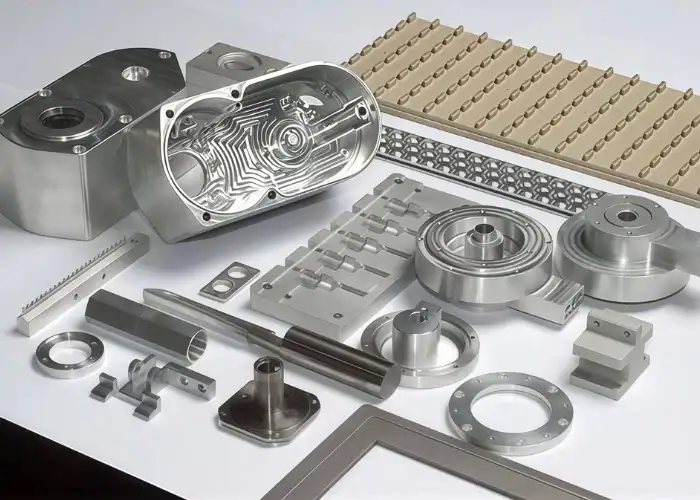
Machining Method
CNC machining can use different machine movements and cutting strategies. In CNC milling, the cutting tool rotates and removes material from the workpiece. In CNC turning, the workpiece rotates while the cutting tool shapes it.
Other CNC processes, such as drilling, boring, EDM, and laser cutting, are selected for specific features or materials.
The machining method should match the component design. A poor process choice can increase cost, reduce efficiency, or make the part harder to manufacture.
Suitable Part Geometry
CNC machined components can include flat, round, irregular, prismatic, or complex 3D shapes.
CNC turned parts are best for cylindrical and symmetrical parts, such as shafts, pins, bushings, spacers, sleeves, collars, and threaded parts.
If a part is mostly round, CNC turning is often the best starting point. If it includes pockets, slots, flat faces, or complex external shapes, CNC milling may be more suitable.
Structural Differences
CNC machined components may include many structural features, such as planes, holes, pockets, slots, threads, grooves, contours, and curved surfaces.
CNC turned parts usually focus on diameters, bores, shoulders, tapers, grooves, and threads around a central axis.
Some components include both types of features. In these cases, a manufacturer may use both milling and turning, or a mill-turn machine, to complete the part more efficiently.
Process Selection
The right process should be selected based on geometry, tolerance, material, surface finish, production volume, and cost target.
For example, a simple round shaft may be best made by CNC turning. A flat aluminum housing with pockets and threaded holes may be better suited to CNC milling. A hardened mold insert with complex internal corners may require EDM.
Good process selection helps improve quality, reduce cycle time, and control manufacturing cost.
Where Are CNC Machined Components Commonly Used?
CNC machined components are used in many industries because they can meet different requirements for precision, strength, weight, surface finish, and reliability.They are especially common in industries where component failure can affect product safety, assembly quality, or system performance.
Aerospace Industry
The aerospace industry uses CNC machined components for structural parts, brackets, engine-related components, fittings, housings, and lightweight precision parts.
These components often require tight tolerances, strong materials, and reliable inspection. Materials such as aluminum, titanium, stainless steel, and high-performance alloys are common.
CNC machining supports aerospace manufacturing because it can produce complex, lightweight, and high-precision components with stable quality.
Automotive Industry
The automotive industry uses CNC machined components for engine parts, transmission components, suspension parts, prototypes, housings, connectors, and testing fixtures.
CNC machining is valuable in automotive projects because it supports both product development and repeat production.
For new vehicle development, CNC machining can quickly produce functional prototypes. For production parts, it helps maintain dimensional consistency and mechanical reliability.
Electronics Industry
In electronics, CNC machined components are used for enclosures, heat sinks, connectors, frames, precision housings, and internal support parts.
Aluminum is commonly used for electronic housings and heat dissipation parts. Brass and copper may be used for conductive components. Engineering plastics may be selected for insulation or lightweight structures.
CNC machining helps electronics manufacturers achieve precise fit, clean appearance, and stable part quality.
Medical Device Industry
Medical device manufacturers use CNC machined components for surgical instruments, diagnostic equipment, dental parts, implant-related components, and precision housings.
These parts often require high accuracy, smooth surfaces, clean machining, and strict quality control.
Material selection is also important in medical applications. Stainless steel, titanium, aluminum, and certain engineering plastics are commonly used depending on function and regulatory requirements.
Industrial Equipment
Industrial equipment uses CNC machined components for shafts, plates, fixtures, machine frames, gears, valves, fittings, and motion control parts.
These components often need strength, wear resistance, and long-term dimensional stability.
Reliable CNC machining helps improve equipment performance, reduce assembly issues, and extend service life.
How Can You Choose the Right CNC Machined Components?
Choosing the right CNC machined components requires balancing part function, manufacturability, tolerance, material, surface finish, quantity, and cost.A good component design should meet performance needs without adding unnecessary machining difficulty.
Part Geometry
Part geometry is one of the most important factors. Round parts are usually suitable for CNC turning, while parts with flat faces, pockets, and complex contours are usually better for CNC milling.
For complex parts, multi-axis machining may reduce setups and improve accuracy. However, it may also increase programming and machine costs.
The best choice depends on the shape and functional features of the component.
Tolerance Requirements
Tolerance requirements directly affect machining cost and inspection difficulty.
Tighter tolerances may require more stable machines, better fixtures, slower cutting, extra finishing, and more detailed inspection.
Not every feature needs the same tolerance. To control cost, critical dimensions should have clear tolerance requirements, while non-critical features can use general tolerances.
Material Requirements
Material should be selected based on strength, weight, corrosion resistance, wear resistance, temperature resistance, electrical properties, and cost.
For example, aluminum is a good option for lightweight components. Stainless steel is suitable for corrosion-resistant parts. Steel is useful for load-bearing components. Titanium is selected for high-performance applications. Engineering plastics are useful when insulation, low friction, or reduced weight is needed.
A good supplier can also help evaluate whether the selected material is practical for machining.
Surface Finish Requirements
Surface finish affects appearance, friction, sealing, corrosion resistance, and assembly performance.
Some components only need an as-machined surface. Others may require anodizing, polishing, plating, painting, passivation, bead blasting, or heat treatment.
The surface finish should be selected according to the part’s working environment and visual requirements.
Production Volume and Cost
Production volume affects the best machining strategy. For prototypes and small batches, CNC machining is often cost-effective because it avoids mold investment.
For repeat production, the supplier may optimize tooling, fixtures, and machining sequences to reduce cycle time and unit cost.
Cost should be evaluated together with quality, lead time, material, finishing, and inspection requirements.
How Do You Choose a Reliable CNC Machined Components Supplier?
A reliable CNC machined components supplier should provide machining experience, material capability, quality control, delivery stability, and engineering support.The right supplier does more than make parts. They help identify manufacturability risks, improve design efficiency, and reduce production problems.
Machining Experience
The supplier should have experience with similar parts, materials, tolerances, and applications.
Machining experience helps improve process planning, tool selection, fixture design, and problem solving. This is especially important for complex parts, tight tolerances, difficult materials, or custom precision components.
An experienced supplier can usually provide better suggestions before production begins.
Quality Control
Quality control is essential for CNC machined components. A reliable supplier should have inspection equipment and procedures to check dimensions, surface finish, material, and final part quality.
Common inspection tools may include calipers, micrometers, height gauges, thread gauges, surface roughness testers, optical inspection equipment, and CMM systems.
Good quality control helps reduce defects, improve consistency, and support long-term sourcing reliability.
Material Capability
The supplier should be able to machine the materials required for your application.
Common CNC machining materials include aluminum, stainless steel, steel, titanium, brass, copper, POM, Nylon, PTFE, PEEK, and composites.
Material capability is important because different materials require different tools, cutting parameters, finishing methods, and inspection considerations.
Delivery Capability
Delivery capability affects project planning and supply chain stability. A reliable supplier should provide realistic lead times and maintain clear communication during production.
Fast delivery is useful, but unrealistic delivery promises can create quality or scheduling risks.
A good supplier should balance speed, accuracy, inspection, and production capacity.
Engineering Support
Engineering support helps improve manufacturability and reduce unnecessary cost.
A supplier with strong engineering support can review drawings, identify difficult features, suggest tolerance adjustments, recommend materials, and improve machining strategy.
This support is especially valuable for prototypes, new product development, and custom parts.
Supplier Checklist
Before choosing a CNC machined components supplier, check whether the supplier can provide:
- Experience with similar components
- Material and finishing options
- Clear tolerance capability
- Reliable inspection process
- Stable lead time
- Engineering support
- Responsive quotation process
- Quality documents if required
This checklist can help buyers avoid choosing a supplier based only on price.
Why Are CNC Machined Components Important in Modern Manufacturing?
CNC machined components are important because modern manufacturing requires higher precision, faster development, more customization, and more flexible production.Many products depend on accurately machined parts to ensure assembly quality, mechanical performance, and long-term reliability.
Rising Precision Requirements
Modern products are becoming more compact, complex, and performance-driven. This increases the demand for tighter tolerances and better dimensional control.
CNC machining helps meet these requirements through programmed toolpaths, stable machine movement, and controlled inspection.
This is especially important in aerospace, medical devices, electronics, automotive systems, and precision industrial equipment.
Growing Demand for Custom Parts
Many companies now need custom components for special equipment, prototypes, automation systems, and product upgrades.
CNC machining supports this demand because it can produce custom parts without mold investment. It also allows flexible design changes and material choices.
This makes CNC machining valuable for B2B manufacturing and custom part sourcing.
Faster Product Development
CNC machining helps engineers quickly turn digital designs into physical parts.
This allows teams to test fit, verify function, evaluate materials, and improve designs before moving to production.
For product development, this can reduce risk and shorten the time from concept to market.
More Flexible Production
CNC machining supports prototypes, small batches, and repeat production. It can also process many different materials and part geometries.
This flexibility is important for companies that need stable quality but do not always need mass production volumes.
As manufacturing becomes more customized and time-sensitive, CNC machined components will continue to play an important role.
FAQs
What Are Examples Of CNC Machined Components?
Common examples of CNC machined components include brackets, housings, shafts, bushings, pins, plates, molds, fittings, connectors, engine parts, medical device parts, electronic enclosures, and industrial machine parts. These components can be produced through CNC milling, turning, drilling, boring, EDM, laser cutting, or a combination of different machining processes.
What Materials Are Best For CNC Machined Components?
The best material depends on the application. Aluminum is suitable for lightweight parts and fast machining, stainless steel is suitable for corrosion resistance, steel is used for strength and durability, and titanium is selected for high-performance and lightweight applications. Engineering plastics such as POM, Nylon, PTFE, and PEEK are useful when low weight, insulation, chemical resistance, or low friction is needed.
What Tolerances Can CNC Machined Components Achieve?
Typical CNC machining tolerances can range from around ±0.01 mm to ±0.05 mm, depending on the material, part geometry, machine capability, setup quality, and inspection requirements. Tighter tolerances may be possible for precision components, but they usually increase machining difficulty, inspection time, lead time, and cost.
Are CNC Machined Components Suitable For Prototypes?
Yes, CNC machined components are very suitable for prototypes. CNC machining does not require expensive molds, and parts can be made directly from CAD files, making it useful for design verification, functional testing, engineering samples, and small batch production before larger manufacturing decisions are made.
Conclusion
CNC machined components help manufacturers balance precision, repeatability, material flexibility, and design freedom across a wide range of applications. The right CNC machining solution depends on factors such as part geometry, material selection, tolerance requirements, surface finish, production volume, and overall project needs.
At TiRapid, we provide precision CNC machining and manufacturing services for custom components across multiple industries. Upload your design to get a tailored solution for your manufacturing project.