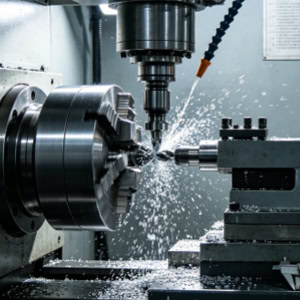
Tirapid

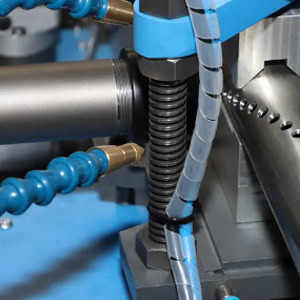
CNC turning stage

What Are the Stages of CNC Turning Machining?

CNC turning is a core process in modern precision manufacturing. It uses computer numerical control systems to precisely control tool paths and spindle movement, enabling high-efficiency and high-accuracy machining of rotational parts. The entire process consists of multiple tightly connected stages, forming a complete workflow from preparation to final delivery. Each stage directly affects dimensional

What Are the Stages of CNC Turning Machining? Read More »
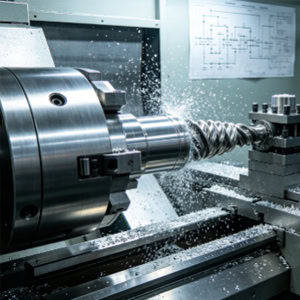
Main applications of CNC turning

What Are the Main Applications of CNC Turning?

CNC turning technology uses computer numerical control systems to precisely manage tool paths and spindle movements, enabling stable machining of various rotational parts. With the continuous development of modern manufacturing, CNC turning has been widely applied in mechanical engineering, automotive industry, aerospace, medical devices, and precision electronics. Different industries require different levels of accuracy, surface

What Are the Main Applications of CNC Turning? Read More »

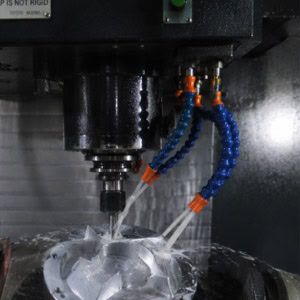
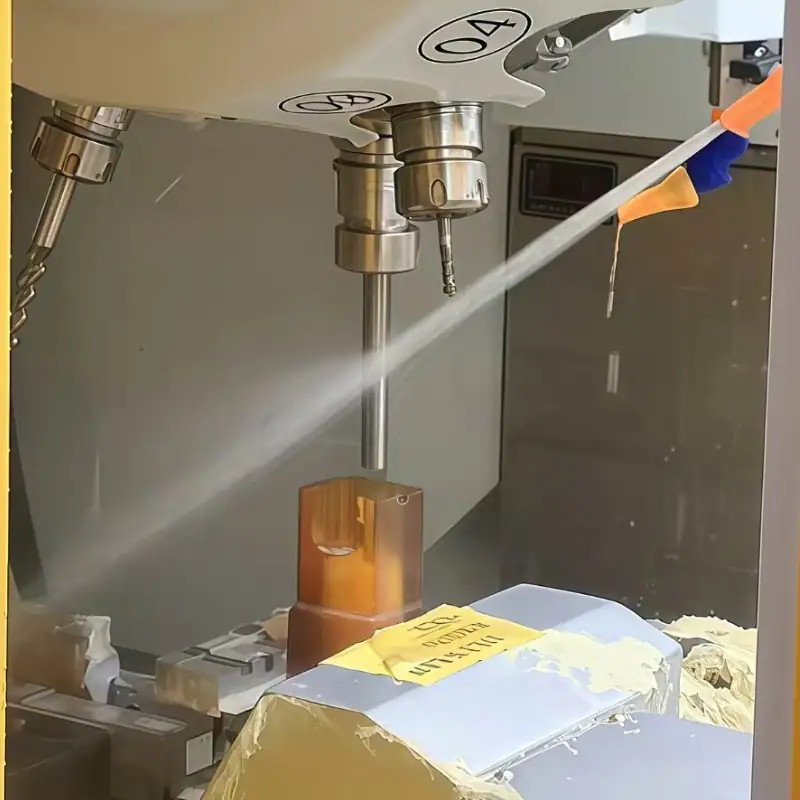
Precision milling images from CNC machining centers.

How can CNC milling improve the surface quality of complex parts?

In modern manufacturing, the application range of complex parts continues to expand. From aerospace structural components and automotive parts to medical devices and electronic product housings, more products are demanding higher surface quality standards. Excellent surface quality not only affects product appearance but also influences assembly accuracy, friction performance, corrosion resistance, and the effectiveness of

How can CNC milling improve the surface quality of complex parts? Read More »

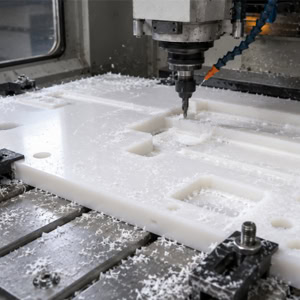
CNC processing site for plastic sheets

Why Are Plastic Sheets Suitable for CNC Machining?

In modern manufacturing, plastic materials are widely used in electronic equipment, medical devices, automation equipment, the semiconductor industry, food processing machinery, aerospace, and many other fields. As product structures become increasingly complex and precision requirements continue to rise, traditional manual machining methods can no longer meet the demands of modern industrial production. CNC machining technology,

Why Are Plastic Sheets Suitable for CNC Machining? Read More »

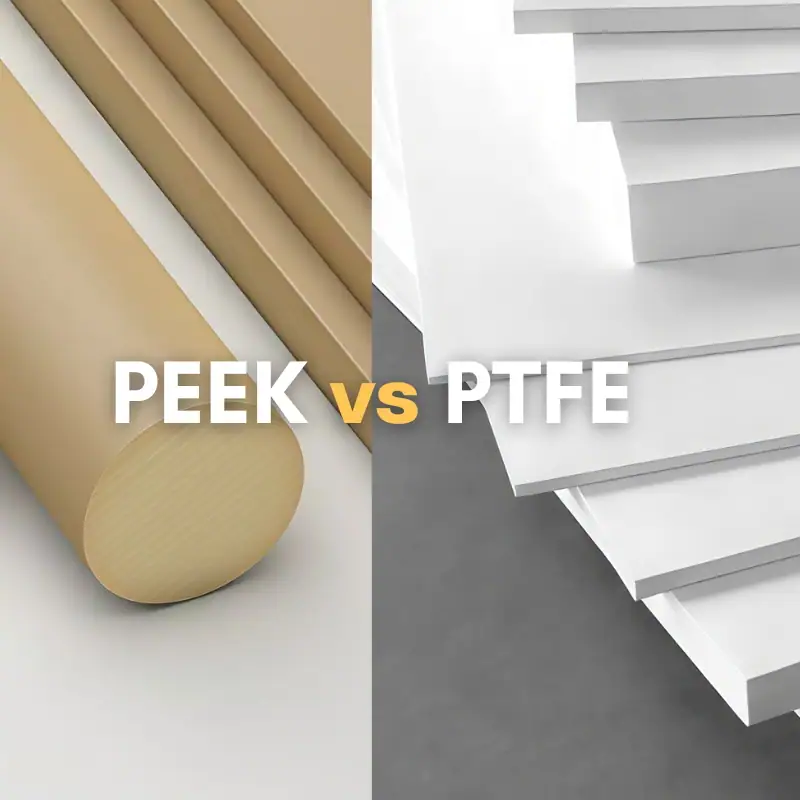
PEEK vs PTFE raw materials for high-performance plastic comparison and CNC machining selection

PEEK vs PTFE: Key Differences, Properties, and Best Applications

PEEK vs PTFE is a common material comparison because both plastics are used in demanding engineering environments, but they solve different problems. PEEK is usually selected for strength, stiffness, wear resistance, and dimensional stability, while PTFE is chosen for chemical resistance, low friction, electrical insulation, and sealing performance. In this guide, we compare PEEK vs

PEEK vs PTFE: Key Differences, Properties, and Best Applications Read More »

Metal manufacturing

How Does Precision Machining Ensure Dimensional Accuracy?

In modern manufacturing, dimensional accuracy directly affects assembly quality, product performance, and service life. This is especially true in industries such as aerospace, medical devices, automotive components, and electronics, where parts often require extremely tight tolerances and high consistency. Achieving stable high-precision machining depends not only on advanced equipment but also on the coordinated optimization

How Does Precision Machining Ensure Dimensional Accuracy? Read More »

CNC machining of metal parts

How to Improve Surface Finish in Precision Machining?

In modern manufacturing, surface finish plays a critical role in determining the performance, durability, and appearance of a component. Whether in aerospace applications, automotive powertrain systems, or precision medical devices, surface roughness can directly affect product reliability and functionality. By optimizing machining processes, selecting appropriate materials and cutting tools, and implementing advanced measurement and finishing

How to Improve Surface Finish in Precision Machining? Read More »

Blue PEI engineering plastic pellets for colored PEI resin material applications

What Is PEI Material? Properties, Uses, and Machining Guide

PEI material is widely used in aerospace, electronics, medical, and semiconductor industries because of its high heat resistance, dimensional stability, flame resistance, and electrical insulation properties. Compared with standard engineering plastics, PEI performs more reliably in demanding thermal and mechanical environments. However, PEI is not suitable for every application. Its higher material cost, machining difficulty,

What Is PEI Material? Properties, Uses, and Machining Guide Read More »

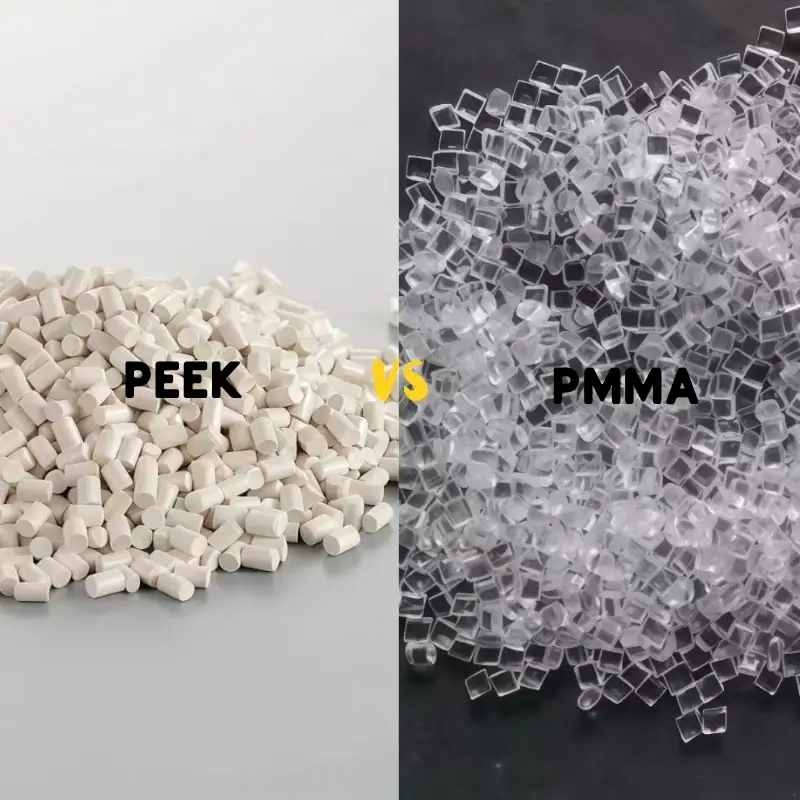
PEEK vs PMMA plastic pellets for comparing strength, transparency, and machining applications

PEEK vs PMMA: Key Differences, Properties, and Uses

PEEK and PMMA are both engineering plastics, but they are used for very different purposes. PEEK is known for its high strength, heat resistance, chemical resistance, and long-term durability, while PMMA is valued for its excellent transparency, smooth appearance, lower cost, and good optical performance. Understanding peek vs pmma helps engineers and buyers choose the right

PEEK vs PMMA: Key Differences, Properties, and Uses Read More »

Polysulfone PSU raw material pellets for high-performance plastic manufacturing

What Is Polysulfone? Properties, Benefits, and Applications

Polysulfone is a high-performance engineering plastic known for its heat resistance, chemical stability, mechanical strength, and long-term dimensional reliability. Compared with many general plastics, PSU can maintain stable performance in more demanding environments, making it a practical choice for precision parts that need durability and safety. In this guide, we will explain what is polysulfone,

What Is Polysulfone? Properties, Benefits, and Applications Read More »

Scroll to Top
Simplified Table

To ensure successful upload, please compress all files into one .zip or .rar file before uploading.
Upload CAD files (.igs | .x_t | .prt | .sldprt | .CATPart | .stp | .step | .pdf).