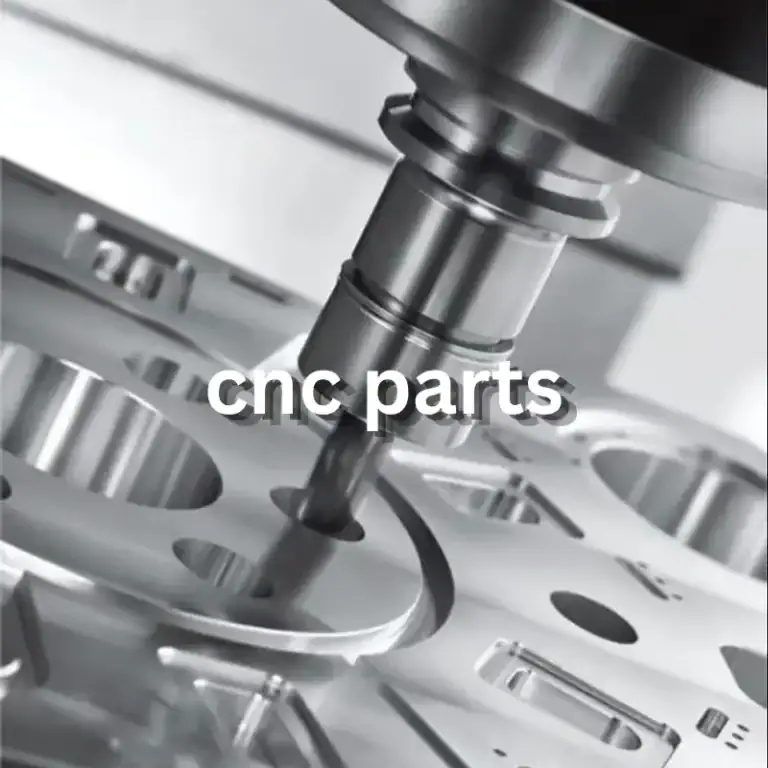
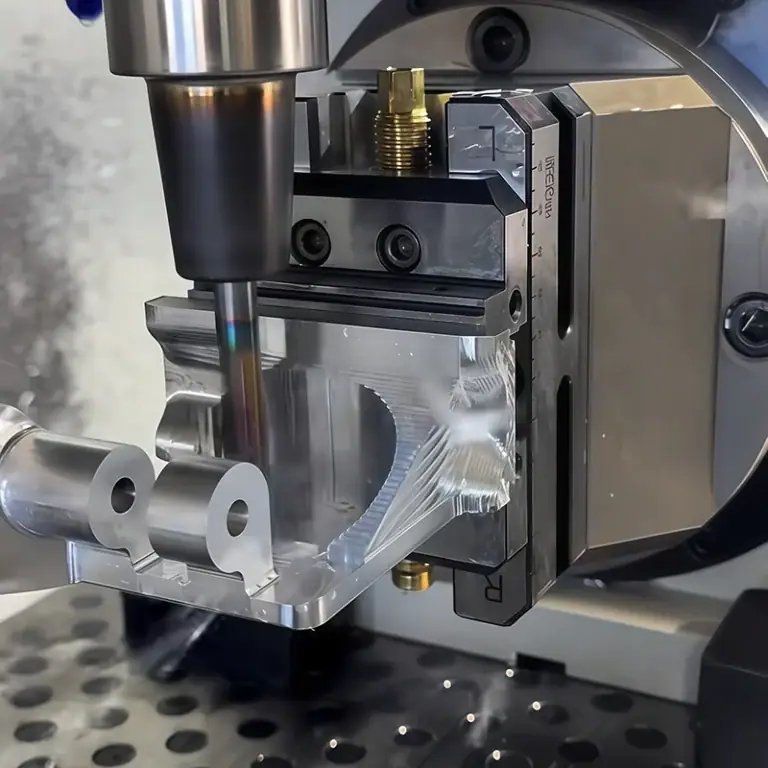
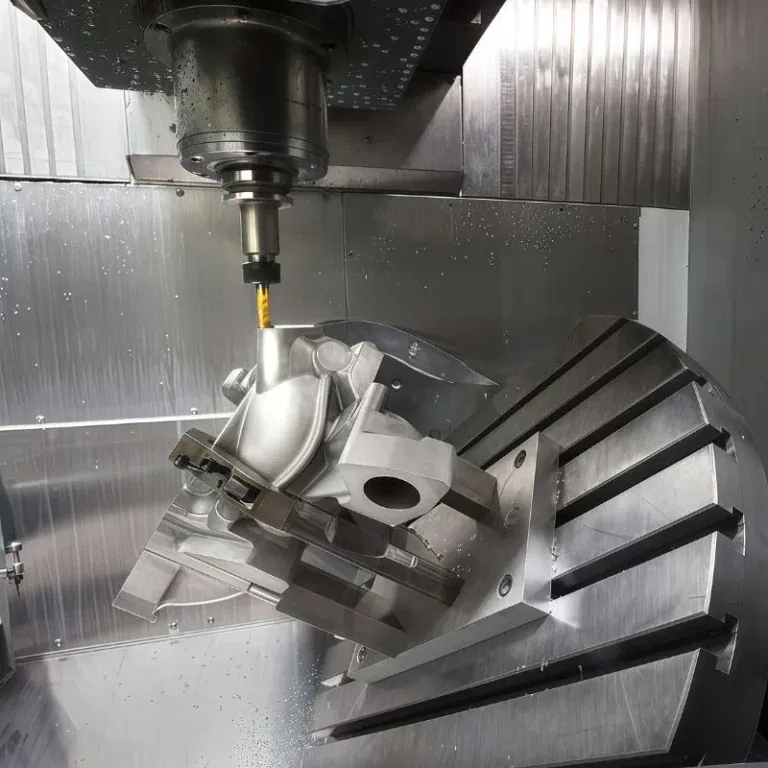
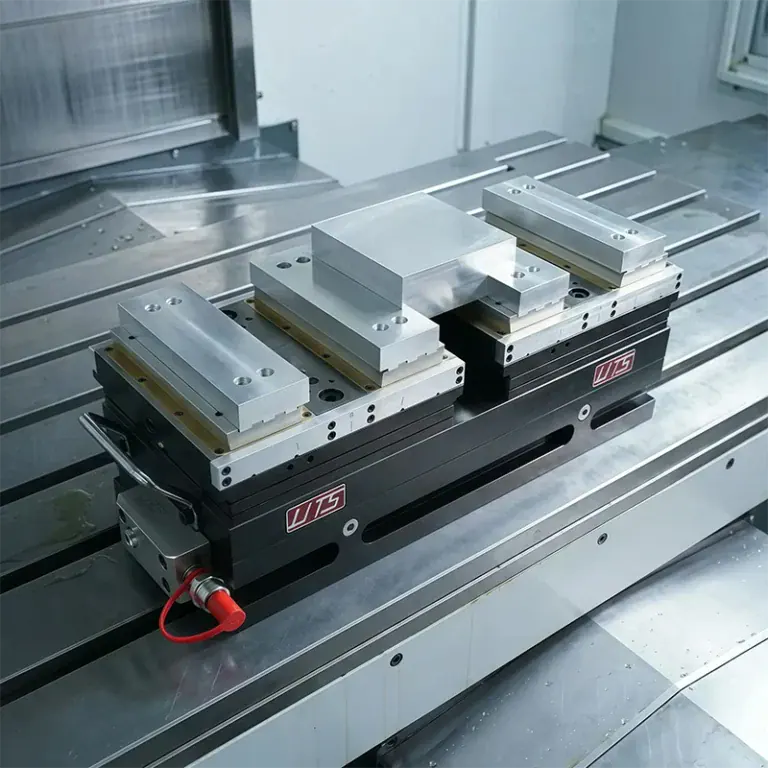
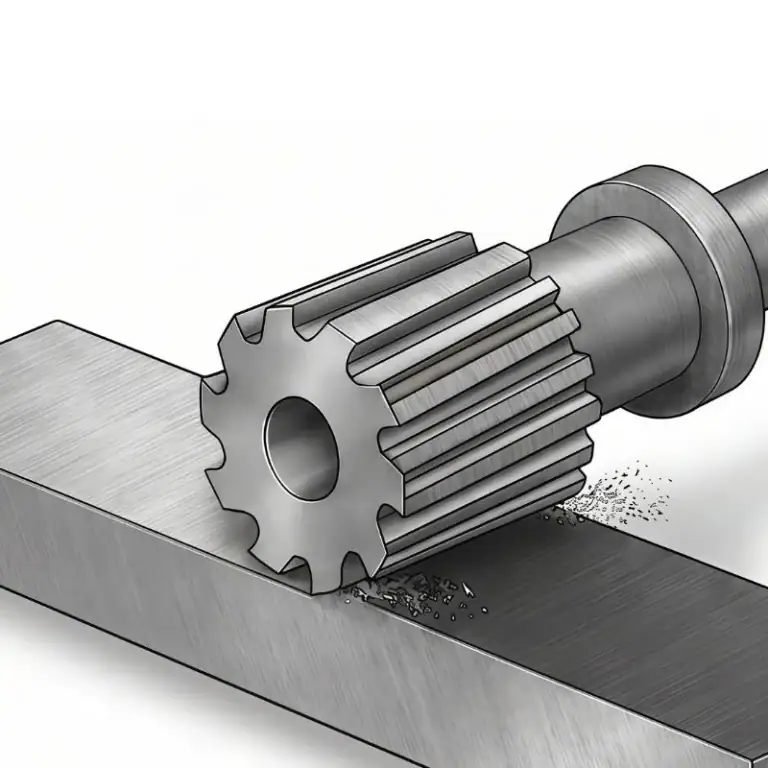
In modern manufacturing, the application range of complex parts continues to expand. From aerospace structural components and automotive parts to medical devices and electronic product housings, more products are demanding higher surface quality standards. Excellent surface quality not only affects product appearance but also influences assembly accuracy, friction performance, corrosion resistance, and the effectiveness of subsequent surface treatments. As a result, achieving stable and superior surface quality during the machining of complex structures has become a key concern for manufacturers.
Improving Equipment Stability to Enhance Surface Quality
Stable Machine Operation Is the Foundation of High-Quality Surfaces
High-Rigidity Machine Tools Reduce Machining Vibration
Machine rigidity directly affects cutting stability during the machining process.
Main Advantages of High-Rigidity Equipment:
A stable machine structure can reduce the impact of vibration on the workpiece surface and improve machining quality. High-rigidity machine tools maintain more stable operating conditions during cutting, effectively minimizing vibration-related surface defects while improving dimensional stability and machining consistency. This is particularly beneficial for the high-quality machining of complex structural components. Good machine rigidity provides reliable support for achieving superior surface finishes.
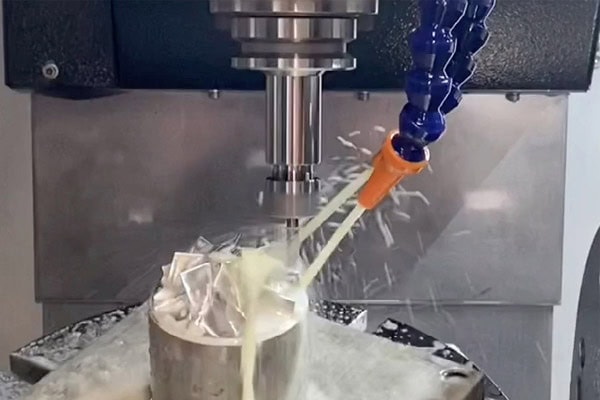
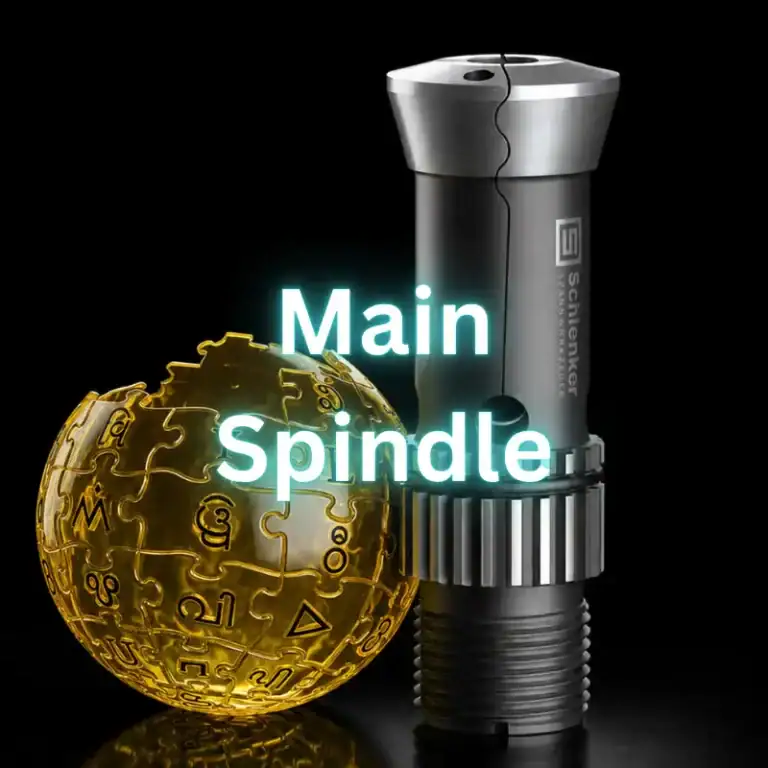
High-Speed Spindles Improve Cutting Smoothness
A stable cutting process helps improve the surface condition of workpieces.Main Features of High-Speed Spindles:
Modern high-speed spindles maintain more uniform cutting conditions and improve machining quality.
- Improve cutting continuity
- Enhance surface finish
- Reduce localized machining marks
- Increase machining efficiency
- Minimize cutting impact
A smoother cutting process can effectively improve the surface condition of complex parts.
High-Precision Control Systems Enhance Machining Stability
Advanced control systems are improving the quality of modern machining operations.Main Functions of Control Systems:
High-response control systems can manage tool movement paths with greater precision.
- Improve motion accuracy
- Reduce positioning errors
- Enhance curved surface machining performance
- Improve machining consistency
- Strengthen complex contour control capabilities
Precise control capabilities further improve surface machining quality.
Optimizing Tool Selection to Improve Surface Finish
Proper Tool Configuration Helps Achieve Better Machining Results
Selecting High-Quality Tool Materials
Tool performance directly affects surface machining quality.Main Features of High-Performance Cutting Tools:
Premium cutting tools maintain stable cutting conditions and reduce wear-related issues.
- Improve cutting stability
- Reduce tool wear
- Minimize surface defects
- Increase machining efficiency
- Enhance workpiece appearance quality
Stable tool conditions help maintain excellent surface finishes throughout production.
Choosing Appropriate Tool Coatings
Different coatings are suitable for different machining requirements.Main Advantages of Tool Coatings:
Advanced coating technologies improve tool wear resistance and heat resistance.
- Extend tool life and reduce downtime caused by frequent tool changes.
- Lower cutting temperatures and reduce thermal effects on tools and workpieces.
- Minimize built-up edge formation and prevent scratches or machining defects.
- Improve surface uniformity for more consistent machining results.
- Enhance machining stability during long production runs.
- Improve cutting performance and tool-material compatibility.
- Reduce tool wear rates and maintain machining accuracy.
- Improve the quality of complex part machining to meet higher manufacturing standards.
- Reduce the need for secondary finishing and polishing operations.
- Optimize process control and provide greater consistency in mass production.
A suitable coating strategy contributes significantly to improved surface quality.
Using Finishing Tools to Improve Surface Results
The finishing stage has a major influence on final surface quality.
Main Functions of Finishing Tools:
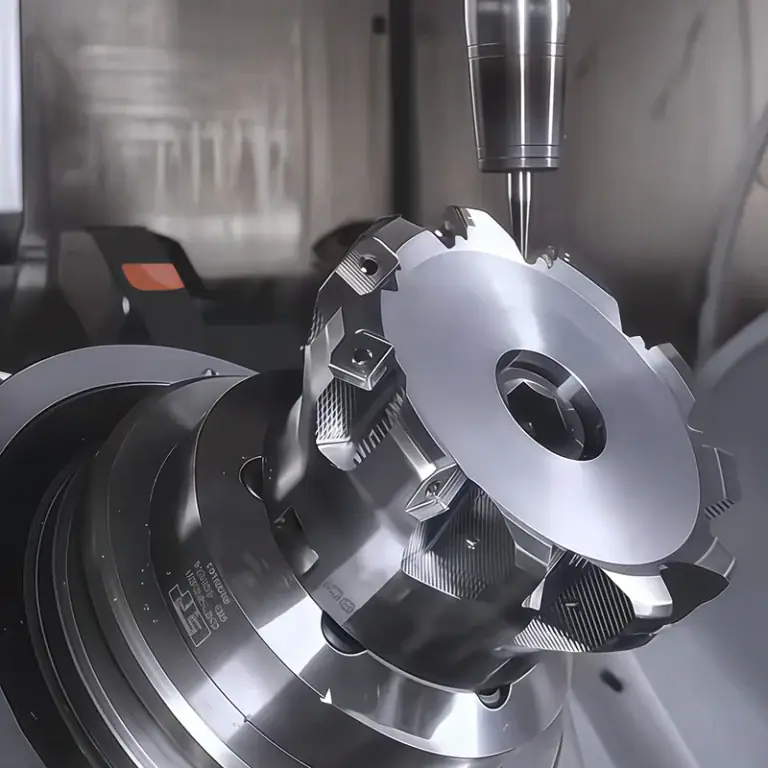
Proper use of finishing tools helps achieve finer surface conditions. Finishing tools typically feature higher cutting-edge precision and more stable cutting performance. During machining, they effectively reduce tool marks while improving surface smoothness and uniformity. For complex surfaces and precision contours, finishing tools create smoother transitions, improve dimensional control, and reduce the need for polishing and rework. Optimizing finishing operations enables manufacturers to further enhance part quality and overall production standards.
Optimizing Tool Paths to Reduce Surface Defects
Scientific Tool Path Planning Improves Machining Continuity
Reducing Idle Movements and Sharp Turns
Proper motion trajectories improve machining stability.Main Features of Tool Path Optimization:
Smooth tool paths reduce machine impact and sudden speed changes.
- Improve cutting continuity
- Reduce machining vibration
- Enhance surface uniformity
- Minimize tool marks
- Increase machining efficiency
More efficient movement strategies contribute to better surface quality.
Optimizing Tool Paths for Complex Surfaces
Complex structures require advanced path-planning strategies.Main Functions of Surface Path Optimization:
Advanced CAM systems improve the machining performance of complex surfaces.
- Improve surface accuracy
- Enhance surface continuity
- Reduce contour deviations
- Increase machining stability
- Improve overall surface quality
Optimized tool paths help complex parts achieve superior surface finishes.
Improving Cutting Load Uniformity
Balanced cutting conditions help improve machining performance.Main Advantages of Load Control:
Proper distribution of cutting loads reduces localized stress variations.
- Reduce tool vibration and prevent visible tool marks or surface waviness.
- Improve surface consistency across different areas of complex parts.
- Lower the likelihood of burrs, scratches, and uneven surfaces.
- Enhance cutting smoothness and maintain stable cutting conditions.
- Improve overall quality, surface finish, and dimensional stability.
- Reduce machining errors caused by load fluctuations.
- Extend tool life and minimize productivity losses from frequent tool changes.
- Improve consistency in batch production and support downstream assembly and finishing processes.
Stable cutting loads contribute to smoother machining operations.
Optimizing Cutting Parameters to Improve Surface Quality
Scientific Parameter Settings Improve Machining Performance
Proper Feed Rate Control
Feed rate has a direct impact on surface formation quality.Main Features of Feed Optimization:
Proper feed settings balance productivity and surface quality.
- Improve machining stability
- Reduce surface roughness
- Enhance tool operating conditions
- Improve dimensional accuracy
- Minimize vibration effects
Scientific feed control helps improve workpiece surface quality.
Optimizing Spindle Speed
Spindle speed is closely related to cutting performance.Main Functions of Speed Optimization:
Appropriate spindle speeds improve cutting quality and surface finish.
- Increase cutting efficiency
- Improve machining quality
- Reduce tool wear
- Minimize heat accumulation
- Enhance surface consistency
Proper spindle speed settings help achieve better machining results.
Controlling Cutting Depth
Cutting depth plays an important role in surface quality.Main Advantages of Depth Control:
Proper cutting depths reduce cutting impact and machining loads.
- Improve surface flatness and meet high-precision manufacturing requirements.
- Reduce machining vibration and lower the risk of chatter marks and tool marks.
- Enhance cutting stability and maintain smooth tool operation.
- Improve machining quality in deep cavities, thin walls, and irregular areas.
- Strengthen dimensional control and ensure compliance with design tolerances.
- Reduce localized load fluctuations and prevent machining defects.
- Improve surface consistency and production stability in batch manufacturing.
- Reduce finishing and polishing requirements, improving overall productivity.
Stable cutting conditions further optimize surface quality.
Enhancing Cooling and Chip Removal to Improve Surface Quality
A Stable Machining Environment Helps Reduce Surface Defects
Lowering Cutting Zone Temperature
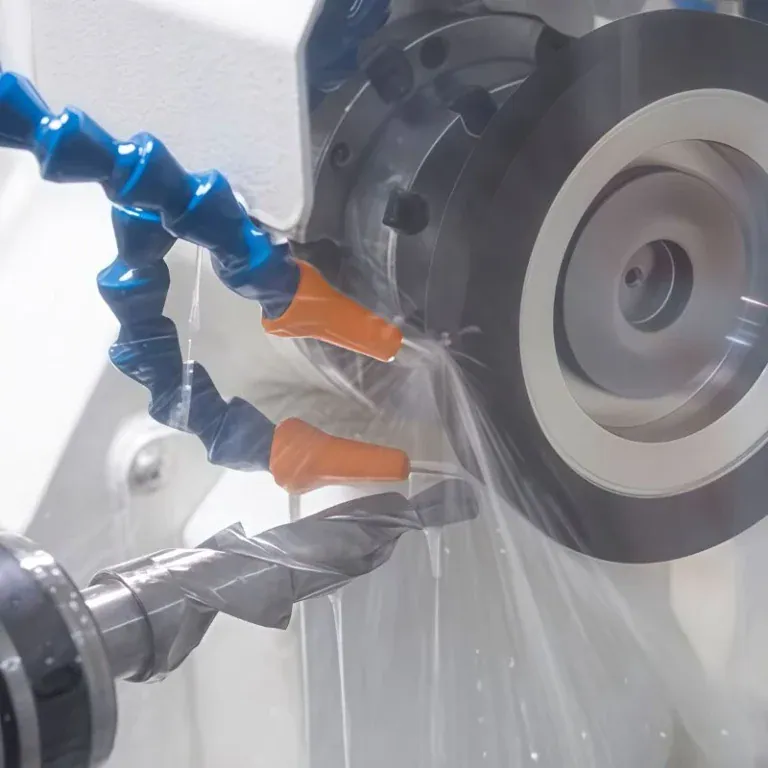
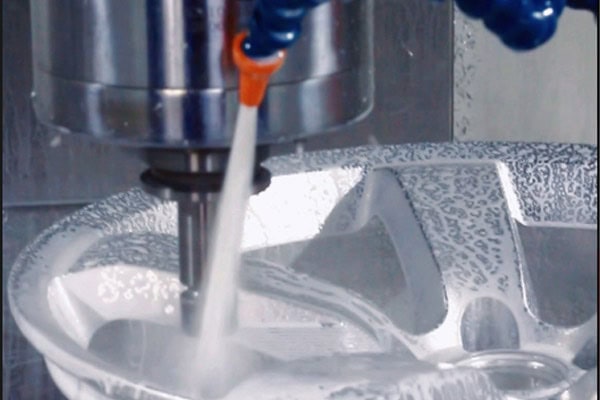
Temperature control is critical to surface quality.Main Functions of Cooling Systems:
Efficient cooling reduces thermal deformation and tool wear.
- Lower cutting temperatures
- Reduce thermal expansion errors
- Improve machining stability
- Enhance surface quality
- Extend tool life
A stable temperature environment improves the machining quality of complex parts.
Improving Chip Evacuation
Efficient chip removal contributes to better surface quality.Main Features of Chip Removal Optimization:
Timely chip evacuation prevents secondary cutting effects.
- Reduce surface scratches
- Improve machining continuity
- Enhance cutting conditions
- Lower tool loads
- Improve workpiece quality
Effective chip removal helps achieve superior surface finishes.
Improving Long-Term Machining Stability
Complex parts often require extended machining cycles.Main Advantages of a Stable Machining Environment:
Consistent cooling and chip removal systems help maintain machining quality.
- Improve continuous machining capability and maintain stable machine operation.
- Reduce quality fluctuations caused by temperature or cutting condition changes.
- Improve batch consistency and maintain identical surface quality and dimensional accuracy.
- Lower downtime risks caused by poor chip evacuation or overheating.
- Enhance overall production efficiency while maintaining quality standards.
- Improve process controllability for high-precision manufacturing of complex parts.
- Extend tool life and reduce time and costs associated with frequent tool replacement.
- Increase machine utilization and maximize production resource efficiency.
A stable machining environment ensures consistent quality during long production runs.
Conclusion
The surface quality requirements for complex parts continue to increase, and CNC milling has become one of the most important machining methods for achieving superior surface finishes. By improving equipment stability, optimizing tool selection, planning efficient tool paths, and scientifically controlling cutting parameters, manufacturers can effectively reduce surface defects and improve workpiece smoothness. In addition, well-designed cooling and chip removal systems help maintain stable machining conditions and enhance the quality of complex structural components.