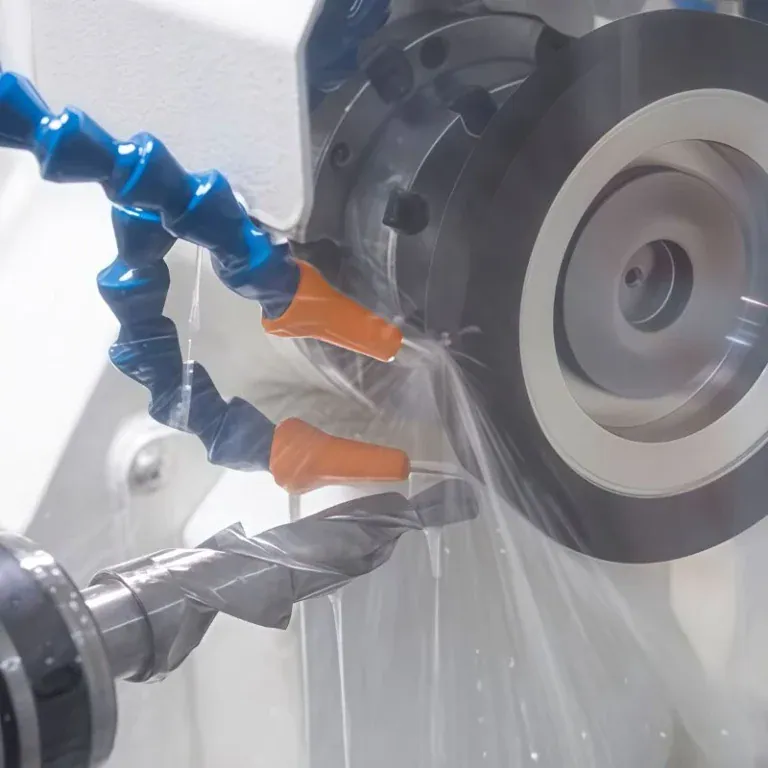
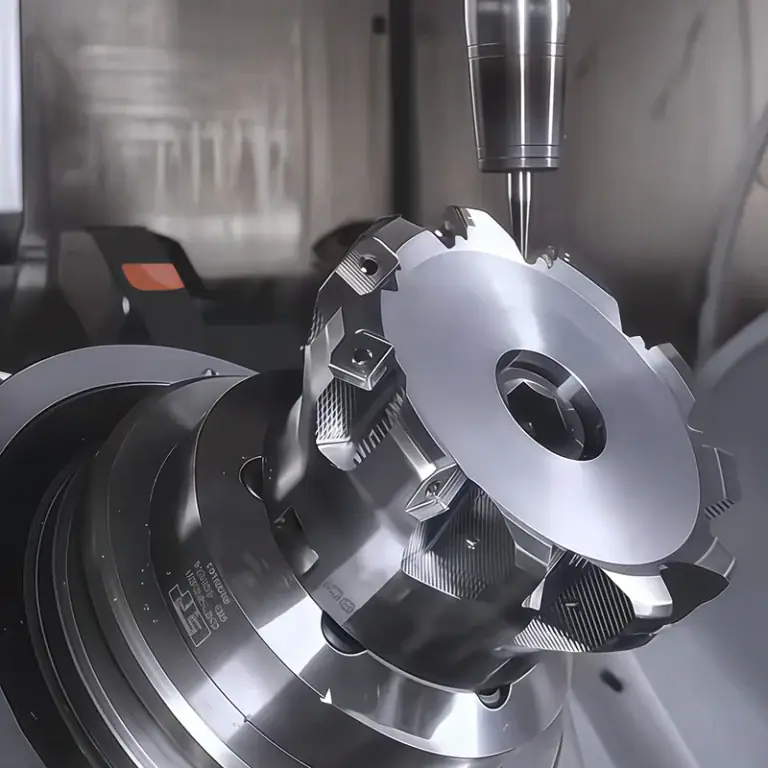
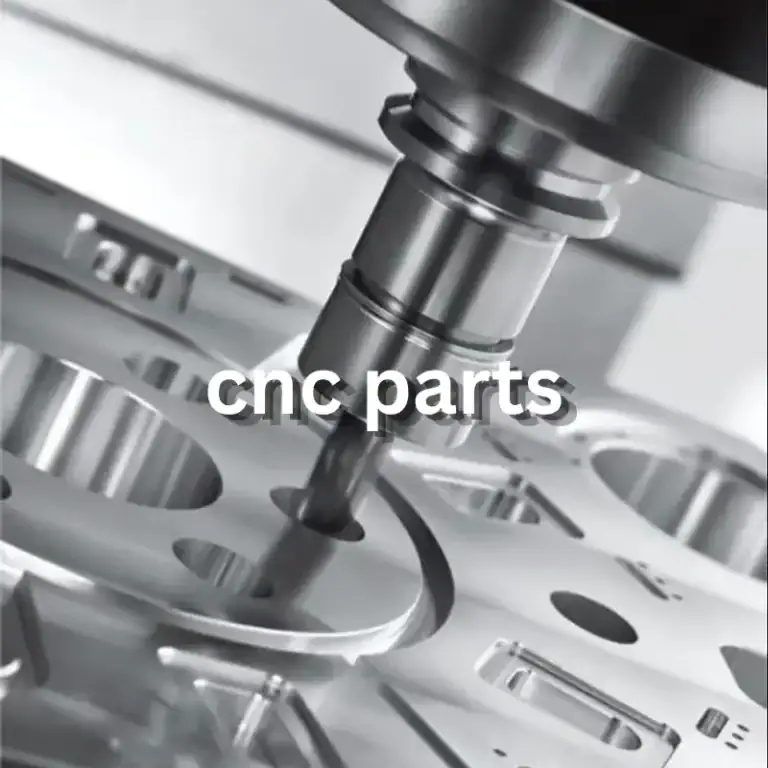
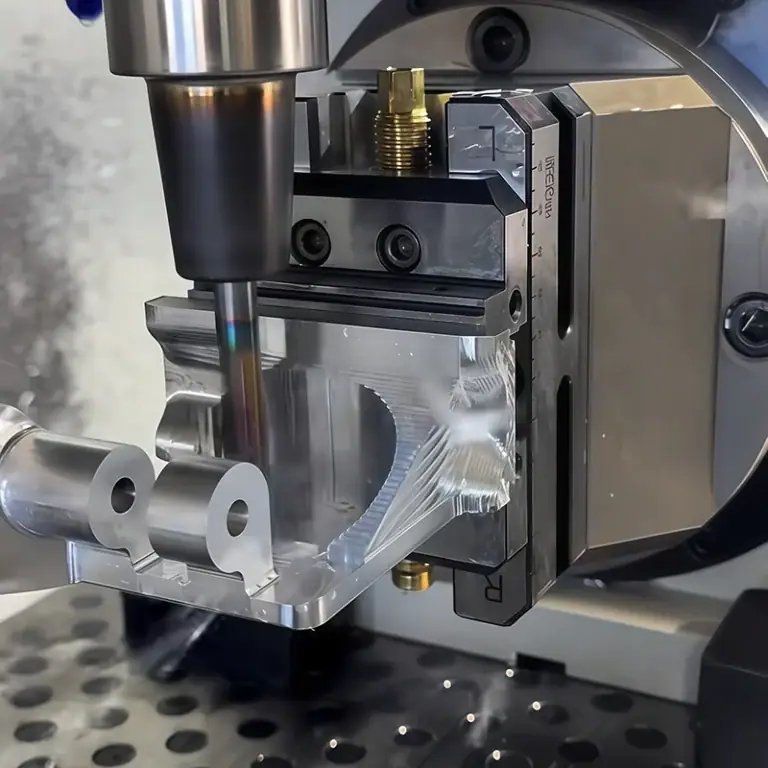
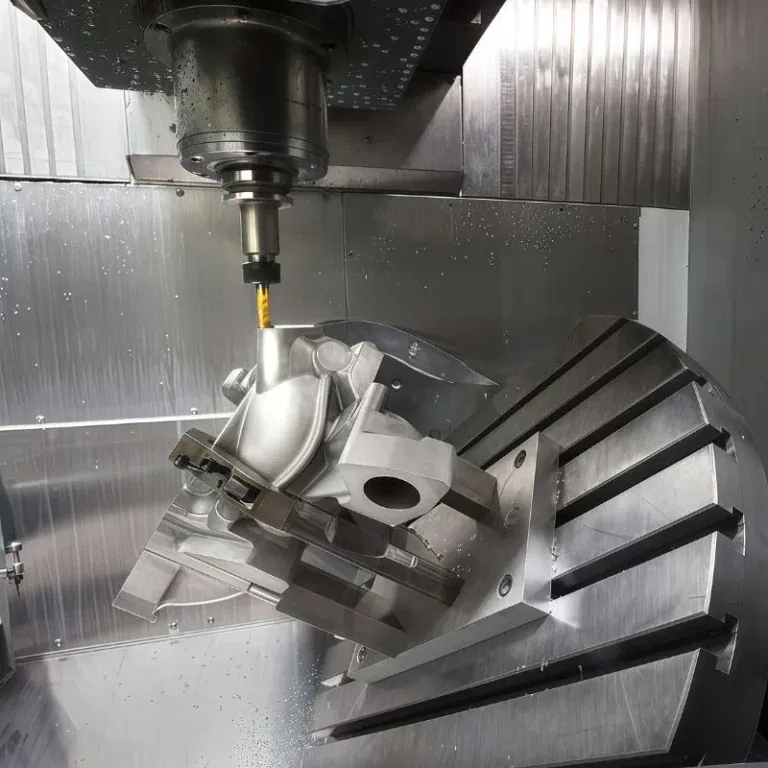
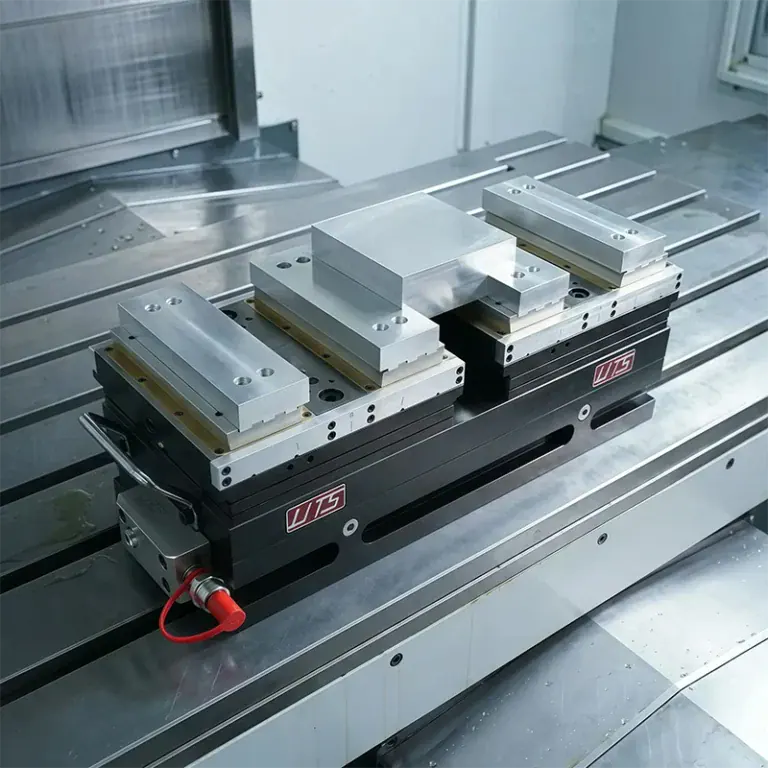
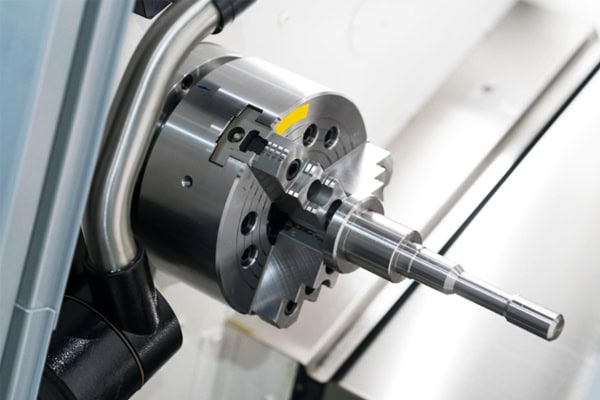
CNC turning technology uses computer numerical control systems to precisely manage tool paths and spindle movements, enabling stable machining of various rotational parts. With the continuous development of modern manufacturing, CNC turning has been widely applied in mechanical engineering, automotive industry, aerospace, medical devices, and precision electronics. Different industries require different levels of accuracy, surface finish, and material performance, which makes CNC turning a highly adaptable process across industrial production systems.
Core Applications in Mechanical Manufacturing
In traditional mechanical manufacturing systems, CNC turning plays a fundamental role in producing essential components. These parts are usually standardized in structure but require high consistency in dimensions and stable batch production. CNC turning ensures high repeatability and efficiency, making it a key process in industrial production lines.
Shaft and Transmission Component Machining
Shaft components are critical in mechanical power transmission systems, directly affecting equipment stability and service life. In motors, industrial machines, and transmission assemblies, these parts require high concentricity, excellent surface finish, and strong wear resistance. CNC turning enables precise and stable machining of such components.
- Motor shafts and drive shafts machining
- Multi-step shaft structures
- High concentricity control
- Stable mass production capability
- Surface roughness optimization
- Industrial core component manufacturing
After machining, shaft components can meet demanding transmission requirements and ensure long-term operational reliability.
Sleeve and Connection Component Machining
Sleeve components serve functions such as support, positioning, and connection in mechanical structures. Their machining focuses on internal hole precision, wall thickness uniformity, and assembly clearance control. These parts are widely used in bearing systems, hydraulic systems, and mechanical assemblies.
- Bearing sleeves and bushings
- Precision flanges and rings
- High-precision inner hole machining
- Tight assembly tolerance control
- Structural stability requirements
- Industrial connection components
The machining quality of sleeve parts directly affects overall assembly accuracy and system stability.
Standard Fasteners and Structural Parts
Standard fasteners such as bolts, nuts, and small structural connectors are widely used in industrial manufacturing. CNC turning ensures consistent dimensions and efficient mass production for these components.
- Threaded component machining
- Standard fastener production
- Small structural connectors
- High repeatability accuracy
- Automated production efficiency
- Industrial standard parts manufacturing
Fastener production represents one of the most stable and essential applications of CNC turning
Applications in the Automotive Industry
The automotive industry requires extremely high standards for performance, durability, and consistency. CNC turning plays a critical role in engine systems, transmission systems, and lightweight structures for new energy vehicles. It also supports large-scale automated production.
Engine System Component Machining
Engine components operate under high temperature, high pressure, and high-speed conditions, requiring excellent strength and dimensional stability. CNC turning ensures consistency in mass production of these critical parts.
- Crankshaft and camshaft machining
- Piston and connecting components
- Valve system parts machining
- High-temperature alloy processing
- Tight tolerance control
- Core engine component manufacturing
Engine part quality directly impacts vehicle performance and durability.
Transmission and Chassis Components
Automotive transmission and chassis systems must withstand long-term heavy loads. CNC turning enables stable production of high-strength and wear-resistant components.
- Drive shafts and gear shafts
- Differential structural parts
- Brake system components
- High-load structural manufacturing
- Wear resistance optimization
- Long-term operational reliability
These components are essential for vehicle safety and power transmission.
Lightweight Components for New Energy Vehicles
New energy vehicles require improved efficiency and extended range, making lightweight design a key trend. CNC turning is widely used for aluminum alloy and composite material components.
- Aluminum motor housing parts
- Battery structural supports
- Lightweight body components
- High-strength low-density materials
- Heat dissipation optimization
- EV key components
Lightweight manufacturing supports the advancement of automotive technology.
Aerospace and High-End Equipment Applications
The aerospace industry demands extremely high material performance and machining precision. CNC turning is widely used for titanium alloys and high-temperature alloys, playing a critical role in advanced manufacturing systems.
Aircraft Engine Component Machining
Aircraft engine parts operate under extreme conditions and require exceptional strength and heat resistance. CNC turning ensures high precision and reliability for these critical components.
- Turbine shafts and wheel machining
- High-temperature alloy components
- Precision rotating parts
- Extreme environment requirements
- High dimensional accuracy control
- Core aerospace engine components
Aircraft engine machining represents advanced manufacturing capability.
Space Structural Component Manufacturing
Space components require lightweight design combined with extremely high strength and reliability. CNC turning enables precise machining of titanium and other advanced materials.
- Space structural connectors
- Titanium precision parts
- Lightweight high-strength structures
- Extremely tight tolerances
- High reliability requirements
- Aerospace system components
Space manufacturing reflects the highest level of engineering precision.
Medical Device Industry Applications
The medical industry requires extremely high standards for cleanliness, precision, and material safety. CNC turning is widely used in surgical instruments, implants, and medical equipment components.
Surgical Instruments and Implant Parts
Medical implants directly interact with the human body, requiring biocompatible materials and extremely smooth surface finishes. Machining must be strictly controlled to avoid contamination and errors.
- Surgical tool machining
- Orthopedic implant components
- Medical fastening parts
- High-cleanliness production
- Ultra-smooth surface finish
- Medical-grade materials
Medical machining requires strict precision and safety control.
Medical Equipment Structural Parts
Medical equipment contains complex internal structures that require high precision and long-term stability. CNC turning supports reliable mass production of these components.
- Medical equipment shafts
- Precision connection components
- Stainless steel functional parts
- High repeatability accuracy
- Long-term operational stability
- Core medical device structures
Component quality directly affects equipment reliability.
Electronics and Precision Equipment Applications
The electronics industry demands miniaturized and high-precision components. CNC turning is widely used in precision metal parts for electronic devices.
Precision Connectors and Housing Parts
Electronic devices require compact structures with strict dimensional accuracy and high surface quality. CNC turning enables stable production of small, precise components.
- Precision shaft connectors
- Electronic device housings
- Micro structural components
- High surface finish requirements
- Small-scale precision machining
- Mass production consistency
This supports the ongoing miniaturization of electronic devices.
Sensor and Functional Components
Sensor components are structurally complex and require high concentricity and precision. They are widely used in automation and intelligent systems.
- Sensor housing machining
- Precision positioning parts
- Micro metal components
- High concentricity control
- Stable batch production
- Core automation components
Precision electronics manufacturing supports smart industry development.
Industrial Automation and Equipment Manufacturing
Industrial automation systems rely on numerous high-precision components for stable operation. CNC turning plays a fundamental role in equipment manufacturing systems.
Automation Equipment Components
Automation systems require long-term reliability and precision stability, making machining quality extremely important.
- Automation shafts
- Transmission and guide components
- Precision positioning parts
- High stability requirements
- Long-term operational reliability
- Mass production capability
Automation components ensure stable industrial operation.
Industrial Equipment Functional Parts
Industrial equipment often operates under harsh conditions, requiring durable and high-strength components. CNC turning ensures long service life and reliability.
- Pump and valve components
- Industrial connectors
- Wear-resistant metal parts
- High-strength machining
- Long-term stable operation
- Low maintenance requirements
These components improve overall production efficiency.