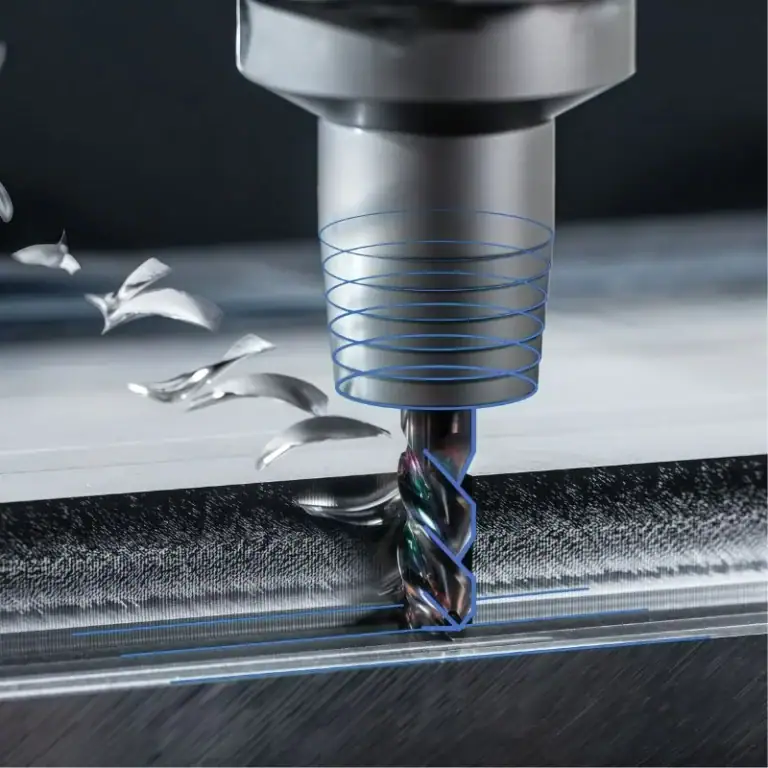
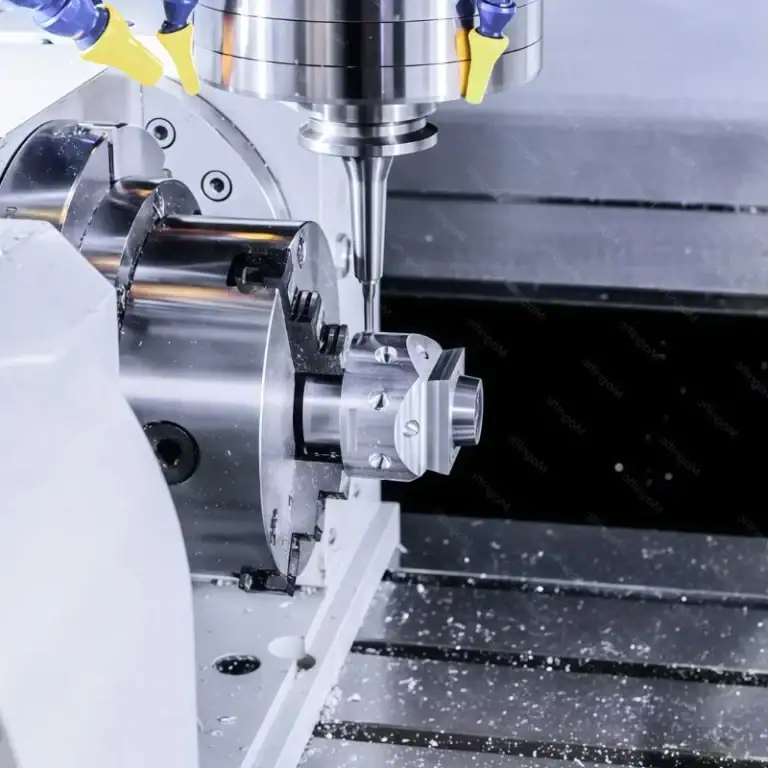
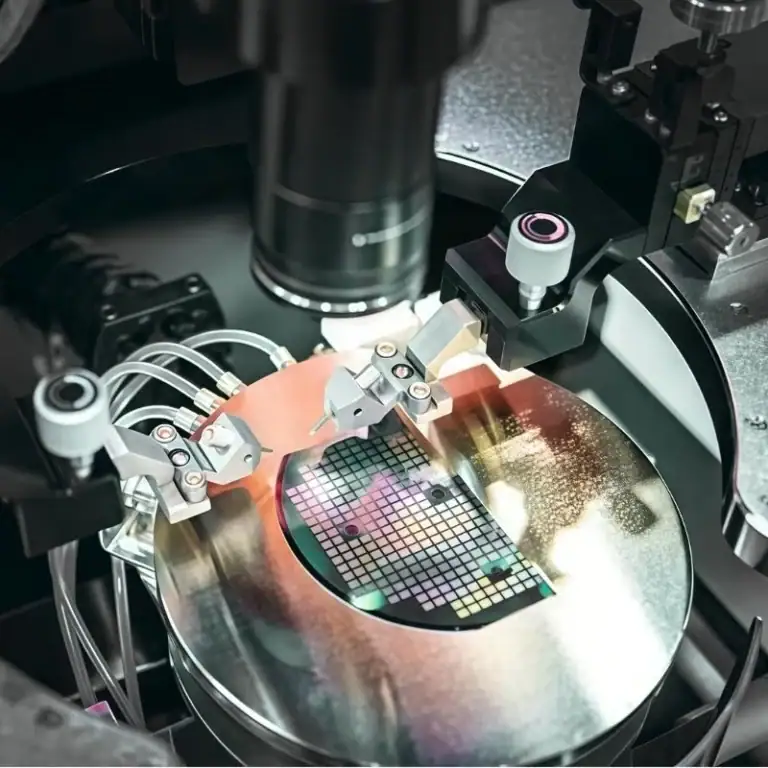
Whether manufacturing plastic parts or metal components, CNC machining is one of the most widely used manufacturing methods in modern industry. By using computer programs to control machine tool movements, CNC machining can perform milling, drilling, tapping, turning, and complex surface machining, meeting the requirements of high precision, low-volume production, and customized manufacturing.Although both plastic and metal parts are processed using the same types of CNC equipment, significant differences in material properties result in major differences in machining strategies, process parameters, cutting tool selection, and quality control methods. If plastics are machined using methods intended for metals, problems such as dimensional changes, melted edges, deformation, and excessive burrs can easily occur. Conversely, machining metals using plastic machining methods may reduce machining efficiency and accelerate tool wear.Therefore, understanding the differences between CNC plastic machining and metal machining not only helps manufacturers choose more suitable machining processes, but also improves product quality, shortens production cycles, and reduces overall manufacturing costs.
What Are the Material Property Differences Between Plastic Machining and Metal Machining?
Different materials possess different physical properties, and these characteristics directly affect CNC machining methods. From cutting resistance and thermal conductivity to material rigidity, every characteristic influences tool movement and the final machining results. Before developing a machining process, engineers usually adjust the entire manufacturing strategy according to the material’s characteristics. Therefore, understanding the material itself is the foundation for recognizing the differences between these two machining methods.
Different Material Hardness and Cutting Characteristics
One of the biggest differences between plastics and metals lies in their hardness and cutting resistance. Metals generally have higher strength and hardness, requiring greater cutting forces during machining. In contrast, most engineering plastics are relatively soft, making them easier to cut but also more susceptible to cutting heat and external forces.
Common engineering plastics include:
- POM (Polyoxymethylene)
- PA (Nylon)
- PC (Polycarbonate)
- PEEK (Polyether Ether Ketone)
- PVC (Polyvinyl Chloride)
These materials generally generate much lower cutting resistance than steel, aluminum alloys, or stainless steel, resulting in lower machine load requirements. However, because plastics are more elastic, they are more likely to experience slight elastic recovery during machining, requiring different dimensional control methods.By comparison, metals possess much higher rigidity, allowing them to maintain their dimensions more effectively after machining. However, they require higher-powered equipment and more wear-resistant cutting tools to complete machining operations.
Significant Differences in Thermal Conductivity
Heat generated during machining directly affects part quality, and plastics and metals differ greatly in their ability to dissipate heat.Metals have excellent thermal conductivity, allowing cutting heat to transfer quickly into the workpiece and chips, making localized temperatures easier to control. Plastics, however, conduct heat much less efficiently. Heat generated during machining tends to accumulate around the cutting tool. If machining parameters are not properly optimized, the material surface may overheat, soften, or even partially melt.For this reason, engineers pay closer attention to cutting speed, tool sharpness, and chip evacuation when machining plastics in order to reduce heat buildup and improve surface quality.
Differences in Dimensional Stability
Although many engineering plastics offer good dimensional stability, they remain more susceptible than metals to changes in temperature, humidity, and internal stress.For example, nylon absorbs moisture from the air, causing slight dimensional changes. PC and PMMA may also experience stress changes when subjected to localized heating. Metal parts, on the other hand, generally experience much smaller dimensional changes under normal environmental conditions, resulting in better long-term dimensional stability.For high-precision plastic components, many manufacturers add annealing, temperature-controlled inspection, or secondary finishing processes to further improve dimensional consistency.
What Are the Differences Between CNC Plastic Machining and Metal Machining Processes?
Although both processes utilize CNC equipment, their manufacturing procedures are not identical. Plastic machining places greater emphasis on protecting the material and maintaining dimensional stability, while metal machining focuses more on cutting efficiency and tool durability. Adjusting the machining process according to material characteristics is one of the most important measures for ensuring product quality.
Different Cutting Tool Selection
Cutting tool selection directly determines whether machining proceeds smoothly, whether the finished surface is clean, and whether dimensional accuracy remains stable.Although both plastics and metals can be machined using CNC equipment, significant differences in hardness, toughness, thermal conductivity, and chip evacuation mean that the same cutting tools should not be used interchangeably.Plastics are more sensitive to compression and heat buildup, while metals place much greater demands on tool wear resistance and cutting load capacity. Consequently, the tool geometry, cutting edge design, and coating selection differ considerably between the two materials.Only by properly matching the cutting tool to the workpiece material can machining remain stable while minimizing burrs, melted edges, and tool wear.Common cutting tools for plastic machining include:
- Single-flute plastic end mills
- Solid carbide cutting tools
- High-sharpness end mills
Metal machining more commonly uses:
- Multi-flute end mills
- Coated carbide cutting tools
- High-speed steel (HSS) cutting tools
Plastic machining tools prioritize extremely sharp cutting edges to reduce compression and burr formation. Metal machining tools place greater emphasis on wear resistance to withstand higher cutting loads.For transparent parts, thin-wall components, and precision structural parts, the sharpness of plastic machining tools is especially important. Even slight dulling may produce noticeable burrs. In metal machining, however, tool life and stable cutting performance are of greater concern, particularly during continuous production, where heat resistance and wear resistance directly influence manufacturing efficiency.
Different Cutting Parameter Settings
Cutting parameters are among the most important elements of any CNC machining program. Different materials require significantly different spindle speeds, feed rates, cutting depths, and toolpath strategies.Plastic materials are much more sensitive to heat. Improper parameter settings may cause whitening, melted edges, stringing, or localized deformation. Metal materials generally require higher cutting forces and more stable load control, so machining parameters are optimized primarily for cutting efficiency and tool life.Different materials require different machining parameters, and CNC programs must be adjusted accordingly.
Plastic machining typically requires careful control of:
- Spindle speed
- Feed rate
- Cutting depth
- Feed per tooth
If spindle speed is too high, localized temperatures may rise enough to melt the plastic edges. If the feed rate is too slow, frictional heat can also increase significantly.For heat-sensitive plastics such as PC, PMMA, and nylon, parameter control must be particularly precise. The cutting tool should not remain in one location for too long, while interrupted cutting should also be avoided to maintain surface quality.Metal machining parameters are generally determined according to material hardness, cutting tool material, and machine power to maximize machining efficiency and tool life.Although aluminum alloys, stainless steel, and carbon steel are all metals, their cutting resistance and heat dissipation characteristics differ considerably. Consequently, machining parameters vary accordingly and are often continuously optimized through practical machining experience.
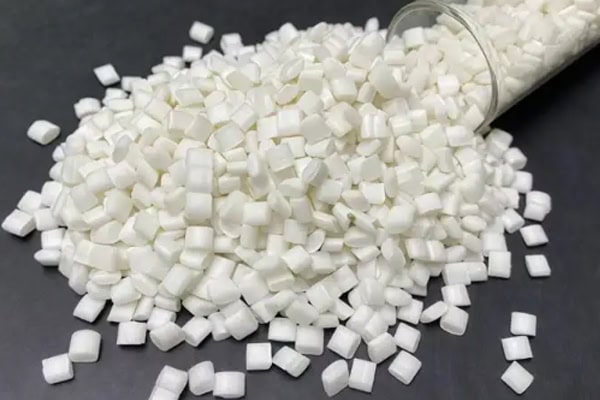
Different Cooling Methods
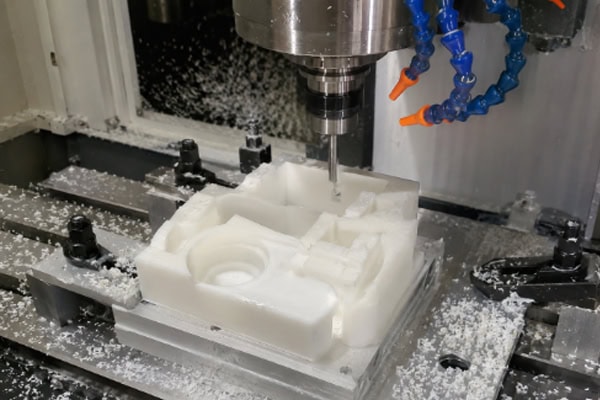
Cooling methods are equally important during machining because they influence not only tool life but also surface quality and dimensional stability.During metal machining, large amounts of heat are generated in the cutting zone. If this heat is not removed promptly, cutting tools wear rapidly, and thermal deformation of the workpiece may reduce machining accuracy. Therefore, cutting fluids and high-pressure coolant systems are commonly used.Plastic machining, however, is generally less suitable for extensive liquid cooling because certain plastics may react adversely to components contained in cutting fluids, resulting in surface whitening, internal stress changes, or even degradation of material properties.For this reason, plastic machining more commonly relies on air cooling and efficient chip evacuation to quickly remove heat while preventing contamination from machining fluids.Cooling methods also differ significantly during machining.
Metal machining commonly uses:
- Cutting fluids
- Coolant circulation systems
- High-pressure coolant
Plastic machining more commonly uses:
- Compressed air cooling
- Vacuum chip extraction
- Minimum Quantity Lubrication (MQL)
Some plastics are unsuitable for prolonged exposure to certain cutting fluids, making air cooling and prompt chip removal the preferred solutions.Excessive liquid cooling may affect surface quality, while excessive temperatures may soften and deform the material. Compared with metal machining, where cutting fluids effectively stabilize the machining process, plastic machining focuses more on removing heat without damaging the material, making this one of the most significant differences in process design.
What Are the Differences in Quality Control?
To achieve consistent machining quality, different materials require different inspection priorities and quality control methods. Plastic machining focuses more on deformation and surface quality, while metal machining places greater emphasis on dimensional accuracy, hardness, and machining efficiency. Due to the significant differences in the physical properties of these two material categories, quality control cannot rely solely on whether the final dimensions meet specifications. It must also consider the material’s behavior during machining, thermal changes, and the intended service environment. Plastic components may gradually change after machining because of residual stress release, whereas metal parts are more commonly evaluated for machining accuracy, surface condition, and functional performance stability. Therefore, in actual production, quality control typically forms a complete closed-loop process—from material verification before machining, to parameter monitoring during machining, and finally to inspection and verification after machining. This approach ensures that products meet application requirements while maintaining consistency for batch production.
Plastics Are More Susceptible to Residual Stress
Plastic materials are more likely to develop residual stress during machining. Because plastics generally have higher elasticity and lower thermal conductivity, and are more easily affected by tool pressure and localized heat during cutting, a finished part may appear complete on the surface while still retaining internal stress.This residual stress may not become apparent immediately after machining. However, during storage, assembly, or actual use, changes in temperature and the passage of time may gradually cause dimensional deviations or shape changes.
If residual stress is not properly controlled, the following problems may occur:
- Warping
- Cracking
- Dimensional drift
- Localized deformation
These issues are more likely to occur in thin-wall parts, long components, transparent parts, and components with complex geometries. For example, sheet plastic may bend when one side experiences more heat or machining than the other. Parts with densely distributed holes may also experience slight elastic recovery after being unclamped if the clamping force is uneven.To reduce these risks, manufacturers often incorporate an annealing process when producing high-precision plastic parts. Annealing releases internal stress and improves dimensional stability. After annealing, the molecular structure of the material becomes more balanced, allowing subsequent finish machining to maintain tighter dimensional consistency.Although machining stress also exists in metal components, most standard metal parts do not experience significant dimensional changes due to minor residual stress. Therefore, stress control in metal machining focuses on different priorities than in plastic machining.
Different Priorities for Surface Quality Control
Many plastic products are used directly as appearance components or transparent parts, making surface quality especially important.Compared with metal parts, plastic components are more likely to develop tool marks, indentation marks, burrs, or slight melted edges after machining. These defects not only affect appearance but may also reduce assembly quality and overall user experience. This is especially true for transparent materials such as PC and PMMA, where scratches, haze, or localized whitening are highly visible and may directly affect the product’s visual appearance and market acceptance.
During machining, particular attention should be paid to controlling:
- Tool marks
- Burrs
- Scratches
- Melted edges
These surface defects are closely related to tool sharpness, cutting speed, feed rate, and chip evacuation. If the cutting tool is not sharp enough, the plastic surface is more likely to be compressed rather than cleanly cut, resulting in additional burr formation. If excessive cutting heat accumulates, localized melting may occur along the edges, producing uneven finishes.For transparent PC and PMMA components, polishing and other post-processing methods are often required to improve surface finish. Polishing not only enhances appearance but also reduces the impact of fine scratches on light transmission, making the components more suitable for applications such as viewing windows, protective covers, and display components.
Metal parts, by comparison, are more commonly subjected to secondary processes such as sandblasting, anodizing, electroplating, or painting, depending on their intended application.Surface treatment for metals primarily improves corrosion resistance, wear resistance, or decorative appearance. Plastic surface finishing, however, places greater emphasis on maintaining visual quality and user comfort, making the quality control priorities significantly different between the two materials.
Differences in Inspection Methods
After machining is completed, both plastic and metal components require dimensional inspection. However, the inspection priorities are different.For plastic components, inspection involves more than verifying whether dimensions meet the engineering drawings. It is also important to evaluate whether the part exhibits warping, twisting, elastic recovery, or localized deformation under natural conditions. These issues may not be immediately visible after machining but can gradually appear after the part has been stored for some time.Engineering plastics may also experience slight dimensional changes under different temperature and humidity conditions. Therefore, inspection should not rely solely on individual measurement values but should also consider the actual operating environment of the product.
Plastic components are typically inspected for:
- Overall dimensions
- Flatness
- Hole dimensions
- Deformation
These inspection items provide a comprehensive evaluation of machining quality.Overall dimensions determine whether the part can be assembled correctly. Flatness affects sealing performance, surface contact, and load distribution. Hole dimensions directly influence the installation accuracy of screws, pins, and locating components. Deformation is an important indicator of whether residual stress has been adequately released.
In addition to dimensional inspection, metal components may also require:
- Hardness testing
- Surface roughness measurement
- Material property testing
This is because metal components often serve structural functions requiring higher mechanical strength. Besides maintaining accurate dimensions, they must also satisfy the specified mechanical performance requirements.For example, certain parts require hardness testing after heat treatment, while components with strict surface finish requirements may undergo roughness measurement to verify that they meet friction, sealing, or appearance specifications.Developing inspection procedures based on the intended application of the product helps ensure that the finished component fully satisfies performance and quality requirements.
How to Choose Between Plastic Machining and Metal Machining for Your Product?
When facing different product requirements, manufacturers should select the most suitable material and machining method based on the intended operating environment, budget, and performance requirements. Making the right choice not only ensures that the product meets functional requirements but also improves production efficiency.
Choose Materials Based on the Operating Environment
If the product requires corrosion resistance, electrical insulation, or lightweight construction, engineering plastics are usually the better choice.If the product must withstand heavy loads, high temperatures, or long-term impact, metal materials are generally more suitable.
Selecting materials according to actual operating conditions helps improve product service life.
Evaluate Based on Machining Cost
Plastic machining generally offers the following advantages:
- Lightweight materials
- Lower cutting resistance
- Reduced cutting tool wear
Although metal machining provides higher material strength, it usually requires more powerful equipment, greater cutting tool consumption, and longer machining time.For prototype development, low-volume production, and custom equipment components, plastic machining often provides a significant cost advantage.
Develop the Manufacturing Process Based on Product Precision Requirements
Whether using plastic or metal machining, high-precision products require a complete manufacturing process, including proper workholding, finish machining, dimensional inspection, and necessary post-processing.For plastic components, annealing can be incorporated to further improve dimensional stability.For metal components, heat treatment or surface treatment can be added according to the material characteristics to improve overall performance.
Frequently Asked Questions
Can CNC Plastic Machining Completely Replace Metal Machining?
No.Plastic machining and metal machining each have their own areas of application and cannot simply replace one another.If a product requires electrical insulation, corrosion resistance, reduced weight, or lower manufacturing costs, engineering plastics are often an excellent choice.
If a product must withstand heavy mechanical loads, prolonged high-temperature operation, or severe impact, metal materials continue to offer significant advantages.Many automated machines and industrial equipment utilize both plastic and metal components simultaneously, allowing each material to contribute its own strengths.
Therefore, when selecting a machining solution, manufacturers should evaluate the product’s function, operating environment, dimensional requirements, and budget comprehensively, rather than simply determining which material is “better.”
Conclusion
Although CNC plastic machining and metal machining use the same types of CNC equipment, significant differences in material properties, cutting characteristics, thermal conductivity, and dimensional stability result in distinct machining strategies and process requirements.Plastic machining places greater emphasis on controlling cutting heat, minimizing burr formation, managing residual stress, and maintaining dimensional stability. Metal machining, on the other hand, focuses more on machining efficiency, cutting tool wear resistance, and material strength.Only by fully understanding the machining characteristics of different materials can manufacturers develop more appropriate machining processes and consistently achieve reliable product quality.
As precision manufacturing technology continues to advance, both plastic and metal materials are being used more extensively across modern industries. Sectors such as industrial automation, electronics, medical devices, semiconductor equipment, automotive manufacturing, and aerospace all require flexible material selection and machining processes based on specific application requirements.By combining scientific product design, standardized machining procedures, and comprehensive quality inspection, manufacturers can not only improve product performance but also reduce production costs, providing more efficient, reliable, and stable manufacturing solutions.