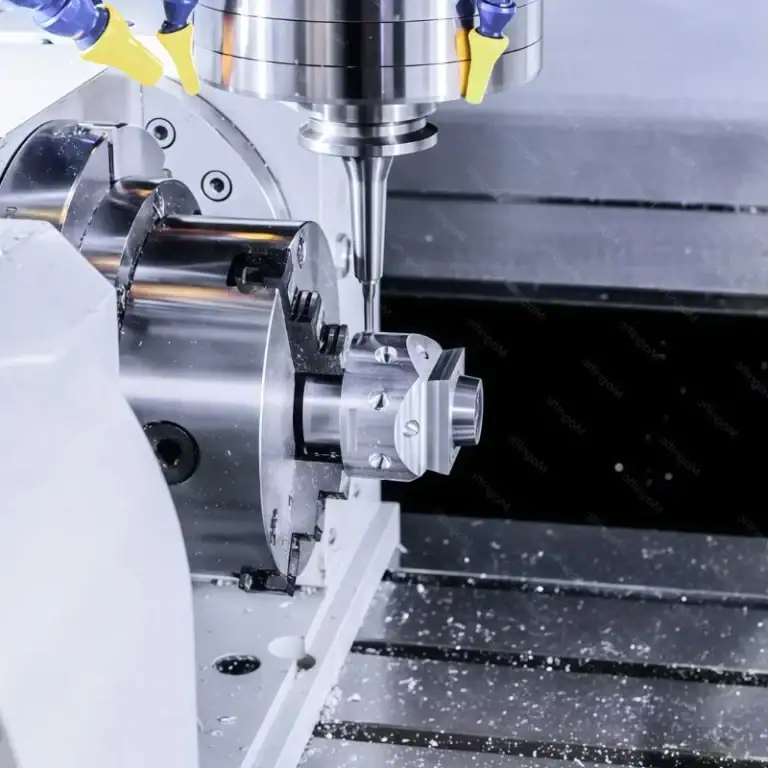
Chamfered vs beveled edges are common in CNC machining, sheet metal fabrication, welding preparation, and product design. Both remove sharp corners, but they are not always used for the same purpose or described the same way on engineering drawings.
A chamfered edge usually refers to a small angled cut on a corner, while a beveled edge often refers to a larger sloped surface or edge preparation. This guide explains their differences, machining methods, applications, cost factors, and how to choose the right edge design.
What Does Chamfered Mean?
Chamfered means that a sharp edge or corner has been cut at an angle to create a flat transition between two surfaces. In CNC machining, chamfers are commonly used to remove burrs, improve part handling safety, support assembly, and create a clean finished appearance on metal or plastic components.
Most chamfers are small and are often specified as a dimension and angle, such as 0.5×45° or 1×45°. A 45° chamfer is very common because it is easy to machine, easy to inspect, and effective for breaking sharp edges. However, chamfers can also use other angles depending on the design requirements.
Chamfered edges are widely used on holes, outside corners, threaded parts, mating surfaces, and precision machined components. They help parts fit together more smoothly, reduce sharp-edge risks, and prevent minor edge damage during handling, packaging, assembly, and daily operation.
What Does Beveled Mean?
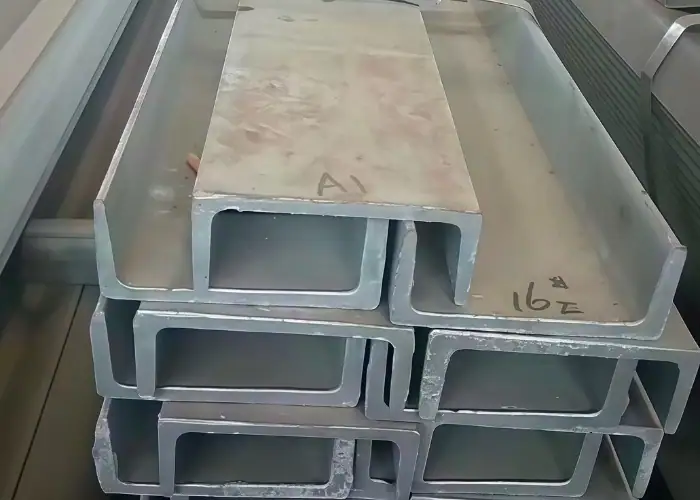
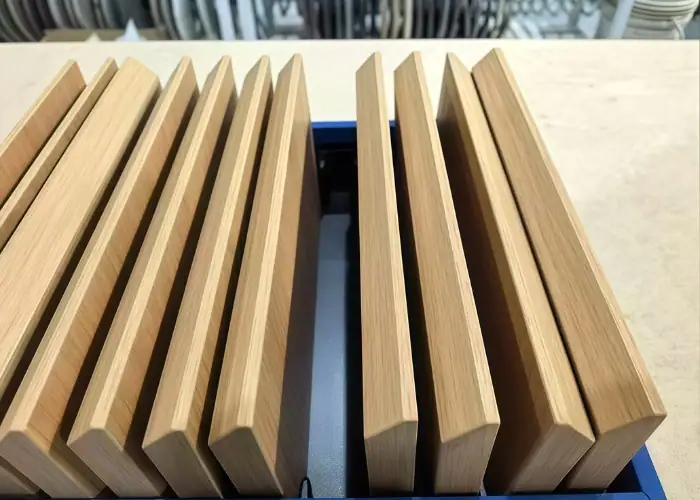
Beveled means that an edge or surface has been cut at a sloped angle, usually to create a larger angled face than a standard chamfer. Bevels are often used for welding preparation, structural joints, decorative edges, inclined surfaces, sealing faces, and parts that require a functional transition between surfaces.
Compared with a chamfer, a bevel usually removes more material and may extend across a larger portion of the part edge. The angle can vary widely depending on the function of the part. Common bevel angles include 15°, 30°, 37.5°, 45°, and other custom angles used in welding or mechanical design.
Beveled edges are common in metal plates, pipe ends, welded assemblies, gears, tools, architectural parts, and industrial components. They are often selected when the edge must support welding penetration, load transition, appearance requirements, or a specific assembly function rather than simple edge breaking.
Chamfered vs Beveled Quick Comparison
Before choosing between a chamfered or beveled edge, engineers should understand how each feature affects geometry, machining time, inspection, cost, and final part function. Although the two terms are sometimes used interchangeably, they can mean different things in manufacturing and drawing communication.
| Feature | Chamfered Edge | Beveled Edge |
| Basic Shape | Small flat angled cut | Larger sloped edge or surface |
| Common Angle | Often 45° | Can vary by function |
| Typical Size | Small edge break | Larger material removal |
| Main Purpose | Deburring, safety, assembly | Welding, transition, structure, appearance |
| CNC Machining Difficulty | Usually easier | May require more setup |
| Cost Impact | Lower | Higher if large or precise |
| Drawing Callout | Commonly C×45° or dimension×angle | Usually angle, width, depth, or weld prep detail |
| Applications | Holes, corners, threads, machined parts | Plates, pipes, weld joints, structural edges |
Key Differences Between Chamfered and Beveled Edges
The biggest difference between chamfered and beveled edges is usually the size and purpose of the angled surface. A chamfer is generally a smaller edge modification, while a bevel can be a larger angled surface that changes how the part fits, welds, seals, or carries load.
In many drawings, a chamfer is used when the designer wants a clean edge break or controlled corner relief. A bevel is used when the angle has a stronger functional purpose, such as preparing a pipe end for welding or creating an inclined surface for assembly, alignment, or sealing.
Because the terms can overlap in daily communication, clear drawings are important. Engineers should specify the angle, width, depth, location, tolerance, and edge condition instead of only writing “chamfer” or “bevel.” This helps reduce misunderstanding during CNC machining, fabrication, and inspection.
Geometry and Angle
A chamfer is usually a short, flat angled cut placed at the intersection of two surfaces. The most common chamfer is 45°, especially for CNC machined parts, because it creates a symmetrical edge break and is easy to produce with standard chamfer mills, countersinks, turning tools, or deburring tools.
A bevel can be any angled surface that is not perpendicular to the main surface. It may be shallow or steep, narrow or wide, depending on the design requirement. In welding and pipe fabrication, bevel angles are often selected to create enough space for weld penetration and joint strength.
The geometry difference matters because it affects machining strategy and inspection. A small chamfer may only need a single tool pass, while a wide bevel may require roughing, finishing, special fixturing, or multi-axis machining. The larger the angled surface, the more important dimensional control becomes.
Function and Design Purpose
Chamfers are mainly used to remove sharp edges, reduce burrs, improve handling safety, and support assembly. They are especially useful on CNC machined parts where sharp corners can scratch mating parts, damage coatings, cause handling injuries, or interfere with insertion during assembly.
Bevels are often used when the angled edge has a stronger functional requirement. For example, welded plates and pipe ends may need a bevel to create a proper groove for welding. Other parts may use bevels to guide assembly, improve appearance, reduce interference, or create a sloped transition between surfaces.
In simple terms, a chamfer is often an edge-finishing feature, while a bevel is often a functional edge or surface feature. This is not an absolute rule, but it is a useful way to explain the difference when reviewing drawings, quotes, and manufacturing requirements.
Material Removal and Cost
A small chamfer usually removes very little material, so it has limited impact on machining time and cost. Many chamfers can be added during the final finishing stage using standard tools. For high-volume CNC machining, chamfers are also useful because they help reduce manual deburring work after machining.
A bevel may remove more material and require more controlled machining, especially if the bevel is wide, long, angled, or located on a difficult surface. Large bevels may also require special tools, multiple passes, indexed setups, or 5-axis machining depending on part geometry and tolerance requirements.
From a cost perspective, chamfers are usually cheaper than bevels. However, the real cost depends on size, tolerance, surface finish, material hardness, accessibility, and inspection requirements. A small bevel may be simple, while a precise bevel on a complex part can add significant machining time.
Appearance and Edge Quality
Chamfered edges often give CNC machined parts a clean, professional, and safe appearance. A consistent chamfer makes the part look finished and helps reduce the rough feeling of sharp machined edges. This is especially important for visible components, handles, covers, housings, and customer-facing products.
Beveled edges can create a stronger visual effect because the sloped surface is usually larger. They are often used in decorative products, architectural parts, metal panels, and custom components where edge style matters. A bevel can make a part look thinner, smoother, or more refined depending on the design.
For both chamfers and bevels, edge quality depends on tool sharpness, cutting parameters, workholding stability, and material behavior. Poor machining can create burrs, chatter marks, uneven edge width, or inconsistent surface finish. Clear specifications help ensure the final edge matches both functional and visual expectations.
Chamfered vs Beveled in CNC Machining
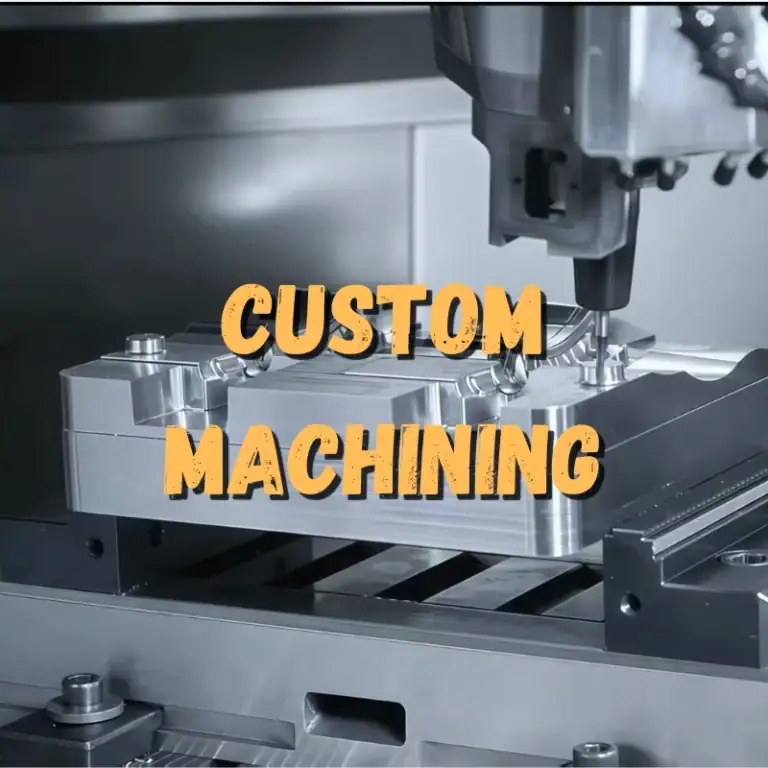
In CNC machining, chamfers and bevels can be created using milling, turning, drilling, countersinking, grinding, deburring, or multi-axis machining methods. The best process depends on the material, edge size, angle, tolerance, surface finish, and whether the feature is located on an external edge, hole, slot, or complex surface.
Chamfers are usually easier to machine because they are small and often use standard cutting tools. Bevels may require more process planning, especially when they are wide, angled, or part of a welded or structural design. The larger the bevel, the more important it is to control flatness, angle, and surface quality.
For custom CNC parts, drawings should avoid vague notes such as “break all edges” when a specific chamfer or bevel is required. A good drawing should clearly define the edge size, angle, tolerance, and whether sharp edges are acceptable in any area. This helps manufacturers quote accurately and machine consistently.
Machining Chamfered Edges
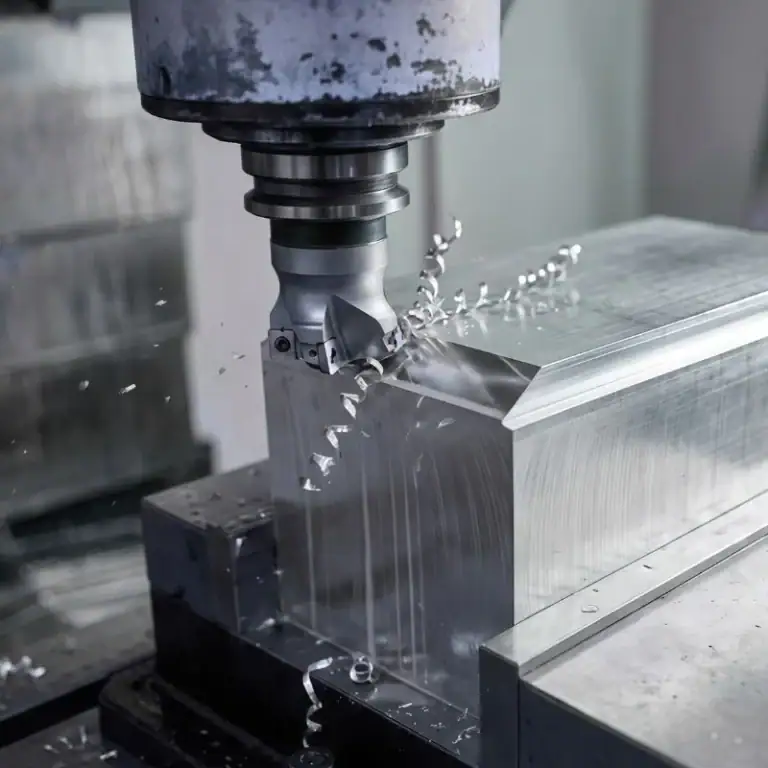
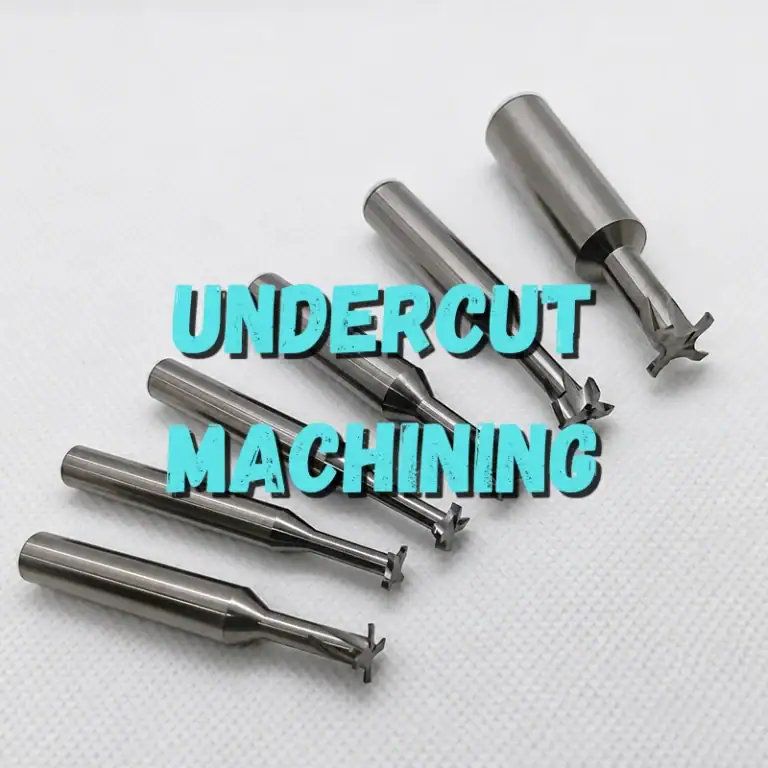
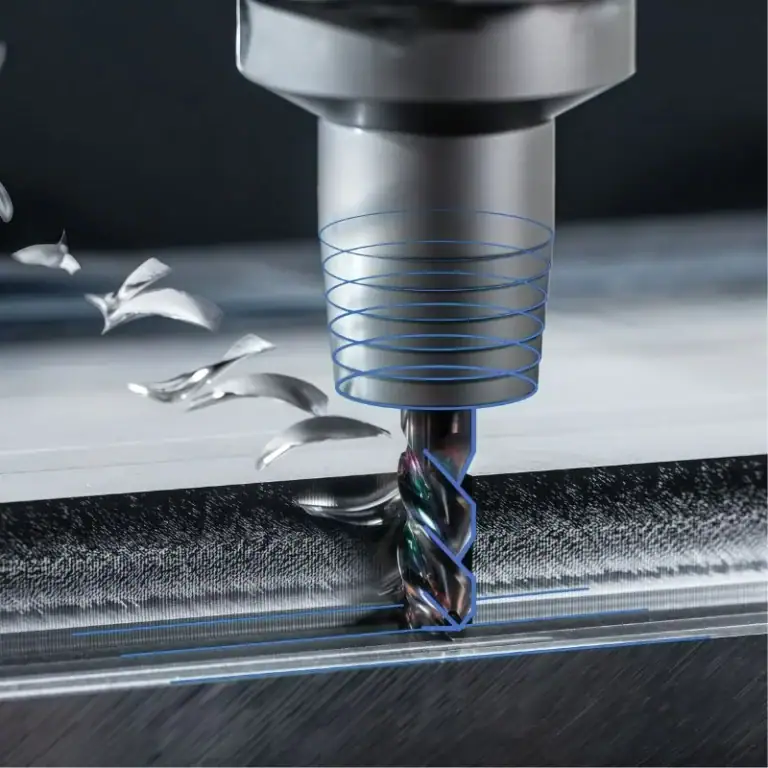
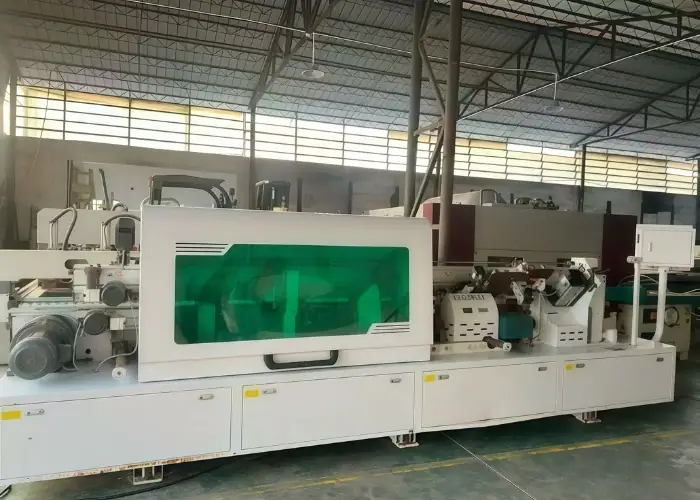
Chamfered edges are commonly machined with chamfer mills, countersinks, spot drills, turning tools, or deburring tools. For CNC milled parts, an outside chamfer can often be produced by contouring around the part edge. Hole chamfers can be created with countersink tools or chamfering operations after drilling.
Because chamfers are usually small, they can often be produced efficiently during final machining. They help remove burrs left by cutting, improve hole entry, and make parts easier to assemble. For threaded holes, chamfers also help protect the thread start and guide screws during installation.
However, chamfers still need proper control when they affect sealing, assembly, or appearance. Too large a chamfer may weaken a thin edge or reduce contact area. Too small a chamfer may not remove all burrs. For precision parts, chamfer size and consistency should be checked during inspection.
Machining Beveled Edges
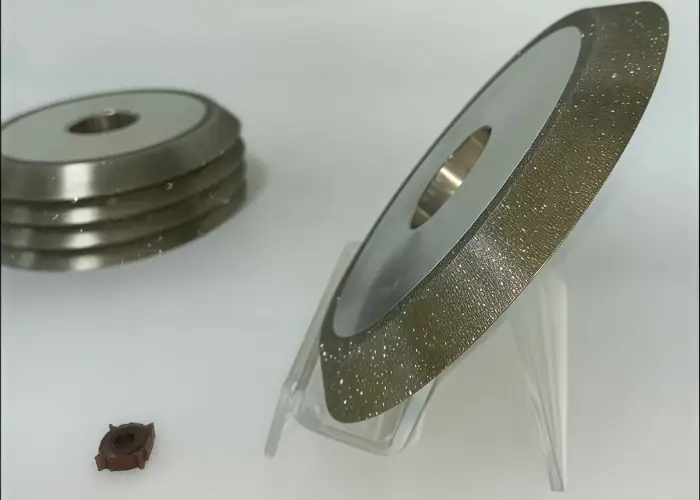
Beveled edges can be machined using angled cutters, end mills, face mills, turning tools, grinding wheels, or 5-axis CNC machining. For simple plate or block parts, bevels may be machined with an angled tool or by tilting the workpiece. For complex parts, multi-axis machining may be needed.
Bevel machining usually requires more attention than standard chamfering because the angled surface is larger and more visible. Tool marks, surface waviness, angle error, and inconsistent width are easier to notice. If the bevel supports welding or sealing, dimensional accuracy becomes even more important.
For high-quality beveled parts, manufacturers need to consider tool access, fixture stability, cutting direction, surface finish, and inspection method before machining. If the bevel is used for welding preparation, the drawing should also specify root face, bevel angle, groove type, and any required land dimension.
Tolerance and Inspection
Chamfers are often inspected by checking chamfer width, angle, or edge break consistency. For general edge breaks, inspection may be visual or functional. For precision parts, gauges, calipers, optical measurement, or coordinate measuring machines may be used to verify the chamfer size and location.
Bevels often require more detailed inspection because they may affect welding, assembly, sealing, or visual appearance. Inspectors may measure bevel angle, bevel width, depth, flatness, root face, and surface quality. If the bevel is part of a weld joint, the inspection requirement may be more strict.
The most common problem is unclear drawing communication. If the drawing only says “beveled edge” without dimensions, different suppliers may interpret it differently. To avoid rework, engineers should define the exact angle, size, tolerance, and edge condition before production begins.
Common Applications of Chamfered and Beveled Edges
Chamfered and beveled edges are used across CNC machining, sheet metal fabrication, welding, pipe processing, plastic machining, product design, and architectural manufacturing. Both features improve edge quality, but they are selected for different functional reasons depending on the part and industry.
In precision machining, chamfers are usually applied to holes, outside corners, slots, threads, and mating edges. In fabrication and welding, bevels are often applied to plates, pipes, and structural parts that require joint preparation. In product design, both can improve safety, appearance, and assembly experience.
For TiRapid-style CNC manufacturing projects, the key is not only whether the part uses a chamfer or bevel, but how clearly the feature is defined. Material, tolerance, surface finish, coating, assembly fit, and edge function should all be reviewed before production starts.
CNC Machined Parts
Chamfers are very common on CNC machined metal and plastic parts because they help remove sharp edges and improve assembly. They are used on aluminum housings, stainless steel brackets, brass fittings, plastic blocks, threaded parts, and precision components that require clean edges after machining.
Bevels are used when a CNC machined part needs a larger angled face, functional slope, or special edge geometry. This may include sealing surfaces, alignment features, decorative edges, tooling components, or parts that need better clearance with mating components.
For machined parts, chamfers are usually part of standard edge finishing, while bevels are more likely to be treated as controlled geometry. If the bevel affects fit or function, it should be dimensioned clearly and included in the inspection plan.
Welding and Fabrication
Beveled edges are especially important in welding because they help create proper weld grooves and improve weld penetration. Plate edges, pipe ends, and structural parts often need bevel preparation before welding. The bevel angle, root face, and groove shape can directly affect weld quality.
Chamfers may also be used in fabrication, but usually for simpler edge breaking, safer handling, or assembly support. They are helpful when parts have sharp corners after cutting, laser processing, sawing, or machining. Small chamfers can reduce burrs and improve the finished condition before coating or assembly.
For welding-related parts, bevel requirements should be confirmed carefully. A general chamfer may not provide enough groove space for welding, while an oversized bevel may remove too much material. Clear communication helps avoid weld fit-up problems and production delays.
Sheet Metal and Structural Components
In sheet metal and structural components, bevels are often used to prepare edges for welding, improve part fit, or create a designed sloped appearance. Large metal plates, brackets, frames, and machine structures may require beveling before joining or finishing.
Chamfers are more often used to break sharp edges after cutting, punching, milling, or laser cutting. They improve handling safety and reduce the chance of coating damage at sharp corners. For coated parts, edge preparation can also help improve paint or powder coating coverage.
The choice between chamfering and beveling depends on whether the edge is mainly for safety, assembly, welding, or appearance. A small chamfer may be enough for a cut sheet metal edge, but a bevel may be required when the part will be welded or must meet a structural joint requirement.
Plastic and Product Components
Chamfered edges are widely used on plastic CNC machined parts because they improve handling, assembly, and appearance. Plastics such as POM, PEEK, PPSU, ABS, and nylon often benefit from small chamfers that prevent sharp corners, reduce stress points, and create a cleaner finished look.
Beveled edges can also be used on plastic parts when the design needs an angled surface, decorative edge, or special mating geometry. However, large bevels on plastic parts require careful machining because some plastics may deform, melt, or burr if cutting heat and tool pressure are not controlled.
For product components, chamfered or beveled edges can affect both function and user experience. Sharp edges may feel unfinished or unsafe, while controlled edge geometry can make parts easier to assemble, clean, handle, and visually inspect.
Chamfered vs Beveled Cost Comparison
Chamfered edges are usually more cost-effective because they are smaller and easier to produce. In many CNC machining projects, simple chamfers can be added with standard tools during the finishing stage. They often reduce manual deburring time and improve part quality with limited cost increase.
Beveled edges can cost more when they require larger material removal, tighter angle control, special tools, or additional setups. A bevel on an accessible edge may be simple, but a bevel on a deep, curved, or hard-to-reach feature may require more advanced machining or special fixturing.
The final cost depends on part material, bevel size, chamfer size, tolerance, surface finish, machine setup, inspection needs, and production quantity. For RFQs, it is helpful to send both 2D drawings and 3D files so the manufacturer can evaluate whether the feature is a simple edge break or a controlled precision surface.
How to Choose Between Chamfered and Beveled Edges
Choose a chamfered edge when the goal is to remove sharp corners, reduce burrs, improve handling safety, guide assembly, or create a clean finished appearance. Chamfers are practical for CNC machined parts, holes, threads, slots, outside edges, and many general-purpose components.
Choose a beveled edge when the angled surface must support welding, sealing, structural transition, decorative design, or a larger functional slope. Bevels are more suitable for pipe ends, metal plates, weld joints, inclined surfaces, and parts where the edge geometry affects performance.
When in doubt, the safest approach is to define the edge requirement clearly on the drawing. Include the angle, width, depth, tolerance, surface finish, and whether the edge is cosmetic or functional. This helps avoid supplier interpretation errors and ensures the final part meets the intended design.
FAQs
How can I tell if my part needs a chamfer or a bevel?
Choose a chamfer when the edge only needs deburring, safer handling, or easier assembly. Choose a bevel when the angled edge affects welding, sealing, structural fit, or visual design. The best choice depends on edge size, function, tolerance, and how the part will be used.
Does a bevel cost more to machine than a chamfer?
In most cases, yes. A small chamfer is usually faster and easier to machine with standard tools. A bevel may require more material removal, tighter angle control, extra setups, or special tooling, especially when it is large, precise, or located on a difficult surface.
What information should be shown on a drawing for chamfers or bevels?
A clear drawing should show the edge location, angle, width or depth, tolerance, and whether the edge is cosmetic or functional. For welding bevels, the drawing may also need root face, groove type, and surface finish requirements to avoid manufacturing mistakes.
Are chamfered edges important for CNC machined parts?
Yes. Chamfered edges help remove burrs, reduce sharp-edge risks, improve assembly, and make CNC machined parts look more finished. They are especially useful on holes, threads, outside corners, slots, and parts that require smooth handling or clean mating surfaces.
Conclusion
Chamfered and beveled edges both help remove sharp corners and improve part quality, but they are used for different manufacturing purposes. Chamfers are usually smaller, faster, and more cost-effective for edge breaking and assembly support, while bevels are often larger and more functional for welding, sealing, structure, and design.
At TiRapid, we provide precision CNC machining services for custom metal and plastic parts with controlled chamfers, bevels, surface finishes, and tight tolerance requirements. Send us your 2D drawings, 3D files, material requirements, and quantities, and our team can help review the best machining solution for your project.