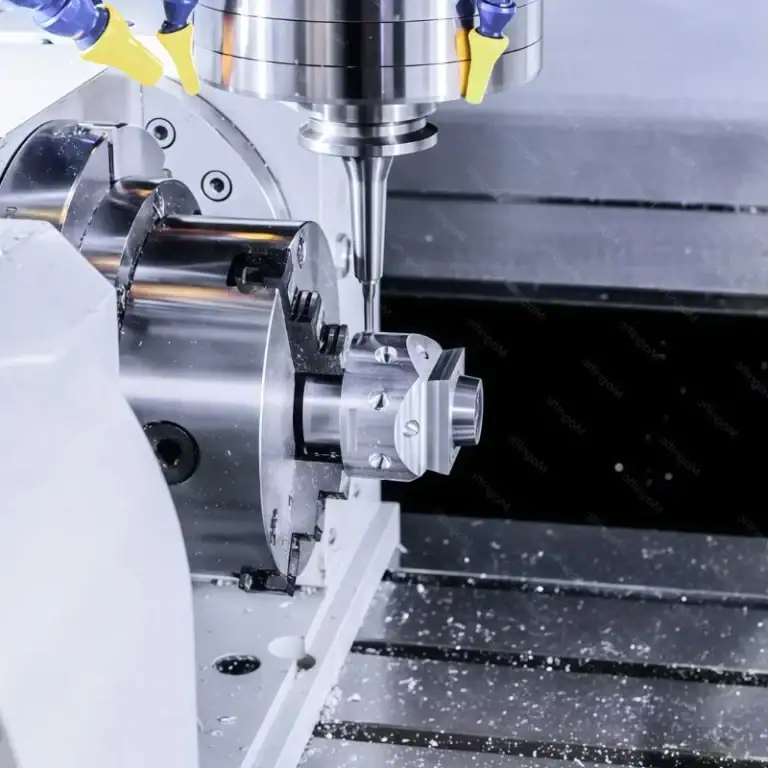
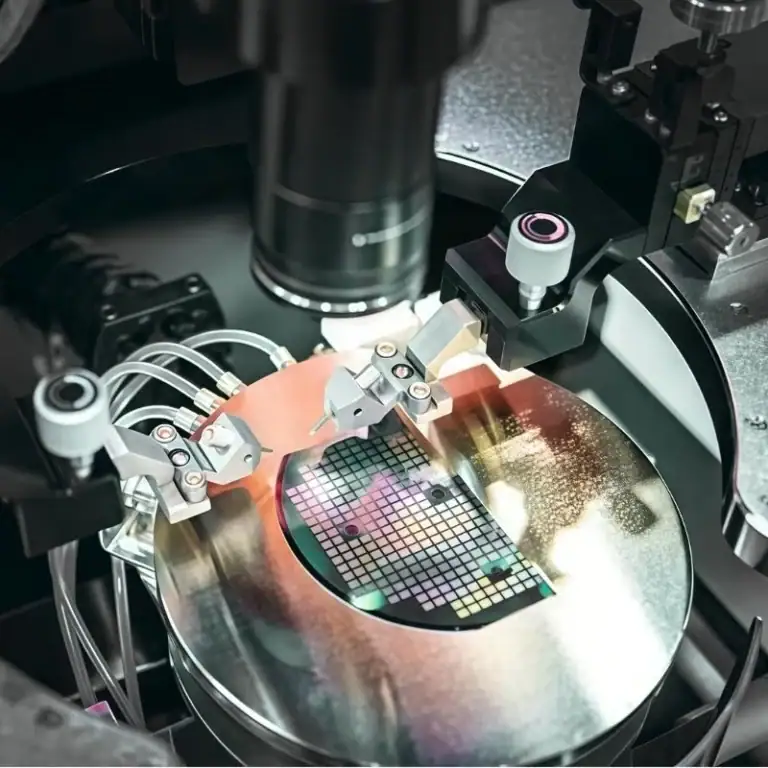
Medical-grade stainless steel is widely used in surgical instruments, implant components, and precision medical equipment. Compared with standard industrial parts, medical components require much higher standards for material purity, dimensional accuracy, surface finish, and long-term reliability. Even minor scratches, residual stress, or machining contamination can compromise product performance and safety. For this reason, precision machining for medical-grade stainless steel requires strict control throughout the entire manufacturing process, from material selection and machining to post-processing and quality inspection.
Material Selection and Pre-Processing Control for Medical-Grade Stainless Steel
The foundation of high-quality medical machining starts with the material itself. If the raw material lacks stability, even advanced CNC equipment cannot consistently produce parts that meet medical standards. Before precision machining begins, manufacturers should carefully evaluate the material grade, internal structure, and surface condition to establish a reliable foundation for high-quality production while minimizing manufacturing risks.
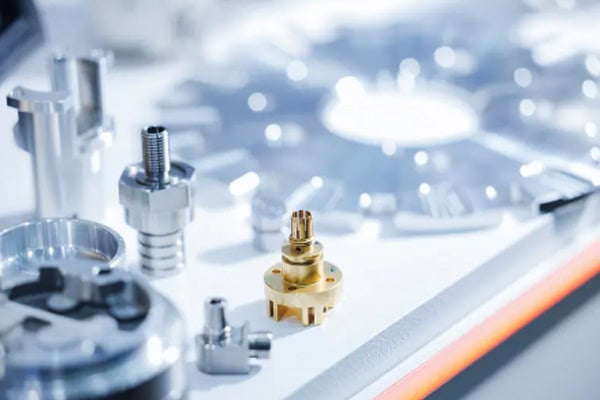
Select Stainless Steel That Meets Medical Standards
Medical-grade stainless steel requires strict control of its chemical composition and biocompatibility. Different grades offer different levels of corrosion resistance and machining performance.
- Common materials include low-carbon austenitic stainless steels such as 316L and 317L.
- Control sulfur, phosphorus, and other impurity elements.
- Materials should include medical certifications and complete batch traceability.
- Avoid replacing certified materials with general industrial-grade alternatives.
Higher-quality materials provide greater machining stability and reduce production risks.
Control Internal Stress and Material Structure
Residual stress is one of the primary causes of dimensional distortion in medical components, especially for precision parts with tight tolerances.
- Use solution-treated or stress-relieved materials.
- Avoid cold-worked materials without proper stabilization.
- Maintain a uniform grain structure throughout the material.
- Perform stabilization treatment for high-precision components before machining.
A stable material structure helps maintain dimensional accuracy throughout production.
Manage Initial Surface Condition
The initial surface condition directly affects machining efficiency and the final surface finish, making it an important factor in medical manufacturing.
- Avoid materials with heavy oxidation or severe contamination.
- Select raw materials with high surface cleanliness.
- Clean and degrease materials before machining.
- Prevent foreign particles from embedding into the workpiece surface.
Cleaner material surfaces contribute to more consistent machining quality.
Ensure Material Batch Consistency
Medical products require excellent consistency. Variations between material batches can significantly affect final product quality.
- Work with reliable suppliers to reduce material variation.
- Maintain consistent chemical composition across batches.
- Establish incoming material inspection procedures.
- Avoid mixing different batches for critical medical components.
Stable material batches support consistent large-scale production.
Key Process Controls During Precision Machining
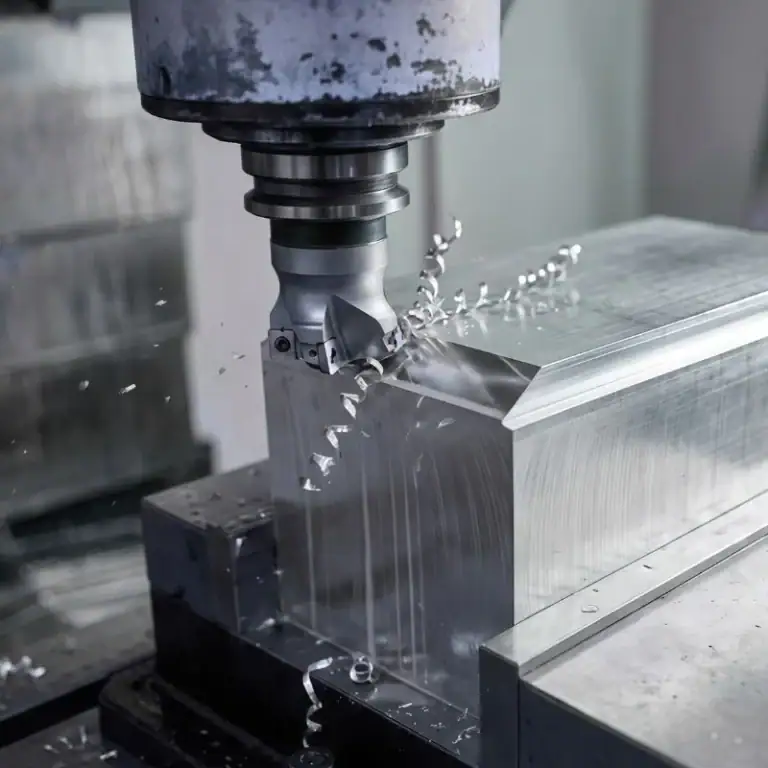
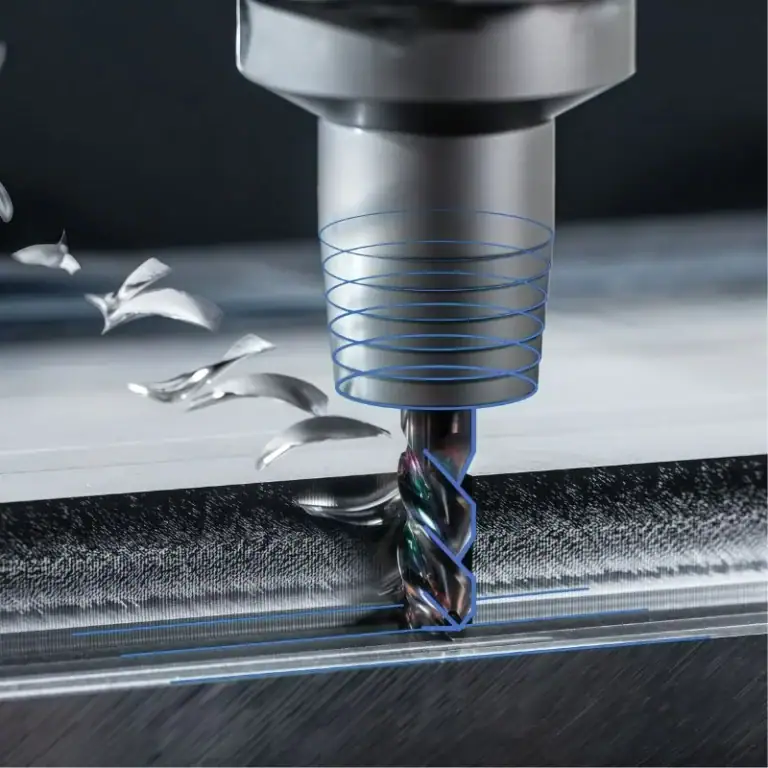
Medical-grade stainless steel is prone to work hardening, accelerated tool wear, and surface quality fluctuations during machining. Every machining parameter directly influences the dimensional accuracy and surface integrity of the finished component. Establishing a stable and repeatable machining strategy is essential for producing reliable medical parts.
Optimize Cutting Parameters to Prevent Work Hardening
Improper cutting parameters accelerate tool wear and reduce machining quality.
- Use lower cutting speeds to minimize heat buildup.
- Maintain stable feed rates to prevent localized overheating.
- Apply step-by-step cutting to reduce cutting loads.
- Avoid prolonged cutting at the same location.
Proper cutting parameters improve machining consistency.
Select Appropriate Cutting Tools and Manage Tool Life
Tool condition directly determines the surface finish and dimensional accuracy required for medical products.
- Use wear-resistant coated carbide cutting tools.
- Maintain sharp cutting edges to reduce material deformation.
- Replace tools regularly before excessive wear develops.
- Assign dedicated tools for critical machining operations.
Stable tool performance ensures consistent production quality.
Control Vibration and Improve Fixturing Rigidity
Medical components often feature delicate geometries that are highly sensitive to vibration.
- Use rigid fixtures to minimize movement.
- Reduce tool overhang to improve stiffness.
- Optimize toolpaths to minimize sudden directional changes.
- Machine in stages to reduce cutting loads.
Effective vibration control improves dimensional precision and surface quality.
Minimize Thermal Deformation During Machining
Because stainless steel has relatively low thermal conductivity, excessive heat can cause dimensional deviations.
- Control cutting heat throughout machining.
- Use sufficient coolant to stabilize temperature.
- Divide machining into multiple stages.
- Avoid continuous heavy cutting for extended periods.
Thermal stability is essential for maintaining machining accuracy.
Surface Quality and Clean Manufacturing Requirements
Medical-grade stainless steel requires not only dimensional precision but also exceptional surface quality and cleanliness. Even microscopic contamination or surface defects may compromise biocompatibility and long-term reliability. Strict environmental control and proper finishing processes are essential throughout production.
Maintain Medical-Grade Surface Finish
A smooth surface helps reduce bacterial adhesion and improves corrosion resistance.
- Combine precision machining with ultra-finishing processes.
- Maintain surface roughness within medical standards.
- Eliminate tool marks and chatter marks.
- Perform multiple finishing passes on critical surfaces.
Higher surface quality contributes directly to improved product safety.
Maintain a Clean Machining Environment
Environmental cleanliness is essential to prevent contamination during production.
- Maintain a low-dust, oil-free machining environment.
- Use dedicated cleaning solutions to remove machining residues.
- Prevent cross-contamination between different materials.
- Follow standardized clean operating procedures.
A clean production environment provides the foundation for medical-quality manufacturing.
Perform Proper Passivation and Surface Treatment
Post-processing enhances corrosion resistance and biocompatibility.
- Remove free iron through acid cleaning.
- Perform passivation to improve corrosion resistance.
- Maintain a uniform and stable surface finish.
- Prevent secondary contamination during processing.
Proper post-processing determines the final performance of medical components.
Quality Inspection and Medical Compliance
Medical components must pass strict inspection and compliance procedures before entering service. Quality verification should extend throughout the manufacturing process while maintaining complete production traceability.
High-Precision Dimensional Inspection
Medical components typically require extremely tight tolerances that demand advanced inspection equipment.
- Use coordinate measuring machines (CMMs) for dimensional verification.
- Perform 100% inspection on critical dimensions.
- Establish complete batch traceability records.
- Analyze abnormal measurement results immediately.
Comprehensive inspection provides the final guarantee of product quality.
Surface Defect and Microscopic Inspection
Even microscopic defects may affect medical product safety and reliability.
- Inspect for scratches, cracks, and inclusions.
- Use magnification or microscopic inspection equipment.
- Focus on critical functional surfaces.
- Ensure that no microscopic defects remain.
Surface integrity plays a critical role in product safety.
Verify Material and Process Compliance
Medical manufacturing requires strict compliance with industry regulations and quality standards.
- Ensure materials comply with medical certification requirements.
- Verify that manufacturing processes meet applicable industry standards.
- Maintain complete production traceability.
- Support customer audits and certification reviews.
Compliance is essential for entering the medical device industry.
Establish Complete Production Traceability
Medical manufacturing emphasizes full process traceability so that every component can be tracked throughout production.
- Record machining parameters and inspection data.
- Build complete batch production databases.
- Quickly identify the source of quality issues.
- Improve manufacturing transparency and reliability.
Strong traceability systems enhance manufacturing confidence and long-term quality management.
Medical-grade stainless steel machining is a highly systematic precision manufacturing process. From material selection and machining control to surface treatment and quality inspection, every step directly affects product safety, reliability, and long-term performance. Only through strict end-to-end process control can manufacturers consistently meet the demanding standards of the medical industry. Tirapid specializes in precision machining solutions, providing reliable manufacturing support for high-performance medical components.