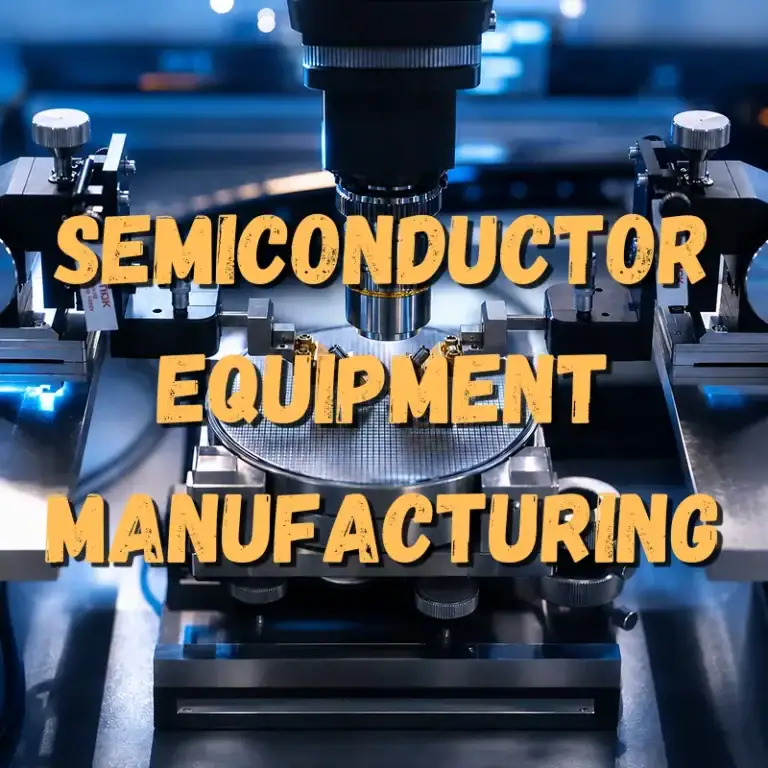
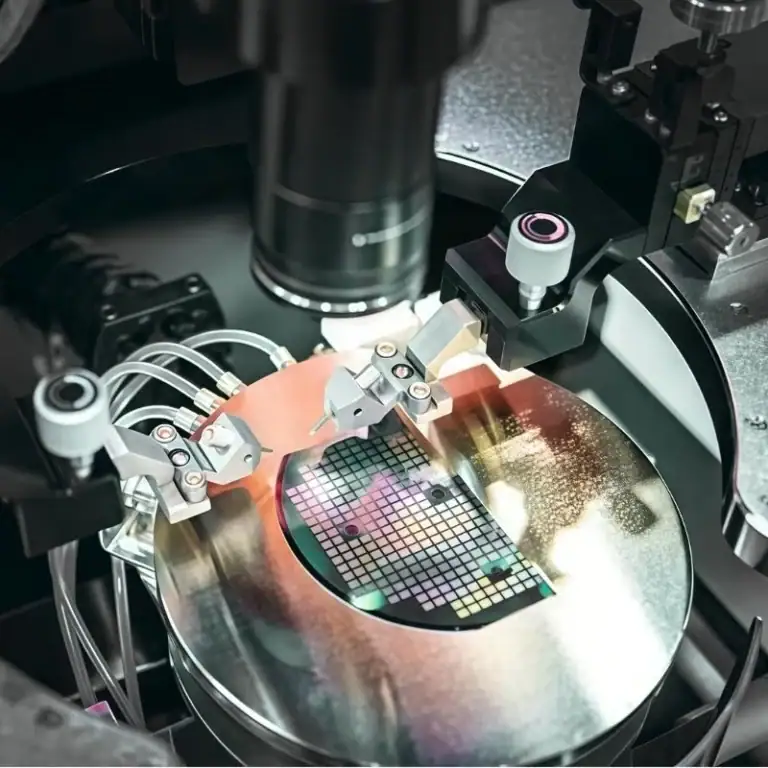
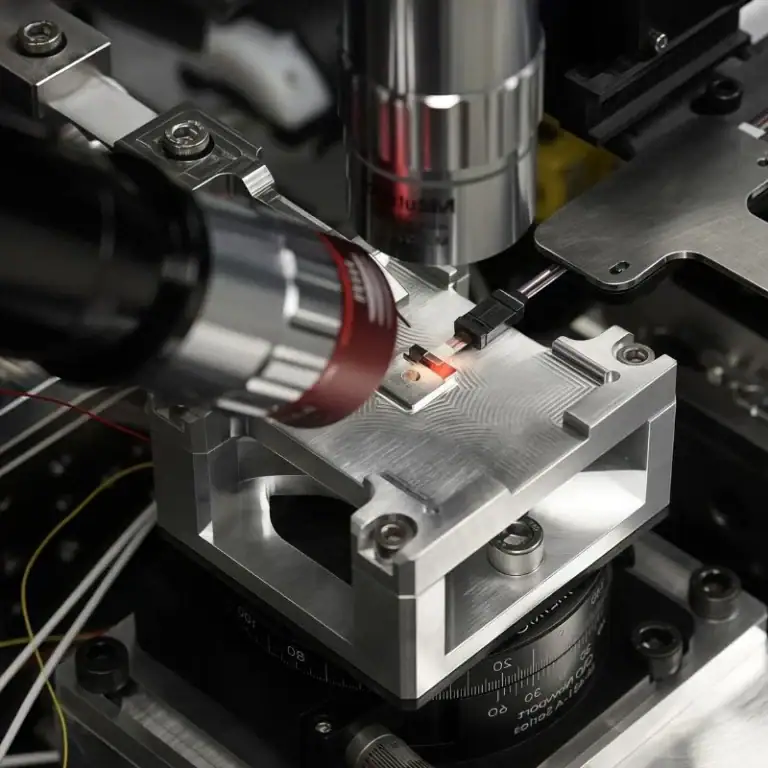
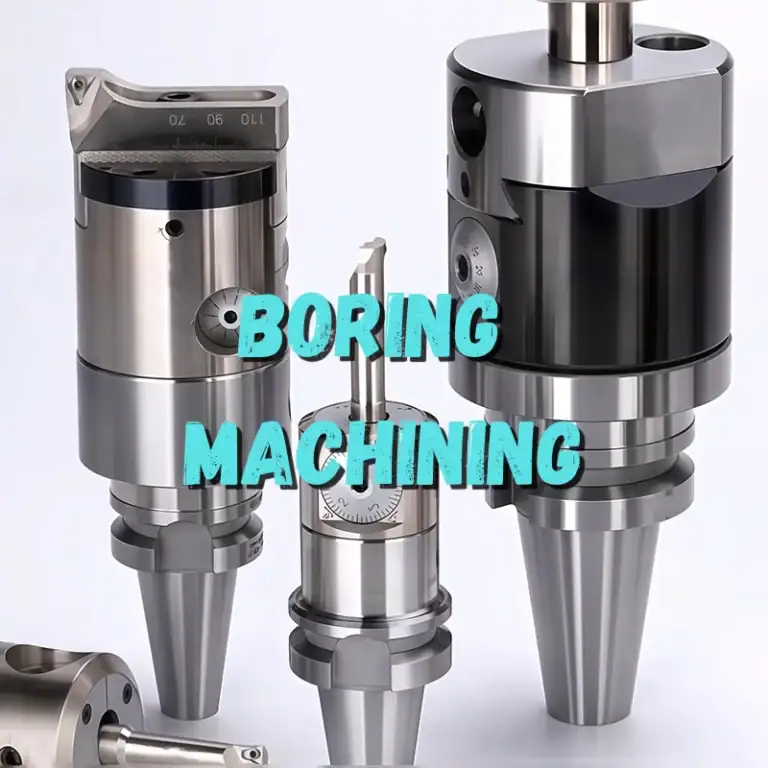
As the semiconductor industry continues to develop toward higher precision, miniaturization, automation, and advanced manufacturing processes, semiconductor production equipment has increasingly demanding requirements for dimensional accuracy, surface quality, material performance, cleanliness, and batch consistency. Wafer manufacturing, packaging and testing equipment, vacuum systems, gas delivery systems, wafer handling equipment, and automated production systems all rely on large numbers of precision-machined metal components. CNC turning uses numerical control programs to precisely control tool movement and can process stainless steel, aluminum alloys, copper alloys, titanium alloys, and selected engineering materials. It is well suited for manufacturing shafts, sleeves, fittings, valve components, flanges, positioning pins, threaded parts, and other precision rotational components. Semiconductor equipment often operates continuously for long periods, and dimensional deviations, burrs, particle contamination, or surface defects can affect equipment performance and manufacturing yield. By applying suitable turning processes, tool configurations, workholding methods, cooling strategies, and inspection procedures, manufacturers can improve dimensional consistency, reduce machining defects, and meet the strict requirements of semiconductor equipment manufacturing.
Semiconductor Equipment Requires High Precision CNC Turning Components
Although semiconductor equipment components are not always large, they generally require high dimensional accuracy, cleanliness, and operational stability. Wafer processing involves precision motion, gas control, vacuum environments, and automated handling, requiring mechanical components to maintain reliable mating and positioning. Excessive roundness deviation in a shaft can affect the smooth operation of a rotating mechanism, while dimensional instability in sealing components can compromise vacuum performance. Burrs or dimensional errors on threaded connectors can also make assembly more difficult. CNC turning provides precise digital control of tool paths and can be combined with high-accuracy machine tools, precision fixtures, and in-process inspection equipment to achieve stable dimensional control for semiconductor equipment components.
Precision Shaft Machining
Semiconductor equipment contains numerous shafts used for rotation, positioning, and power transmission, including drive shafts, positioning shafts, transmission shafts, and actuator shafts. These components generally require excellent roundness, concentricity, and external diameter accuracy because dimensional deviations can affect the stability of motion mechanisms. CNC turning can continuously machine external diameters, end faces, steps, grooves, and chamfers according to programmed instructions while maintaining accurate final dimensions.
- Control external diameter tolerances
- Improve roundness accuracy
- Maintain shaft journal concentricity
- Improve surface roughness
- Reduce assembly clearance variation
- Improve rotational stability
- Reduce mechanical vibration
- Extend component service life
After precision shaft machining is completed, dimensional inspection and surface inspection should be performed according to actual assembly requirements to ensure that components can be reliably installed inside semiconductor equipment.
Precision Sleeve and Positioning Component Machining
Sleeves, positioning rings, and guide components are commonly used to support, locate, and connect mechanical structures. Their internal and external diameter dimensions often require high consistency. CNC turning can complete external turning, internal boring, facing, grooving, and chamfering operations in an efficient sequence, reducing positioning errors caused by repeated workholding.
- Improve internal and external diameter concentricity
- Control bore dimensions
- Maintain end-face accuracy
- Reduce assembly deviations
- Improve guiding accuracy
- Reduce operating friction
- Maintain batch dimensional consistency
For high-precision positioning components used in semiconductor equipment, stable turning processes can reduce secondary fitting work and improve assembly efficiency.
CNC Turning Is Suitable for Vacuum System Components in Semiconductor Equipment
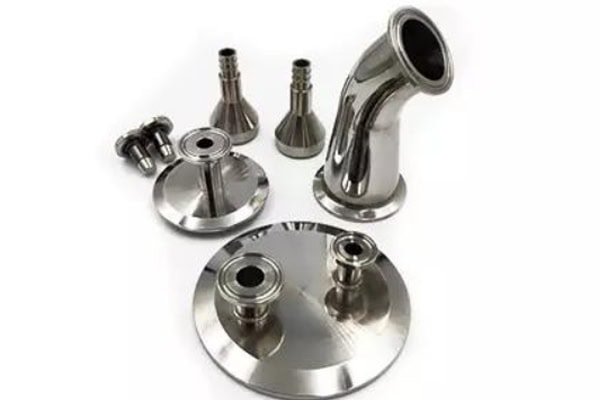
Vacuum systems are important components of many semiconductor manufacturing machines, and related parts require excellent sealing performance and dimensional accuracy. Vacuum fittings, sealing seats, flanges, valve connection components, and precision tubing interfaces can be manufactured through CNC turning. Machining must control not only dimensions but also surface roughness, burrs, and cleanliness. Scratches, burrs, or machining residues on component surfaces can affect sealing performance or create particle contamination. Through precision turning, deburring, cleaning, and inspection, manufacturers can improve the reliability of vacuum system components.
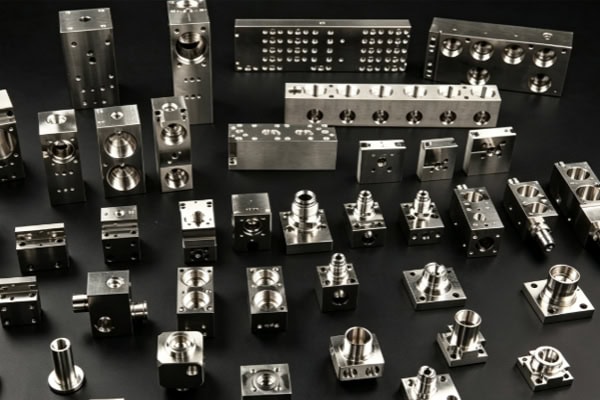
Vacuum Fitting and Connector Machining
Semiconductor equipment vacuum piping relies on numerous precision fittings. These components may contain external threads, internal threads, tapered surfaces, sealing grooves, and connection faces, all of which require accurate dimensions and high-quality surface conditions. CNC turning can produce complex profiles and threads according to programmed tool paths while reducing surface roughness through finishing operations.
- Precision internal and external thread machining
- Control sealing cone dimensions
- Maintain connection face accuracy
- Reduce burr formation
- Improve assembly consistency
- Enhance sealing reliability
- Support batch production
- Reduce manual finishing requirements
High-quality vacuum fittings improve piping connection reliability and help reduce leakage and assembly difficulties.
Vacuum Flange and Sealing Structure Machining
Vacuum flanges must accurately match corresponding equipment interfaces. Their sealing grooves, positioning structures, and connection features require strict dimensional control. CNC turning can machine external diameters, internal bores, end faces, and sealing grooves efficiently while maintaining stable critical dimensions.
For semiconductor equipment requiring high cleanliness, components must also undergo thorough cleaning after machining to remove cutting fluids, metal particles, and other residues. A controlled process covering machining, deburring, cleaning, inspection, and packaging can improve component cleanliness before delivery.
CNC Turning Meets the Special Material Requirements of Semiconductor Equipment
Materials used in semiconductor equipment components often need to combine strength, corrosion resistance, dimensional stability, thermal performance, and cleanliness. Common materials include stainless steel, aluminum alloys, copper alloys, and selected high-performance metals. Different materials have different cutting resistance, thermal conductivity, chip formation behavior, and tool wear characteristics, so machining parameters and processes must be adjusted according to material properties.
Precision Stainless Steel Turning
Stainless steel offers excellent corrosion resistance and mechanical strength and is widely used for vacuum system fittings, valve components, structural connectors, and other semiconductor equipment parts. Stainless steel turning can generate work hardening and relatively high cutting temperatures, requiring tools with good wear resistance and impact resistance. Cutting speed, feed rate, and depth of cut must also be carefully controlled.
- Select carbide tools suitable for stainless steel
- Control cutting speed
- Maintain stable feed rates
- Improve chip-breaking performance
- Strengthen cooling and lubrication
- Control work hardening
- Reduce abnormal tool wear
- Improve surface machining quality
A stable stainless steel turning process improves dimensional consistency and reduces quality fluctuations during batch production.
Precision Aluminum Alloy Turning
Aluminum alloys are lightweight, thermally conductive, and relatively easy to cut, making them suitable for lightweight structural components, connectors, mounting components, and selected motion parts in semiconductor equipment. Aluminum alloys can generally be machined at relatively high cutting speeds, but tools must remain sharp to prevent material from adhering to the cutting edge.
- Support high-speed machining
- Increase material removal rates
- Improve machining efficiency
- Reduce tool loading
- Achieve good surface quality
- Support lightweight designs
- Shorten component machining cycles
Proper tool selection and cutting parameters help aluminum components maintain stable dimensional accuracy while improving batch manufacturing efficiency.
Precision Copper Alloy Turning
Copper alloys provide excellent electrical and thermal conductivity and can be used for electrical connection components, conductive parts, and precision fittings in semiconductor equipment. During copper alloy turning, material ductility and chip control must be considered. Proper cutting edge geometry and machining parameters can reduce burrs and chip entanglement.
- Improve dimensional control
- Improve chip evacuation
- Reduce burr formation
- Maintain surface quality
- Control tool wear
- Improve production efficiency
After copper alloy components are turned, they should also undergo appropriate cleaning and inspection to ensure that they meet semiconductor equipment assembly and cleanliness requirements.
CNC Turning Improves Component Consistency in Semiconductor Equipment
Semiconductor equipment manufacturers often require stable long-term supplies of components with identical specifications. Significant dimensional variation between production batches can affect equipment assembly and operational accuracy. CNC turning uses digital programs to standardize tool paths and machining parameters, reducing variations caused by manual operations. After first-piece inspection, proven programs can be used for subsequent batch production. Combined with tool compensation and in-process sampling, this approach can control dimensional changes that occur during continuous machining. For semiconductor equipment components supplied over long periods, manufacturers can also establish dedicated process databases containing programs, tools, fixtures, and inspection records to improve repeat-order production efficiency.
Standardized Programs Control Machining Dimensions
Standardized CNC programs can define tool paths, spindle speeds, feed rates, machining sequences, and tool-changing logic, allowing identical components to be manufactured using consistent processes.
- Fixed machining coordinates
- Fixed tool paths
- Fixed cutting parameters
- Fixed tool-changing sequences
- Fixed inspection requirements
- Stored historical machining programs
- Improved repeat-production efficiency
Once a proven program has been verified, it can reduce repeated trial cuts and setup time while maintaining a more consistent production cycle for long-term orders.
In-Process Inspection Controls Batch Quality
During batch production, tool wear and machine thermal stability must be monitored. Regular sampling of critical dimensions can identify dimensional drift and allow timely tool compensation.
- Inspect external diameters
- Inspect internal bores
- Inspect component lengths
- Check concentricity
- Check roundness
- Check thread accuracy
- Check surface roughness
In-process inspection reduces the risk of producing large quantities of out-of-tolerance components and helps manufacturers establish complete production quality records.
Semiconductor Equipment CNC Turning Requires Strict Clean Machining Control
Semiconductor manufacturing environments are highly sensitive to particle contamination, meaning that dimensional compliance alone is not sufficient for precision components. Metal chips, oil residues, burrs, and cleaning residues can affect subsequent equipment operation. CNC turning manufacturers should establish appropriate deburring, cleaning, drying, and packaging procedures according to customer requirements and cleanliness specifications. For components installed inside high-cleanliness equipment, suitable cleaning methods and packaging materials should be selected to prevent contamination during transportation and assembly.
Deburring and Surface Treatment
Small burrs created during turning can affect assembly and may detach during equipment operation, creating unwanted particles. After machining, components should undergo manual or specialized deburring according to their structure, followed by inspection of critical surfaces.
- Remove burrs from openings
- Clean thread edges
- Inspect sealing groove edges
- Check end-face conditions
- Remove metal particles
- Control surface scratches
- Improve assembly safety
A stable deburring process improves assembly quality and helps reduce particle contamination risks.
Cleaning and Clean Packaging
After precision components are machined and deburred, cutting fluids, oils, and fine metal particles must be removed. Depending on the cleanliness requirements specified by the customer, suitable cleaning, drying, and packaging procedures can be selected.
After cleaning, components should be protected from recontamination and isolated using suitable packaging. For high-cleanliness semiconductor equipment components, standardized cleaning and packaging procedures can improve final product quality and delivery reliability.
CNC Turning Supports Batch Production of Semiconductor Equipment Components
Semiconductor equipment manufacturing requires not only precision prototypes during development but also stable supplies of production components. CNC turning can improve repeat-production capability through standardized programs, fixed tool configurations, and automated equipment. For vacuum fittings, positioning pins, sleeves, threaded components, flange accessories, and connection components with stable structures, batch turning can reduce repeated setup time and lower unit manufacturing costs.
Automated Loading and Unloading Improves Production Efficiency
When semiconductor equipment component orders reach sufficient production volumes, automatic bar feeders and robotic systems can supply raw materials and unload finished components, reducing time losses associated with manual workholding.
- Automatic material feeding
- Automatic loading and unloading
- Automatic chip removal
- Automated tool management
- In-process dimensional inspection
- Batch production records
Automated manufacturing improves machine utilization and helps maintain a more stable production rhythm.
Data Management Improves Production Traceability
Semiconductor equipment components often have strict quality requirements, making production data management particularly important. By recording machine numbers, CNC program versions, material batches, tool conditions, inspection results, and production dates, manufacturers can establish complete production traceability.
When a quality issue occurs, production records can help identify the relevant batch and machining equipment quickly, reducing troubleshooting time and providing useful data for subsequent process optimization.
CNC turning has significant value in semiconductor equipment manufacturing and can be used to produce precision shafts, sleeves, positioning components, vacuum fittings, flange accessories, valve components, threaded connectors, and electrical connection components. Semiconductor equipment components require not only stable dimensional accuracy but also excellent surface quality, suitable material properties, cleanliness, and batch consistency. Manufacturers must develop appropriate processes according to component geometry, material characteristics, machine performance, and customer cleanliness requirements. By combining high-precision CNC lathes, suitable cutting tools, stable fixtures, precision inspection, effective cooling, deburring, cleaning, and clean packaging, manufacturers can improve machining quality and delivery reliability. As wafer manufacturing, semiconductor packaging and testing, semiconductor automation equipment, and advanced process equipment continue to develop, demand for high-precision mechanical components will continue to grow, making CNC turning increasingly important in precision semiconductor equipment manufacturing.