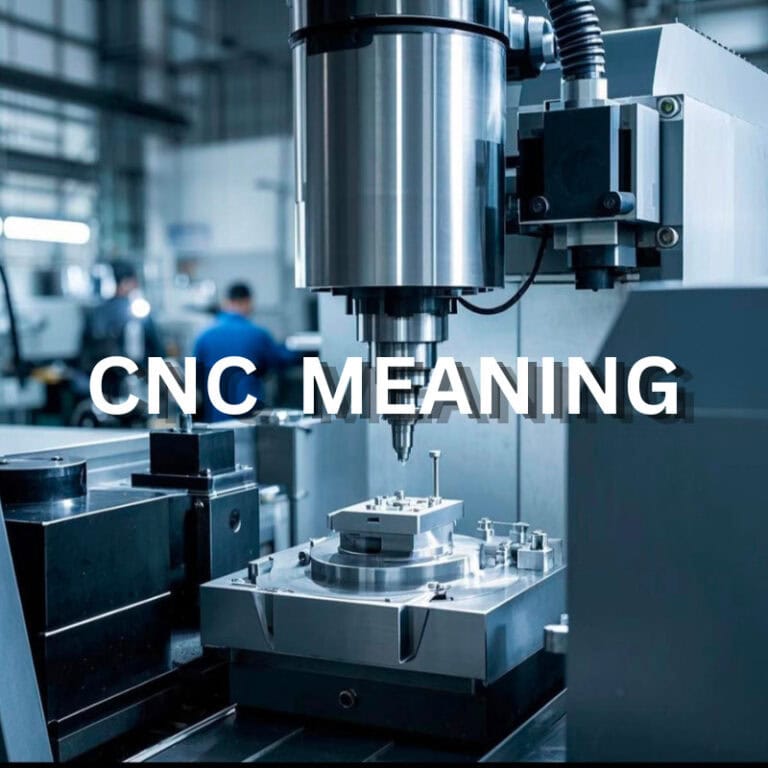
Aerospace products typically go through multiple stages during development, including design, prototyping, testing, modification, and validation. Compared with mass production, prototype parts machining places greater emphasis on machining precision, response speed, material compatibility, and manufacturing flexibility. Aerospace prototype components often feature complex structures, tight dimensional tolerances, and specialized materials, making it challenging for conventional manufacturing methods to meet both development efficiency and part quality requirements. Precision CNC machining provides an efficient solution for producing aerospace prototypes directly from 3D models or engineering drawings, supporting product development and functional validation.
Get 20% offf
Your First Order
Need custom metal and plastic parts?
Key Features of Aerospace Prototype Parts Machining
Complex Structures and High Precision Requirements
Aerospace components commonly feature thin walls, deep cavities, curved surfaces, irregular contours, precision holes, and multi-angle machining surfaces. Although prototype parts are usually produced in small quantities, they still need to closely match the dimensions and structural requirements of the final product for assembly and functional testing.
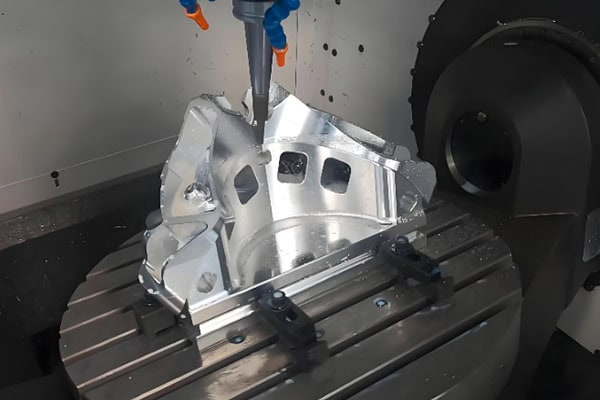
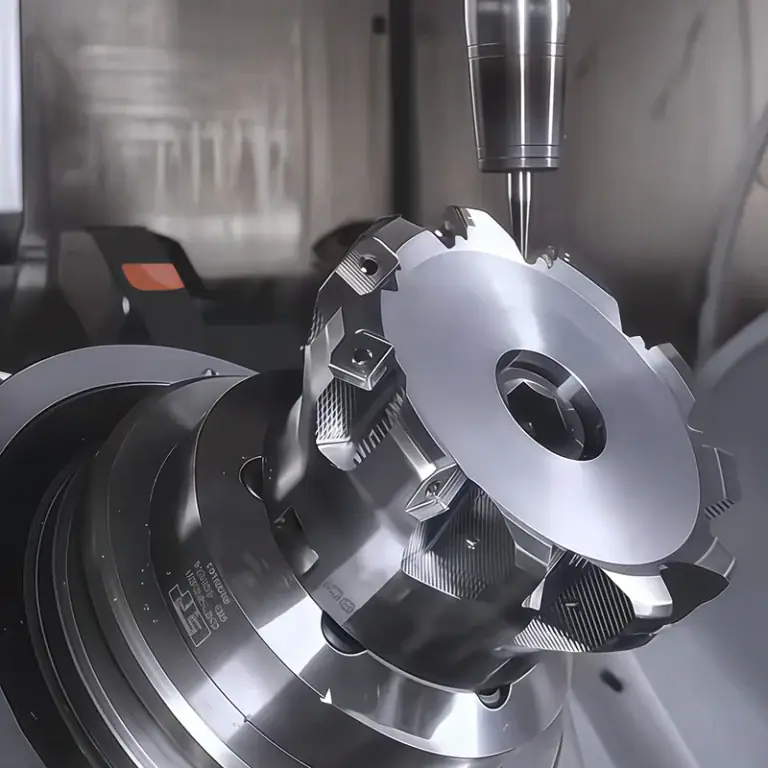
3-axis, 4-axis, and 5-axis CNC machining can be selected according to the geometry of the component. For aerospace prototypes with multiple complex surfaces and machining faces, 5-axis CNC machining can reduce the number of setups and improve consistency across different surfaces.
Wide Range of Materials
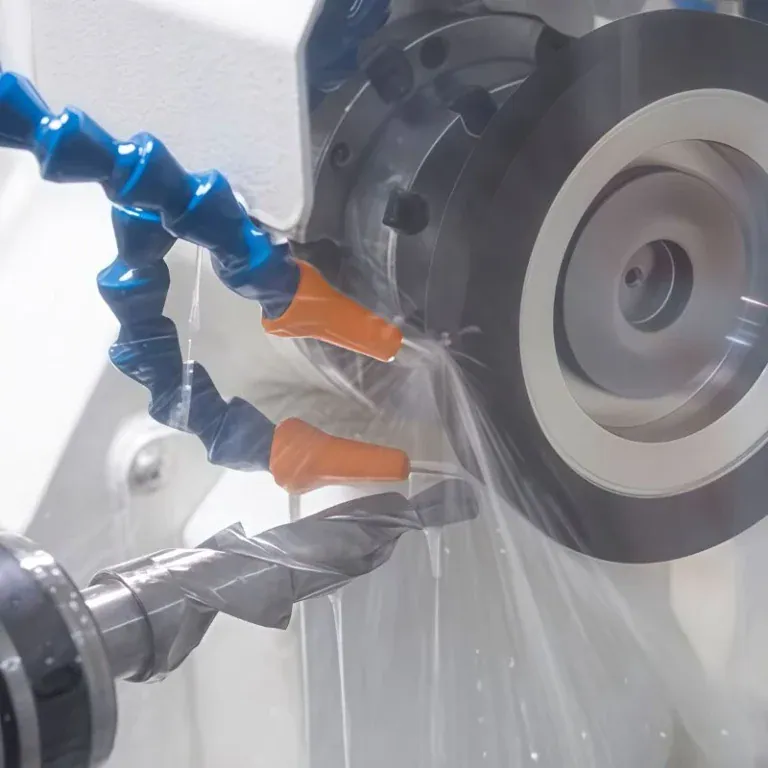
Aerospace prototype parts are not limited to conventional aluminum alloys. They may also be manufactured from titanium alloys, stainless steel, high-temperature alloys, and engineering plastics. Different materials have different requirements for cutting tools, cutting speeds, feed rates, and cooling methods.
Therefore, the machining process should be developed according to the intended application and material properties of the component. Proper material and process selection can help prevent machining issues that could affect prototype testing and validation.
Aerospace Prototype Parts Machining Solutions
CNC Milling for Rapid Prototype Manufacturing
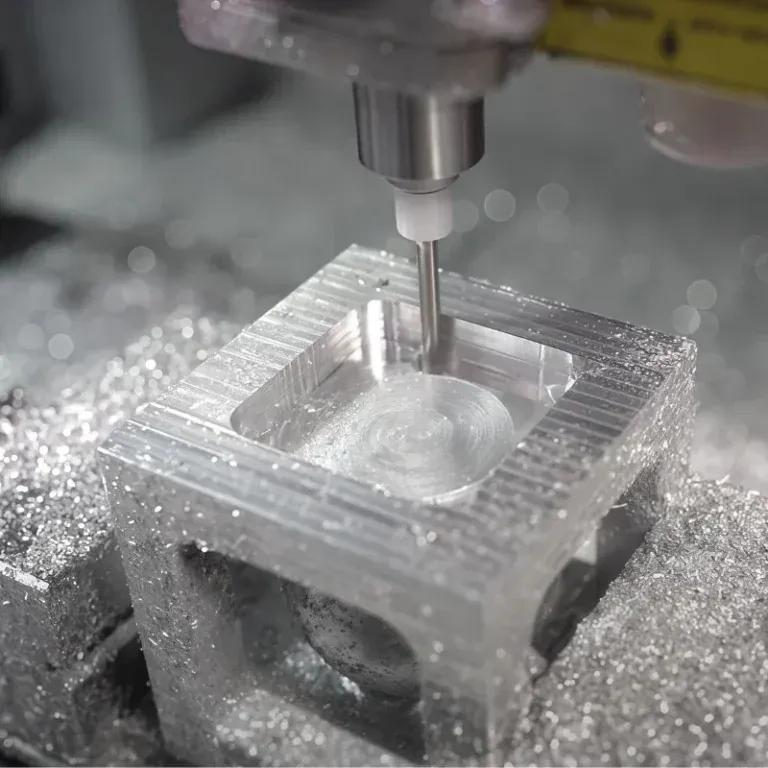
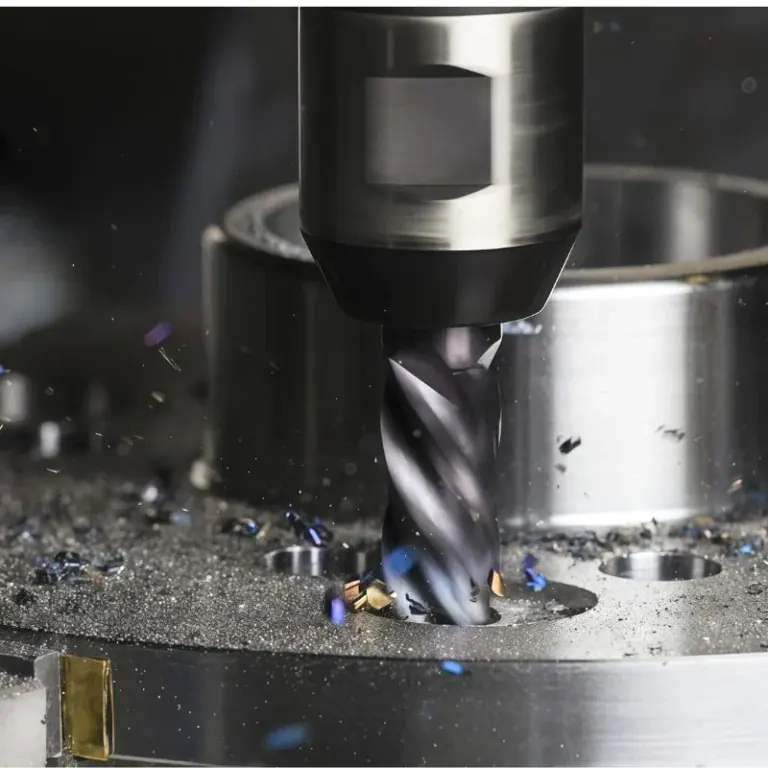
CNC milling is suitable for aerospace brackets, housings, connectors, mounting bases, structural components, and other prototype parts. Depending on the component geometry, 3-axis, 4-axis, or 5-axis CNC machining can be selected.
For relatively simple components, 3-axis CNC machining can meet basic manufacturing requirements. For complex curved surfaces, angled features, and multi-sided structures, 5-axis machining provides greater flexibility while reducing positioning errors caused by repeated setups.
CNC Turning for Precision Rotational Components
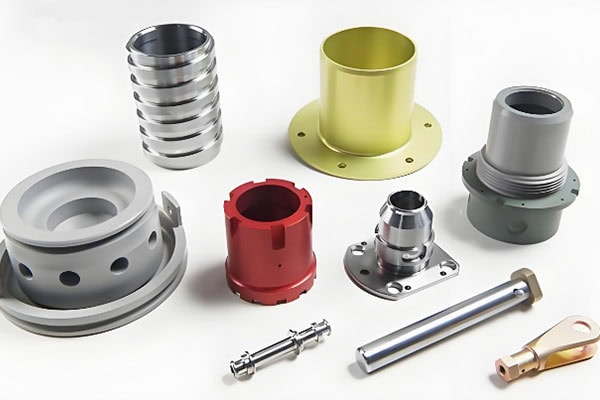
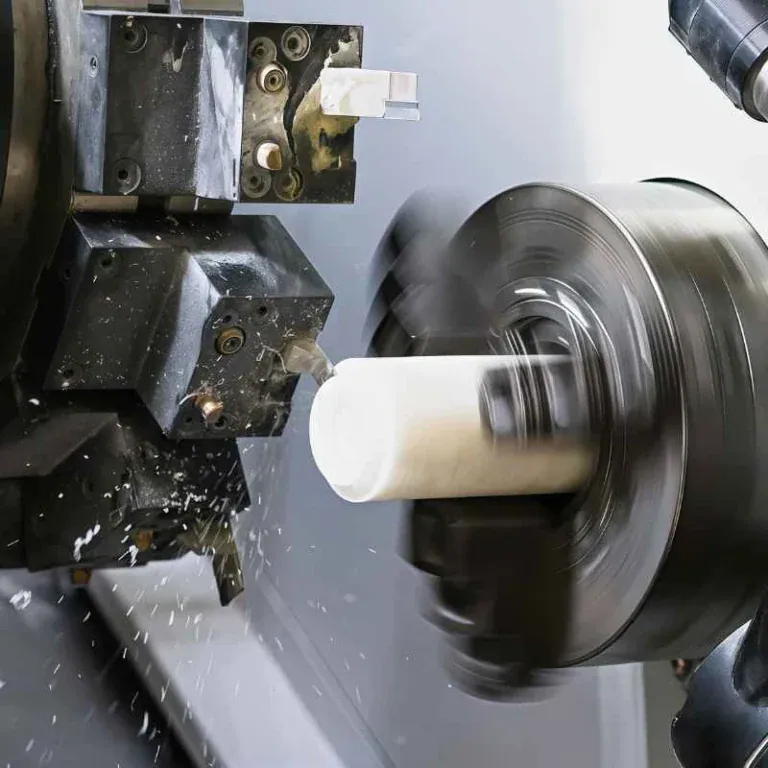
During aerospace product development, prototype shafts, sleeves, pins, connectors, and other rotational components are frequently required. CNC turning can effectively control external diameters, internal bores, threads, and end-face dimensions, making it suitable for small components requiring high dimensional accuracy and concentricity.
For components requiring both turning and milling operations, combined machining processes can be used to manufacture complex geometries while reducing the number of transfers between different machines.
Wire EDM for Special Geometries
Narrow slots, complex contours, and certain structures that are difficult to machine with conventional cutting tools can be produced using wire EDM and other precision machining processes.
By combining CNC milling, CNC turning, wire EDM, and other machining methods, manufacturers can develop a more flexible production solution for aerospace prototype parts.
Machining Options for Different Aerospace Prototype Parts
Prototype Part Type
Recommended Process
Common Materials
Key Machining Requirements
Aerospace Brackets
3/5-Axis CNC Milling
Aluminum Alloy, Titanium Alloy
Structural accuracy, lightweight design
Prototype Housings
5-Axis CNC Milling
Aluminum Alloy, Titanium Alloy
Curved surfaces, thin walls, hole positioning
Precision Shafts
CNC Turning
Stainless Steel, Titanium Alloy
Concentricity, dimensional accuracy
Connectors
CNC Milling / Turning
Aluminum Alloy, Stainless Steel
Threads, assembly accuracy
Special Contour Parts
CNC / Wire EDM
Titanium Alloy, Steel
Contour accuracy, fine features
How Aerospace Prototype Machining Improves Development Efficiency
Direct Transition from Design Files to Machining
Prototype manufacturing requires a fast response to design changes. CNC machining based on 3D CAD models and engineering drawings can reduce the preparation time associated with conventional tooling. When the design is modified, machining programs and models can be updated accordingly, providing greater flexibility during the development stage.
DFM Analysis to Reduce Prototype Manufacturing Risks
Aerospace components often have highly complex geometries. If machining begins without adequate design-for-manufacturing analysis, problems such as inaccessible features, excessively thin walls, and difficult-to-machine deep cavities may occur.
DFM analysis before production can evaluate material selection, component geometry, machining methods, fixturing, and tool accessibility. Potential manufacturing problems can then be identified and addressed in advance, reducing repeated prototyping and material waste.
Smooth Transition from Prototypes to Small-Batch Production
An effective prototype machining solution should not only produce functional samples but also consider subsequent small-batch manufacturing. Once a prototype has passed testing and the design has been finalized, established CNC machining processes can be continued for small-batch production, reducing the time required to develop new manufacturing processes.
TiRapid Aerospace Prototype Parts Machining Services
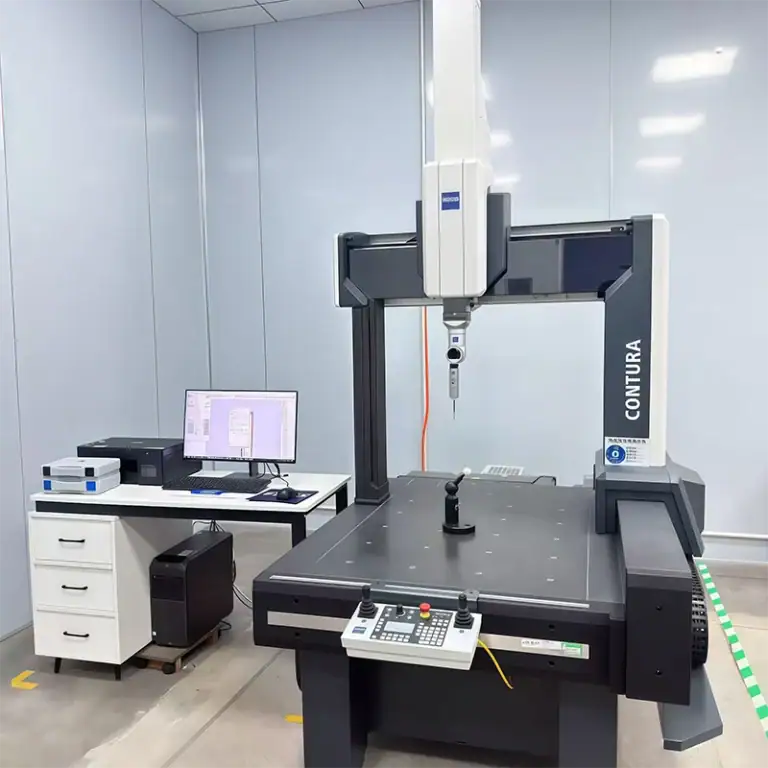
Aerospace prototype parts machining requires advanced equipment, material expertise, and effective quality control. TiRapid provides CNC milling, 5-axis CNC machining, CNC turning, wire EDM, and other machining capabilities, allowing suitable manufacturing processes to be selected according to the geometry and material of different aerospace components.
From single prototypes to small-batch production, TiRapid can provide manufacturing support based on product design files, material selection, machining processes, and quality inspection requirements. Through flexible CNC machining solutions, aerospace companies can obtain physical prototypes more efficiently for assembly verification, performance testing, and design optimization.
For aerospace development projects, prototype parts machining is not simply one step in product development. It is also an important method for validating design manufacturability. By combining precision CNC machining, DFM optimization, and quality inspection, manufacturers can shorten development cycles, improve consistency between prototypes and design specifications, and establish a reliable foundation for subsequent small-batch production and product finalization.
Author
Galen Director and Founder
Committed to ensuring we provide the best possible service in the manufacturing industry.
CNC plastic machining is a subtractive manufacturing process that uses computer-controlled cutting tools to produce precision components from engineering plastics. It is widely used for prototypes, custom housings, bushings, gears,
A flat mounting face, a deep pocket, and a curved mold surface call for different cutting approaches. Choosing a milling cutter starts with understanding the feature to be produced, then
Aluminum is a weakly paramagnetic metal, meaning it responds slightly to an external magnetic field but does not behave like iron or ordinary carbon steel. A typical refrigerator magnet will
Stiffness and strength are often treated as if they describe the same material behavior, but they answer different engineering questions. Stiffness tells you how much a material or part deforms
CNC machining is used to manufacture precise metal and plastic components for automotive, medical, aerospace, industrial equipment, and electronic products. It transforms raw material into functional parts through computer-controlled milling,
A shaft must enter its mating bore, a bearing must stay seated, and a cover must locate correctly on its housing. Each function permits some dimensional variation. The engineering task
SFM machining uses surface feet per minute to measure the cutting speed between a rotating tool and the workpiece. It helps machinists calculate suitable spindle speeds, control cutting conditions, and
CNC is one of the core technologies behind modern manufacturing. It allows machines to follow programmed instructions and produce parts with controlled dimensions, repeatable movements, and less dependence on manual
A machined housing can have correctly sized holes and still fail to assemble if those holes are in the wrong locations. Checking each diameter tells you only part of the
Grinding is a precision machining process that removes material from a workpiece using a rotating abrasive wheel. Unlike conventional cutting tools, which remove material with defined cutting edges, grinding uses
A bracket may need a curved edge to clear an adjacent component. A housing may require an accurately shaped internal wall, while a mold needs a continuous surface that defines
The main spindle is one of the most important assemblies in a CNC machine. It provides the rotational motion required for cutting, holds either the cutting tool or the workpiece,