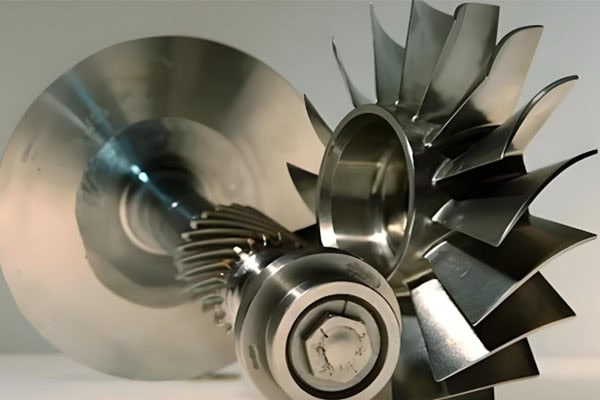
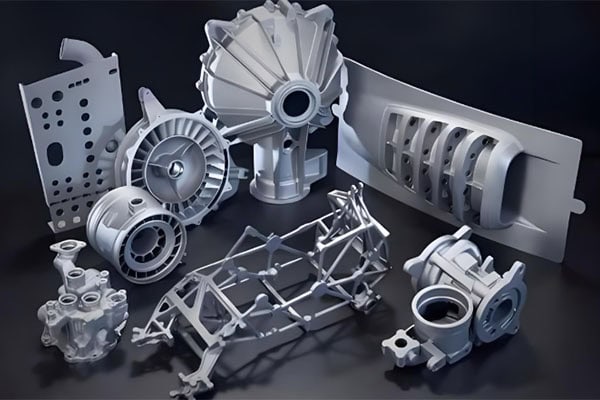
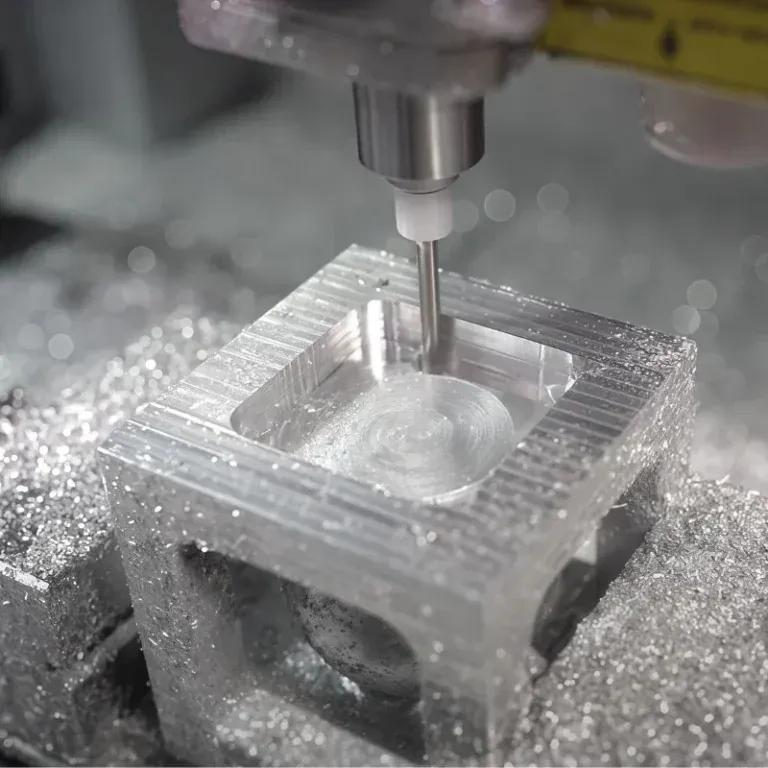
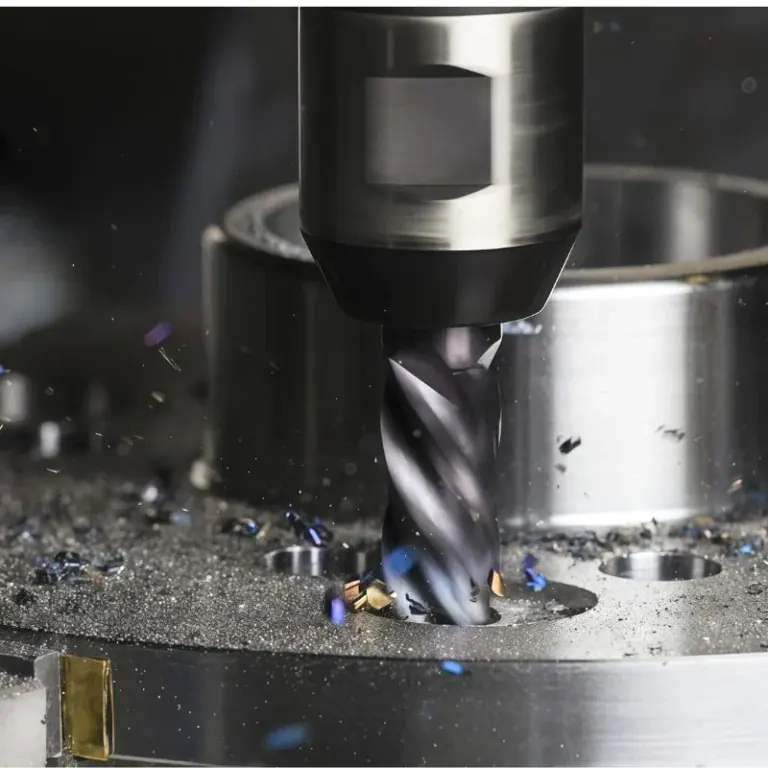
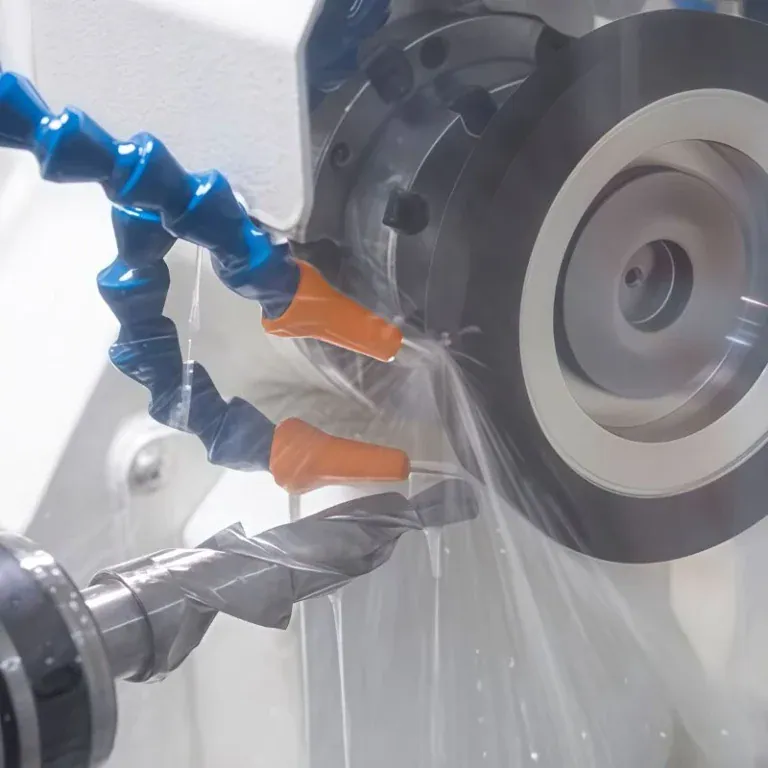
Aerospace components have high requirements for dimensional accuracy, material performance, structural reliability, and manufacturing consistency. Unlike the automotive and consumer electronics industries, aerospace projects often involve prototypes, equipment upgrades, test parts, and components for specific aircraft models. As a result, small-batch CNC machining needs to balance precision, flexibility, lead time, and cost. TiRapid offers 3-axis, 4-axis, and 5-axis CNC machining, CNC turning, wire EDM, and other capabilities to support different requirements from prototyping to small-batch production.
Get 20% offf
Your First Order
Need custom metal and plastic parts?
Key Features of Small-Batch Aerospace Parts Machining
Low Production Volume and Complex Structures
Aerospace projects typically do not begin with mass production. Many components need to go through design verification, functional testing, and assembly validation before entering larger-scale manufacturing. Small-batch CNC machining allows manufacturers to produce a limited number of prototypes or test parts without investing heavily in tooling and large-scale production resources.
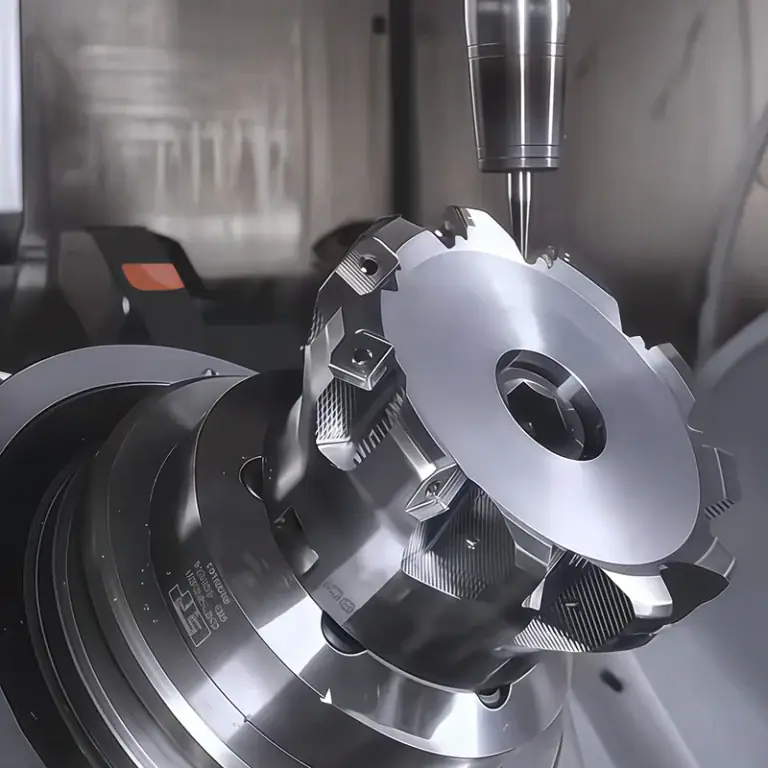
For components featuring curved surfaces, deep cavities, holes, and multi-angle structures, 5-axis CNC machining can reduce the number of setups and improve machining efficiency for complex surfaces. TiRapid’s 5-axis machining capabilities can be used for complex geometries and support parts up to 600 mm in length.
Strict Material and Precision Requirements
Aerospace components are commonly manufactured from aluminum alloys, titanium alloys, stainless steel, high-temperature alloys, and engineering plastics. Different materials have different hardness, thermal conductivity, and cutting characteristics, requiring appropriate tools, cutting parameters, and machining methods.
TiRapid supports a range of aerospace-grade materials, including 7075 aluminum, 2024 aluminum alloy, Ti-6Al-4V titanium alloy, 17-4PH stainless steel, and Inconel 625/718. This allows machining processes to be matched to the specific requirements of different aerospace components.
Small-Batch Aerospace Parts Machining Solutions
CNC Milling
Aerospace brackets, connectors, housings, mounting bases, and structural components can be manufactured using 3-axis, 4-axis, or 5-axis CNC milling according to the part design.
Simple components can be produced with 3-axis machining to help control costs, while complex curved surfaces and multi-sided structures are better suited to 5-axis machining. This can reduce repeated positioning and improve dimensional consistency.
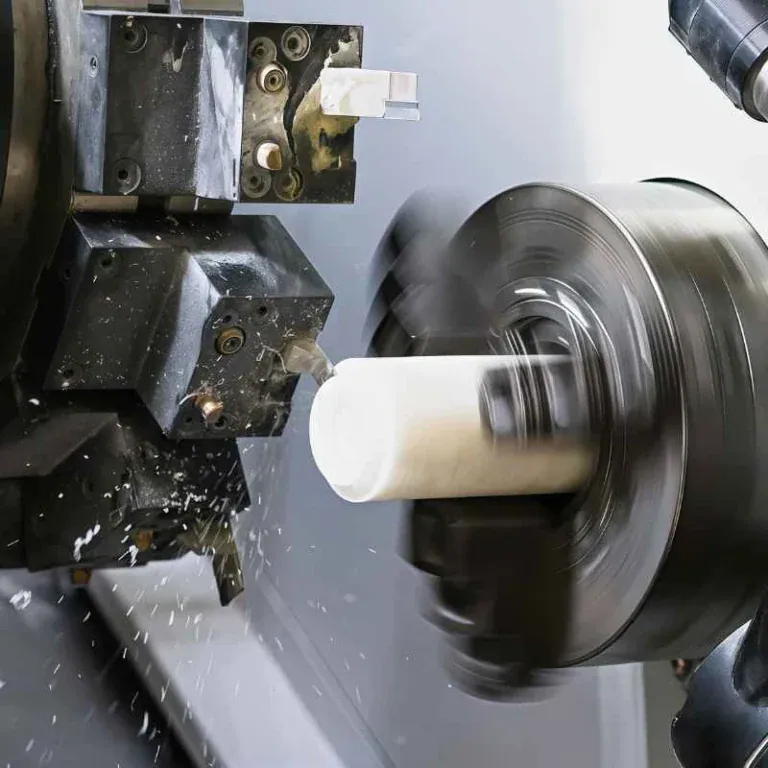
CNC Turning
Shafts, pins, bushings, threaded components, and certain engine-related parts are commonly manufactured through CNC turning. For small cylindrical components requiring high dimensional accuracy, CNC turning can provide stable and consistent results.
TiRapid’s CNC turning capabilities support parts as small as 2 mm and provide machining solutions for small-batch manufacturing requirements.
Wire EDM and Precision Machining
For narrow slots, complex contours, special hole geometries, and structures that are difficult to produce with conventional cutting tools, wire EDM can be combined with other machining processes.
By integrating milling, turning, wire EDM, and other precision machining technologies, manufacturers can overcome the limitations of a single machining method and create more flexible production solutions.
Machining Options for Different Aerospace Components
Aerospace Component
Recommended Process
Common Materials
Key Machining Requirements
Structural Brackets
3/5-Axis CNC Milling
Aluminum Alloy, Titanium Alloy
Lightweight design, dimensional accuracy
Precision Housings
5-Axis CNC Milling
Aluminum Alloy, Titanium Alloy
Complex surfaces, hole positioning
Shaft Components
CNC Turning
Stainless Steel, Titanium Alloy
Concentricity, cylindricity
Connectors
CNC Milling / Turning
Aluminum Alloy, Stainless Steel
Thread and assembly accuracy
Small Precision Parts
Turning / Wire EDM
Steel, Copper, Titanium Alloy
Micro features, repeatability
How TiRapid Supports Small-Batch Aerospace Production
Flexible Transition from Prototypes to Small-Batch Production
Aerospace projects often require a small number of prototypes before moving into small-batch production. Test results may lead to design modifications and process adjustments. TiRapid supports production ranging from individual prototypes to small batches, helping customers reduce the transition costs between product development, testing, and production.
TiRapid’s website indicates that there is no minimum order quantity requirement for small-batch orders, allowing production quantities to be arranged according to project requirements.
DFM Support to Reduce Manufacturing Risks
Although aerospace components are often produced in relatively small quantities, design problems discovered after machining can significantly increase unit costs and lead times. DFM analysis is therefore important before production begins.
By reviewing wall thickness, hole diameter, corner radii, tool accessibility, and fixturing methods, potential manufacturing problems can be identified and addressed before machining. TiRapid provides DFM engineering support to help customers optimize component designs and reduce manufacturing risks.
Multi-Stage Quality Inspection
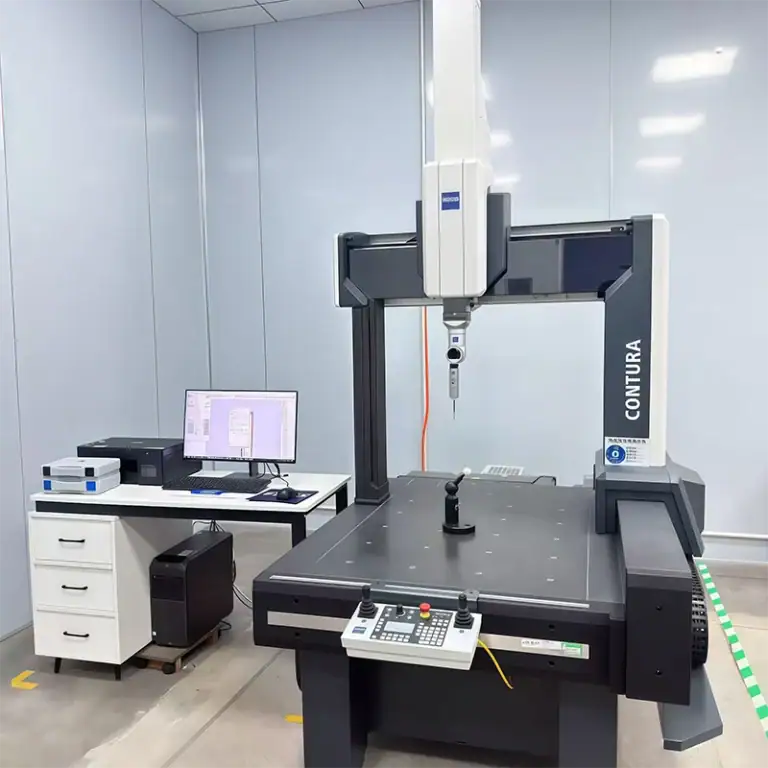
Aerospace components require stable dimensional consistency and reliable quality control. TiRapid applies quality control throughout the manufacturing process, including raw material inspection, in-process inspection, and final inspection.
CMM equipment can be used for dimensional inspection, while inspection reports can be provided for precision machining projects. This helps ensure that small-batch aerospace components meet specified dimensional and quality requirements.
Benefits of Small-Batch CNC Machining for Aerospace
For aerospace manufacturers, small-batch machining is more than simply producing fewer components. It provides a flexible manufacturing approach for product development, prototype testing, spare parts, equipment upgrades, and specialized aerospace projects while reducing the risks and costs associated with early-stage production.
By selecting appropriate CNC milling, CNC turning, 5-axis machining, and wire EDM processes, manufacturers can achieve a balance between precision, efficiency, and cost. Combined with material selection, DFM optimization, and comprehensive quality inspection, small-batch CNC machining can provide a reliable solution for demanding aerospace applications.
With multi-axis CNC machining capabilities and support for a wide range of engineering materials, TiRapid provides precision manufacturing support for aerospace customers, covering prototypes, small-batch production, and subsequent manufacturing requirements.
Author
Galen Director and Founder
Committed to ensuring we provide the best possible service in the manufacturing industry.
CNC plastic machining is a subtractive manufacturing process that uses computer-controlled cutting tools to produce precision components from engineering plastics. It is widely used for prototypes, custom housings, bushings, gears,
A flat mounting face, a deep pocket, and a curved mold surface call for different cutting approaches. Choosing a milling cutter starts with understanding the feature to be produced, then
Aluminum is a weakly paramagnetic metal, meaning it responds slightly to an external magnetic field but does not behave like iron or ordinary carbon steel. A typical refrigerator magnet will
Stiffness and strength are often treated as if they describe the same material behavior, but they answer different engineering questions. Stiffness tells you how much a material or part deforms
CNC machining is used to manufacture precise metal and plastic components for automotive, medical, aerospace, industrial equipment, and electronic products. It transforms raw material into functional parts through computer-controlled milling,
A shaft must enter its mating bore, a bearing must stay seated, and a cover must locate correctly on its housing. Each function permits some dimensional variation. The engineering task
SFM machining uses surface feet per minute to measure the cutting speed between a rotating tool and the workpiece. It helps machinists calculate suitable spindle speeds, control cutting conditions, and
CNC is one of the core technologies behind modern manufacturing. It allows machines to follow programmed instructions and produce parts with controlled dimensions, repeatable movements, and less dependence on manual
A machined housing can have correctly sized holes and still fail to assemble if those holes are in the wrong locations. Checking each diameter tells you only part of the
Grinding is a precision machining process that removes material from a workpiece using a rotating abrasive wheel. Unlike conventional cutting tools, which remove material with defined cutting edges, grinding uses
A bracket may need a curved edge to clear an adjacent component. A housing may require an accurately shaped internal wall, while a mold needs a continuous surface that defines
The main spindle is one of the most important assemblies in a CNC machine. It provides the rotational motion required for cutting, holds either the cutting tool or the workpiece,