CNC machining supports modern manufacturing wherever parts must be made with controlled dimensions, reliable repeatability, and material flexibility. It is widely used not only for critical metal components, but also for custom plastic parts, prototypes, tooling, and low-volume production parts that need stable quality across different industries.
This article explores 27 CNC machining applications across modern industries, showing where CNC machining is most commonly used and what kinds of parts it helps produce. From high-performance equipment to everyday manufactured products, CNC machining remains a practical solution for parts that require precision, consistency, and efficient custom production.
What Is CNC Machining?
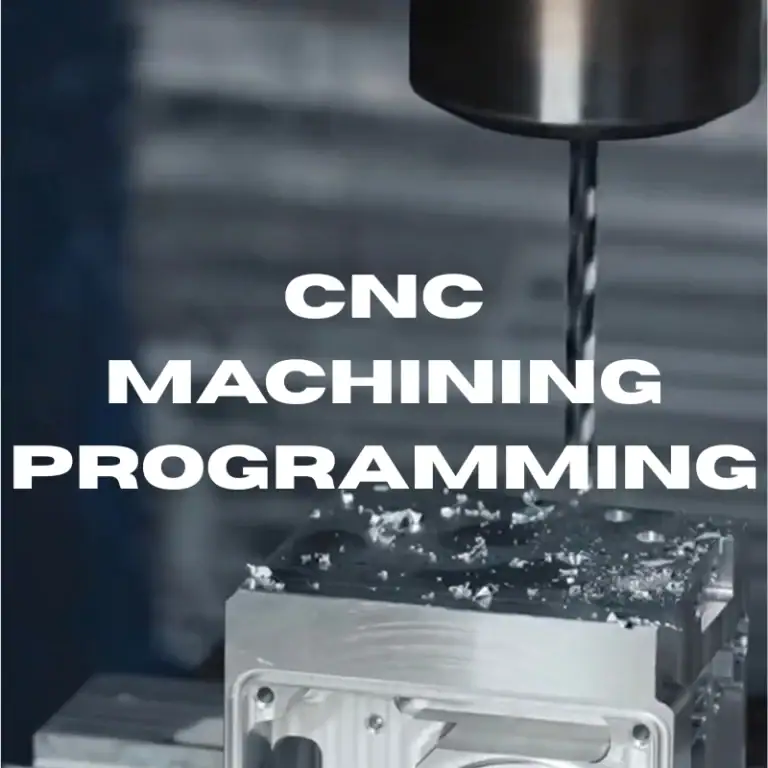
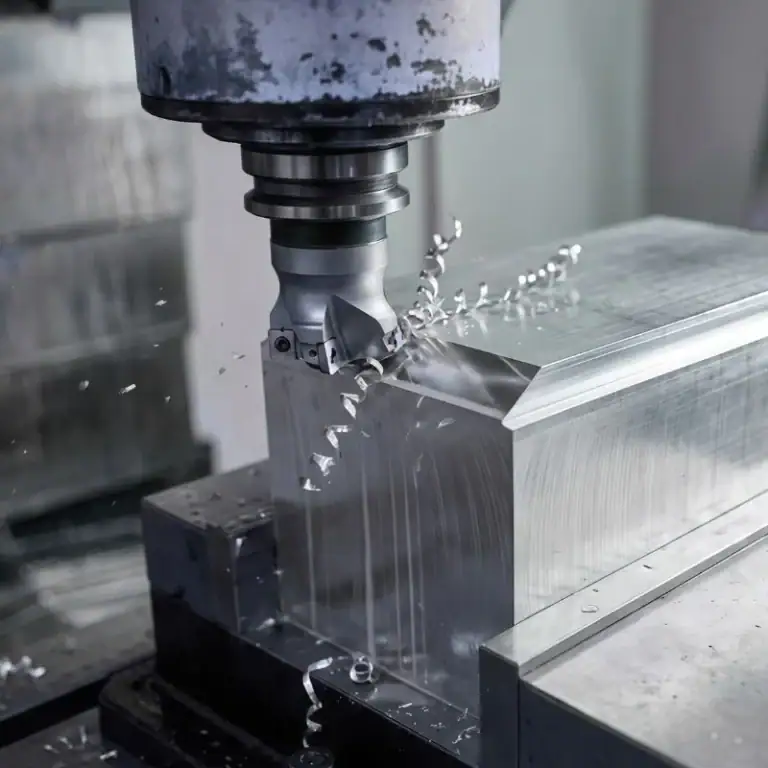
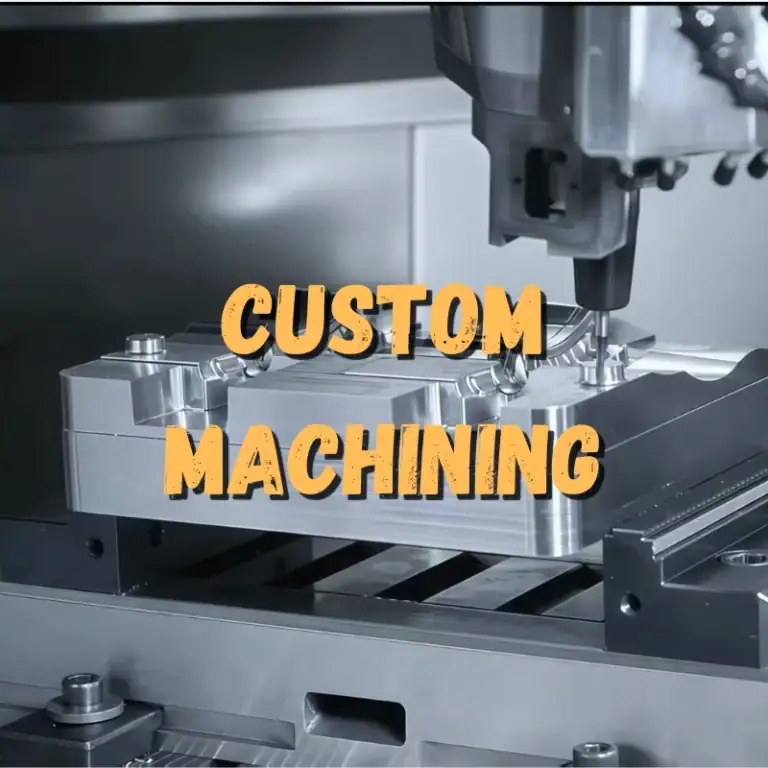
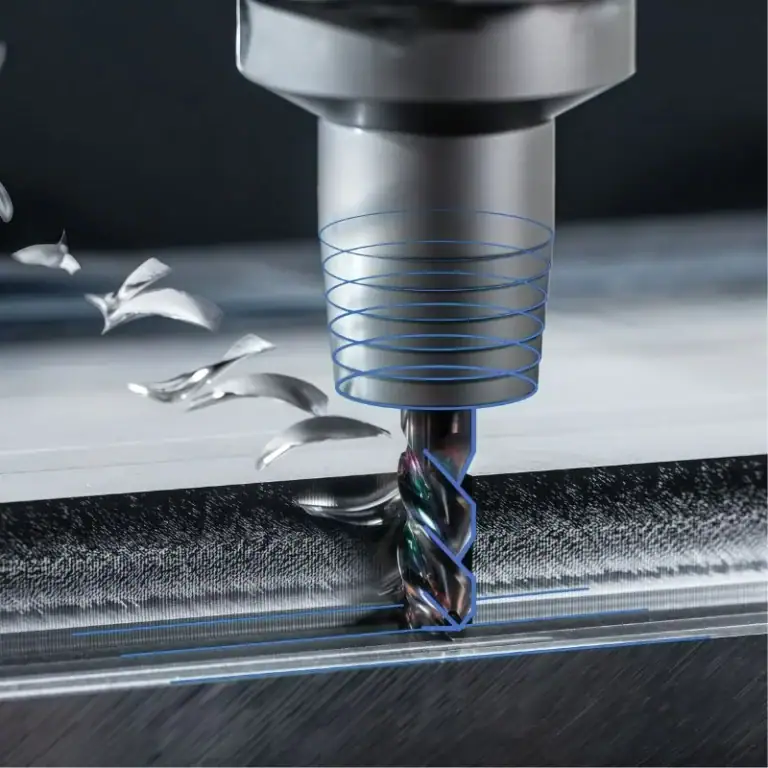
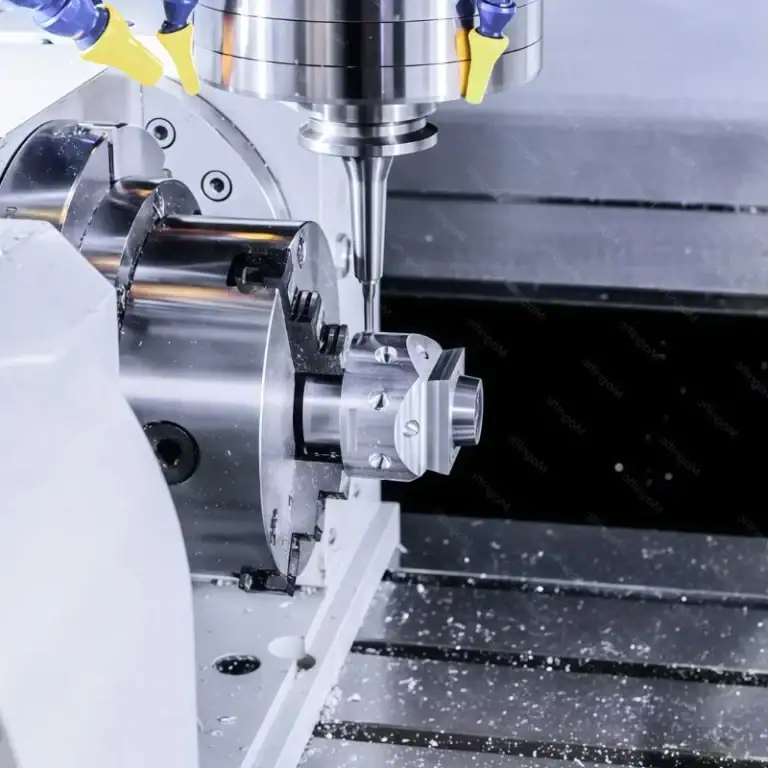
CNC machining is a manufacturing method in which computer-controlled equipment cuts away material from a solid block, rod, or plate to create a finished part. Instead of shaping the part by hand, the machine follows digital instructions to move cutting tools along precise paths. This makes CNC machining a reliable process for producing parts with accurate dimensions and consistent geometry.
Because the process is digitally controlled, CNC machining is widely used when manufacturers need repeatable quality across prototypes, custom parts, and production batches. It can be applied to many materials, including aluminum, steel, titanium, brass, POM, nylon, PTFE, and other engineering plastics. This material flexibility is one reason it is used in so many industries.
In practical manufacturing, CNC machining is often chosen for parts that require tight tolerances, stable fit, and dependable surface quality. Common examples include housings, brackets, shafts, bushings, plates, connectors, and other structural or functional components. Its combination of precision, versatility, and production reliability makes it one of the most widely used manufacturing processes today.
What Are 27 CNC Machining Applications Across Modern Industries?
1. Semiconductor Equipment
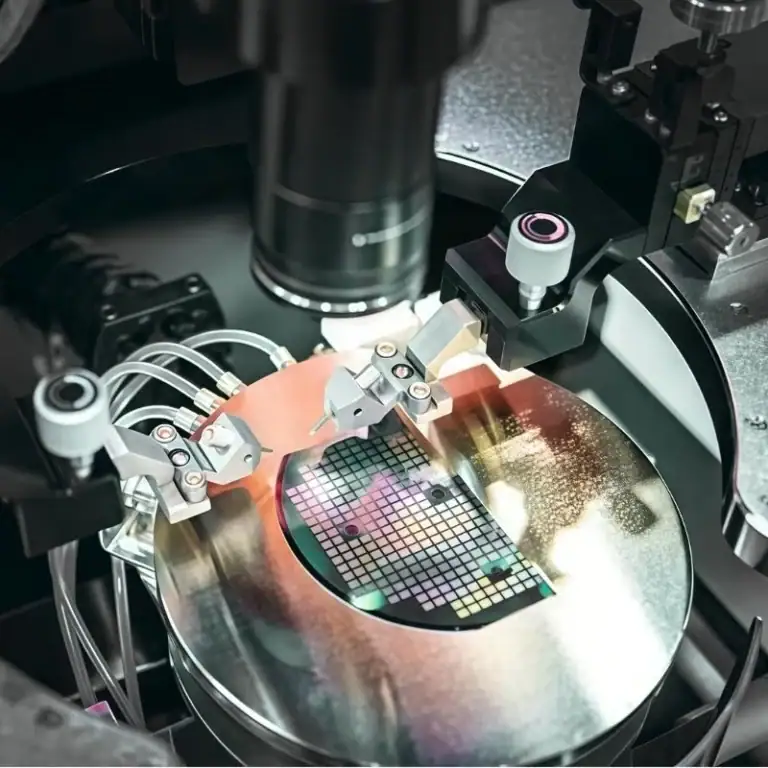
CNC machining is widely used in semiconductor equipment to produce wafer handling parts, vacuum chamber components, gas distribution hardware, precision plates, insulating parts, and motion-control structures. These components often work in highly controlled environments where dimensional accuracy, surface quality, and stable geometry are extremely important. Because semiconductor equipment usually includes many custom precision parts rather than simple standard hardware, CNC machining remains one of the most practical ways to manufacture these critical components.
2. Automation
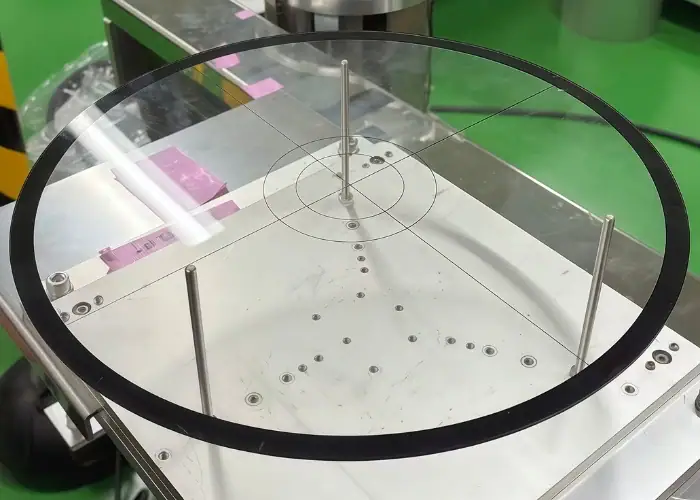
Automation systems rely on CNC machining for custom brackets, guide parts, actuator housings, mounting plates, fixture elements, sensor holders, and structural supports. These parts are often used in machines that require precise alignment, repeatable movement, and stable long-term operation. CNC machining is especially valuable in automation because many systems are semi-custom or application-specific, which means manufacturers need flexible production for parts that still require high accuracy and reliable fit.
3. Industrial Equipment
Industrial equipment uses CNC machined parts in a wide range of mechanical systems, including shafts, bushings, support plates, wear parts, bearing seats, housings, and machine frames. These components often operate under continuous load, friction, vibration, or repeated motion, so both material performance and machining accuracy matter. CNC machining is well suited to this field because it can produce durable parts with controlled tolerances for both replacement components and newly designed equipment.
4. Electronics
In electronics manufacturing, CNC machining is often used for enclosures, heat sinks, shielding parts, mounting brackets, frames, connector supports, and precision housings. Many electronic products require compact geometry, clean edge quality, and stable part dimensions, especially when metal parts must fit closely with circuit boards, connectors, or thermal components. CNC machining is also useful for rapid iteration in electronics development, where engineers may need small production runs before moving into larger-scale manufacturing.

5. Communications
Communications equipment frequently uses CNC machined parts for device housings, connector blocks, support structures, mounting hardware, cooling parts, and signal-related assemblies. These products often require good dimensional consistency and reliable structural fit, especially in systems where multiple modules need to be installed precisely. CNC machining helps manufacturers create custom or low-volume parts for communication devices while maintaining the mechanical stability needed for long-term equipment performance.
6. Robotics
Robotics applications commonly include CNC machined end-effector parts, motor mounts, gear housings, sensor brackets, support frames, and drive system components. Since robotic assemblies depend heavily on alignment, repeatability, and mechanical precision, machining quality directly affects overall system performance. CNC machining is particularly valuable in robotics because many projects require customized structural and motion-related parts that cannot be easily replaced with standard off-the-shelf components.
7. Aerospace
Aerospace manufacturers use CNC machining to produce structural brackets, bushings, manifolds, housings, precision connectors, and other critical components made from aluminum, titanium, stainless steel, and engineering plastics. These parts often operate in demanding environments involving high stress, temperature variation, and strict safety requirements. CNC machining is essential in aerospace because it can deliver tight tolerances, material control, and repeatable part quality for both prototype and production-level applications.
8. Medical Devices
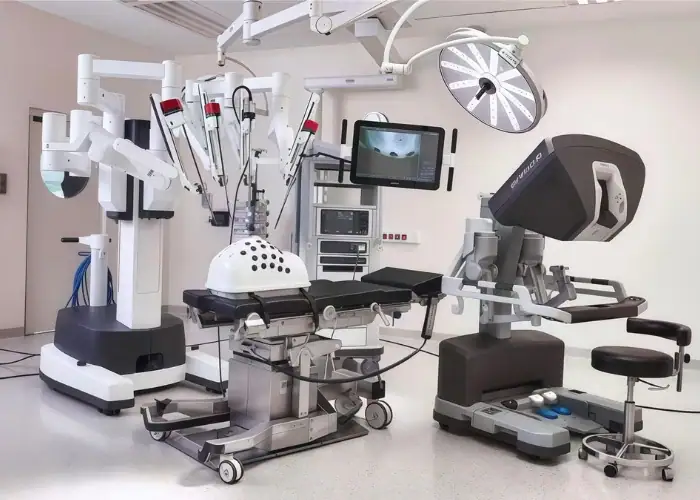
Medical devices often require CNC machining for surgical tools, implant components, orthopedic hardware, prosthetic parts, instrument housings, and precision support structures. These parts must usually meet high standards for accuracy, consistency, and material reliability, especially when they are used in patient-contact or procedure-critical applications. CNC machining is widely used in this industry because it supports both precise custom parts and small to medium production runs with dependable dimensional control.
9. Automotive
In the automotive industry, CNC machining is used for prototype development, tooling support, and production-related part manufacturing. Common applications include engine parts, gearbox housings, shafts, brackets, valve components, suspension parts, and custom fixtures. Automotive manufacturers value CNC machining because it allows them to create accurate parts quickly, validate designs in real materials, and maintain stable quality for components that must fit and function reliably in demanding mechanical systems.
10. Powersports
Powersports products use CNC machining for lightweight brackets, engine-related parts, suspension components, housings, connectors, and high-performance accessories. Because many powersports applications place strong emphasis on weight reduction, mechanical strength, and dimensional precision, CNC machining is a practical choice for both aftermarket parts and original product development. It is especially useful when manufacturers need durable custom components for motorcycles, ATVs, racing vehicles, or recreational performance equipment.
11. Oil and Gas
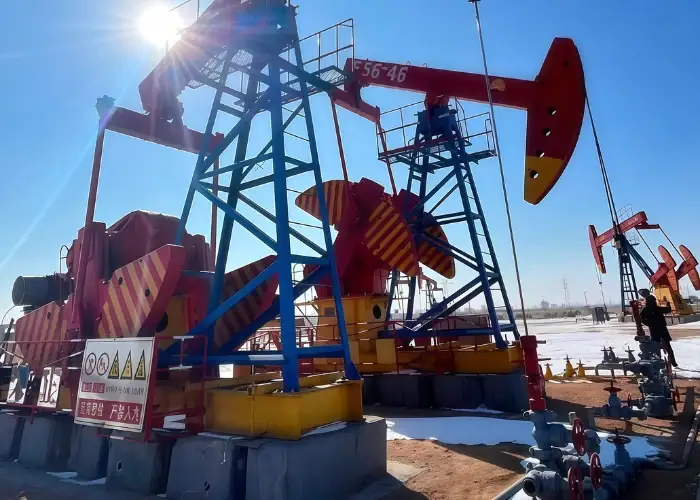
Oil and gas equipment often depends on CNC machined valve seats, sealing parts, pump components, flanges, bushings, support hardware, and precision connectors. These parts may operate under pressure, corrosion, temperature changes, and continuous mechanical load, so machining quality has a direct effect on system reliability. CNC machining is important in this field because it can produce robust components from demanding materials while maintaining the dimensional accuracy needed for sealing, flow control, and structural stability.
12. Consumer Products
Consumer products use CNC machining for premium housings, handles, frames, structural supports, decorative components, and internal functional parts. This is especially common in products where surface finish, edge quality, and dimensional consistency affect both appearance and user experience. CNC machining is often chosen for premium consumer goods, low-volume specialty products, and early-stage product launches where manufacturers want better precision and better material flexibility than mass-production tooling can initially provide.
13. Renewable Energy
Renewable energy systems use CNC machined components in wind, solar, and other clean-energy equipment. Common applications include structural connectors, mounting parts, bearing supports, housings, and precision metal components used in long-life mechanical assemblies. Since renewable energy equipment often needs to perform reliably over extended service periods and in outdoor conditions, CNC machining is a useful method for creating durable, accurate, and application-specific parts for these systems.
14. Dental Equipment
Dental equipment and dental-related components often require CNC machining for implant parts, abutments, crowns, orthodontic tool elements, and small fixture or support components. These parts usually involve fine features, accurate fit, and very consistent geometry, especially when they interface directly with other precision dental systems. CNC machining works well in this area because it can produce detailed parts in small quantities while maintaining the tight tolerances that dental applications often demand.
15. Smartphones and Consumer Electronics
Smartphones and consumer electronics frequently use CNC machining for frames, camera-related structures, connector supports, metal shells, thin-wall housings, and precision internal components. In these products, both visual appearance and mechanical fit are important, which makes machining quality especially valuable. CNC machining is also widely used in product development for consumer electronics, where companies need high-quality prototypes or limited early production runs before moving into full-scale mass manufacturing.
16. Defense and Military
Defense and military systems use CNC machining to manufacture housings, support frames, connectors, brackets, seat structures, and specialized mechanical components. These parts often need to deliver stable performance in demanding service conditions, including shock, vibration, load, and harsh environments. CNC machining is important in this sector because it supports accurate, repeatable production of mission-critical parts made from high-performance metals and engineering materials.
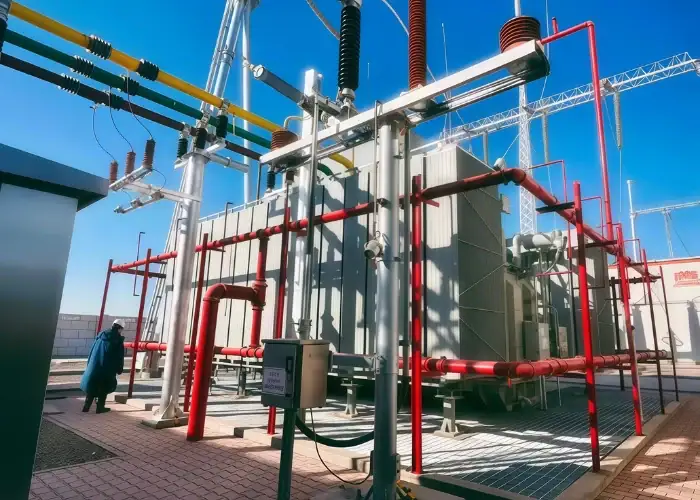
17. Energy
The broader energy industry uses CNC machining for turbine parts, generator housings, valve components, connectors, support plates, and structural assemblies. These components are often part of equipment that must perform reliably over long periods while maintaining dimensional integrity and mechanical stability. CNC machining helps energy-sector manufacturers create accurate custom parts for both traditional power systems and specialized energy equipment where precision and durability are essential.
18. Marine
Marine applications often include CNC machined deck hardware, support brackets, bushings, joints, trims, and structural metal parts made from corrosion-resistant materials. These components usually work in wet, salty, and vibration-prone environments, so both machining quality and material choice are important. CNC machining is well suited to marine products because it can create custom parts with good dimensional control for boats, marine equipment, and other assemblies exposed to difficult service conditions.
19. Computer Hardware
Computer hardware uses CNC machining for chassis parts, server brackets, drive mounts, cooling components, internal support frames, and custom structural pieces. In higher-end or technical hardware, precise fit and stable geometry are important for thermal design, assembly consistency, and product quality. CNC machining is especially useful in this field when companies need durable metal or plastic components for custom systems, advanced computing products, or prototype hardware builds.
20. Furniture and Hardware
Furniture and hardware manufacturing can use CNC machining for hinges, support brackets, custom connectors, decorative parts, metal frames, and precision hardware pieces. This is particularly useful in products that combine function and appearance, such as premium furniture systems or custom architectural hardware. CNC machining allows manufacturers to produce parts with repeatable dimensions and refined detail, which can improve both assembly quality and finished product consistency.
21. Jewelry
Jewelry manufacturing uses CNC machining for ring blanks, engraved components, decorative metal parts, mold inserts, and custom precision details. This is especially helpful when a design includes fine features, complex curves, or patterns that need to be repeated accurately. CNC machining supports both custom jewelry production and premium small-batch manufacturing where detail quality and dimensional precision have a direct effect on the final product.
22. Footwear Tooling
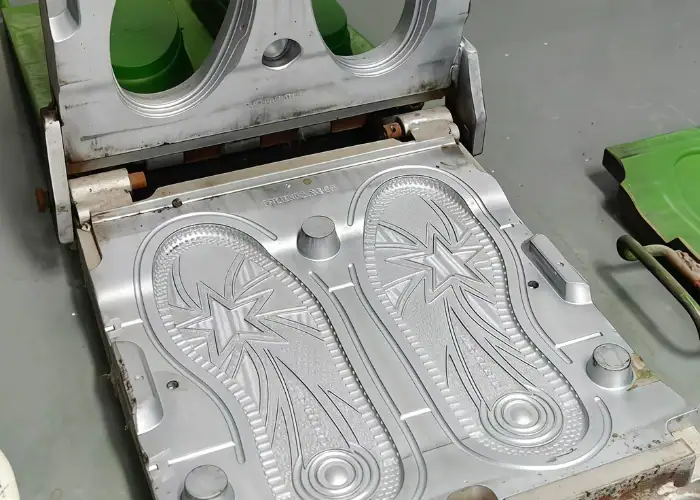
Footwear tooling commonly uses CNC machining for sole molds, engraving tools, die parts, pattern tooling, and trim-related support components. These parts need accurate shape control because even small errors can affect the final fit, pattern, or visual result of the footwear product. CNC machining is a strong solution in this field because it allows manufacturers to build tooling quickly while maintaining the precision required for repeatable shoe production.
23. Education and Research
Education and research institutions often use CNC machining for prototype parts, robot structures, lab fixtures, test setups, instrument supports, and custom experimental assemblies. These projects are usually low in volume but high in customization, which makes CNC machining especially useful. It allows researchers, students, and engineering teams to create functional parts for development, validation, and demonstration work without depending on high-volume production methods.
24. Packaging Equipment
Packaging equipment uses CNC machined guide rails, rollers, star wheels, support structures, and change parts that are swapped during product-size transitions. These components often work continuously in fast-moving production systems, so they need stable dimensions, wear resistance, and reliable fit. CNC machining is highly suitable for packaging applications because many machines require precise custom components that must perform consistently in repetitive manufacturing environments.
25. Food Processing Equipment
Food processing equipment often includes CNC machined guides, rollers, mounts, support plates, stainless steel structures, and washdown-compatible components. These parts must often combine dimensional accuracy with hygienic material choices, especially in systems exposed to cleaning cycles, moisture, and repeated movement. CNC machining is widely used in this field because it can produce accurate parts from food-safe metals and plastics for custom or replacement machine components.
26. Pharmaceutical Equipment
Pharmaceutical equipment uses CNC machined housings, support plates, machine brackets, filling-system parts, fixture elements, and other precision mechanical components. These parts often need good surface quality, dimensional consistency, and dependable assembly fit in tightly controlled production environments. CNC machining is useful in pharmaceutical applications because it supports both custom equipment development and the production of small to medium volumes of precision parts.
27. Optical and Imaging Equipment
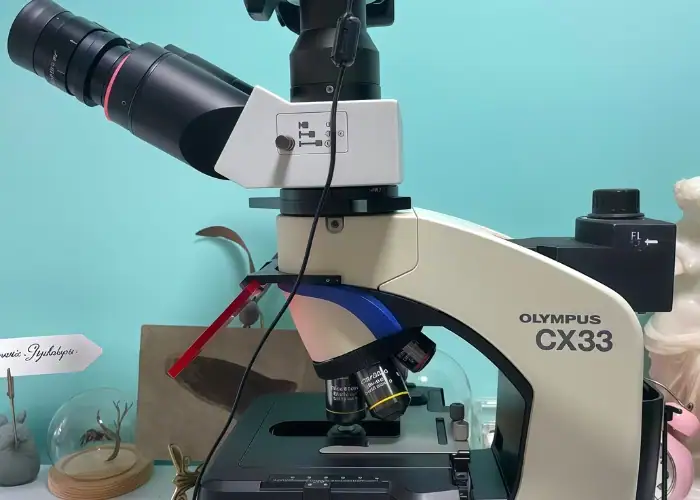
Optical and imaging equipment depends on CNC machining for lens mounts, camera housings, alignment brackets, support frames, and precision structural parts. In these products, even minor dimensional variation can affect alignment, stability, or final imaging performance. CNC machining is especially valuable because it can produce accurate, repeatable parts for systems where fit, positioning, and geometric control are closely tied to product function.
FAQs
Where is CNC machining most commonly used?
CNC machining is most commonly used in industries that require accurate, repeatable, and dependable part production. Typical examples include aerospace, automotive, medical devices, electronics, industrial machinery, robotics, and energy equipment. These industries often need parts with controlled dimensions, stable fit, and consistent quality, which makes CNC machining a practical manufacturing solution.
What kinds of products can be made with CNC machining?
CNC machining can be used to produce many different kinds of parts, from simple brackets and plates to complex housings, shafts, bushings, connectors, and precision mechanical components. It is suitable for both functional prototypes and end-use parts, which is why it appears in so many product categories across modern manufacturing.
Is CNC machining only suitable for metal parts?
No. CNC machining is widely used for both metal and plastic parts. Manufacturers commonly machine aluminum, stainless steel, titanium, brass, copper, POM, nylon, PTFE, PEEK, and many other engineering materials. This wide material range allows CNC machining to support everything from structural metal components to lightweight plastic wear parts.
Why do so many industries choose CNC machining?
Many industries choose CNC machining because it offers a strong balance of precision, flexibility, and production reliability. It can support custom parts, engineering prototypes, and repeatable manufacturing without requiring dedicated tooling at the start. This makes it especially valuable when companies need accurate parts quickly or want to move from development into low-volume production efficiently.
Conclusion
CNC machining plays an important role in modern manufacturing because it supports a wide variety of industries and part types. From aerospace and automotive to medical devices, electronics, and industrial equipment, it is used wherever parts must be made with dependable accuracy, repeatable quality, and practical material flexibility.
At TiRapid, we provide precision CNC machining services to manufacture custom metal parts, plastic components, prototypes, and production parts for industries such as automotive, robotics, and industrial equipment.