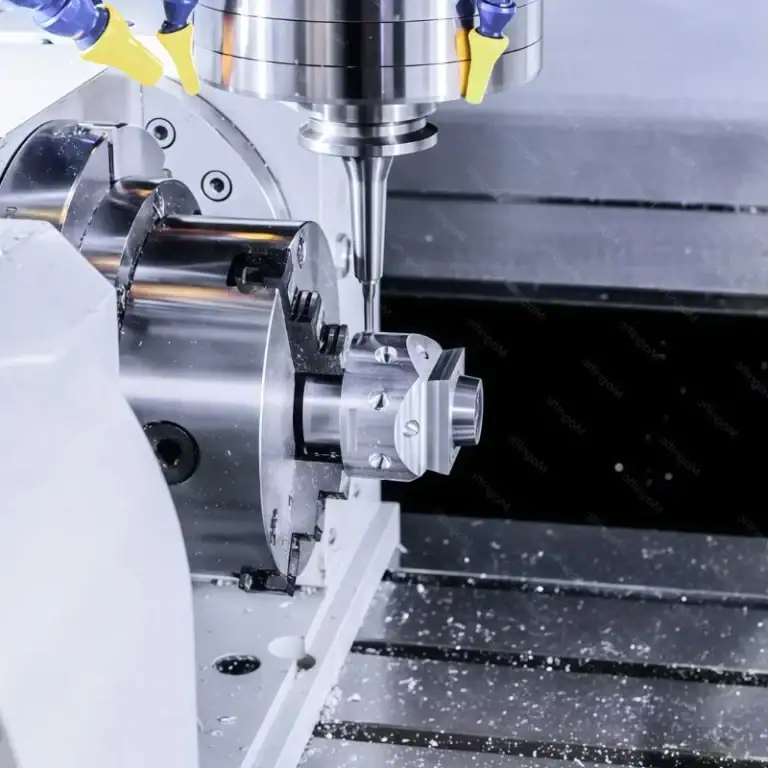
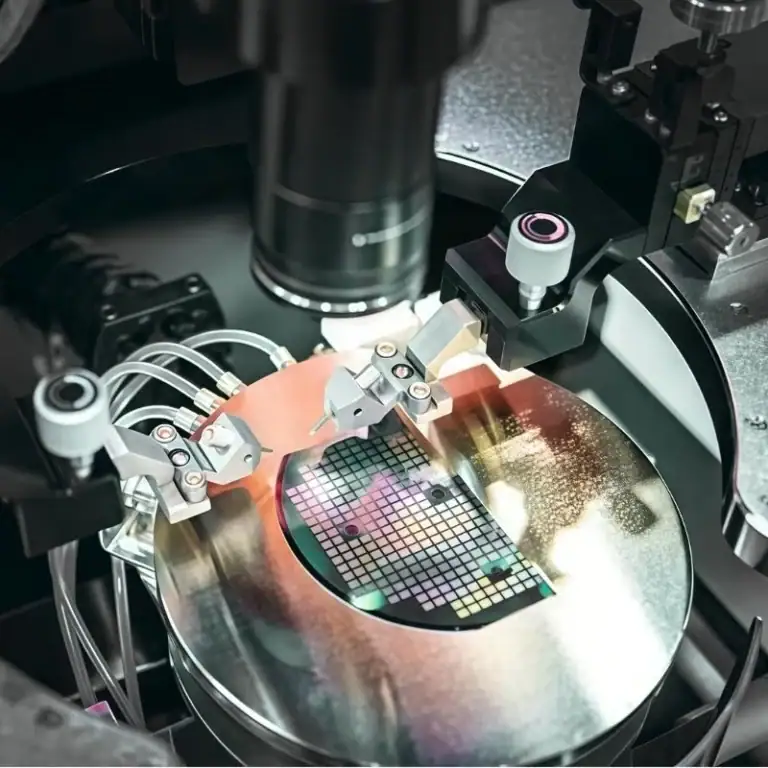
ABS is one of the most commonly used plastics in custom part manufacturing because it offers a practical balance of cost, toughness, machinability, and appearance. For many prototype and production applications, ABS machining is a reliable option when stable dimensions, lightweight performance, and efficient processing are important.
In this ABS machining guide, you will learn the key properties of ABS, its main advantages and limitations, common machining considerations, and where it is best used. Understanding these points can help you choose the right process and make better decisions for your plastic part projects.
Tips of ABS CNC Machining
ABS CNC machining can deliver good surface quality and stable dimensions, but the process is more reliable when the right machining practices are used. Paying attention to tool choice, cutting conditions, heat control, and part support can help reduce defects and improve overall machining results.
To achieve perfect ABS processing, the following strategies are crucial:
- The feed and speed of plastic processing determine the processing cost and surface quality of ABS parts.
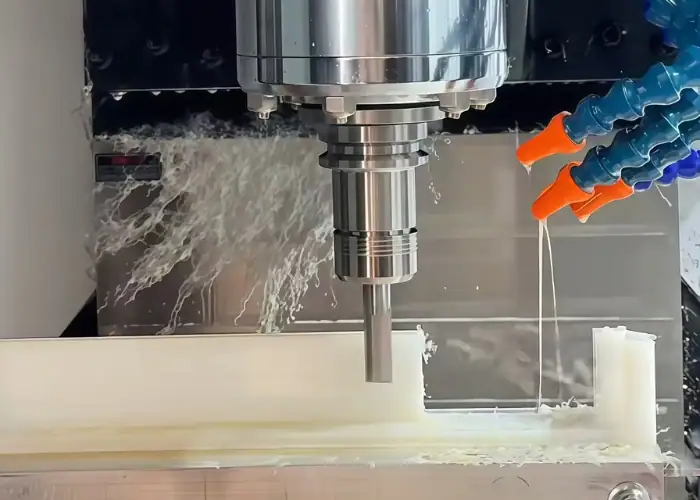
- Make full use of coolant to dissipate heat when working with ABS parts, as ABS has poor thermal conductivity.
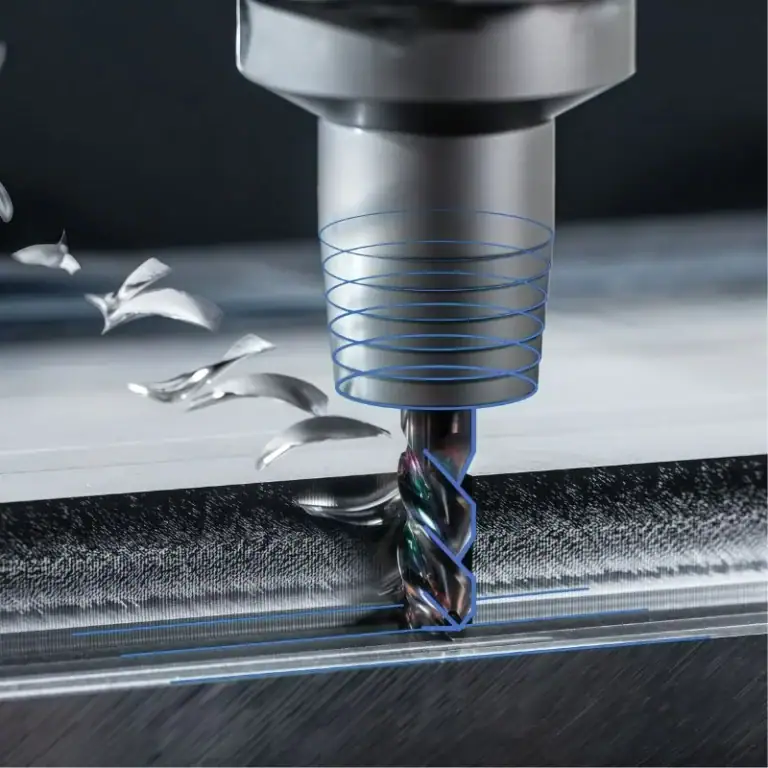
- Select appropriate CNC machining tools for the various processes of turning, milling, and drilling. This tool requires an experienced machinist to formulate a professional machining strategy.
- Eliminate stress on the raw material before milling the plastic, and control distortion and deformation of ultra-thin structures, geometrically porous structures, and hollow structure ABS components.
- For high-precision parts, control of the treatment temperature is important. The thermal expansion properties of ABS materials vary considerably at different temperatures.
- After the parts are processed by ABS, the way they are placed and transferred also determines the look of the product. ABS parts with high appearance requirements cannot previously collide with each other. The placement of the stands is critical to the look.
The quality of ABS raw materials is very important, so the raw materials used in Tirapid company are all imported, and cut without impurities, and the finish and appearance of the surfaces are fully guaranteed to be of first-class quality. With a dedicated technical team and years of processing experience, ABS components with a variety of complex structures can be precisely controlled to the smallest tolerances.
Processing Methods of ABS Materials
ABS CNC Machining
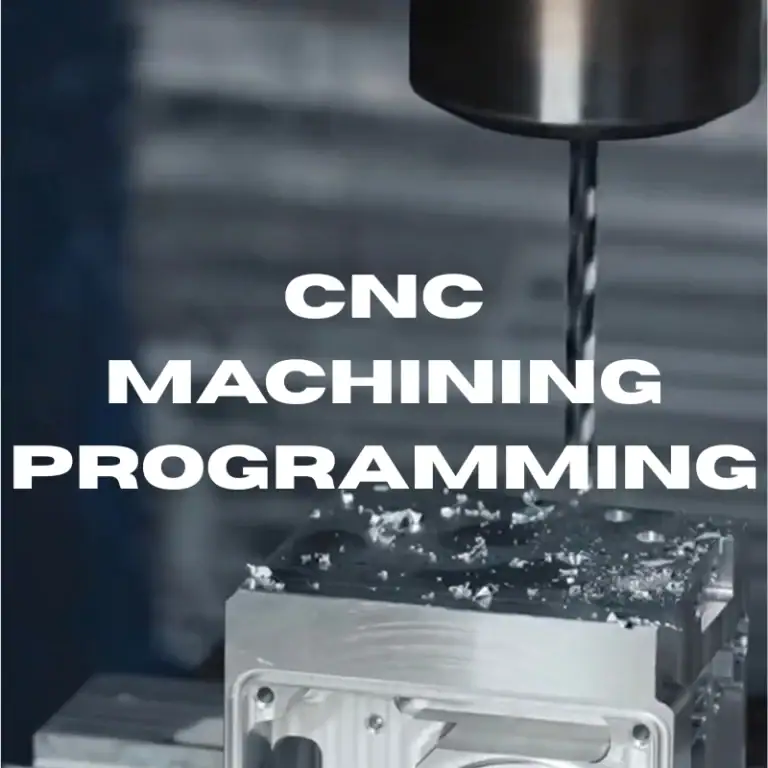
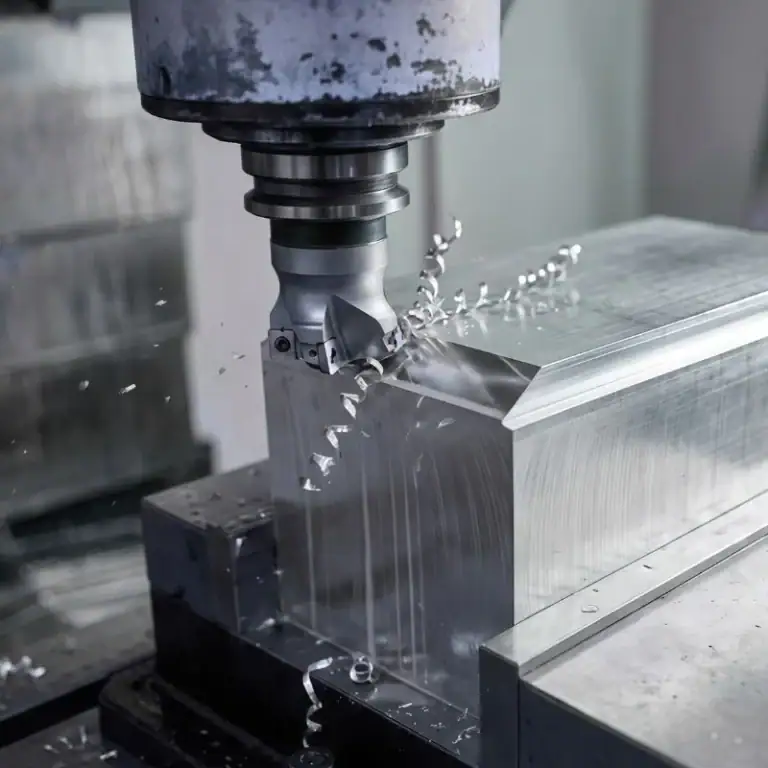
ABS manufacturing is the processing of material prototypes into 3D drawings by milling and cutting through plastic blocks. CNC milling can obtain accurate and complex ABS parts ,by milling the plastic without melting.
The precision of ABS parts can reach ±0.02mm or more by CNC machining. As a result, many of the precision parts have no material limitations. ABS plastic materials are the best choice for saving material costs and reducing processing time. The cost of the CNC parts can keep to a minimum.
ABS Injection Molding
ABS injection molding involves heating the ABS material and shaping it using high pressure and mold cooling. It is suitable for complex-shaped structural parts.
The premise of using ABS injection molding is to open the injection mold. The investment in injection molds in the early stage is relatively large, so there are certain requirements for the number of ABS parts, at least tens of thousands. And it can be produced repeatedly, ABS injection molding VS 3D printing, ABS injection molding is the lowest cost processing.
3D Printing ABS
ABS can be used in 3D printing processes using ABS powder as the raw material. The main equipment adopts 3D printer technology, and the program design is carried out according to the 3D drawings of the product, which can automatically print out the 3D model.
Generally, products using 3D printer technology have complex structures, are not very sensitive to material requirements, and pay more attention to appearance. After the 3D printer prints out the parts, more post-processing work is required, such as deburring, surface treatment, grinding, and finer manual processing.
3D printers are suitable for rapid prototyping or low-volume, high-volume production. Compared with ABS processing, the tolerance requirements can only meet the general requirements, while ABS processing can achieve ±0.02mm.
ABS Rapid Prototype
Create an ABS part through rapid prototyping, which is efficient and takes a short time. It is suitable for designers to design, test parts, and quickly obtain the practicability of parts.
Matters to be noted in the processing of ABS
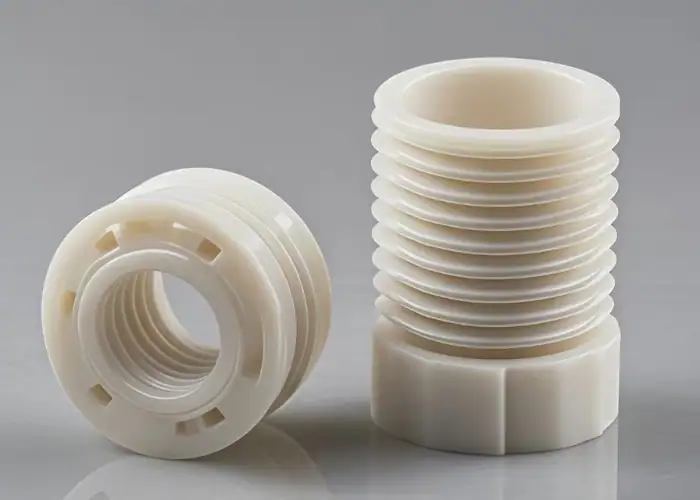
ABS machining can achieve good surface quality and dimensional stability, but the process is sensitive to heat, contamination, and equipment condition. To get better results, it is important to control cutting parameters, keep materials and machines clean, and maintain a stable processing environment.
Control Heat And Prevent Deformation
Heat buildup is one of the main issues in ABS machining. If cutting speed or feed rate is too high, the material may soften, deform, melt, or chip during machining. Using sharp tools, suitable tool sizes, and controlled cutting parameters helps reduce heat generation and improves part quality.
Keep Materials, Molds, And Equipment Clean
Clean raw materials are essential for stable ABS processing. Impurities, dust, or residue can affect surface quality and lead to defects in the final part. At the same time, molds, barrels, cutting tools, and machine surfaces should be cleaned and maintained regularly to avoid contamination during production.
Maintain A Stable Processing Environment
ABS is more sensitive to temperature and humidity than many users expect. If the environment is too humid, the final part may show rough surfaces or bubbles. If it is too cold, the material may become more brittle. Keeping the production area dry, clean, and temperature-controlled helps improve consistency and reduce quality problems.
Use Suitable Cutting Tools
Tool choice has a direct effect on ABS machining quality. Sharp cutting tools usually produce cleaner edges and reduce the chance of melting or burr formation. Choosing the right tool geometry and keeping the tool in good condition can help improve cutting stability and surface finish.
Protect Surface Quality During Handling
Even after machining, ABS parts can still be affected by scratches, stains, or accidental contamination during handling and storage. Proper packaging, clean work surfaces, and careful part handling help preserve the final surface condition and reduce the risk of cosmetic damage.
Strengthen Inspection And Daily Maintenance
Regular machine maintenance and routine inspection are important for reliable ABS machining. Cutting tools, fixtures, and machines should be checked frequently to ensure stable operation. In addition, visual inspection and process monitoring help identify problems early and reduce scrap risk during production.
Advantages of ABS CNC Machining
ABS CNC machining is widely used because it combines low material cost, good machinability, and practical performance. For many prototype and production parts, it offers a strong balance between price, appearance, and functional reliability.
One of the biggest advantages of ABS is cost efficiency. Compared with many metal materials, ABS is usually more affordable for parts with the same basic structure, and its lower weight can also reduce transportation and handling costs. This makes ABS especially attractive for lightweight components, housings, covers, and custom plastic parts where cost control matters.
ABS is also relatively easy to machine. It cuts more easily than many harder materials and usually causes less tool wear, which helps improve machining efficiency. Under proper processing conditions, ABS can maintain stable dimensional tolerance and is less likely to deform after machining. In many cases, it also does not require additional color finishing, which can further reduce total production cost and simplify the manufacturing process.
From a functional perspective, ABS offers several useful properties. It has good electrical insulation, solid chemical resistance to many acids and alkalis, and a surface that is reasonably resistant to scratching. Some ABS grades can also meet FDA-related requirements, which expands their use in selected consumer and industrial applications. In addition, ABS is recyclable and generally considered safe for a wide range of product uses.
Key Advantages of ABS CNC Machining
- Lower material cost than many metal materials
- Lightweight, which helps reduce transportation cost
- Easy to machine with relatively low tool wear
- Often does not require additional color treatment
- Good dimensional stability under proper processing conditions
- Excellent electrical insulation performance
- Good resistance to many acids, alkalis, and chemicals
- Recyclable and practical for many manufacturing projects
- Some grades can meet FDA-related standards
- Non-toxic and widely used in consumer and industrial products
Disadvantages of ABS CNC Machining
Although ABS has many advantages, it is not the best material for every application. Its performance can be affected by environment, processing conditions, and long-term exposure, so these limits should be considered before material selection.
One of the main disadvantages of ABS is its relatively poor resistance to ultraviolet exposure. If the material is used for long periods in outdoor conditions without protection, it may undergo photo-oxidation, which can cause yellowing, embrittlement, and reduced durability over time. For this reason, ABS is usually less suitable for long-term outdoor applications unless extra protection is added.
ABS also requires more controlled processing conditions than some users expect. To achieve stable machining quality, the material is best processed in a dry and temperature-controlled environment. If ABS is exposed to humidity during processing, the final part may develop surface roughness, bubbles, or similar defects. If the environment is too cold, the material may become more brittle and more likely to crack or fail.
Another limitation is that ABS results can vary if process control is not stable. This is especially noticeable in prototyping and additive manufacturing, where temperature and environmental consistency strongly affect final part quality. In practice, achieving better results often requires more experienced engineering support and tighter control of processing conditions, which may increase labor cost.
Key Disadvantages of ABS CNC Machining
- Limited UV resistance
- May yellow or become brittle over time outdoors
- Requires dry and temperature-controlled processing conditions
- Humidity can cause rough surfaces or bubble defects
- Low temperatures may increase brittleness
- Part quality may vary if process control is unstable
- Better results often require more skilled engineering support
ABS CNC Machining Applications
ABS is widely used in many industries because it offers a practical combination of impact resistance, dimensional stability, machinability, and surface quality. Its balanced properties make it suitable for both functional parts and appearance-oriented components, especially where lightweight plastic parts are needed.

Automotive Industry
In the automotive industry, ABS is often used for parts that require light weight, stable performance, and good appearance. Common examples include bearings, bushings, trim panels, instrument panel components, handles, and seat belt buckle parts. Its machinability also makes it suitable for custom interior and support components.
Medical Devices
ABS is also used in selected medical and healthcare-related products because of its good chemical resistance and practical processing performance. It can be found in medical device housings, instrument boxes, fasteners, atomizer components, compressor parts, and other non-implant applications where structural stability and clean appearance are important.
Aerospace
In aerospace-related applications, ABS may be used for non-critical structural and interior components that require good toughness and stable mechanical performance. Typical examples include decorative panels, seats, brackets, snap rings, support blocks, rollers, and similar lightweight plastic parts used in equipment interiors or support assemblies.
Electrical Appliances
ABS is widely used in electrical and consumer appliance products because it is easy to mold, has good surface appearance, and is not easily scratched under normal use. Common applications include electrical housings, telephones, structural plastic parts, fans, air conditioner components, sockets, refrigerator liners, and computer keyboard parts.
Consumer Electronics
ABS is widely used in consumer electronics for housings, covers, support frames, and external components. It is suitable for products that require a combination of light weight, dimensional stability, and a smooth surface finish. Common examples include portable device housings, accessory shells, and protective covers, where both appearance and practical performance matter.
Industrial Equipment And Custom Parts
ABS CNC machining is also suitable for industrial equipment parts and custom-machined plastic components. It can be used for covers, spacers, brackets, rollers, protective parts, and low-load mechanical components. In these applications, ABS is often selected when the part needs to be lightweight, easy to machine, and cost-effective for prototypes or low-volume production.
FAQs
What kind of material is ABS and does it have a long lifespan?
ABS is a thermoplastic with good toughness, rigidity, impact resistance, and machinability. It is widely used in housings, brackets, and plastic functional parts. In indoor environments, ABS can last for many years. However, UV exposure, heat, and humidity can reduce its lifespan over time.
Is ABS harmful to humans?
ABS does not contain carcinogens. Harmless to humans under normal processing conditions. Therefore, toys, refrigerator linings, computer keyboards, and other common items in life are made of ABS.
Does ABS plastic degrade in sunlight?
Although ABS is heat-resistant, it is easy to deform and age when exposed to sunlight and ultraviolet rays for a long time. The material becomes brittle, easy to break, and the color will turn yellow.
Why do you need to dry the ABS material before processing it?
ABS should be thoroughly dried before processing. Because ABS that absorbs moisture is prone to deformation after processing, the surface is rough, and foaming will affect the final product, thereby increasing time and labor costs. Therefore, Tirapid recommends controlling the temperature rating of ABS plastic material to dry at 80-90 degrees Celsius, for 2-3 hours.
Conclusion
ABS is a cost-effective plastic material with good toughness, hardness, and broad application potential, which makes it a popular choice for many custom parts. With the right machining process, ABS can deliver reliable performance, stable dimensions, and a clean finished appearance for both prototypes and production components.
At TiRapid, we provide professional ABS machining services backed by practical manufacturing experience. From custom processing to surface finishing, our team can support a wide range of ABS part requirements with consistent quality and responsive engineering service. Simply upload your CAD file to receive a fast quote and expert manufacturing support.