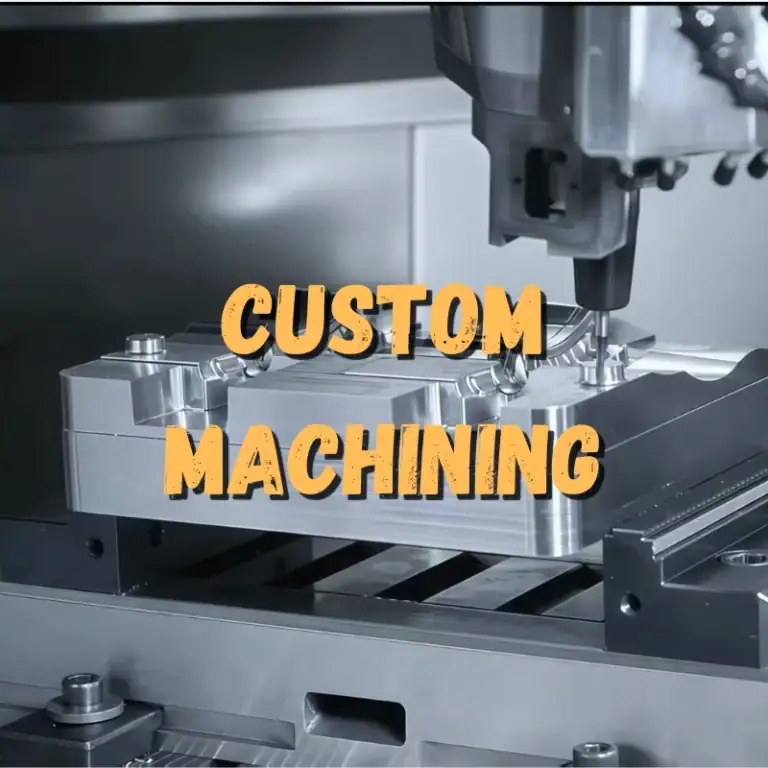
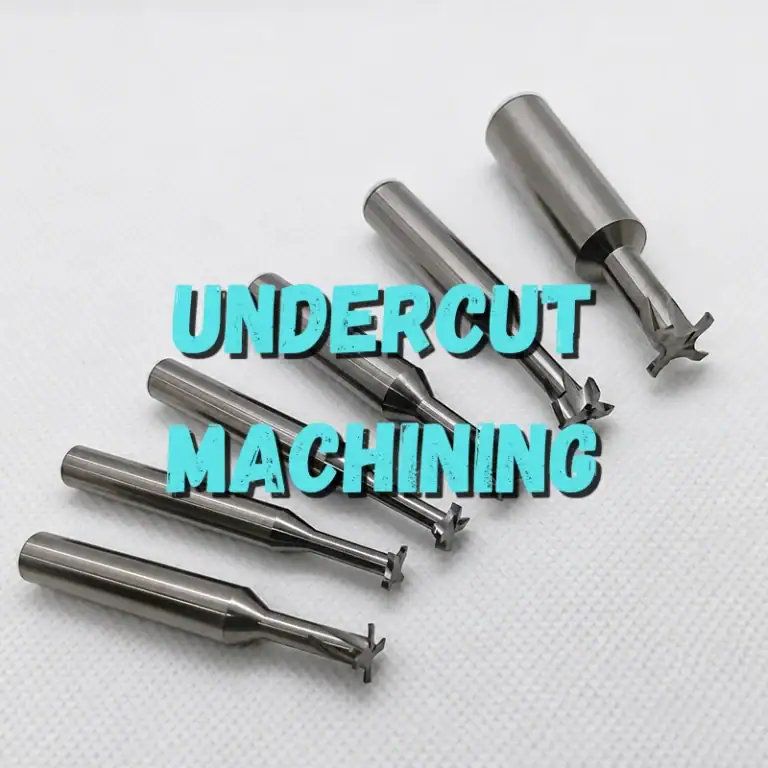
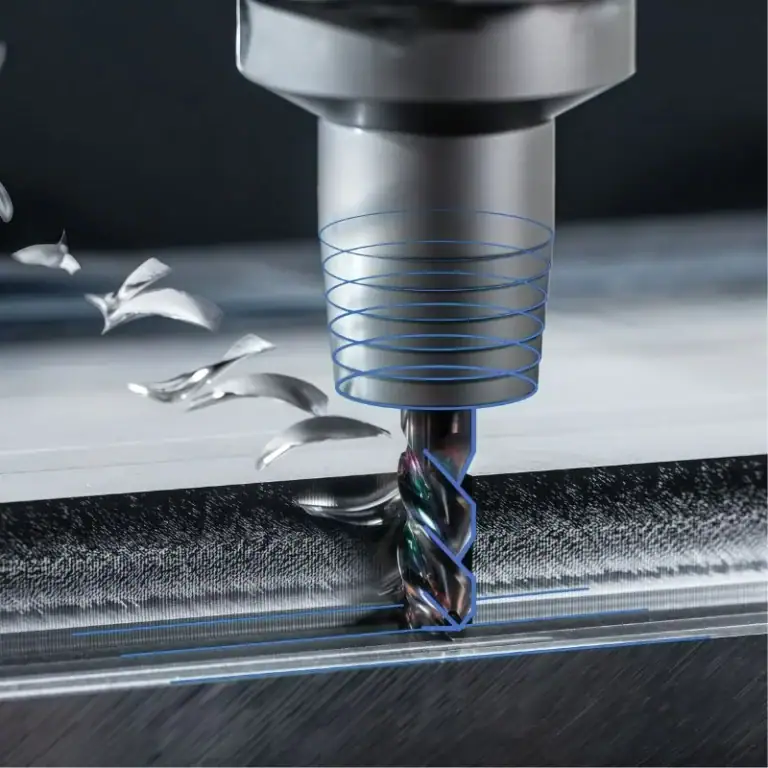
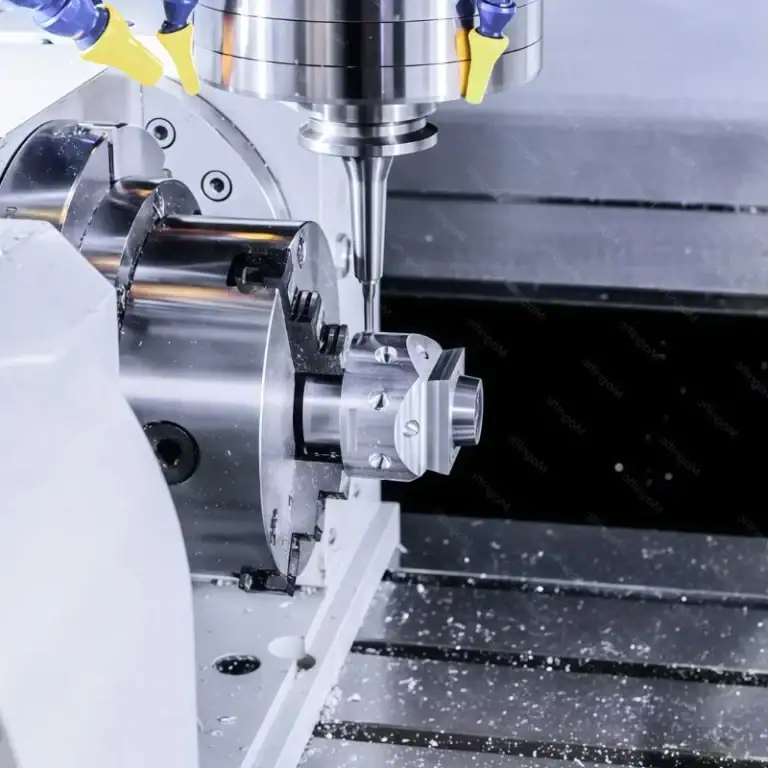
Composite materials are increasingly used in aerospace, lightweight automotive applications, medical equipment, and advanced industrial products. They offer excellent advantages such as low weight, high strength, and corrosion resistance. However, when it comes to actual part manufacturing, many companies find that composite materials are not as easy to process as expected. A structure that can be easily machined from metal may face problems such as delamination, burrs, and dimensional deviations when made from composites. Manufacturing composite parts requires not only advanced equipment but also strong process control and machining experience. Through precision machining technologies, manufacturers can better maintain material performance while achieving stable and high-quality part production.
Why Is Composite Material Part Manufacturing More Difficult?
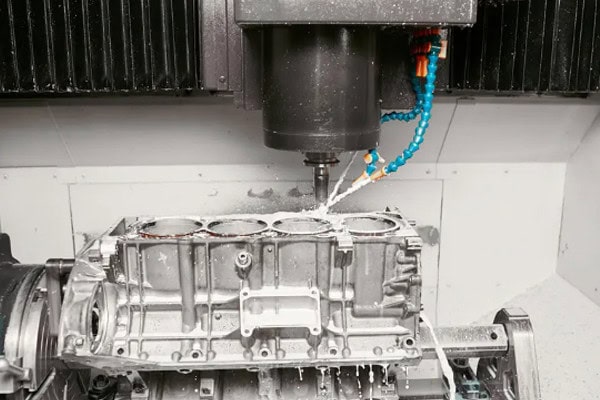
The biggest characteristic of composite materials is that they are not made from a single material but from a combination of different materials. For example, carbon fiber and glass fiber composites usually consist of reinforcing fibers and resin matrices. This structure gives them excellent performance but also makes machining much more complicated. Manufacturers cannot simply apply traditional metal machining methods and must develop processes based on the internal structure and characteristics of the material.
Material Structure Can Affect Machining Results
The fiber arrangement inside composite materials is directional, and different areas may respond differently during machining. If the cutting direction, machining force, or tool selection is inappropriate, the internal structure of the material may be damaged.
- Delamination may occur, affecting the overall strength of the part.
- Fiber pulling or burrs may appear on edges.
- Different fiber directions can lead to different machining results.
- Changes in machining parameters directly affect surface quality.
Compared with conventional materials, composite machining requires a deeper understanding of material characteristics. Many machining problems are not caused by insufficient equipment accuracy but by unsuitable processing methods.
Tool Wear Happens Faster During Machining
The fibers inside composite materials usually have high hardness, which causes significant wear on cutting tools. Especially during continuous machining or batch production, changes in tool condition can directly affect part quality.
- Standard cutting tools often have a shorter service life.
- Tool wear can cause dimensional changes.
- Tool conditions need to be adjusted based on machining requirements.
Tool selection is a key factor in composite manufacturing. The right tools can improve machining efficiency while reducing rework and making production more stable.
Dust Control Creates Higher Production Requirements
Composite machining produces fine dust particles, which are different from the chips generated during ordinary metal cutting. These particles can affect the machining environment and may also enter equipment components, influencing production stability.
- Effective dust extraction systems are required.
- The machining area needs to be kept clean.
- Dust must be prevented from affecting equipment accuracy.
- Production safety management needs to be strengthened.
A controlled machining environment is an important foundation for producing high-quality composite parts. Especially in high-precision manufacturing, environmental control can also influence final machining results.
What Common Problems Occur During Composite Part Manufacturing?
Many companies do not struggle with whether composite parts can be produced, but rather with how to produce them consistently. For complex structures and high-precision components, even small issues during manufacturing can affect final delivery quality. Understanding these challenges in advance helps manufacturers develop more suitable machining solutions.
Dimensional Accuracy Is More Difficult to Control
Compared with metals, composite materials behave differently during machining, and their condition may change throughout the process. This makes dimensional control more challenging, especially for thin-wall structures or high-precision parts.
- Excessive machining pressure may affect part shape.
- Different areas of the material may have different characteristics.
- Dimensions need to be continuously verified through inspection.
Dimensional accuracy determines not only whether parts can be assembled but also how well they perform during operation. Precision machining requires combined control of equipment, processes, and inspection methods.
Thin-Wall and Complex Structures Are Difficult to Machine
To achieve lightweight designs, many composite parts use thin-wall structures or special curved surfaces. Although these designs provide excellent performance, they are more sensitive to external forces during machining.
- Clamping force must be carefully controlled.
- Machining paths need to be planned in advance.
- Complex areas require lower machining risks.
- Structural damage during machining must be avoided.
Manufacturing thin-wall composite components requires not only high-precision equipment but also extensive machining experience. Proper process planning can reduce deformation and damage.
Surface Quality Requirements Are More Strict
Many composite parts are used in advanced industries where surface condition is extremely important. Visible defects after machining may affect not only appearance but also functional performance.
- Reducing surface scratches and machining marks.
- Controlling edge integrity.
- Maintaining overall part structure stability.
Good surface quality requires control over tools, parameters, and machining processes rather than relying only on post-processing.
How Does Precision Machining Solve Composite Manufacturing Challenges?
Traditional machining methods often struggle to balance efficiency and quality when dealing with composite materials. Precision machining uses more detailed process planning and advanced techniques to reduce manufacturing risks and improve stability. Especially for demanding projects, the right machining strategy is often more important than simply increasing production speed.
Reducing Material Damage Through Process Optimization
The most important goal in composite machining is protecting the material properties. This requires careful control of cutting methods and machining forces.
- Adjusting machining parameters according to material type.
- Optimizing tool paths to reduce damage.
- Lowering the risk of delamination and edge defects.
Proper process planning allows composite materials to maintain their original advantages while meeting part dimensional requirements.
Improving Complex Part Manufacturing Capability
Modern product designs increasingly focus on lightweight and high-performance structures, making composite parts more complicated. Precision machining helps manufacturers achieve more advanced designs.
- Supporting irregular structure machining.
- Meeting complex curved surface manufacturing requirements.
- Enabling high-precision customized production.
- Improving product design flexibility.
With advanced machining technologies, many composite parts that were difficult to manufacture using traditional methods can now be produced more reliably.
Ensuring Stable Batch Production
Composite parts are not only needed for prototypes but also for later production stages. If there are large differences between batches, manufacturing costs can increase significantly.
- Establishing stable machining processes.
- Controlling quality differences between batches.
- Reducing material waste and rework.
Stable manufacturing capability helps companies reduce production risks and improve delivery efficiency.
How Can Composite Part Manufacturing Meet High-End Industry Requirements?
As products continue moving toward lightweight and high-performance designs, composite materials are being used in more applications. From aerospace components to industrial equipment structures, companies are demanding higher manufacturing capabilities for composite parts. The key challenge is maximizing material advantages while overcoming machining difficulties.
Supporting Lightweight Product Development
One of the biggest advantages of composite materials is their ability to reduce weight while maintaining strong performance.
- Helping reduce overall product weight.
- Meeting high-performance structural design requirements.
- Improving equipment efficiency.
Precision machining helps companies transform the advantages of composite materials into real product value.
Improving Part Reliability
High-end applications require parts that are not only manufactured successfully but also maintain stable performance over long-term use.
- Reducing the impact of manufacturing defects.
- Improving long-term part durability.
- Meeting demanding operating environments.
Reliable machining quality is an important foundation for expanding composite material applications.
Accelerating Product Development and Innovation
Composite materials provide greater design possibilities and help companies develop more advanced products.
- Supporting rapid validation during research and development.
- Allowing structural optimization and adjustments.
- Meeting special application requirements.
As precision machining technology continues to advance, composite material parts will play an increasingly important role in high-end manufacturing industries.
The main challenges in composite material part manufacturing come from material structure, machining control, and quality consistency. Achieving reliable results requires a combination of material understanding, professional equipment, and mature machining processes. Tirapid specializes in precision machining services, providing composite material part manufacturing solutions to help companies produce high-performance customized components.