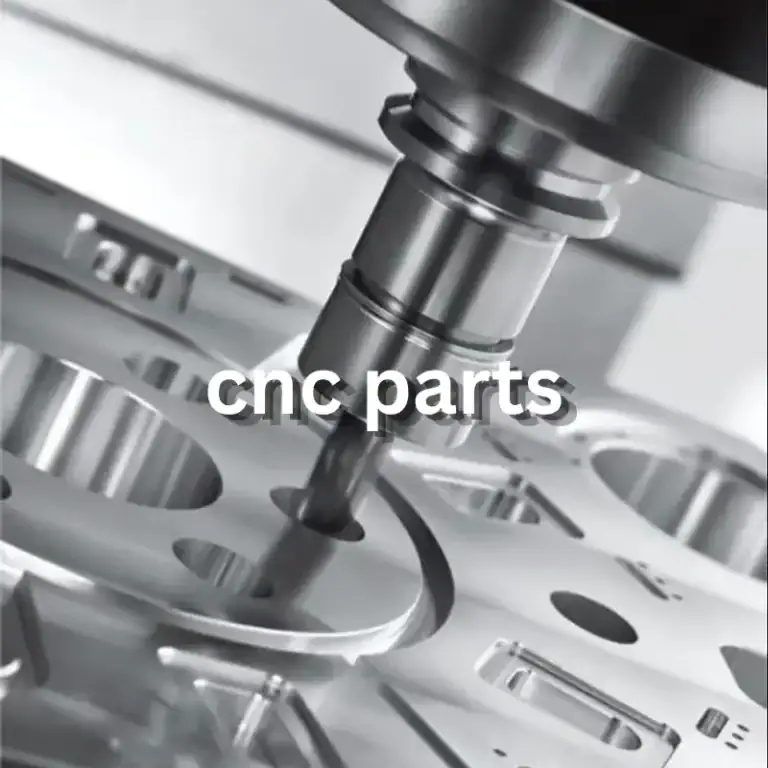
As the manufacturing industry continues to advance, high-end manufacturing sectors are placing increasingly stringent demands on part accuracy, production efficiency, and product consistency. Industries such as aerospace, medical devices, new energy vehicles, precision electronics, and advanced equipment manufacturing often require the machining of complex geometries, high-performance materials, and precision components. Traditional machining methods frequently struggle to meet the requirements of intricate surfaces, tight tolerances, and consistent batch production. CNC milling, with its digital control systems, high-precision machining capabilities, and automated production processes, has become an essential manufacturing solution for high-end industries.
High-Precision Machining Meets the Demands of Advanced Manufacturing
High-end manufacturing industries require exceptional dimensional accuracy and assembly quality.
Precise Control of Complex Part Dimensions
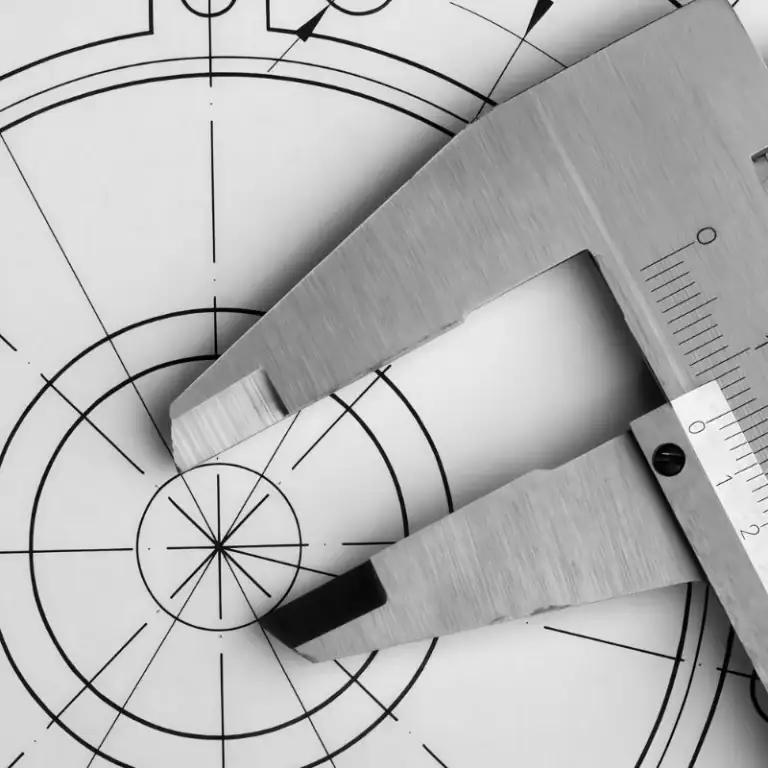
Components with intricate geometries often demand tighter dimensional control.Modern CNC milling machines utilize high-precision control systems and servo drive technologies to achieve micron-level accuracy, significantly improving the quality of complex parts.
- Improve dimensional accuracy and maintain critical dimensions within specified tolerances.
- Reduce machining errors caused by machine vibration, tool wear, and other factors.
- Enhance assembly consistency, allowing parts from different batches to fit together accurately.
- Improve product performance by ensuring stability and reliability in real-world applications.
- Meet strict tolerance requirements in industries such as aerospace and medical manufacturing.
- Increase product qualification rates while reducing rework and scrap costs.
- Strengthen production stability during large-scale manufacturing.
- Provide a reliable foundation for subsequent surface finishing and assembly processes.
Consistent dimensional control is a fundamental requirement in high-end manufacturing.
Improving the Quality of Complex Surface Machining
Complex surface machining places higher demands on equipment and manufacturing processes.With advanced CAM software and multi-axis machining technology, CNC milling can produce intricate contours and freeform surfaces with exceptional accuracy.
- Improve surface machining precision and closely match design specifications.
- Enhance contour quality with smoother and more natural transitions.
- Reduce manual finishing and polishing operations, lowering production costs.
- Maintain structural integrity by minimizing machining-related deviations.
- Improve product quality, appearance, and functional reliability.
- Ensure consistency when machining complex geometries.
- Reduce dimensional deviations and surface defects during machining.
- Provide a stable foundation for assembly and surface treatment processes.
The ability to machine complex structures has become a significant competitive advantage in modern manufacturing.
Maintaining Consistency Across Production Batches
Product stability is a critical concern in high-end manufacturing.Digital machining programs ensure that every production batch follows the same machining standards, resulting in greater consistency.
- Minimize dimensional variations caused by manual operations.
- Improve repeatability across different production batches.
- Maintain long-term product quality consistency.
- Reduce the risk of rework and scrap caused by machining errors.
- Enhance process reliability and control.
- Improve stability in large-volume order fulfillment.
- Meet strict consistency requirements in advanced manufacturing sectors.
Reliable batch consistency strengthens a company’s competitiveness in the marketplace.
High-precision machining capabilities make CNC milling a preferred choice for advanced manufacturing applications.
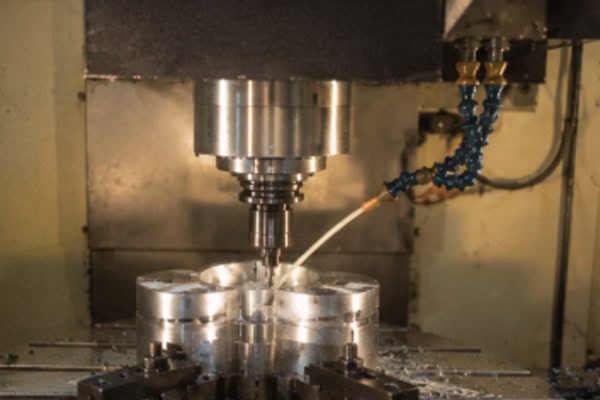
Superior Capability for Machining Complex Structures
Modern product designs are becoming increasingly sophisticated and complex.
Multi-Axis Machining Enhances Manufacturing Flexibility
Complex components often require machining from multiple directions.
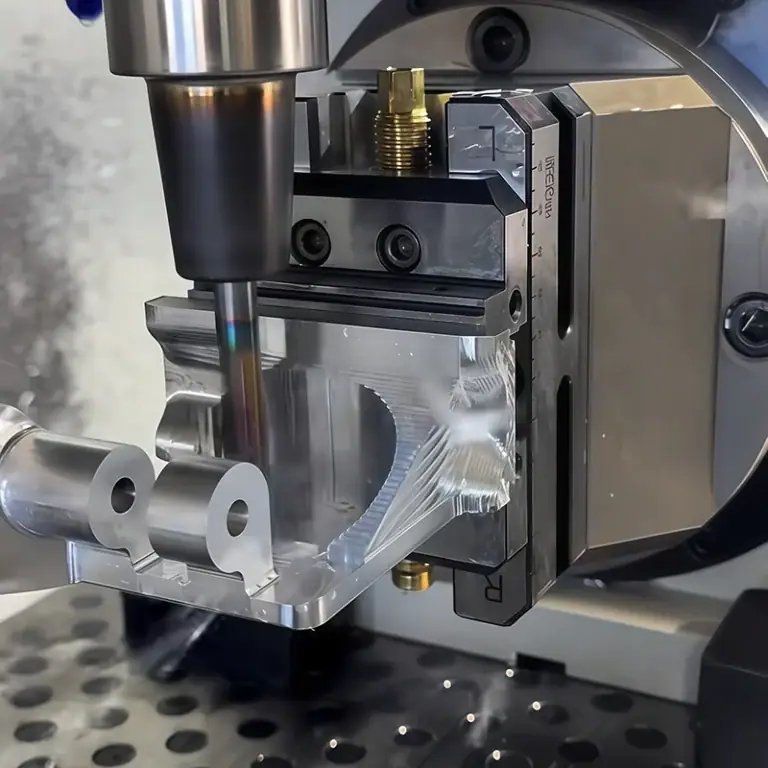
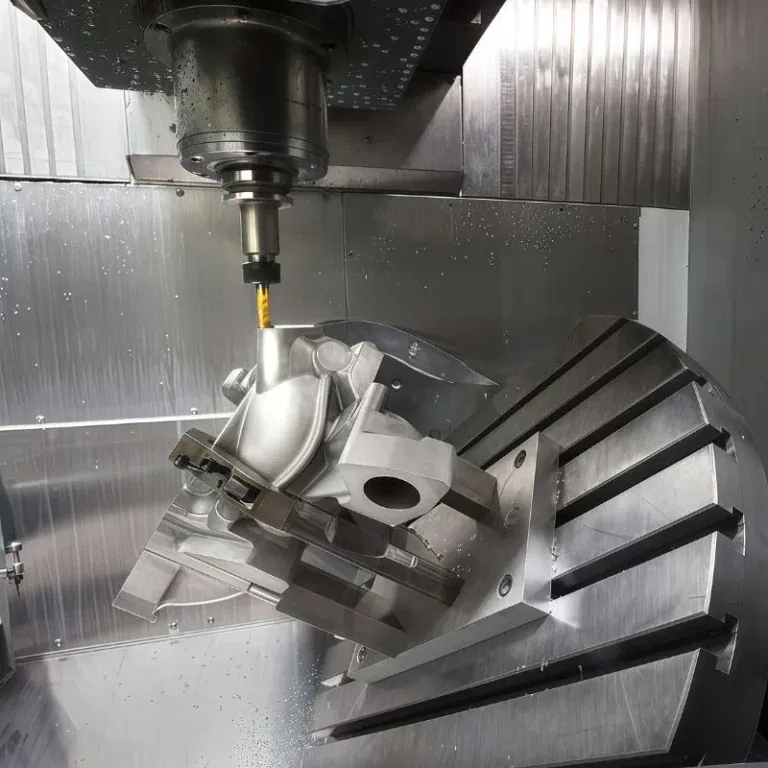
Multi-axis machining technology reduces the need for repeated setups and improves manufacturing efficiency for intricate parts. During machining, cutting tools can approach the workpiece from various angles, minimizing positioning errors caused by multiple clamping operations while improving machining completeness. For products featuring complex surfaces, irregular contours, and multi-angle features, multi-axis machining significantly enhances both productivity and quality, ensuring that design concepts are accurately realized.
Flexible machining methods can accommodate a wider range of product designs.
Easier Machining of Deep Cavities and Irregular Structures
Specialized structures have traditionally been challenging to manufacture.
Modern CNC equipment utilizes long-reach tools, optimized toolpaths, and advanced control systems to machine deep cavities and irregular geometries efficiently. These capabilities reduce the risk of tool interference, improve internal feature quality, and maintain excellent dimensional stability and accuracy. For components with complex designs and limited internal space, this machining approach provides greater design freedom and supports innovation and performance improvements.
Completing More Operations in a Single Setup
Reducing the number of setups contributes directly to higher accuracy.
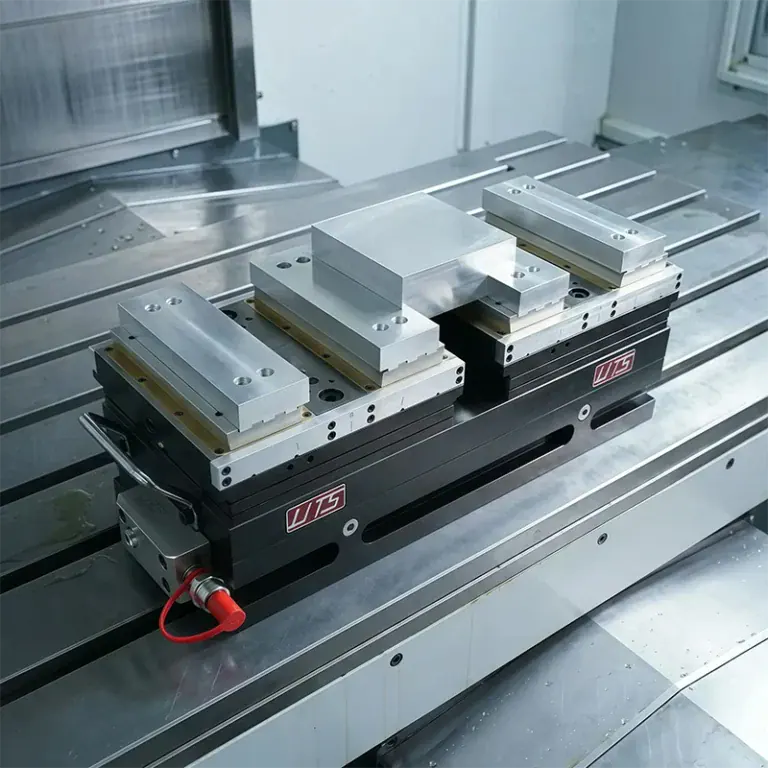
Through effective process planning, multiple machining operations can be completed in a single setup. This approach minimizes positional deviations caused by repeated clamping while improving overall production efficiency. In complex part manufacturing, completing multiple operations in one setup shortens production cycles, maintains positional accuracy between machined surfaces, improves product consistency, and reduces uncertainties associated with manual intervention.Integrated machining strategies contribute to higher overall manufacturing standards.
The ability to produce complex components efficiently is one of the key reasons why high-end industries rely on CNC milling.
Compatibility with a Wide Range of High-Performance Materials
Advanced products frequently utilize high-strength and specialized materials.
Excellent Performance in Aluminum Alloy Machining
Aluminum alloys are widely used in lightweight product manufacturing.
CNC milling enables efficient and high-quality machining of aluminum components.
- Increase cutting efficiency.
- Improve surface finish quality.
- Shorten machining cycles.
- Enhance dimensional accuracy.
- Reduce post-processing requirements.
Strong machining performance supports the growing demand for lightweight manufacturing solutions.
Meeting the Requirements of Stainless Steel Machining
Machining stainless steel requires stable equipment and optimized processes.Proper process control ensures excellent machining results for stainless steel components.
- Improve machining stability.
- Enhance surface quality.
- Reduce tool wear.
- Strengthen dimensional control.
- Meet precision manufacturing requirements.
Reliable machining performance contributes to greater product dependability.
Supporting Titanium and Other Advanced Materials
Demand for specialized materials continues to grow across high-end industries.Modern CNC equipment can effectively machine titanium alloys, superalloys, and other difficult-to-machine materials.
- Improve adaptability to various materials.
- Maintain machining quality.
- Enhance component performance.
- Meet specialized application requirements.
- Increase manufacturing flexibility.
Broad material compatibility expands the range of manufacturing possibilities.
Advanced material machining capabilities significantly increase the value of CNC milling in high-end manufacturing.
Continuous Improvements in Automation and Digitalization
Smart manufacturing is transforming traditional production methods.
Automated Machining Improves Production Efficiency
Automation reduces dependence on manual intervention.Through automatic tool changers and automated loading and unloading systems, manufacturers can establish continuous production workflows.
- Increase productivity through uninterrupted machine operation.
- Reduce downtime by minimizing auxiliary processing time.
- Lower labor costs by reducing manual involvement.
- Improve machining consistency through standardized processes.
- Strengthen large-scale production capabilities.
Automated manufacturing helps companies achieve greater operational efficiency.
Digital Management Enhances Production Control
Digital technologies provide greater visibility throughout the manufacturing process.Machining data can be collected, analyzed, and optimized in real time.
- Enable real-time monitoring of machine status and production progress.
- Improve management efficiency through centralized data analysis.
- Optimize production workflows based on performance insights.
- Increase equipment utilization rates.
- Strengthen quality control through comprehensive process tracking.
Data-driven manufacturing is becoming a defining trend across the industry.
Intelligent Compensation Improves Machining Stability
Advanced control technologies continue to evolve rapidly.Modern systems can automatically correct machining deviations based on inspection results.
- Reduce machining errors through real-time correction.
- Improve dimensional consistency across production batches.
- Enhance overall product quality.
- Minimize manual adjustments.
- Increase production reliability.
Intelligent manufacturing technologies continue to elevate machining performance.
Digitalization and automation are strengthening the competitiveness of modern manufacturing operations.
Shortening Product Development and Production Cycles
Rapid response to market demands has become a critical business capability.
Improving Prototype Development Efficiency
Product development projects often require fast turnaround times.CNC milling enables rapid prototype production and design validation.
- Shorten development timelines.
- Improve testing and validation efficiency.
- Reduce prototyping costs.
- Accelerate product iterations.
- Enhance research and development productivity.
Fast prototyping capabilities help products reach the market more quickly.
Reducing Process Adjustment Time
Digital programming increases manufacturing flexibility.Production requirements can be adapted simply by modifying machining programs, eliminating the need for extensive equipment adjustments.
- Improve production flexibility.
- Reduce setup time.
- Lower changeover costs.
- Increase responsiveness.
- Strengthen order processing capabilities.
Flexible manufacturing supports a wide variety of customer requirements.
Supporting Both Low-Volume and High-Volume Production
Modern markets demand greater production versatility.CNC milling is suitable for both prototype manufacturing and large-scale production.
- Adapt to different order quantities.
- Improve resource utilization.
- Maintain machining quality.
- Enhance delivery performance.
- Strengthen market competitiveness.
Flexible production models allow manufacturers to serve diverse customer needs effectively.
Rapid manufacturing capabilities help companies gain a competitive advantage in fast-moving markets.
Conclusion
The demands for precision, efficiency, complex geometry machining, and product consistency continue to increase across high-end manufacturing industries. CNC milling has become a vital part of modern advanced manufacturing thanks to its digital control systems, multi-axis machining capabilities, high-precision performance, and intelligent production technologies. From aerospace and medical devices to electric vehicles and precision electronics, more manufacturers are leveraging CNC milling to improve product quality and elevate manufacturing standards.