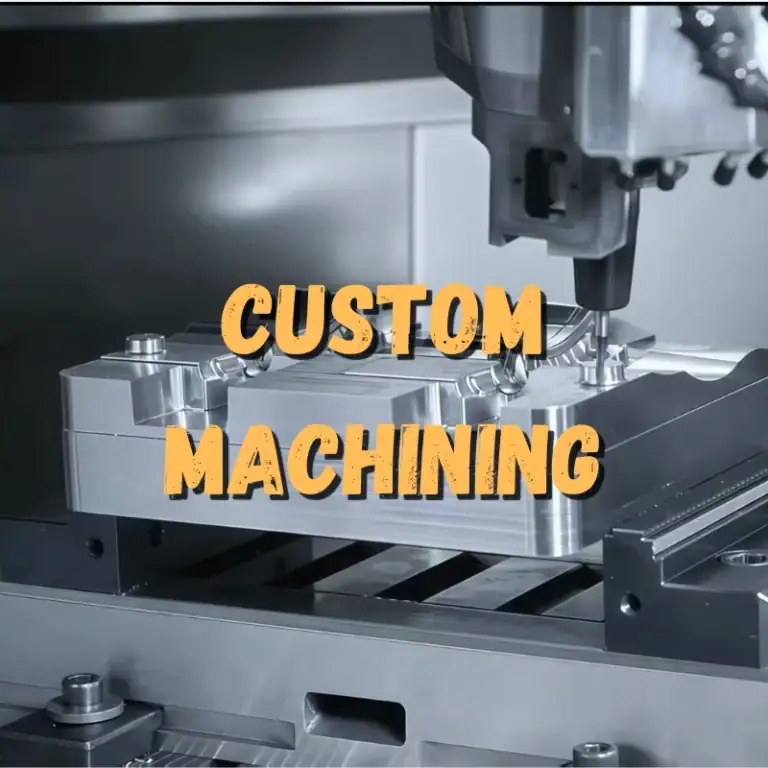
Vibration is one of the most common issues affecting machining quality, production efficiency, and equipment lifespan during CNC turning operations. When vibration occurs in the cutting zone, it can lead to poor surface finish, dimensional inaccuracies, accelerated tool wear, and reduced machine reliability. In practical manufacturing environments, vibration can originate from various sources, including the machine tool itself, cutting tools, workpiece clamping conditions, cutting parameters, and the surrounding machining environment. Identifying the root causes of vibration is essential for improving machining stability and achieving consistent production quality.
Insufficient Machine Tool Rigidity
Machine rigidity is the foundation of stable CNC turning. If the machine structure cannot effectively absorb cutting forces generated during machining, vibration may develop and gradually increase as the cutting process continues.
Insufficient Bed and Guideway Rigidity
The machine bed and guideways provide support and positioning for the entire machining system. When these components experience wear, deformation, or lack sufficient structural strength, they become less capable of resisting cutting forces. Under heavy cutting loads or high-speed machining conditions, the reduced rigidity can lead to vibration and negatively affect machining accuracy.
- Insufficient bed structure strength
- Excessive guideway wear
- Long-term deformation
- Reduced rigidity causing resonance
- Lower machining accuracy
- Poor surface quality
Maintaining the structural integrity of the machine bed and regularly inspecting guideway accuracy can significantly improve vibration resistance and overall machine stability.
Reduced Spindle System Stability
The spindle system is one of the most critical rotating components in a CNC lathe. Its operating accuracy directly influences cutting stability. When spindle bearings wear out, lubrication becomes inadequate, or installation precision decreases, spindle runout may occur and generate vibration during rotation.
- Worn spindle bearings
- Reduced installation concentricity
- Runout during high-speed rotation
- Thermal deformation of the spindle
- Increased operating noise
- Reduced cutting stability
Regular spindle maintenance and dynamic balancing help minimize vibration and improve machining performance.
Unstable Machine Installation Foundation
Even a high-performance machine can experience vibration if it is installed on an unstable foundation. Weak floor structures or improper leveling can transfer external vibrations directly into the machining process.
- Insufficient foundation strength
- Poor machine leveling
- Transmission of floor vibration
- Loose mounting bolts
- Machine displacement during operation
- Reduced long-term stability
A properly designed installation environment provides reliable support and minimizes external interference.
Tool-Related Causes of Vibration
Cutting tools directly interact with the workpiece during machining. Their geometry, installation quality, and wear condition all influence cutting stability.
Excessive Tool Overhang
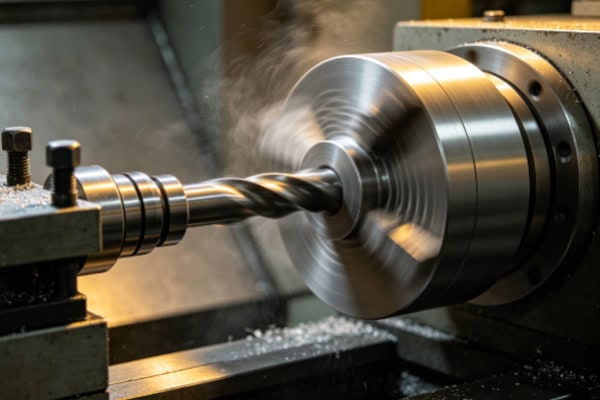
Long tool overhangs are often required for deep-hole machining or special part geometries. However, increasing the overhang length reduces tool rigidity and increases deflection under cutting forces, making vibration more likely.
- Excessively long tool holder
- Reduced tool rigidity
- Amplified vibration from cutting forces
- Increased risk of chatter
- Surface waviness formation
- Shortened tool life
Keeping tool overhang as short as possible and using rigid tool holders can significantly improve machining stability.
Severe Tool Wear
As machining time increases, cutting edges gradually wear down and lose their original geometry. This increases cutting resistance and creates unstable cutting conditions that can trigger vibration.
- Worn cutting edges
- Increased cutting resistance
- Higher heat generation
- Uneven force distribution
- Increased vibration frequency
- Reduced machining accuracy
Implementing proper tool management and replacing worn tools promptly helps maintain stable cutting conditions.
Improper Tool Installation
Improper tool setup can result in uneven cutting forces and unstable machining performance. Even small installation errors may cause noticeable vibration during operation.
- Loose tool clamping
- Incorrect tool height
- Improper installation angle
- Uneven cutting force distribution
- Periodic vibration generation
- Reduced dimensional consistency
Following standardized installation procedures helps reduce the risk of vibration.
Improper Workpiece Clamping Conditions
Workpiece rigidity and clamping stability directly affect machining performance. If the workpiece cannot remain securely fixed, vibration may occur during cutting.
Excessive Workpiece Extension Length
Long and slender shafts are particularly susceptible to vibration because their bending resistance decreases as unsupported length increases.
- High length-to-diameter ratio
- Reduced bending resistance
- Deflection caused by cutting forces
- Resonance during machining
- Increased surface roughness
- Lower dimensional accuracy
Using steady rests or follow rests can improve support and reduce vibration.
Insufficient Clamping Force
If the workpiece is not clamped securely, slight movement may occur during machining, leading to instability and vibration.
- Loose workpiece fixation
- Movement during cutting
- Changing force distribution
- Intermittent vibration
- Increased machining errors
- Higher safety risks
Proper clamping force improves machining stability and ensures consistent results.
Reduced Chuck Accuracy
Over time, chuck jaws and internal components wear out, reducing clamping precision and affecting rotational accuracy.
- Worn chuck jaws
- Reduced concentricity
- Increased workpiece runout
- Uneven cutting forces
- Frequent vibration occurrence
- Lower product consistency
Regular chuck maintenance helps maintain reliable clamping performance.
Improper Cutting Parameter Selection
Cutting parameters directly determine the interaction between the tool and the workpiece. Incorrect parameter settings are among the most common causes of machining vibration.
Excessive Cutting Speed
High spindle speeds can improve productivity, but speeds beyond optimal limits may increase the likelihood of resonance and chatter.
- Excessive spindle speed
- Increased cutting frequency
- Higher resonance risk
- Increased heat generation
- Accelerated tool wear
- Poorer surface finish
Selecting speeds based on material and tooling characteristics helps maintain stable machining.
Improper Feed Rate Settings
Feed rate influences chip thickness and cutting force. Both excessively high and excessively low feed rates can create unstable cutting conditions.
- Excessive feed rate
- Rapid increase in cutting force
- Workpiece deformation
- Friction caused by low feed rates
- Increased tool vibration
- Reduced surface quality
Optimizing feed rates improves cutting efficiency and machining quality.
Excessive Depth of Cut
Large depths of cut increase cutting loads and place greater demands on machine rigidity, tooling, and workpiece stability.
- Increased cutting load
- Greater spindle stress
- Higher risk of tool deformation
- Vibration on low-rigidity machines
- Reduced machining stability
- Shortened tool life
Choosing appropriate cutting depths based on machine capacity improves process reliability.
Environmental and Cooling System Influences
In addition to machine and process factors, machining conditions and environmental influences can contribute to vibration.
Insufficient Cooling Performance
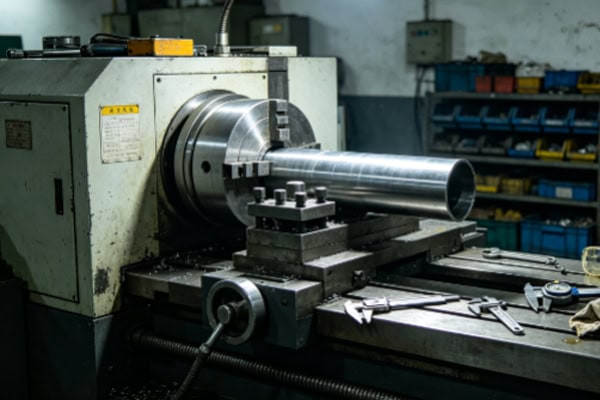
When coolant delivery is inadequate, cutting temperatures rise rapidly. Thermal expansion and deformation can change cutting conditions and increase vibration.
- Continuous temperature increase
- Workpiece thermal deformation
- Accelerated tool wear
- Increased cutting resistance
- More noticeable vibration
- Reduced surface quality
An effective cooling system stabilizes temperature and improves machining consistency.
Poor Chip Evacuation
Chip accumulation can interfere with the cutting process and create additional cutting forces that contribute to vibration.
- Chips wrapped around the tool
- Secondary cutting effects
- Increased tool load
- Fluctuating cutting forces
- Unstable machining process
- Increased vibration frequency
Efficient chip evacuation improves cutting conditions and enhances machining stability.
External Environmental Disturbances
External vibrations from nearby machinery and environmental fluctuations can affect precision turning operations.
- Impact from nearby equipment
- Floor vibration transmission
- Significant temperature fluctuations
- Power supply instability
- Interference with precision machining
- Reduced process stability
Maintaining a controlled machining environment helps minimize vibration risks and improve production quality.