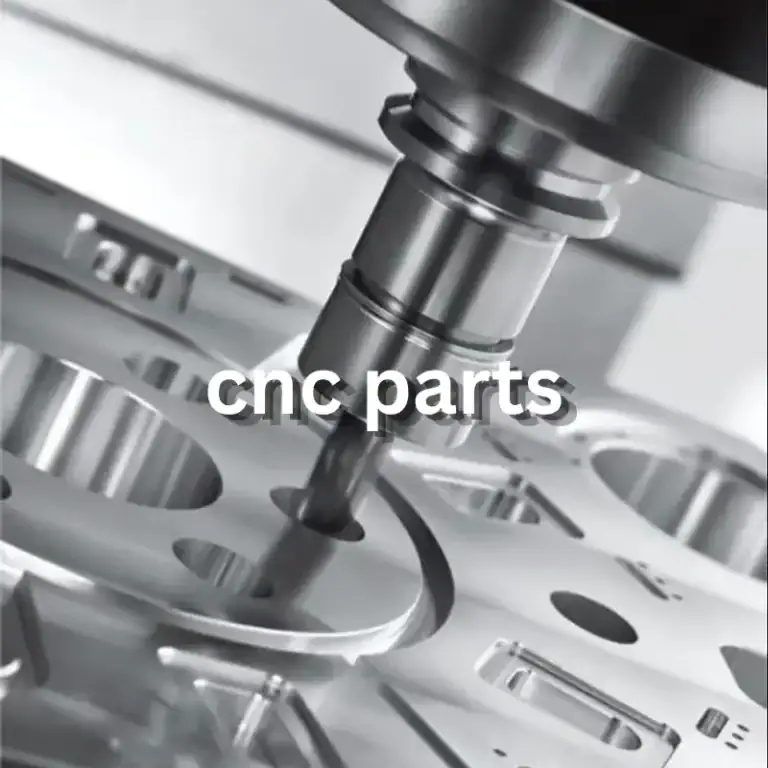
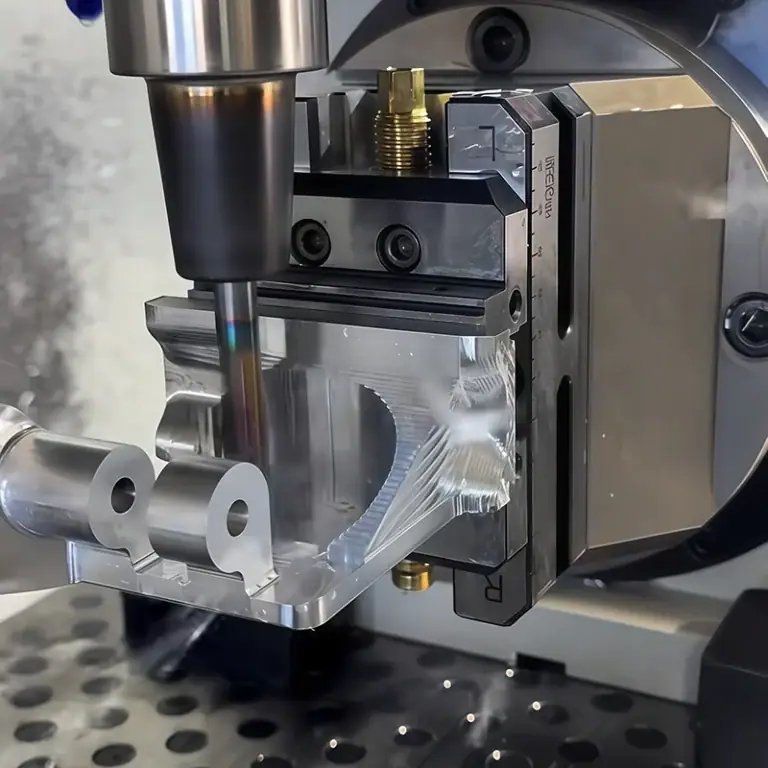
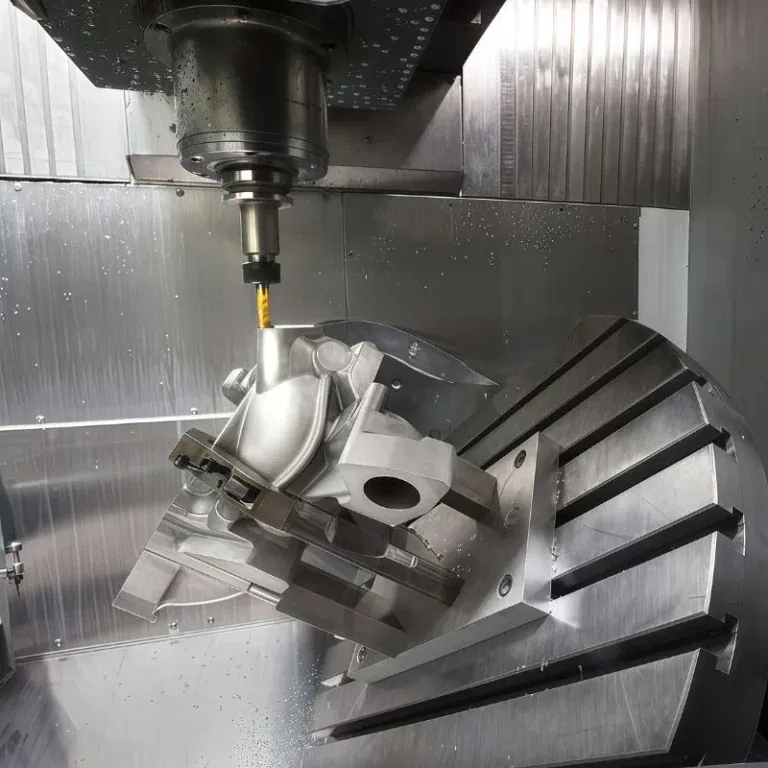
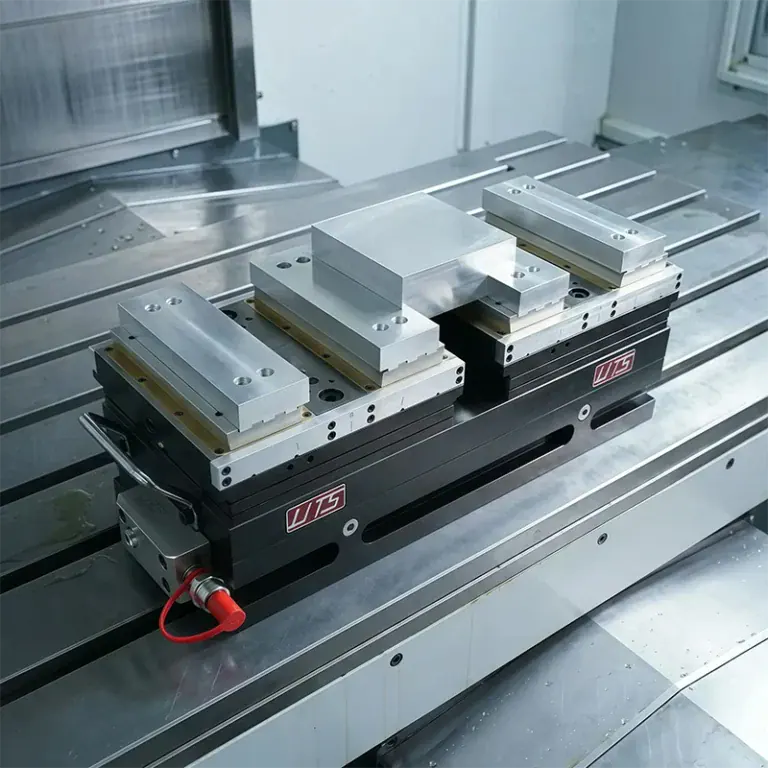
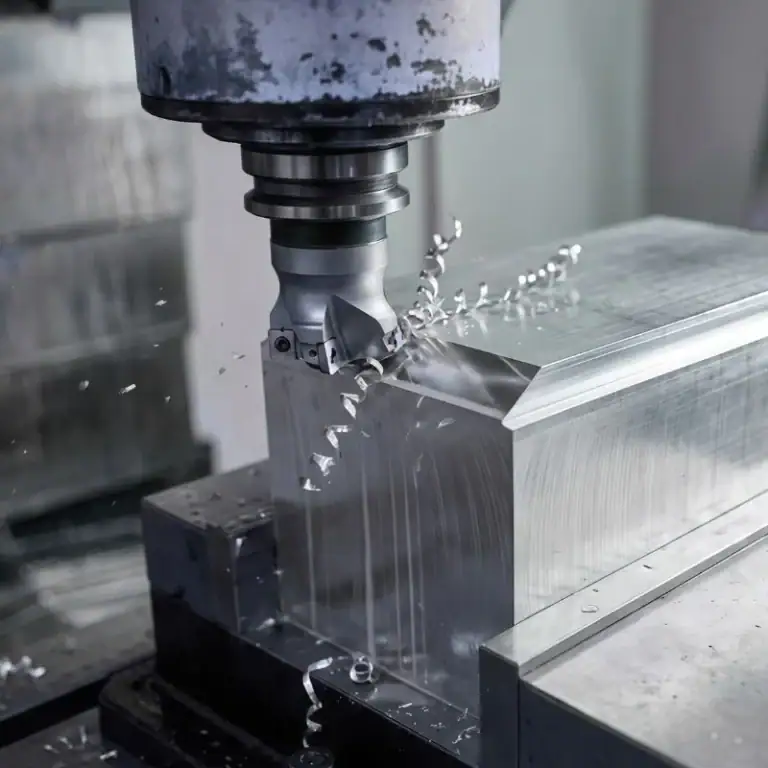
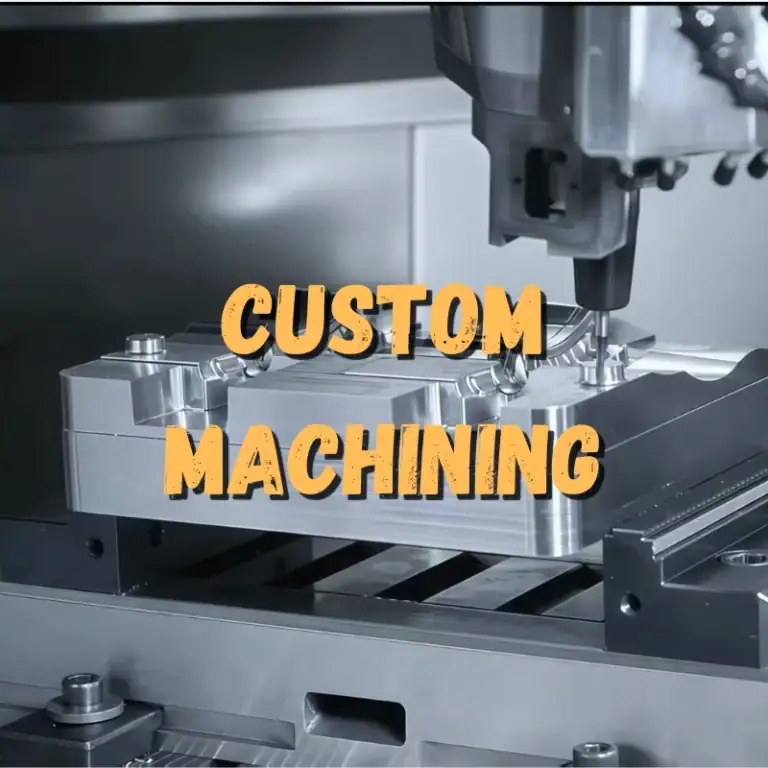
In today’s world of increasingly fast product iteration, companies are placing higher demands on part lead time, machining accuracy, and production flexibility. Whether it is sample validation during new product development, small-batch trial production, functional testing, or structural optimization, rapid manufacturing has become an important way for businesses to gain market advantage. Compared with traditional machining methods, CNC milling can rely on digital programming, stable machine control, and strong material adaptability to turn design drawings into physical parts that can be verified, assembled, and tested more quickly, while still maintaining dimensional accuracy and surface quality as much as possible. For industries such as aerospace, automotive, medical devices, and consumer electronics, CNC milling is not only a machining method, but also an important tool for shortening R&D cycles, reducing trial-and-error costs, and improving delivery efficiency.
Shortening the Product Development Cycle
In rapid manufacturing scenarios, time often directly determines project progress, and one of the greatest values of CNC milling is helping companies compress the “design–validation–modification–revalidation” process into a shorter cycle.
Quickly Produce Prototypes
In the early stage of product development, structures, dimensions, and assembly relationships usually need to be verified repeatedly. CNC milling can machine parts directly from a 3D model without waiting for mold development like traditional processes, making it especially suitable for rapid prototype realization.
- No complex mold preparation is required; machining can be carried out directly based on CAD or 3D drawings, greatly shortening the upfront preparation time.
- Physical prototypes can be obtained quickly, helping R&D teams check appearance, dimensions, and functionality as early as possible.
- Multiple rounds of design modification and re-machining are supported, allowing companies to maintain higher efficiency during the trial-and-error process instead of being slowed down by long manufacturing cycles.
Through this rapid prototyping method, companies can identify design issues earlier and complete optimization before formal mass production, thereby reducing time waste during the R&D stage.
Improve Design Validation Efficiency
From design to mass production, companies often need to go through structural testing, assembly testing, functional testing, and appearance confirmation. CNC milling’s fast response capability helps these validation tasks proceed more smoothly.
- It can quickly verify whether the part structure is reasonable, especially for checking wall thickness, hole positions, mating surfaces, and assembly interference.
- It can identify assembly deviations or functional defects in advance, preventing issues from being discovered only after entering later batch production stages.
- It helps reduce later modification costs, since the earlier a problem is found, the lower the time and cost required for adjustments.
- It also improves collaboration efficiency among R&D teams, enabling design, process, and testing departments to work around the same prototype version more quickly.
The higher the design validation efficiency, the easier it is for a product to move to the next development stage, and the less resource consumption is caused by repeated revisions.
Reduce Time to Market
In a highly competitive market, the company that brings products to market faster is more likely to gain an advantage. CNC milling helps shorten the overall cycle from development to launch. It can quickly complete prototype and trial-part machining, accelerate R&D validation, shorten small-batch trial production time, and improve coordination among R&D, procurement, production, and quality departments. A shorter development cycle not only means faster product launch, but also enables companies to respond more quickly to customer needs and market changes, thereby gaining stronger competitive advantages.

Meeting Diverse Part Manufacturing Needs
Rapid manufacturing is not just about “doing it fast.” More importantly, it must still meet complex structures, different materials, and customized requirements while improving speed, which is one of the reasons CNC milling is so popular in rapid manufacturing.
Adapt to Complex Structures
Modern product design increasingly emphasizes lightweighting, functional integration, and complex appearances, so parts often include curved surfaces, deep cavities, thin walls, and irregular contours, which places higher demands on machining capability.
- It supports complex surface machining, meeting the manufacturing needs of appearance parts, functional parts, and high-precision structural parts.
- It is suitable for deep cavities, narrow slots, and irregular structures, allowing many parts that are difficult to produce with traditional processes to be successfully manufactured.
- It can meet high-precision contour machining requirements, helping companies maintain good dimensional consistency in complex structures.
Strong complex-structure machining capability allows CNC milling to cover more types of rapid manufacturing tasks and gives product design greater freedom.
Support Machining of Multiple Materials
Different products require different material properties. Some emphasize strength, some focus on lightweighting, and others value corrosion resistance and appearance. Machining equipment therefore needs strong material adaptability. CNC milling can not only machine common metals such as aluminum alloys and stainless steel, but also handle copper alloys, titanium alloys, and other high-performance materials, as well as engineering plastics and other non-metallic materials. It is suitable for industrial parts, aerospace and medical components, electronic products, and functional prototypes. The wider the material adaptability, the more freely companies can choose materials based on performance requirements during product development, without being constrained by the machining method.
Flexibly Respond to Customization Needs
Many rapid manufacturing projects are not standardized mass-produced products, but part development tasks with obvious customization characteristics, so the production method must be flexible enough to meet changing customer requirements.
- Machining programs can be modified quickly to accommodate design version updates and structural adjustments without restarting a complex process.
- It can handle parts of different specifications, sizes, and functional requirements, making it suitable for multi-variety, small-batch projects.
- It is convenient for meeting personalized manufacturing needs, especially for R&D prototyping, special equipment, and customized product development.
This flexibility allows companies to respond more calmly to changing customer demands and gives rapid manufacturing its true “on-demand production” value.
Improving Machining Accuracy and Product Quality
Many customers worry that rapid manufacturing means sacrificing quality. The advantage of CNC milling is precisely that it can maintain relatively high machining accuracy and stable product quality even at a faster pace.
Ensure Dimensional Accuracy
For industrial parts, dimensional accuracy directly affects assembly performance, usability, and long-term reliability, so high-quality machining must be built on stable control capability.
- It improves part dimensional consistency and reduces deviations between products in the same batch.
- It can meet strict tolerance requirements, making it suitable for parts with clear precision requirements on mating surfaces, hole positions, and critical structures.
- It helps reduce rework and trimming, making the machining result closer to the final delivery condition.
Precise dimensional control not only improves product reliability, but also makes subsequent assembly and testing smoother.
Improve Surface Quality
Surface quality affects not only appearance, but also friction, sealing, assembly, and service life, so it cannot be ignored in rapid manufacturing.
- It can improve surface finish, making prototypes and trial parts closer to the final product appearance.
- It reduces tool marks, burrs, and localized roughness, lowering the burden of manual post-processing.
- It helps reduce finishing requirements, allowing parts to move into assembly or testing more quickly.
Better surface quality means less trimming time and higher overall delivery efficiency.
Maintain Batch Consistency
In small-batch and medium-batch production, customers care not only about the quality of a single part, but also whether every part is consistent, and CNC milling is very effective in meeting this need. It can maintain stable part dimensions, reduce batch variation, improve product consistency, lower the risk of rework caused by individual part deviations, make customers more confident during assembly and use, and also help companies build long-term cooperative relationships.
Reducing Manufacturing Costs and Production Risks
The core of rapid manufacturing is not only “speed,” but also controlling costs, reducing waste, and minimizing uncertainties during project execution while improving efficiency.
Reduce Mold Investment Costs
Traditional manufacturing methods often require mold development first, and mold development itself means high upfront investment and long waiting times, which is not friendly to the R&D and prototyping stages.
- No dedicated mold is required; parts can be machined directly, making it especially suitable for prototypes and small-batch projects.
- Development costs can be significantly reduced, allowing companies to invest more budget into design optimization and functional validation.
- For the trial-production stage, investment is more flexible and risks are more controllable.
This approach is especially suitable for stages where the product is not yet fully finalized and frequent modifications are needed.
Reduce Material Waste
In rapid manufacturing, material utilization is also a major concern for customers. The less material wasted, the easier it is to control overall costs.
- Optimizing cutting paths can reduce unnecessary air cutting and repeated machining.
- Reasonable machining sequencing helps reduce scrap generation and improve raw material utilization.
- Higher material utilization means lower unit manufacturing costs and better alignment with efficient production requirements.
Good resource utilization not only saves costs, but also makes the manufacturing process more economical and sustainable.
Reduce Production Risks
Rapid manufacturing projects are often time-sensitive, change-heavy, and validation-intensive, so production risk control is very important. CNC milling’s flexibility helps companies reduce uncertainty.
- Design plans can be adjusted quickly, avoiding large-scale losses caused by version changes.
- It helps reduce inventory pressure because companies can produce on demand instead of stocking large quantities in advance.
- It can lower trial-production failure risks, allowing companies to complete sufficient validation before formal mass production.
Lower risk means companies can move projects forward more steadily and better control the overall pace.
Driving Intelligent and Efficient Production
Modern rapid manufacturing no longer relies solely on machining equipment; it increasingly depends on the coordinated integration of digital, automated, and intelligent systems.
Achieve a Digital Machining Process
Digital technology makes the machining process clearer and more efficient, and also improves the connection between design and manufacturing.
- CAD data can be imported directly, reducing time loss and errors in manual conversion.
- Machining programs can be generated automatically, improving process preparation efficiency.
- Information transfer efficiency is improved, making communication among design, programming, and production smoother.
Digital manufacturing is changing traditional production models and giving rapid manufacturing true high responsiveness.
Improve Automation Levels
Automation equipment reduces manual intervention and makes machining more continuous and stable, which is especially important for rapid manufacturing.
- Automatic tool changing is supported, reducing manual operation time and improving equipment utilization.
- Automatic inspection and compensation functions can be combined to correct machining deviations in time.
- Continuous production capability is improved, allowing equipment to run efficiently for longer periods.
The higher the automation level, the easier it is for companies to complete more orders in a shorter time.
Support Rapid Batch Production
Once a product has passed validation and enters the market stage, companies often need to expand capacity quickly, and CNC milling remains highly adaptable at this stage.
- Production preparation time can be shortened, allowing batch production to start faster.
- Order response speed can be improved, helping companies meet customer delivery needs more quickly.
- Rapid capacity expansion is supported, enabling companies to keep pace when market demand grows.
Greater production flexibility not only helps companies complete rapid manufacturing, but also helps them seize market opportunities.
Conclusion
With its fast response, high-precision machining, broad material adaptability, and flexible production methods, CNC milling has become one of the most important technologies in rapid manufacturing. Whether it is prototype validation during new product development, small-batch trial production, complex part manufacturing, or later batch expansion, CNC milling helps companies shorten delivery cycles, reduce manufacturing risks, and improve product quality. If you are looking for a reliable rapid manufacturing partner, TiRapid can provide professional and efficient CNC milling solutions for a wide range of projects.