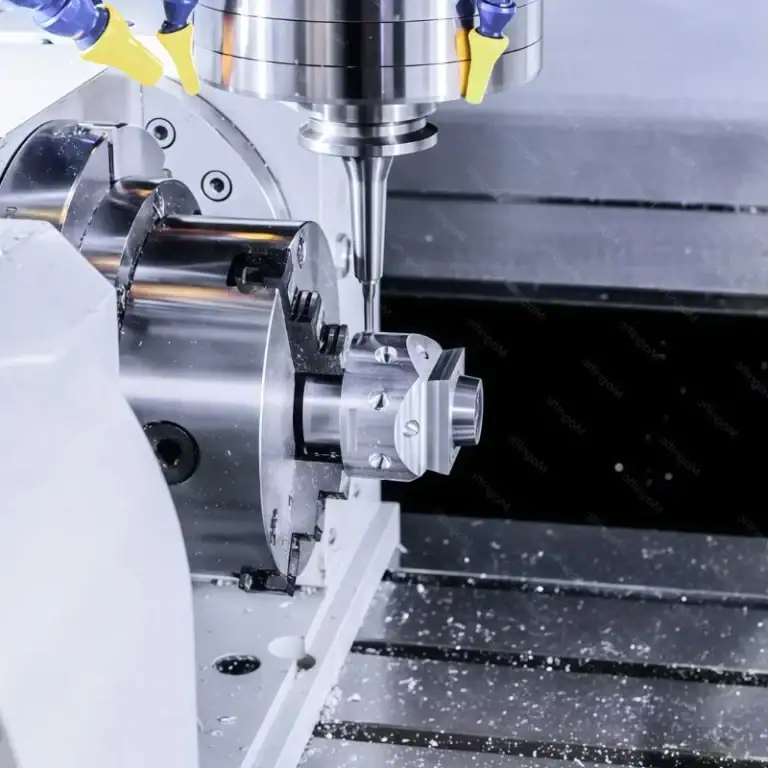
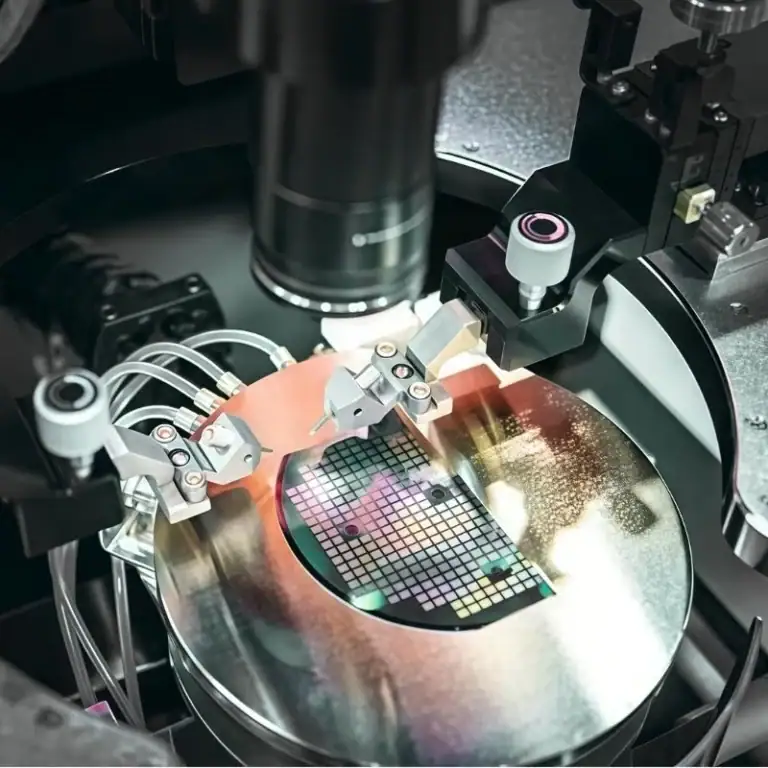
PVC (Polyvinyl Chloride) is widely used in industries such as chemical processing equipment, environmental protection equipment, electronics and electrical engineering, medical devices, advertising displays, and automation equipment due to its excellent corrosion resistance, dimensional stability, electrical insulation properties, and cost-effectiveness. As demand for customized components continues to grow, more and more manufacturers are adopting CNC machining to produce PVC parts. Compared with injection molding, CNC machining eliminates the need for mold fabrication, allowing for rapid prototyping, low-volume production, and the machining of complex geometries. As a result, it has become one of the most important manufacturing processes for PVC components.
Why Is PVC Suitable for CNC Machining?
Compared with some other plastics, PVC is easier to source, relatively easy to machine, and capable of meeting the requirements of many industrial applications for corrosion resistance, electrical insulation, and dimensional stability. Therefore, whether for product development, prototype production, or mass manufacturing, PVC offers significant application value. Before exploring specific machining methods, understanding the characteristics of PVC helps explain why it is so widely used in CNC machining.
PVC Has Excellent Machinability
Not all plastic materials can achieve stable CNC machining results. Thanks to its moderate hardness and relatively low cutting resistance, PVC maintains excellent cutting stability during CNC machining, making it an important material for mechanical components, equipment parts, and industrial structural components. Unlike some soft plastics that easily deform or high-hardness composite materials that rapidly wear cutting tools, PVC provides high machining efficiency with minimal tool wear.
PVC is one of the easiest plastics to machine. With properly optimized machining parameters, it can achieve excellent dimensional accuracy and surface finish. Because of its moderate hardness, cutting resistance remains relatively low, resulting in high productivity while reducing tool wear.
Common advantages include:
- Low cutting resistance
- High machining efficiency
- Good surface finish
- Excellent dimensional stability
In addition to these advantages, PVC chips are relatively easy to control during machining. With proper tool selection and feed rate settings, clean cutting results can be achieved. Even in large-scale production, PVC can maintain excellent consistency, making it highly popular among machinery manufacturers.
Excellent Corrosion Resistance for Industrial Equipment
Many industrial machines operate continuously in humid, high-moisture, or chemically aggressive environments. When conventional metal materials are used, they are susceptible to rust and corrosion, which shortens equipment life. PVC offers outstanding chemical corrosion resistance, making it a common material for chemical processing equipment, water treatment systems, and environmental protection equipment.
PVC provides excellent resistance to acids, alkalis, and salts, making it widely used in:
- Chemical storage equipment
- Water treatment systems
- Electroplating equipment
- Environmental protection equipment components
These applications require not only corrosion resistance but also sufficient mechanical strength and machining precision. CNC machining enables the production of complex structural components, allowing PVC parts to better meet installation requirements while improving overall equipment reliability.
Ideal for Low-Volume Custom Manufacturing
With the continuous growth of automation equipment and custom machinery, more products require customized manufacturing based on customer specifications. Although injection molding is ideal for mass production, it requires significant upfront tooling investment, and design modifications require new molds.By contrast, PVC combined with CNC machining enables direct production from CAD drawings without mold fabrication, significantly shortening product development cycles.
PVC CNC machining is particularly suitable for:
- Prototype production
- Low-volume manufacturing
- Customized equipment components
- Non-standard machinery parts
During product development, designs often require multiple revisions. CNC machining allows new parts to be produced simply by modifying the machining program, substantially reducing development costs while improving prototype verification efficiency. This has become an important manufacturing method for many equipment manufacturers.
Which CNC Machining Methods Are Suitable for PVC?
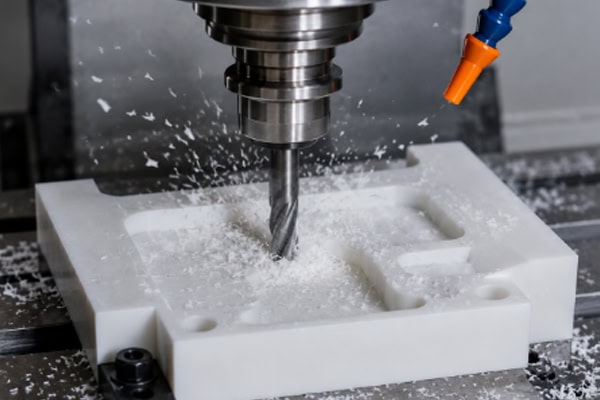
PVC is compatible with various CNC machining processes, and different product structures typically require different manufacturing methods. Simple flat components can often be completed through CNC milling, cylindrical parts are more suitable for CNC turning, while products containing numerous mounting holes and threaded features require drilling and tapping operations.Selecting the appropriate machining method not only improves production efficiency but also ensures dimensional accuracy and product quality.
CNC Milling
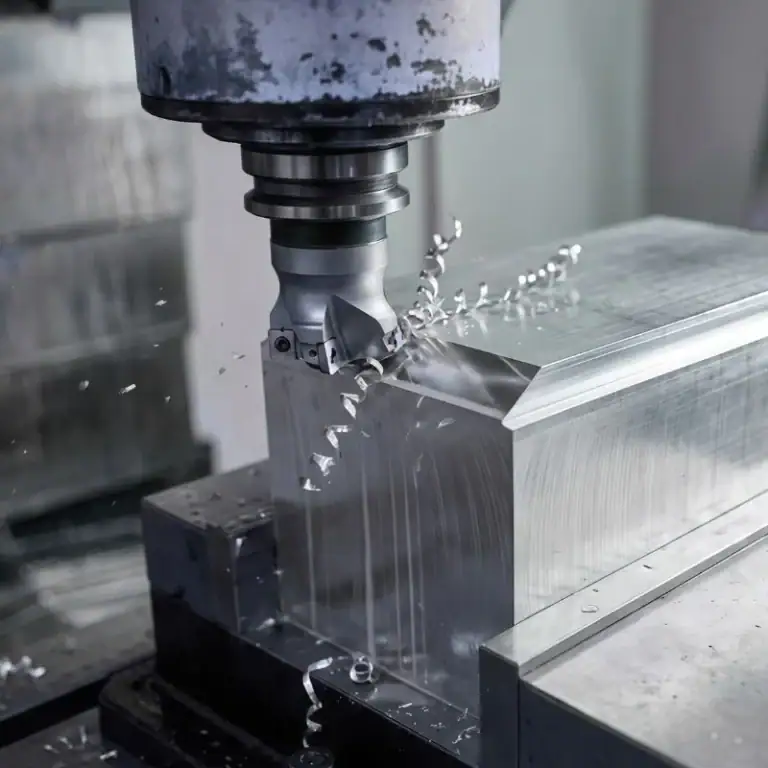
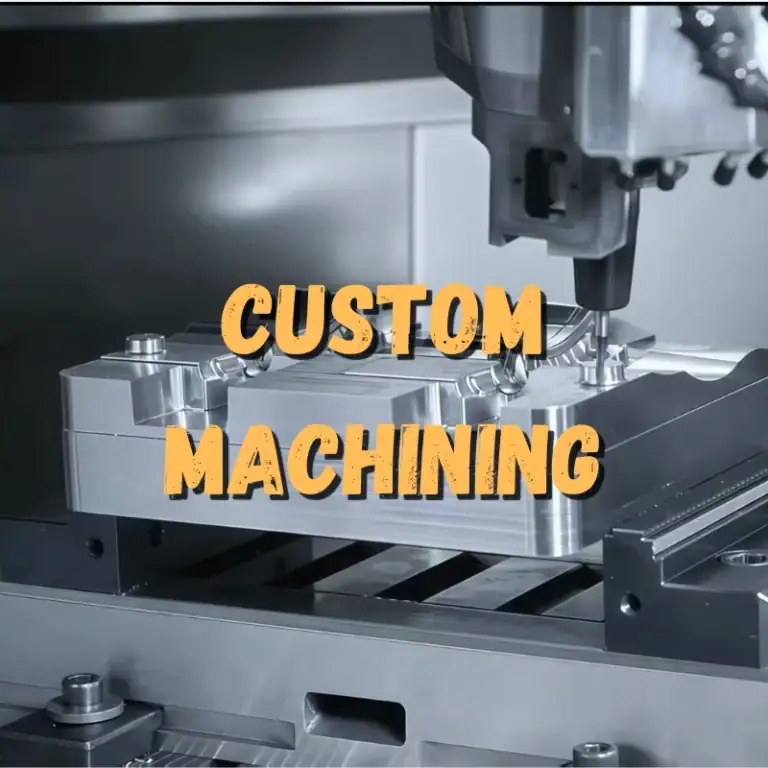
Milling is the most common machining method for PVC and also the most widely used manufacturing process.CNC machining centers can automatically machine complex contours according to programmed toolpaths, making them especially suitable for irregular structural components and sheet materials.
CNC milling can perform:
- Surface machining
- Curved surface machining
- Slot machining
- External contour machining
- Complex profile machining
Milling efficiently produces complex geometries while maintaining excellent dimensional consistency. Products requiring three-dimensional surfaces can further benefit from multi-axis machining technology.
CNC Drilling and Tapping
Many PVC products require screw installation, pipeline connections, or attachment to other components. Therefore, drilling and tapping are indispensable machining processes.
CNC equipment can perform:
- Through-hole drilling
- Countersunk hole machining
- Stepped hole machining
- Precision locating hole machining
- Thread tapping
Compared with manual machining, CNC drilling provides higher speed and significantly better positional accuracy. Accurate hole positioning reduces assembly errors and improves consistency in automation equipment, electrical equipment, and precision structural components.
CNC Turning
For rotational PVC components, CNC lathes provide excellent machining efficiency.
Many products are manufactured using turning processes, including:
- Pipe fittings
- Bushings
- Cylindrical connectors
- Seal seats
- Roller components
CNC turning can machine outside diameters, end faces, internal bores, and threads while maintaining excellent concentricity. Components requiring tighter dimensional tolerances can further improve surface finish through finish turning.

Technical Recommendations for PVC CNC Machining
Although PVC is relatively easy to machine, improper process control can still lead to burrs, dimensional errors, and reduced surface quality. Stable machining results require optimized cutting parameters, proper tool management, and suitable machining conditions.
Properly Control Cutting Temperature
PVC is a thermoplastic material that easily generates localized heat through friction during high-speed machining. Excessive temperatures may soften or even partially melt the material surface, reducing product quality.Controlling cutting heat is therefore one of the most important aspects of PVC machining.
Excessive temperatures may result in:
- Surface whitening
- Localized melting
- Increased tool marks
- Rough surface finish
During machining, spindle speed, feed rate, and cutting depth should be optimized according to part geometry to minimize heat accumulation and improve surface finish.
Choose Appropriate Cutting Tools
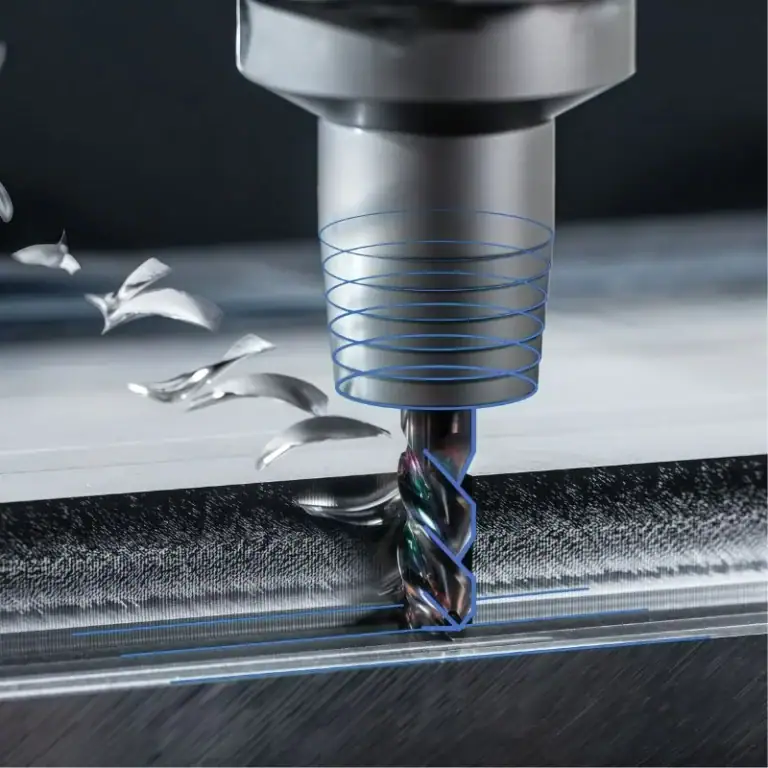
Although PVC does not wear cutting tools as rapidly as fiberglass materials, tool sharpness directly affects machining quality.Worn tools may cause material deformation rather than clean cutting, resulting in increased burr formation and dimensional inaccuracies.
Common tool choices include:
- Carbide cutting tools
- Single-flute plastic cutting tools
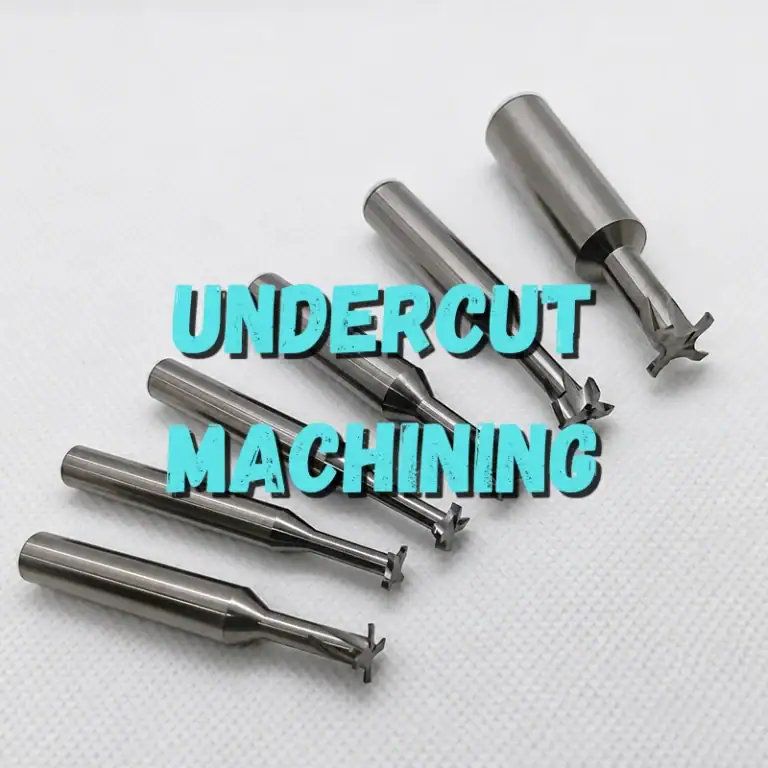
- High-sharpness end mills
Sharp cutting tools reduce cutting resistance, improve machining efficiency, and minimize scratches and burr formation, making them especially important for products with high cosmetic requirements.
Improve Chip Evacuation and Fixturing
PVC tends to generate continuous chips during machining. If chips are not removed promptly, they may re-enter the cutting zone and scratch the workpiece surface.Meanwhile, proper fixturing reduces machining vibration and improves dimensional stability.
Common fixturing methods include:
- Vacuum clamping
- Soft jaw clamping
- Dedicated positioning fixtures
- Proper workpiece support
Optimizing chip evacuation and fixturing significantly improves machining quality while reducing rework and tool wear.
How to Improve PVC CNC Machining Quality?
PVC components are increasingly used in CNC machining, particularly in chemical equipment, electronics, environmental protection systems, and custom machinery. Customers continue to demand higher dimensional accuracy, better surface quality, and greater batch consistency.Although PVC offers excellent machinability, inadequate process control may still lead to burrs, deformation, dimensional deviations, or rough surfaces.
Optimize the Machining Process
Using aggressive cutting parameters from the beginning may result in uneven stress, localized deformation, edge chipping, or dimensional deviations.In practical manufacturing, rough machining, semi-finishing, and finish machining are usually arranged according to part structure and accuracy requirements. This staged approach gradually removes excess material while minimizing machining instability.This method is especially important for thin-wall components, long workpieces, or parts with complex hole patterns because it effectively reduces stress concentration and improves machining stability.
Complex parts are generally produced through the following sequence:
- Rough machining
- Semi-finishing
- Finish machining
- Deburring
This process reduces machining stress and improves dimensional stability. Rough machining rapidly removes most excess material, semi-finishing refines contours and controls primary dimensions, while finish machining focuses on achieving final dimensional accuracy and surface quality.A properly optimized process allows every machining stage to contribute effectively, improving both machining quality and production consistency.
Perform Thorough Dimensional Inspection
After PVC components are machined, dimensional inspection is a critical quality assurance step.Even if a part appears visually acceptable, actual dimensions may deviate from engineering drawings. If such deviations go unnoticed, assembly problems such as poor fit, looseness, interference, or sealing failure may occur.Dimensional inspection not only verifies machining results but also provides valuable feedback on the manufacturing process.By analyzing measurement data, technicians can evaluate tool conditions, machining programs, and cutting parameters while making timely adjustments to prevent similar issues during mass production.After machining, dimensions should be verified according to engineering drawings.
Common inspection methods include:
- Vernier caliper measurement
- Micrometer measurement
- Coordinate Measuring Machine (CMM) inspection
- Height gauge measurement
Promptly identifying dimensional deviations helps maintain consistency throughout batch production.Different inspection tools are suitable for different accuracy requirements. Vernier calipers are ideal for rapid measurement of basic dimensions, micrometers are better suited for high-precision diameter and thickness measurements, while CMM systems provide comprehensive analysis of complex geometries, hole locations, and spatial dimensions.Strict dimensional inspection effectively reduces rework and scrap, improves production efficiency, and strengthens customer confidence in product quality.
Improve Product Quality Through Post-Processing
Even when PVC parts meet dimensional specifications immediately after machining, they may still require additional finishing before they are ready for use.Post-processing often has a direct influence on appearance, assembly quality, and service life.Products with high cosmetic requirements especially benefit from deburring, chamfering, and cleaning. Without these operations, rough edges may remain, increasing the risk of scratches or contamination during transportation and installation.Post-processing is therefore not merely an extension of machining but an essential step in improving overall product quality.
Some PVC products require additional finishing operations such as:
- Deburring
- Chamfering
- Surface cleaning
- Protective packaging
Although these operations are relatively simple, they significantly improve appearance while reducing scratches and contamination during transportation.Deburring creates smoother edges that prevent injuries and protect mating components. Chamfering improves stress distribution and enhances operational safety. Surface cleaning removes machining residue and dust, resulting in a cleaner appearance, while proper packaging minimizes damage caused by impact and friction during transportation.
Frequently Asked Questions
Is PVC Suitable for High-Precision Components?
Yes.PVC offers excellent dimensional stability. Under properly controlled machining conditions, dimensional tolerances of approximately ±0.05 mm to ±0.10 mm can generally be achieved.For industrial components with relatively simple structures and higher dimensional requirements, finish machining combined with strict inspection can further improve dimensional consistency.However, for ultra-high-precision components, comprehensive evaluation of part geometry, machine capability, and machining experience is still necessary to ensure the finished product meets assembly and performance requirements.
Conclusion
Thanks to its excellent machinability, corrosion resistance, electrical insulation, and cost-effectiveness, PVC has become one of the most widely used plastics in industrial manufacturing.Through CNC milling, drilling, tapping, and turning, manufacturers can efficiently produce PVC components with complex geometries and precise dimensions to meet the needs of industries such as chemical processing equipment, electronics, environmental protection equipment, automation machinery, and medical devices.During machining, selecting appropriate machining methods, optimizing cutting parameters, controlling machining temperatures, and performing thorough dimensional inspections can further improve both product quality and production efficiency.