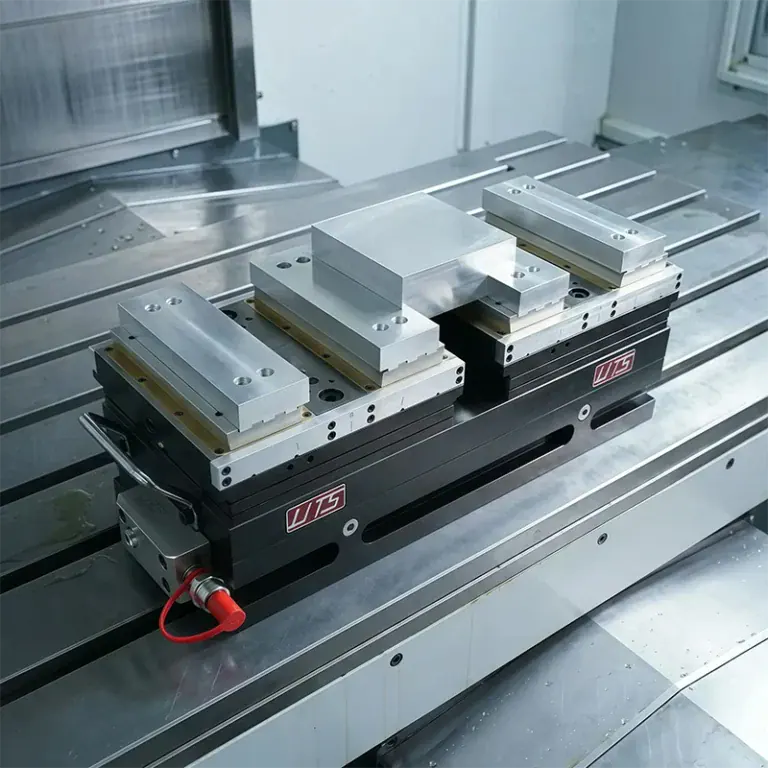
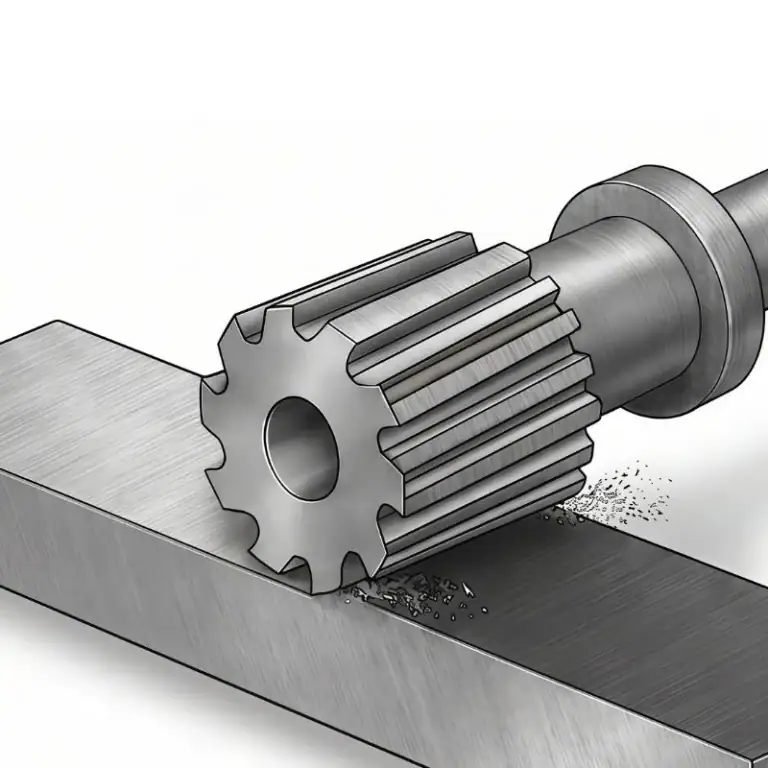
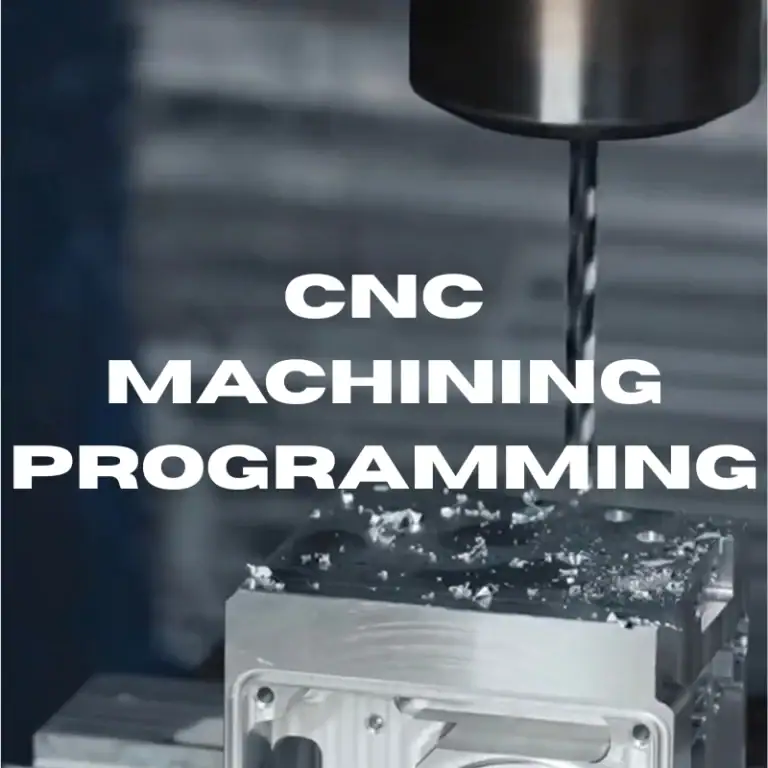
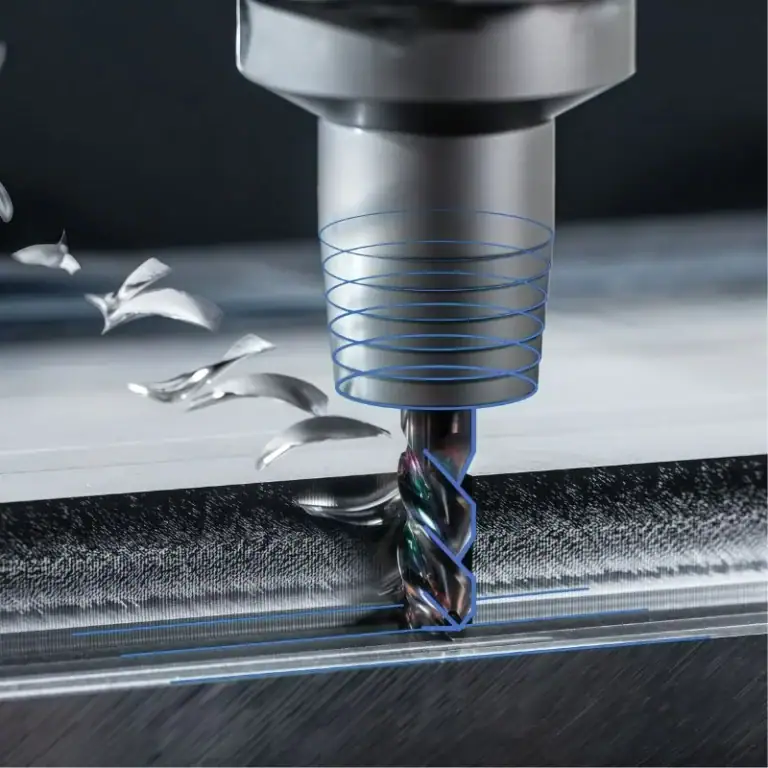
In modern manufacturing, companies are placing greater emphasis on part precision, delivery speed, and machining stability, and CNC milling is one of the key processes that can meet these demands at the same time. It is not only suitable for machining complex structural parts and high-precision components, but also maintains good stability across a wide range of materials and production volumes, which is why it has been widely adopted by more and more industries. For companies that want to improve product quality, shorten development cycles, and reduce manufacturing risks, understanding which industrial fields CNC milling is suitable for can help them choose machining solutions more accurately.
Aerospace Industry
The aerospace industry has extremely high requirements for part precision, strength, and consistency, making CNC milling highly suitable for this type of high-standard manufacturing scenario. Since products in this industry are often directly related to flight safety and equipment reliability, the machining process must not only pursue dimensional accuracy, but also take material performance and structural stability into account.
Machining Complex Structural Parts
Machining aerospace parts is not only about whether the dimensions meet specifications, but also directly affects overall structural safety, assembly efficiency, and long-term service stability, so the machining process has very strict requirements for precision, stability, and consistency.
- Aerospace parts usually feature thin walls, curved surfaces, deep cavities, and other complex structures, which place high demands on machining paths, fixturing methods, and tool control.
- CNC milling can achieve high-precision machining through multi-axis linkage, completing more operations in a single setup and reducing repeated positioning errors.
- Fuselage structural parts, brackets, connectors, and internal functional components are all suitable for this machining method.
- For aerospace manufacturers, the ability to machine complex structural parts with high quality often directly determines the overall performance of the product.
If aerospace manufacturers want to improve machining efficiency while ensuring precision, choosing CNC milling services with experience in complex structural parts can often better meet both delivery and quality control requirements.
Strong Adaptability to Difficult-to-Machine Materials
Aerospace part machining places extremely high demands on material adaptability and process stability, and any improper handling at any stage may affect the final product’s performance and delivery quality.
- Aerospace commonly uses materials such as titanium alloys, superalloys, and aluminum alloys, which offer excellent performance but are difficult to machine.
- CNC milling can achieve relatively stable cutting results by properly setting cutting parameters, selecting high-performance tools, and optimizing machining paths.
- This capability helps reduce machining problems caused by high material hardness and poor thermal conductivity.
- For companies, this means higher machining efficiency, lower tool wear, and reduced rework risk.
Only by establishing a highly coordinated machining system among equipment, tools, and process parameters can efficiency be further improved while ensuring quality, providing reliable support for stable batch production of aerospace parts.
Strict Tolerance Control
In aerospace manufacturing, part precision, assembly consistency, and long-term operational reliability often directly determine overall equipment performance, so the machining stage must have extremely high stability and controllability.
- Aerospace parts often require micron-level precision, and even the smallest deviation may affect assembly performance and operational safety.
- CNC milling relies on a CNC system to precisely control tool paths, maintaining high stability and repeatability over long machining cycles.
- For high-end aerospace projects, this stable tolerance control capability is extremely critical.
- It not only determines whether a part is qualified, but also affects the reliable operation of the entire system.
Only when tolerance control, machining stability, and repeatability are all achieved can aerospace manufacturing projects truly meet high-standard delivery requirements.
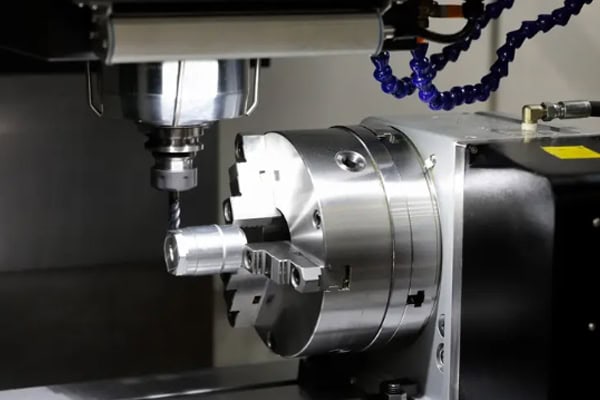
Automotive Manufacturing Industry
The automotive industry is one of the most widely used fields for CNC milling, especially in parts machining, mold manufacturing, and prototype development. As the automotive industry continues to move toward lightweighting, electrification, and high performance, the requirements for machining precision and production efficiency are also constantly increasing.
Machining Engine and Transmission Components
The automotive manufacturing industry has very high requirements for part precision, strength, and consistency, especially in the machining of powertrain-related components, where even minor errors may affect vehicle performance, assembly efficiency, and long-term operational stability.
- Engine blocks, cylinder heads, transmission housings, and similar parts require high dimensional accuracy and usually need to withstand significant mechanical loads and long-term operating pressure.
- CNC milling enables stable batch machining, ensuring flatness and dimensional consistency of critical mating surfaces.
- This machining capability helps improve part performance and assembly reliability.
- In the manufacturing of automotive powertrain components, CNC milling has very high application value.
For companies that want to improve the machining quality of automotive parts and shorten delivery cycles, choosing a mature and stable CNC milling process can not only enhance product consistency, but also provide a more reliable manufacturing foundation for subsequent batch production and vehicle assembly.
Mold and Fixture Manufacturing
Throughout the automotive manufacturing chain, molds, gauges, and assembly fixtures not only determine whether parts can be formed smoothly, but also directly affect the efficiency, stability, and consistency of subsequent batch production, so early-stage tooling machining must balance speed and precision.
- Automotive production relies on a large number of stamping molds, inspection gauges, and assembly fixtures, and the precision of these tools directly affects the quality of downstream parts.
- CNC milling can quickly produce high-precision molds and make timely corrections and optimizations according to design changes.
- Especially during new vehicle development, molds and fixtures often require frequent adjustments, and the flexibility of CNC milling can significantly shorten development cycles.
- For automotive manufacturers, this rapid response capability often directly affects project progress.
For automotive companies pursuing rapid prototyping, fast mold modification, and stable mass production, choosing machining services with mature CNC milling capabilities often provides clear advantages in both development pace and delivery efficiency.
Batch Consistency Advantage
The reason the automotive industry places such high demands on machining methods is that it must support large-scale production while ensuring that every part maintains a high degree of uniformity in dimensions, precision, and assembly performance, which is the key to whether a machining solution can truly support mass production.
- The automotive industry emphasizes scale and consistency, meaning parts must not only be machined quickly, but also maintain the same standard across every batch.
- CNC milling has stable repeat machining capability and can maintain low quality variation during long continuous production runs.
- This characteristic is suitable for large-volume part production and helps reduce rework rates and quality risks.
- At the same time, it improves supply chain delivery efficiency and meets the automotive industry’s high requirements for stability.
In today’s automotive manufacturing environment, where higher efficiency, lower cost, and stronger delivery capability are constantly pursued, CNC milling has become an important machining method supporting batch production and quality control thanks to its stability and consistency.
Medical Device Industry
The medical industry has extremely high requirements for safety, precision, and surface quality, and CNC milling offers clear advantages in this field. Since medical products usually come into direct contact with the human body, the machining process must not only meet dimensional requirements, but also take material cleanliness, surface finish, and product reliability into account.
Precision Medical Part Manufacturing
In medical device manufacturing, even a tiny dimensional deviation or surface defect may affect product safety, fit, and clinical performance, so the machining stage must have sufficiently stable precision control capability.
- Surgical instruments, orthopedic implants, and medical equipment structural parts all require high-precision machining.
- In particular, some components that directly contact human tissue have even stricter requirements for dimensions and surface condition.
- CNC milling can meet complex dimensional and strict tolerance requirements, helping companies produce products that better meet clinical standards.
- For medical manufacturers, precision machining capability is not only the foundation of product quality, but also an important condition for earning customer trust.
Only when machining precision, material adaptability, and batch consistency are all guaranteed can companies better meet the medical industry’s strict requirements for safety, reliability, and traceable production.
Machining Biocompatible Materials
In medical device manufacturing, material selection is not only related to mechanical performance, but also directly affects clinical safety, stability, and long-term reliability, so the machining stage must balance precision, cleanliness, and consistency.
- Medical devices commonly use stainless steel, titanium alloys, and engineering plastics, which must meet strength requirements while also offering good biocompatibility.
- CNC milling can stably machine these materials while maintaining good surface quality during the process, helping reduce subsequent polishing and finishing work and improving overall manufacturing efficiency.
- At the same time, this machining method can better meet the medical industry’s strict safety and hygiene requirements.
For medical products that require high precision, small batch production, and customization, this machining method can help companies complete prototype validation and batch delivery more quickly.
Small-Batch Custom Production
As medical devices and customized products become increasingly segmented, companies must not only meet strict precision requirements, but also find a better balance among development speed, prototyping efficiency, and cost control.
- Medical products are often customized, and different patients and application scenarios may require different specifications.
- CNC milling does not require complex mold making and can respond quickly to design changes, making it ideal for small-batch, multi-variety medical manufacturing needs.
- For medical projects that require rapid prototyping and frequent adjustments, this flexibility can significantly improve development efficiency.
- At the same time, it can reduce upfront investment costs and improve project controllability.
For medical companies that want to accelerate product launch while ensuring quality, CNC milling is not just a machining method, but also an important manufacturing support that helps projects move faster into validation, optimization, and mass production stages.
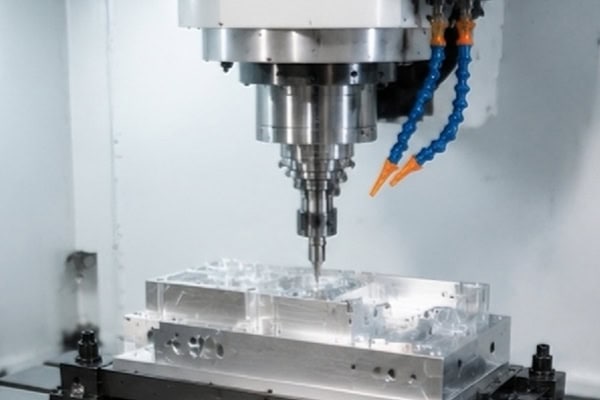
Electronics and Consumer Electronics Industry
Electronic products evolve quickly and require both precision and appearance quality, making CNC milling highly mature in this field. As consumer electronics continue to move toward thinner, more precise, and higher-performance designs, the value of CNC milling is becoming increasingly prominent.
Precision Enclosure Machining
As consumer electronics continue to pursue thinner profiles, refined appearance, and a premium feel, enclosure machining not only determines the product’s first impression, but also directly affects assembly precision, user experience, and brand competitiveness.
- Products such as smartphones, tablets, and laptops usually require high precision and high surface quality for their enclosures.
- They must not only ensure smooth internal structural assembly, but also take into account visual appeal and tactile experience.
- CNC milling can achieve complex contour machining, allowing products to combine structural strength with aesthetic quality.
- For consumer electronics exterior parts manufacturing, this machining method helps companies enhance product grade and market competitiveness.
As market demands for appearance consistency, detail precision, and rapid iteration continue to rise, CNC milling has also become a key process in consumer electronics enclosure manufacturing that balances efficiency, quality, and flexibility.
Manufacturing Heat Dissipation Components
As electronic products continue to move toward higher performance, thinner designs, and greater integration, thermal management has become not just an auxiliary design issue, but a key factor directly affecting product stability, service life, and market competitiveness.
- Electronic devices have increasingly high thermal dissipation requirements, especially high-performance chips and compact devices, which place higher demands on the design and machining of heat dissipation structures.
- CNC milling can machine heat sinks, cooling bases, and internal support structures, helping improve product thermal efficiency and operational stability.
- For electronics manufacturers, good thermal structures not only affect product performance, but also relate to device lifespan and user experience.
- This gives CNC milling very practical value in the manufacturing of electronic heat dissipation components.
For electronic manufacturing projects that need to balance precision, efficiency, and structural complexity, CNC milling can complete high-quality heat dissipation part machining in a relatively short cycle, providing reliable support for performance optimization and rapid iteration.
Strong Rapid Iteration Capability
The electronics industry is highly competitive, and the cycle from concept to market launch is constantly being compressed. Any design change, structural optimization, or prototype rework can directly affect the market window, so companies need a machining method that can respond quickly to changes and support R&D and trial production.
- Electronic products are updated frequently, and design plans often need to be adjusted quickly based on market feedback.
- CNC milling supports rapid program modification and structural adjustment, helping companies complete prototype validation and version iteration more quickly.
- For electronics companies pursuing faster time-to-market, this flexibility is extremely important.
- It allows products to enter the market sooner and respond promptly to changing consumer demands.
For electronics companies that want to gain an edge in fierce competition, CNC milling not only shortens development cycles, but also improves trial production efficiency while ensuring precision and consistency, enabling products to make the critical leap from design to mass production more quickly.
Mold Manufacturing and Industrial Equipment Industry
Mold and industrial equipment manufacturing is one of the core application areas of CNC milling, and also one of the machining scenarios that many companies care about most. Whether it is mold forming precision or the assembly quality of industrial equipment parts, high-level milling support is indispensable.
High-Precision Mold Machining
The reason mold manufacturing has such strict machining requirements is that it not only affects product appearance and dimensions, but also directly determines the stability and yield rate of subsequent mass production, and even small errors may be amplified during volume production.
- Molds directly determine final product quality, so the machining precision of cavities, curved surfaces, and detailed structures must be extremely high.
- CNC milling can achieve high-precision machining of complex cavities and curved surfaces, helping improve mold life and forming quality.
- For mold manufacturers, the higher the precision, the better the consistency and stability of downstream products.
- This is also one of the core factors customers care about most when choosing machining services.
Only by achieving precision, efficiency, and stability at the same time can mold machining truly meet customers’ comprehensive requirements for lead time, quality, and mass production performance.
Manufacturing Industrial Equipment Parts
Large machinery, automation equipment, and specialized equipment all have high requirements for structural rigidity, precision, and long-term operational stability during manufacturing, so the choice of machining method directly affects overall equipment performance and long-term use.
- Many structural parts in large machinery, automation equipment, and specialized equipment require high rigidity and high precision.
- CNC milling can meet the machining needs of these parts, especially for industrial equipment supporting manufacturing.
- This machining method not only improves overall assembly quality, but also enhances the matching precision between components.
- As a result, it improves overall machine stability and meets the industrial manufacturing industry’s reliability requirements.
For industrial equipment that must run continuously over long periods, bear heavy loads, and meet strict assembly requirements, CNC milling can provide more reliable support in precision control, machining consistency, and structural compatibility.
High Efficiency in Mold Repair and Modification
In mold manufacturing and trial optimization, many issues cannot be fully solved in a single pass and often require fast, precise, and flexible secondary machining to continuously refine details until the product reaches the ideal state.
- In actual production, molds often need adjustment and correction, especially during the trial-molding stage, where local re-machining and structural optimization are common.
- CNC milling can quickly complete mold modification, re-machining, and local trimming, helping reduce downtime and improve production continuity.
- For companies that need to respond quickly to customer demands, this efficient mold repair capability can significantly improve project progress.
For companies that want to maintain efficient coordination among trial molding, mold modification, and batch delivery, CNC milling not only improves repair speed, but also helps reduce time losses and cost pressure caused by repeated rework.
Conclusion
With its high precision, strong adaptability, and stable machining capability, CNC milling has been widely used in aerospace, automotive manufacturing, medical devices, electronics, and mold and industrial equipment industries. It is not only suitable for complex parts and difficult materials, but also well suited to small-batch prototyping and rapid iteration needs. For companies, choosing the right CNC milling service can not only improve product quality, but also shorten delivery cycles and reduce development risks; if you are looking for professional and reliable machining support, TiRapid can provide high-quality CNC milling solutions to help projects move forward faster.