Powersports products include off-road motorcycles, all-terrain vehicles (ATVs), personal watercraft, and other high-performance recreational vehicles. These products require components that balance structural strength, lightweight design, durability, and complex geometries. During product development, rapid machining of prototype parts helps manufacturers validate designs, test component performance, and shorten the time from concept to assembly. Through CNC precision machining, flexible material selection, and efficient production processes, companies can accelerate the development of powersports prototype parts.
Get 20% offf
Your First Order
Need custom metal and plastic parts?
Key Requirements for Rapid Machining of Powersports Prototype Parts
Shortening the Product Development Cycle
Powersports components often undergo multiple rounds of testing and design revisions. Traditional machining processes may involve complex tooling or lengthy preparation, which can delay development. Rapid CNC machining uses CAD 3D models to generate machining programs directly, reducing the need for dedicated tooling and helping engineering teams obtain prototype parts more quickly for assembly and testing.
Meeting Complex Geometry and Precision Requirements
Components such as engine mounts, suspension parts, steering components, and personal watercraft structural parts may feature curved surfaces, holes, grooves, and intricate contours. Multi-axis CNC machining can complete multiple machining operations with fewer setups, improve dimensional consistency, and reduce errors caused by repeated repositioning.
Balancing Lightweight Design and Mechanical Performance
Powersports products must minimize weight while maintaining sufficient stiffness and strength. Aluminum alloys are suitable for lightweight structural prototypes, while stainless steel can be used for components requiring high strength and corrosion resistance. Engineering plastics are appropriate for certain low-load, insulating, or wear-resistant applications. The final material should be selected according to the component’s function, operating temperature, and testing requirements.
Rapid Machining Processes for Powersports Prototypes
CNC Milling and Turning
CNC milling is suitable for brackets, housings, connectors, and components with complex contours. CNC turning is ideal for shafts, bushings, and rotationally symmetrical parts. Combining these processes helps manufacturers address a wide range of prototype machining requirements during powersports product development.
Multi-Axis Machining for Complex Components
For components with angled holes, spatial curves, or features distributed across multiple surfaces, 5-axis CNC machining provides greater flexibility. It reduces the need for repeated setups and improves the machining quality of complex surfaces. Before machining intricate, high-precision prototypes, manufacturers should evaluate tool accessibility, workholding methods, and critical dimensional tolerances.
Surface Finishing and Secondary Processing
After machining, prototype components may undergo deburring, sandblasting, polishing, or other suitable surface treatments, depending on the testing objectives. If a component will be tested under real operating conditions, manufacturers should also inspect surface quality, mating dimensions, and potential fatigue or corrosion risks to ensure the finished part meets the relevant validation requirements.
Rapid Machining Solutions for Common Powersports Prototype Parts
Component Type
Recommended Machining Process
Common Materials
Key Considerations
Engine mounts
CNC milling, 5-axis machining
Aluminum alloys, steel
Rigidity, mounting hole accuracy
Suspension components
CNC milling, turning
Aluminum alloys, alloy steel
Strength, dimensional consistency
Steering connectors
CNC milling, turning
Aluminum alloys, stainless steel
Fit accuracy, mechanical loads
Personal watercraft structural parts
CNC milling, complex surface machining
Aluminum alloys, engineering plastics
Corrosion resistance, structural compatibility
Housings and functional prototypes
CNC milling
Aluminum alloys, engineering plastics
Appearance, assembly, and spatial validation
These recommendations serve as an initial guide for process selection. The final machining method should be determined according to engineering drawings, load conditions, material properties, and testing objectives.
How to Improve Powersports Prototype Machining Efficiency
Optimize Design for Manufacturability
Considering tool accessibility, wall thickness, corner radii, and workholding positions during the design stage can reduce unnecessary machining operations. For non-critical areas, simplifying geometric features where structural performance allows can also lower machining complexity.
Define Drawing and Inspection Requirements
When submitting 3D models and 2D engineering drawings, clearly specify the material, critical dimensions, tolerances, threads, and surface finishing requirements. For dimensions that affect assembly or safety performance, inspection methods should be established in advance to reduce rework after machining.
Establish a Fast Feedback Process
Timely communication between design, machining, and testing teams helps identify prototype issues quickly and supports model revisions based on test results. For projects involving multiple iterations, manufacturers should prioritize validation of critical structures and mating relationships before refining appearance and non-critical details.
TIRAPID Powersports Prototype Machining Solutions
Rapid machining of powersports prototype parts requires more than short lead times. It also demands dimensional accuracy, suitable material properties, and the ability to manufacture complex geometries. TIRAPID can evaluate appropriate CNC machining solutions based on project drawings, component geometry, and application requirements, supporting prototype manufacturing and design validation during the product development stage.
From simple connectors to complex curved structural components, selecting the right machining process, materials, and inspection standards helps reduce trial-and-error costs during product development. It also provides a reliable foundation for subsequent design optimization and production manufacturing. For powersports manufacturers requiring rapid prototyping, clearly defining drawings, tolerances, materials, and delivery requirements in advance can improve project coordination and overall efficiency.
Author
Galen Director and Founder
Committed to ensuring we provide the best possible service in the manufacturing industry.
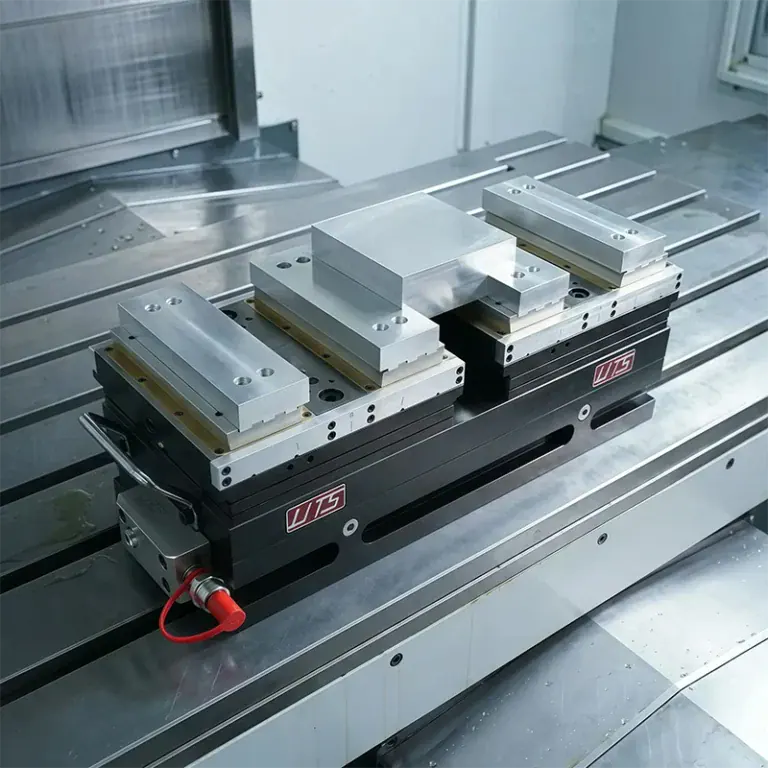
A precise toolpath is only useful when the workpiece stays where it belongs. If a part shifts, lifts, or bends during cutting, even a carefully programmed CNC machine can produce
Machining allowance is the extra material intentionally left on a workpiece before final machining. In CNC machining, this extra stock gives machinists enough material to remove surface defects, correct minor
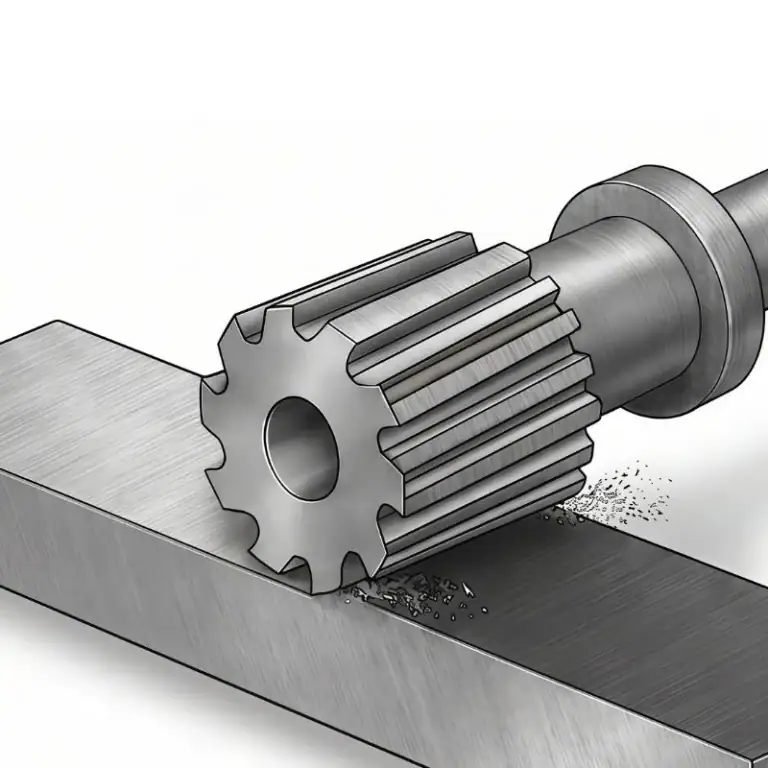
Plain milling is a milling process used to machine broad, flat surfaces by removing material with the peripheral cutting edges of a rotating cutter. It is commonly performed on a
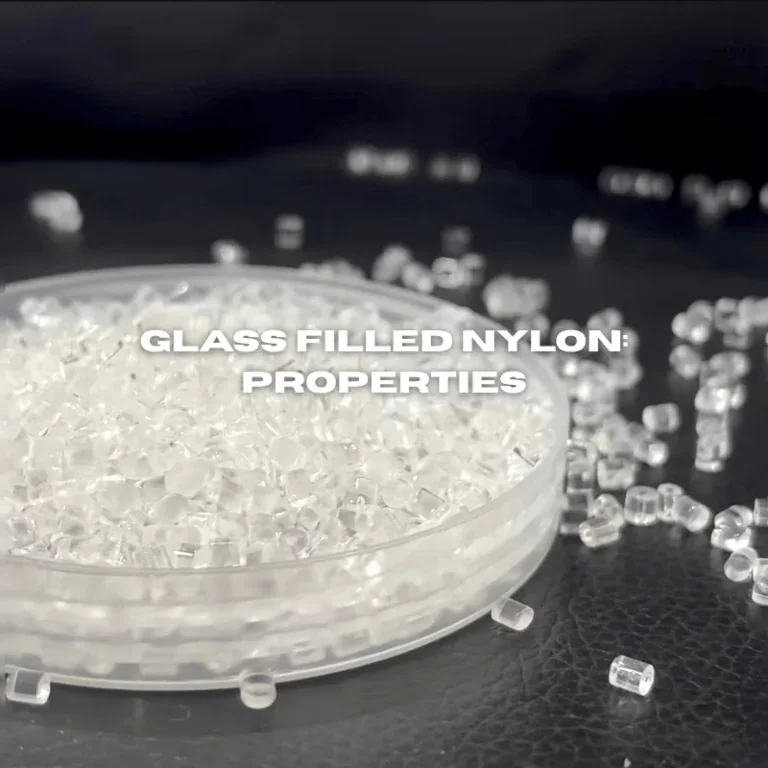
Glass filled nylon is a reinforced engineering plastic that combines the versatility of nylon with the strength and stiffness of glass fibers. Compared with unfilled nylon, it offers better resistance
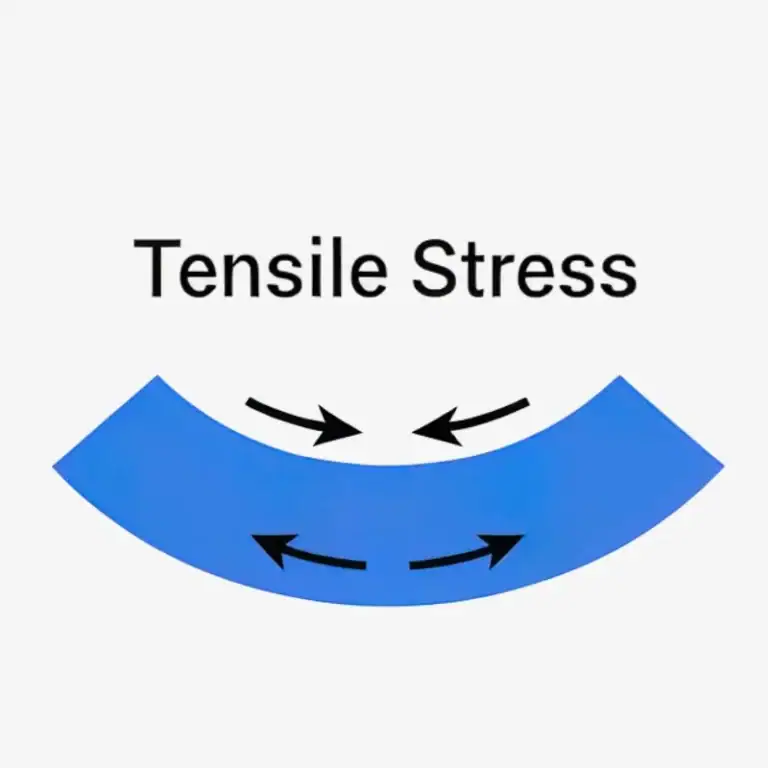
Tensile stress is the internal force per unit area produced when a material is pulled by an external load. It is calculated by dividing the applied tensile force by the
CNC machining programming connects a digital part design with the movements of a CNC machine. A well-built program defines where the cutting tool moves, which tools are used, how fast
Vertical and horizontal milling use the same basic cutting principle, but spindle orientation changes how the tool reaches the workpiece, clears chips, and handles different part geometries. This guide explains
Chamfer machining is the process of removing material from an edge, hole, or contour to create a controlled angled surface. In CNC manufacturing, chamfers are commonly used to remove sharp
Custom machining is used when a part cannot be sourced as a standard component or when its geometry, material, tolerance, or function must be tailored to a specific project. Instead
Undercut machining creates recessed, hidden, or back-facing features that a standard straight-shank cutter cannot reach from the primary machining direction. The main challenge is usually not removing the material, but
Semiconductor equipment depends on far more than electronics and process technology. Behind every wafer-handling system, test station, inspection tool, and process chamber is a network of precision-machined parts, structural components,
AI CNC machining combines traditional computer numerical control with artificial intelligence, machine learning, manufacturing data, sensors, and intelligent CAM software. Instead of replacing CNC technology, AI adds a decision-support layer