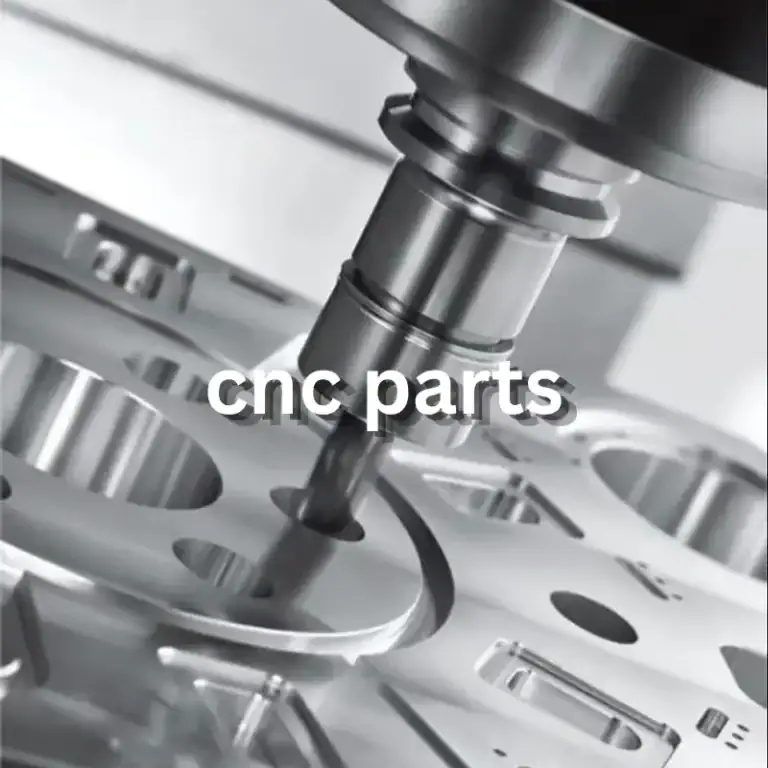
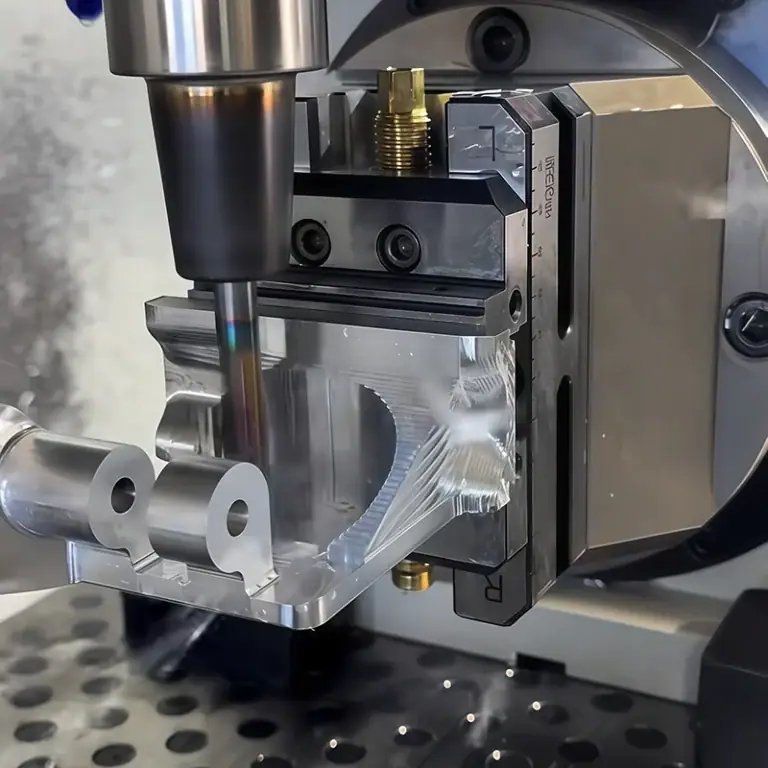
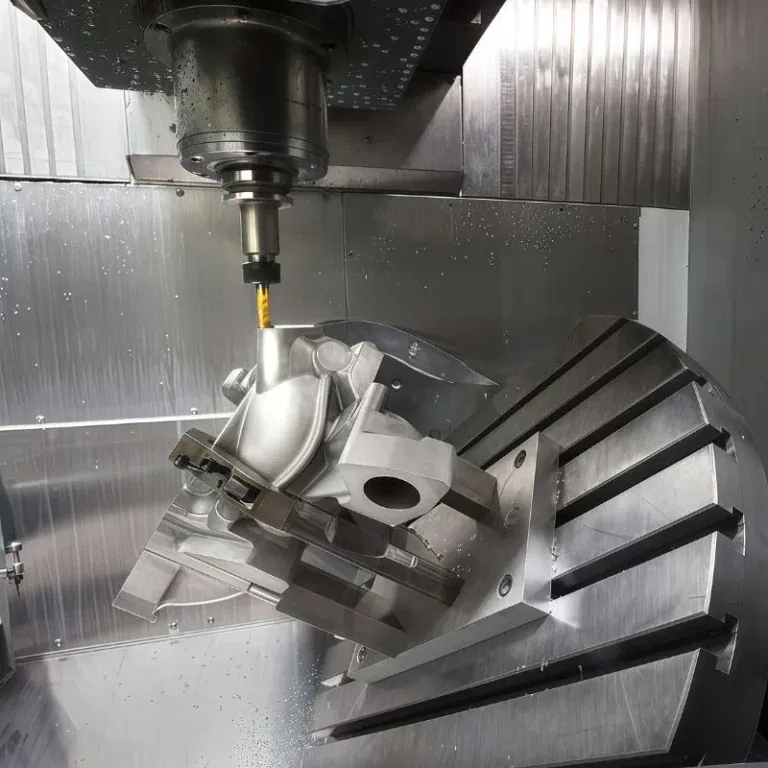
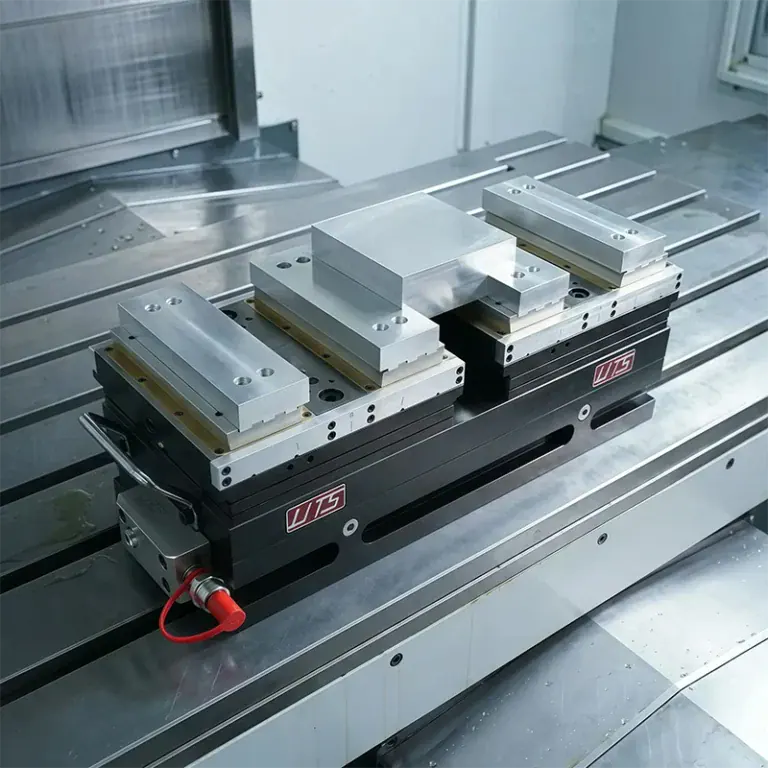
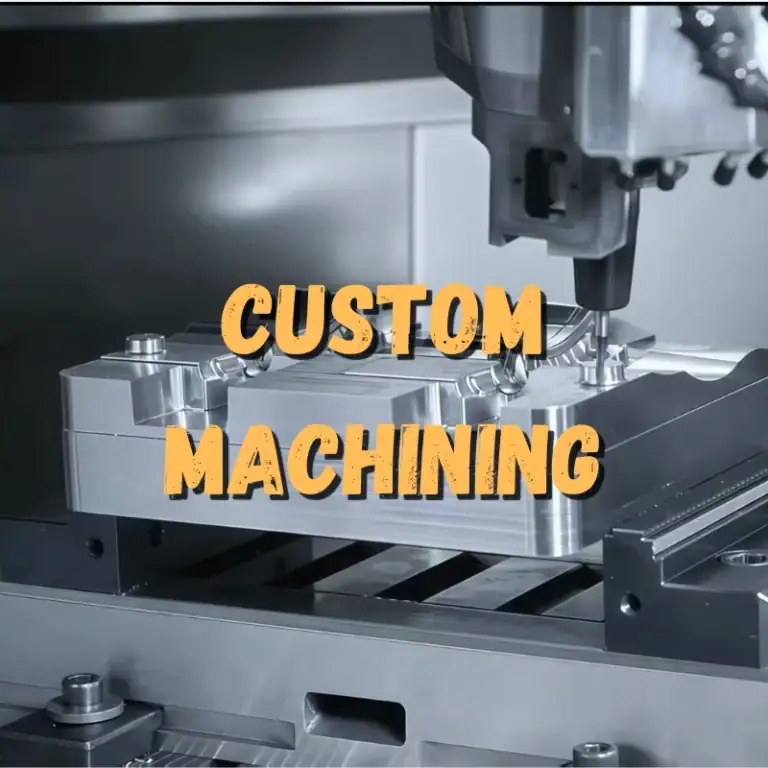
In the modern manufacturing industry, production efficiency has become an important part of a company’s competitiveness. Whether it is small-batch prototyping during the product development stage or large-scale machining in mass production, customers all hope to shorten delivery cycles and reduce manufacturing costs while ensuring quality. As a widely used precision machining process today, CNC milling has become an important manufacturing method in many industries thanks to its high level of automation, stable machining accuracy, and adaptability to complex structures. A deeper understanding of the key factors affecting CNC milling cutting efficiency can help companies further improve capacity and market competitiveness.
Improving Equipment Performance Is the Important Foundation for High-Efficiency Cutting
Equipment performance directly affects machining speed and production rhythm. High-performance equipment can provide more stable hardware support for efficient cutting.
Use High-Speed Spindle Equipment
A high-speed spindle is one of the key configurations for improving machining efficiency in modern CNC milling equipment. For parts that require a large amount of material removal, higher spindle speed can effectively improve cutting capacity per unit time while helping companies shorten production cycles and increase equipment capacity utilization.
- Increasing cutting speed allows more material removal tasks to be completed within the same machining time, effectively shortening the machining cycle of a single part.
- Enhancing high-speed machining capability enables the equipment to maintain higher efficiency and a more stable cutting state when machining materials such as aluminum alloys and copper alloys.
- Improving the surface quality of certain materials reduces the need for subsequent grinding and finishing processes while increasing machining efficiency.
Through the application of high-speed spindle technology, companies can further improve overall production efficiency on the basis of ensuring machining stability, better meeting the needs of bulk orders and fast delivery.
Improve Servo System Response Capability
In addition to spindle performance, the response speed of the servo system also affects equipment operating efficiency. Especially during complex contour machining and frequent acceleration/deceleration processes, a high-response control system can reduce motion waiting time and improve the smoothness of program execution.
- Increasing positioning speed allows the tool to reach the target position faster, reducing the proportion of time occupied by auxiliary motion.
- Shortening direction-change time improves continuous operating efficiency during complex surface and contour machining.
- Enhancing the efficiency of complex trajectory operation enables the equipment to complete multi-segment machining path execution more accurately and quickly.
- Strengthening the overall production rhythm reduces efficiency losses caused by waiting time and idle time.
Faster and more precise motion control can reduce equipment idle time and keep the machining process in a continuous and efficient operating state.
Maintain Stable Equipment Operation
Long-term stable operation of equipment is an important prerequisite for ensuring production efficiency. If equipment frequently experiences failures, accuracy drift, or shutdown maintenance issues, even advanced processes will affect the overall production rhythm and order delivery capability.
- Reduce downtime caused by failures and ensure production tasks continue as planned.
- Maintain long-term machining stability and avoid production efficiency decline and product rework caused by equipment abnormalities.
- Improve equipment utilization so that equipment spends more time in actual production rather than repair and maintenance.
By establishing a comprehensive equipment maintenance mechanism and daily upkeep system, companies can effectively improve equipment reliability and provide stable support for continuous efficient production.
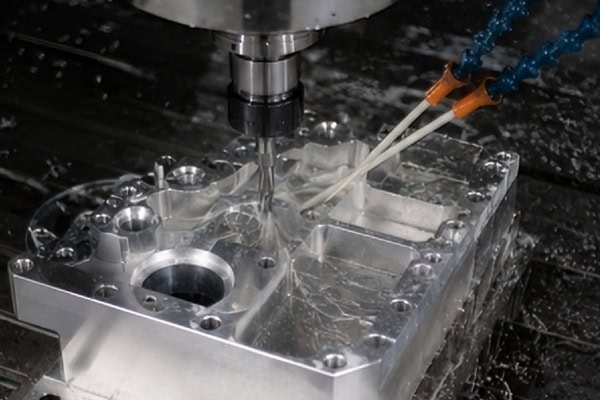
Optimizing Tool Configuration Can Significantly Improve Cutting Efficiency
The tool is the core instrument directly involved in cutting, and a reasonable tool strategy can significantly improve material removal efficiency.
Choose High-Performance Tool Materials
Tool performance directly affects cutting efficiency and machining quality. For different materials and machining requirements, using higher-performance tool materials can improve cutting capability while reducing tool wear speed.
- Improve high-speed cutting capability so the tool can withstand higher speeds and greater cutting loads.
- Reduce the risk of abnormal wear and minimize downtime caused by chipping and wear.
- Extend tool service life, improve tool utilization, and reduce overall costs.
High-performance tools can not only improve machining speed but also help companies reduce tool replacement frequency and lower overall production costs.
Use Specialized Tool Structures
Different part structures and material characteristics place different demands on tool design. Selecting specialized tools according to specific machining requirements can make the cutting process smoother and more stable, thereby improving overall machining efficiency.
- Improve chip evacuation capability and prevent chip accumulation from affecting continuous machining.
- Enhance cutting stability and reduce vibration and machining fluctuation.
- Reduce cutting resistance so the equipment can maintain higher operating efficiency.
Properly matching tool structures can fully leverage equipment performance advantages and make the production process more efficient and reliable.
Establish a Tool Management Mechanism
Many companies tend to overlook the importance of tool management when improving machining efficiency. In fact, the condition of the tool directly affects machining speed, product quality, and equipment operating stability.
- Avoid efficiency loss caused by excessive wear and ensure the tool always remains in good cutting condition.
- Reduce the risk of unexpected shutdowns and avoid sudden tool breakage or chipping during machining.
- Maintain continuous and stable production and improve the execution efficiency of bulk orders.
A complete tool management system can help companies keep track of tool conditions in a timely manner and achieve more stable and efficient production arrangements.
Reasonably Optimizing Cutting Parameters Improves Material Removal Efficiency
Scientific process parameter settings can achieve higher production efficiency while ensuring quality.
Adjust Spindle Speed
Spindle speed is one of the important parameters affecting CNC milling efficiency. Different materials, different tools, and different machining conditions require corresponding speed settings to achieve better machining results. Reasonably increasing spindle speed can improve material removal rate, accelerate cutting speed, improve machining continuity, reduce machining pauses, and lower cutting resistance, thereby improving cutting efficiency. Through scientific adjustment of spindle speed, the equipment can achieve higher machining efficiency while ensuring quality.
Optimize Feed Rate
Feed rate directly affects the cutting rhythm between the tool and the workpiece and is also an important parameter determining production efficiency. A reasonable feed setting allows the equipment to maintain a smoother machining state.
- Shorten machining time and improve overall production rhythm.
- Increase output per unit and enhance equipment utilization.
- Reduce idle running time and increase the actual cutting proportion.
- Improve overall machining efficiency and achieve a balance between efficiency and quality.
Scientific optimization of feed parameters helps achieve a balance between efficiency and quality and improves overall manufacturing capability.
Increase Cutting Depth and Width
Within the range allowed by equipment rigidity and tool capability, increasing the amount of material removed per pass can effectively reduce the number of machining passes and thus shorten the overall production time.
- Reduce the number of machining passes and improve production efficiency.
- Increase material removal efficiency and accelerate production rhythm.
- Shorten the overall machining cycle and improve order delivery capability.
Reasonably using high-removal machining methods can help companies further improve equipment capacity and machining efficiency.
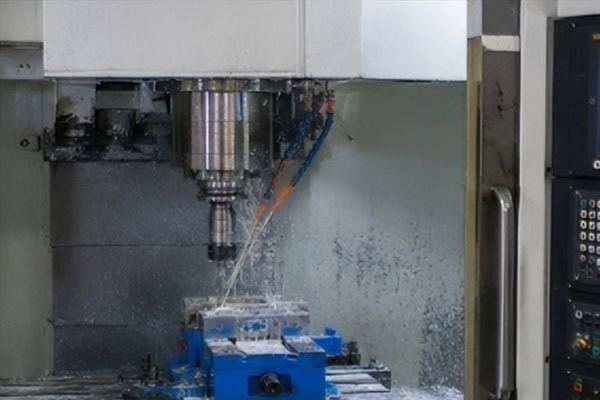
Optimizing Process and Automation Systems Improves Overall Capacity
High-efficiency cutting depends not only on a single machine but also on the coordinated optimization of the entire machining system.
Optimize Machining Sequence
Reasonably arranging the sequence of operations can improve machining efficiency and reduce unnecessary tool changes and repeated positioning operations.
- Reduce tool change frequency and lower auxiliary time consumption.
- Reduce repeated positioning and improve machining continuity.
- Enhance continuous machining capability and optimize the overall production process.
Scientific process planning can make the entire machining flow smoother and thus shorten the production cycle.
Use CAM Intelligent Programming
Modern CAM software already has powerful automatic optimization capabilities, which can help engineers quickly generate more efficient machining paths and process plans, thereby improving programming efficiency, shortening process preparation time, reducing ineffective motion through optimized tool paths, lowering manual adjustment time, and improving engineering efficiency. This is especially significant in complex part machining and can greatly enhance manufacturing capability. Digital programming technology is helping manufacturing companies continuously improve machining efficiency and production management levels.
Introduce Automated Production Systems
Automation equipment has become an important part of modern manufacturing workshops for improving efficiency. Through automatic tool changing and automatic loading/unloading technology, equipment capacity can be further released.
- Shorten auxiliary time and improve continuous operating capability.
- Reduce labor costs and minimize human intervention.
- Achieve long-term continuous production and increase overall capacity.
- Improve order delivery capability and strengthen market competitiveness.
Automation and intelligent technologies are continuously driving CNC milling toward higher efficiency.
Conclusion
High-efficiency cutting is not only related to production efficiency, but also directly affects a company’s cost control capability and market responsiveness. By improving equipment performance, optimizing tool solutions, reasonably setting cutting parameters, and introducing automated production systems, companies can continuously improve CNC milling efficiency and gain stronger competitiveness while ensuring product quality. If you are looking for efficient and reliable CNC milling services, TiRapid, with its rich project experience and advanced manufacturing equipment, can provide professional support for various part projects and help products enter production and the market faster.