What is Ultem 1000? Ultem 1000 is an unfilled PEI plastic used for parts that must stay reliable around heat, electrical systems, flame-safety requirements, and tight dimensional fits. It gives engineers a stronger option when everyday plastics are not stable enough for the final working environment.
This guide explains Ultem 1000 properties, datasheet items, available stock forms, CNC machining behavior, benefits, limits, and common applications. You will also see why this material is often chosen for precision plastic components in electronics, aerospace, medical devices, automation, industrial equipment, and other demanding fields.
What Is Ultem 1000?
Ultem 1000 is a high-performance PEI material used when a plastic part needs reliable thermal behavior, electrical insulation, flame-safe performance, and stable dimensions. For CNC projects, it is often considered when ABS, nylon, POM, or PC cannot provide enough accuracy or long-term service life.
Ultem 1000 Is An Unfilled PEI Material
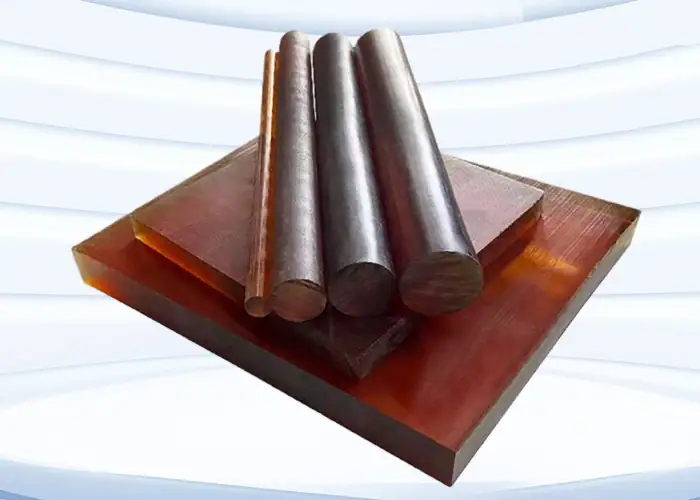
Ultem 1000 is an unfilled polyetherimide grade. In practical terms, it does not include glass fiber, carbon fiber, or similar reinforcing fillers. This gives the material a balanced mix of machinability, toughness, insulation, and surface quality.
Its natural amber color is easy to identify, and the material is available as sheet, rod, plate, block, and resin. These forms allow manufacturers to choose between CNC machining, molding, and other plastic processing methods based on part quantity and geometry.
For many engineering projects, Ultem 1000 is the starting point when a general-purpose PEI grade is needed. It is usually easier to machine than glass-filled grades while still offering strong heat resistance and dependable mechanical performance.
Why Ultem 1000 Is Used In Precision Parts?
Ultem 1000 is used in precision components because it can keep its shape, strength, and insulating performance in challenging environments. This is helpful for parts exposed to heat, electrical systems, repeated assembly, or strict safety requirements.
Dimensional stability matters a lot in CNC machined components. Housings, connectors, brackets, insulators, fixtures, and structural plastic parts often need accurate fits after machining and reliable performance after installation.
Compared with lower-cost plastics, Ultem 1000 provides a stronger balance of thermal stability, flame-safe behavior, insulation, and mechanical reliability. It is a good option when ordinary plastics may soften, shift, or lose accuracy during use.
Is Ultem 1000 The Same As Ultem?
Ultem is the broader trade name for a family of PEI materials, while Ultem 1000 is one specific unfilled grade in that family. So Ultem 1000 is a type of Ultem, but the name Ultem can also refer to other grades with different fillers or performance goals.
Some Ultem grades are reinforced for higher stiffness, and others are developed for aerospace, food-contact, medical, or additive manufacturing applications. Ultem 1000 is mainly used when a part needs balanced PEI performance without reinforcement.
For CNC machining, this makes Ultem 1000 a practical choice when clean machining, electrical insulation, heat resistance, and reliable dimensional accuracy are more important than maximum stiffness.
What Is Ultem 1000 Made Of?
Ultem 1000 is made from PEI, or polyetherimide, a high-performance thermoplastic resin. Its polymer structure helps the material resist heat, insulate electricity, slow flame spread, and hold its shape in demanding plastic components.
The Base Material Is PEI Resin
PEI is an amorphous engineering plastic, which means it does not have the same crystalline structure as materials such as PEEK. This structure gives Ultem 1000 predictable machining behavior and good dimensional stability in many end-use conditions.
Because Ultem 1000 is unfilled, it does not include glass or carbon fiber reinforcement. This can make it smoother to machine and less abrasive to tools than filled grades, while still keeping useful stiffness, strength, and heat resistance.
Why Its Structure Gives Strong Performance
The polymer chain of Ultem 1000 includes imide and ether groups. These structures support thermal stability, mechanical strength, and dielectric performance, which are the main reasons the material is used in electrical and high-temperature applications.
This structure also contributes to its inherent flame-resistant behavior. For components used in electronics, aerospace, automotive systems, or industrial equipment, that can help maintain consistent material performance without relying heavily on extra flame-retardant additives.
Common Material Forms Of Ultem 1000
Ultem 1000 is supplied in several forms depending on the manufacturing route. For CNC machining, common options include sheet, rod, plate, block, and cut-to-size blanks. These stock shapes allow custom parts to be produced directly from solid material.
Ultem 1000 resin is more often used for molding and other plastic processing methods. For prototypes and small batches, CNC machining from sheet or rod is usually more flexible because it avoids mold investment and supports faster design changes.
What Are The Key Properties Of Ultem 1000?
Ultem 1000 is valued because it brings several engineering properties together in one material. It offers thermal stability, flame-resistant behavior, electrical insulation, dimensional reliability, and useful mechanical strength for CNC machined parts that need dependable performance.
High Heat Resistance
Heat resistance is one of the main reasons engineers choose Ultem 1000. The material can retain useful strength and shape stability at elevated temperatures, making it suitable for parts used near motors, electronics, heated equipment, and industrial systems.
For machined parts, this helps reduce the risk of softening, warping, or losing fit during service. Housings, insulators, brackets, covers, and fixtures often benefit from this thermal stability.
Excellent Dimensional Stability
Ultem 1000 has good dimensional stability, so machined parts are less likely to change size or shape during assembly and use. This is important for precision plastic components that must hold tolerances and fit consistently with other parts.
Its low moisture absorption also supports stable dimensions in humid or cleaning-related environments. When a design needs repeatable fitting performance, Ultem 1000 can be more reliable than plastics that absorb more moisture or move more under heat.
Good Mechanical Strength
Ultem 1000 provides a useful balance of stiffness, tensile strength, and impact resistance. It is much lighter than metal, but it can still support many functional components that require strength and structure.
This makes it suitable for custom covers, frames, connectors, support parts, and fixtures. When the design needs better strength than common plastics but does not need metal, Ultem 1000 can be a practical choice.
Reliable Electrical Insulation
Ultem 1000 is often used in electrical and electronic parts because it offers strong insulation performance. It helps reduce the risk of electrical leakage, short circuits, or interference in demanding environments.
Common uses include insulating plates, sockets, connectors, circuit supports, sensor housings, and electronic enclosures. Its insulation performance is especially useful when the part also works near heat.
Natural Flame Resistance
Ultem 1000 has inherent flame-resistant behavior, which makes it useful when safety performance matters. It is often selected for parts used in aerospace, transportation, electronics, medical equipment, and industrial systems.
For engineers, this property can simplify material selection when the part must meet both functional and safety requirements. It is particularly useful for components near electrical assemblies or enclosed spaces.
Low Moisture Absorption
Ultem 1000 absorbs relatively little moisture, helping parts maintain size, strength, and fitting accuracy over time. This matters for precision parts exposed to humidity, cleaning processes, or controlled medical and electronic environments.
For CNC machined components, lower moisture absorption can improve consistency from production to final use. It also helps reduce swelling or dimensional drift that may affect assembly performance.
What Does The Ultem 1000 Datasheet Include?
An Ultem 1000 datasheet gives engineers the technical information needed before choosing the material for CNC machining, molding, or product design. It usually covers material identity, mechanical strength, heat behavior, electrical performance, density, moisture absorption, and processing-related values.
Basic Material Information
The datasheet usually identifies Ultem 1000 as an unfilled PEI resin. It may also list the natural amber color, grade description, available processing methods, and whether the material is intended for molding, extrusion, or stock-shape production.
For CNC machining, this section helps confirm that the selected sheet, rod, or plate matches the drawing and application needs before production begins.
Mechanical Properties
Mechanical data explains how Ultem 1000 behaves under load. A datasheet commonly includes values such as tensile strength, flexural strength, flexural modulus, impact resistance, and hardness.
These values help engineers judge whether the material can support brackets, housings, connectors, fixtures, or other parts that need strength and shape retention during service.
Thermal Properties
Thermal properties are especially important for Ultem 1000. Datasheets often include heat deflection temperature, glass transition temperature, continuous-use information, and values related to the Ultem 1000 temperature range.
Because Ultem 1000 is an amorphous PEI plastic, engineers should focus on glass transition and heat deflection behavior instead of assuming it behaves like a semi-crystalline plastic with a sharp melting point. This helps avoid incorrect material selection.
Electrical Properties
For electrical parts, datasheets usually provide dielectric strength, dielectric constant, volume resistivity, and surface resistivity. These values are useful when designing insulators, sockets, connectors, housings, or circuit supports.
If the part will work near current, heat, or sensitive electronics, these electrical values should be checked together with the required wall thickness and final operating environment.
Physical And Processing Data
Physical data may include Ultem 1000 density, moisture absorption, shrinkage, flammability information, and sometimes processing recommendations. These details help estimate part weight, dimensional behavior, and manufacturing risk.
For CNC machining, density and moisture absorption help predict part consistency. For molding, shrinkage and processing data can support mold design, production planning, and quality control.
What Are The Common Forms Of Ultem 1000?
Ultem 1000 is available in different material forms, so manufacturers can select the most suitable stock for the part geometry and production method. CNC machining usually uses sheet, rod, plate, or block, while Ultem 1000 resin is mainly used for molding and plastic processing.

Ultem 1000 Sheet And Plate
Ultem 1000 sheet and plate are widely used for CNC milled parts. They are suitable for flat components, insulating plates, covers, brackets, fixtures, and structural plastic parts that need heat resistance and dimensional stability.
Sheet stock is useful for parts with pockets, holes, slots, and large flat surfaces. It is also a good option for prototypes and small batches because it avoids mold tooling and makes design updates easier.
Ultem 1000 Rod
Ultem 1000 rod is commonly used for CNC turned components, including bushings, sleeves, spacers, rollers, collars, rings, and small cylindrical parts.
Rod stock is also useful for custom insulating parts and high-temperature plastic components. The right rod size depends on the final diameter, tolerance, wall thickness, and machining allowance.
Ultem 1000 Block And Machined Blanks
Ultem 1000 block or machined blanks are used when the final component is thicker, larger, or more three-dimensional. These forms can support deeper pockets, complex profiles, and custom housings.
Before machining, the blank size should be selected carefully to control material waste and cost while leaving enough stock for finishing and tolerance control.
Ultem 1000 Resin
Ultem 1000 resin is usually supplied as pellets for injection molding, extrusion, or other plastic processing methods. It becomes more practical when the design is stable and the production volume is high enough to justify tooling cost.
For early product development, CNC machining from sheet or rod is often faster and more flexible. Once the design is confirmed and demand increases, molded resin parts may offer better unit cost.
How Does Ultem 1000 Perform In CNC Machining?
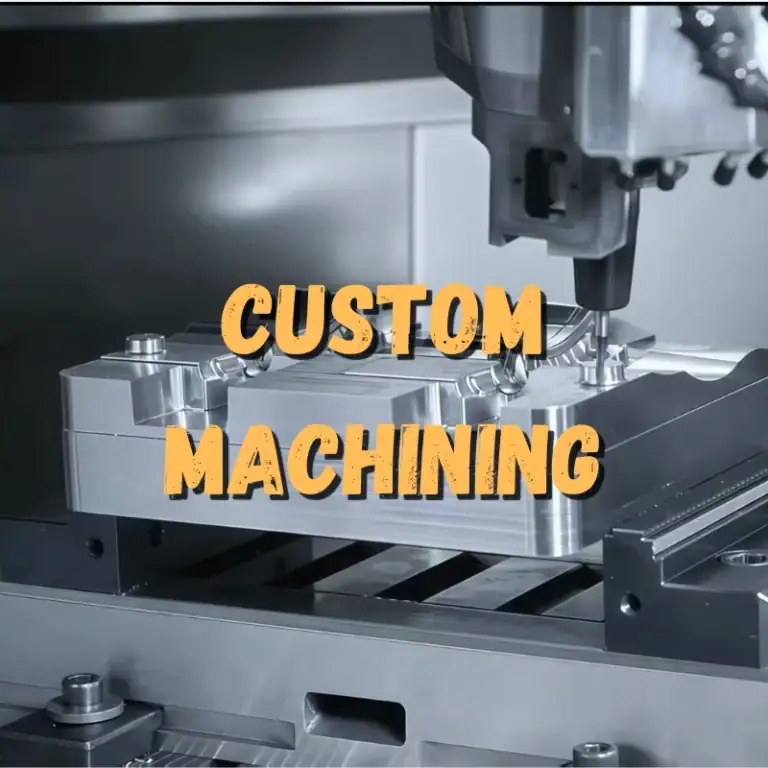
Ultem 1000 can be CNC machined into accurate plastic parts because it offers good stability, heat resistance, and mechanical strength. To get consistent results, the machining process should control tool sharpness, cutting heat, clamping pressure, and stress release.
Machinability Of Ultem 1000
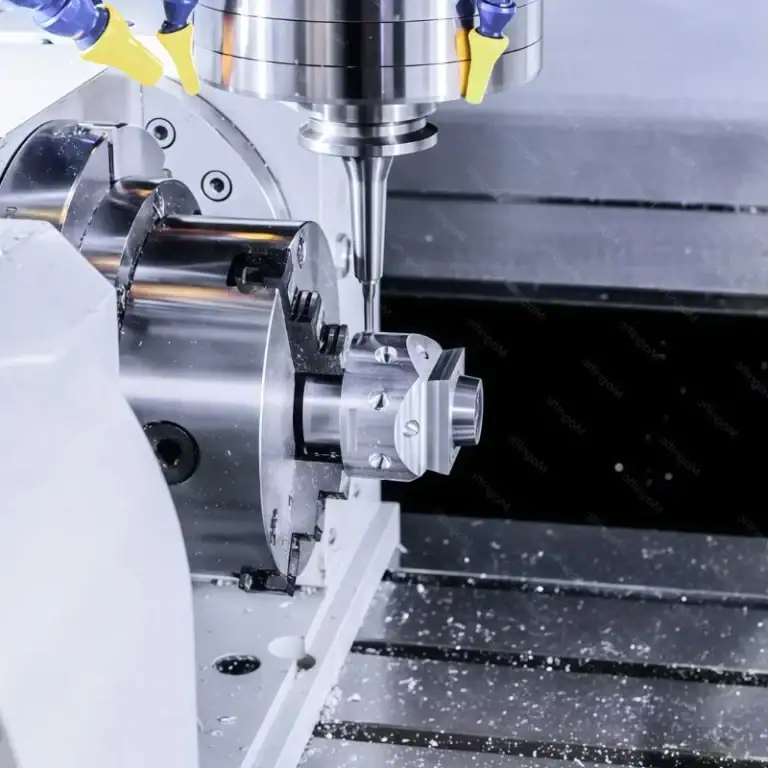
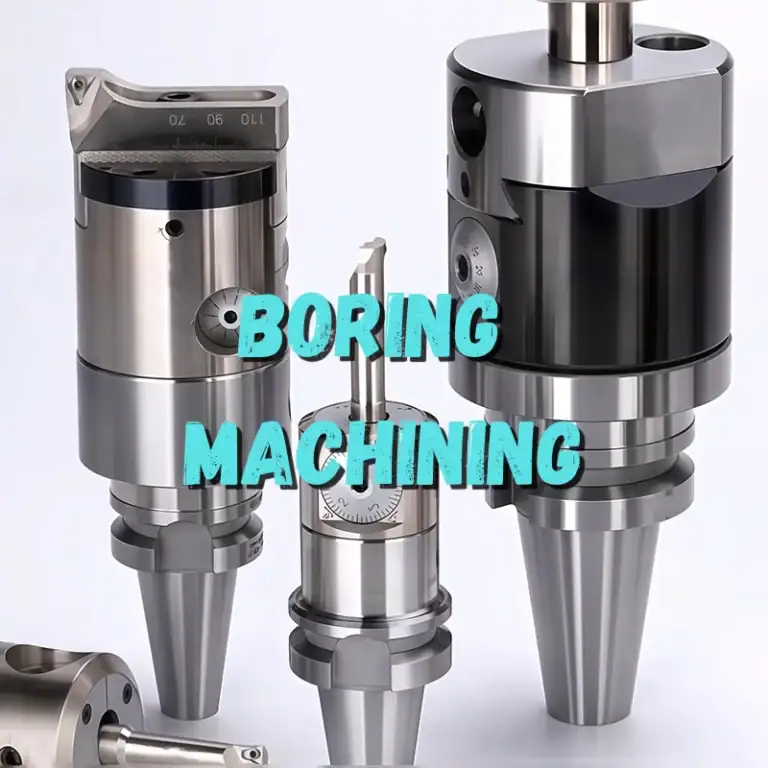
Ultem 1000 is suitable for CNC milling, CNC turning, drilling, tapping, boring, and other machining operations. It is often machined from sheet, rod, plate, or block to produce custom parts without mold tooling.
Compared with common plastics, Ultem 1000 is tougher and more heat-resistant. This helps it hold detailed features, but it also means the cutting process must be stable. Dull tools or excessive heat can lead to burrs, marks, or small dimensional shifts.
Tolerance And Dimensional Control
A major benefit of Ultem 1000 machining is its ability to hold stable dimensions when the part design and machining sequence are planned correctly. Its low moisture absorption and resistance to deformation help improve consistency.
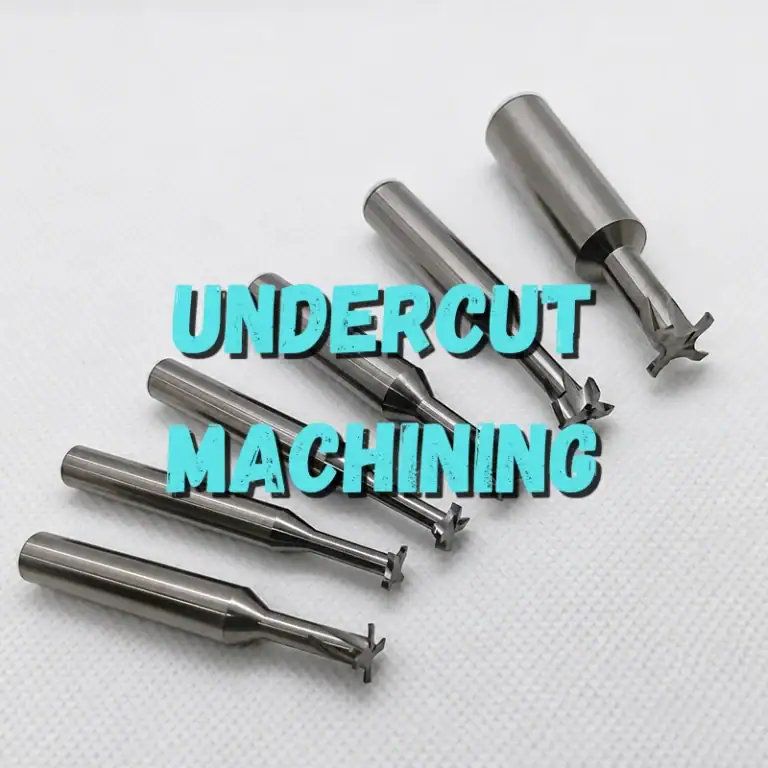
Simple geometries usually machine smoothly. For thin walls, deep pockets, threads, small holes, and tight tolerance zones, the process should be planned more carefully to reduce warping or stress release.
Surface Finish Performance
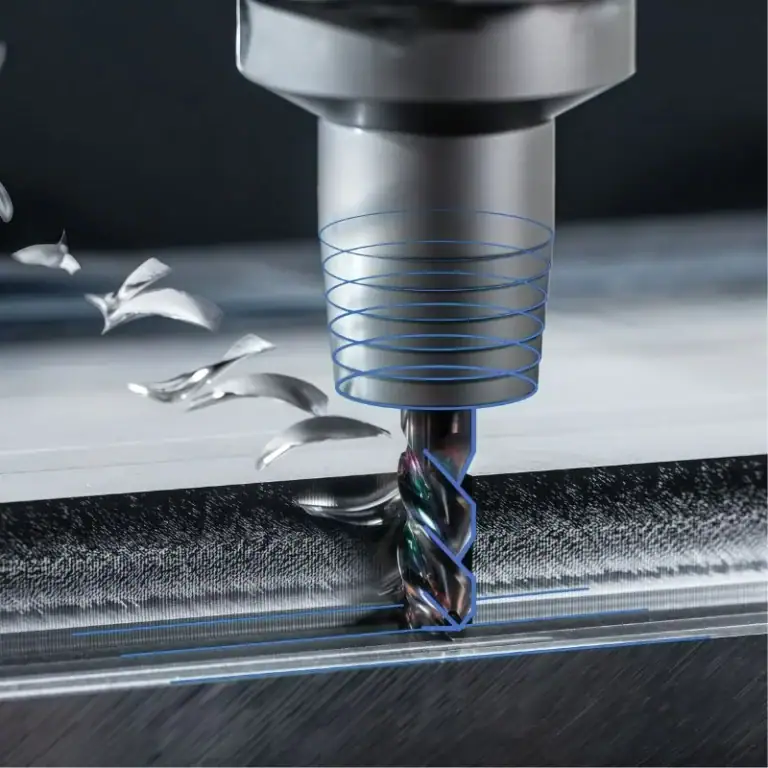
Ultem 1000 can achieve clean machined surfaces when sharp tools, proper feeds, and stable workholding are used. It is a good material for functional parts that need smooth edges, accurate holes, and reliable fitting surfaces.
Because it is a high-performance thermoplastic, excessive tool pressure or heat buildup should be avoided. A finishing pass may help improve the appearance and reduce post-processing work.
Key CNC Machining Tips For Ultem 1000
Sharp carbide tools are commonly used to improve edge quality and tool life. Stable clamping is also important, but thin or delicate features should not be over-clamped because the part may deform during machining.
For complex or tight-tolerance parts, stress-relief planning may be needed. At TiRapid, I usually review the 2D drawing, STEP file, tolerance requirements, stock form, and working environment before production to choose a more reliable machining strategy.
What Are The Advantages Of Ultem 1000?
Ultem 1000 is useful because it combines thermal performance, mechanical strength, flame-safe behavior, electrical insulation, and dimensional reliability. These advantages make it suitable for CNC machined parts that require more reliability than standard engineering plastics.
High Heat Resistance
Ultem 1000 can maintain useful performance in high-temperature environments. This makes it suitable for components used near motors, electronic systems, heated equipment, and industrial machines.
For machined parts such as brackets, insulators, housings, and fixtures, this helps reduce the risk of softening, distortion, or loss of accuracy during long-term use.
Excellent Dimensional Stability
Ultem 1000 has low moisture absorption and good shape stability, which helps CNC machined parts maintain accurate dimensions. This is valuable for parts that require tight tolerances or reliable assembly fit.
Connectors, positioning fixtures, electronic covers, and support components often need this stability from prototype through production, especially when heat or humidity is part of the working environment.
Reliable Electrical Insulation
Ultem 1000 provides strong insulation performance for electrical and electronic applications. It can help protect components from leakage, interference, and short-circuit risk.
This makes it suitable for sockets, connectors, insulating plates, circuit supports, sensor housings, and electronic enclosures. Its insulation performance is especially useful when the part also needs heat resistance.
Natural Flame Resistance
Ultem 1000 is naturally flame resistant, which is important for applications near electrical assemblies, heat sources, transportation systems, and enclosed equipment.
This property makes it useful in aerospace, electronics, medical equipment, industrial systems, and other fields where material safety and stable performance are both important.
Lightweight Alternative To Metal
Ultem 1000 is much lighter than aluminum or steel while still providing good strength, stiffness, corrosion resistance, and insulation. This gives engineers more freedom when reducing weight matters.
In some designs, it can replace metal for non-load-critical structural or insulating parts. It is especially helpful when the part needs both lighter weight and electrical isolation.
What Are The Limitations Of Ultem 1000?
Ultem 1000 is a reliable PEI material, but it is not the right choice for every part. Engineers should review cost, machining sensitivity, impact behavior, chemical exposure, and appearance requirements before final selection.
Higher Cost Than Common Plastics
Ultem 1000 costs more than common engineering plastics such as ABS, POM, nylon, or PC. If a part only needs basic plastic performance, this material may increase cost without adding enough value.
When the part needs heat resistance, flame resistance, insulation, and stable dimensions, the higher cost is often easier to justify. The best decision depends on the actual working conditions, not just the material name.
Requires Careful Machining Control
Ultem 1000 can be machined accurately, but it needs proper process control. Dull tools, excessive heat, aggressive cutting, or unstable clamping may create burrs, stress marks, rough surfaces, or dimensional movement.
Thin walls, deep pockets, small holes, threads, and tight tolerances require a more careful machining plan. For some parts, stress relief may be considered to improve final stability.
Not Ideal For Heavy Impact Loads
Ultem 1000 has good strength and stiffness, but it is not always the best material for parts that must absorb strong impact, repeated shock, or heavy vibration. Tougher or more flexible plastics may perform better in those cases.
Design details also matter. Sharp internal corners, snap-fit features, and very thin walls can create stress concentration. Adding radii and keeping reasonable wall thickness can reduce cracking risk.
Chemical Resistance Has Limits
Ultem 1000 resists many oils, alcohols, detergents, and common industrial fluids, but it is not compatible with every chemical environment. Strong alkalis, some chlorinated solvents, and aggressive cleaning agents may affect the material over time.
Before using it in chemical-exposed parts, engineers should confirm the exact fluid, concentration, temperature, and exposure time. For severe environments, testing the material before production is safer.
Limited Color And Cosmetic Choices
Natural Ultem 1000 usually has a transparent amber color. This appearance is acceptable for many industrial and electrical components, but it may not fit projects that require specific colors, high optical clarity, or decorative surfaces.
Ultem 1000 black or other color options may be available from some suppliers, but availability, MOQ, and lead time should be checked early. For most CNC machined Ultem 1000 parts, function is usually more important than appearance.
What Are The Common Applications Of Ultem 1000?
Ultem 1000 is used when a part needs stronger performance than standard plastics can offer. Because it can be CNC machined into accurate and stable components, it is useful for electronics, aerospace, medical devices, automation systems, and industrial equipment.
Electrical Insulators And Connectors
Ultem 1000 is often used for electrical insulators, connectors, sockets, terminal blocks, and circuit supports. Its insulation performance helps protect assemblies from leakage, short circuits, and unstable electrical behavior.
It is suitable for sensors, electronic assemblies, communication equipment, and high-temperature electrical systems. When a part needs both insulation and dimensional stability, Ultem 1000 is a strong candidate.
Housings, Covers, And Brackets
Ultem 1000 can be machined into lightweight housings, covers, brackets, and support parts. These components often need to resist heat, maintain their shape, and keep reliable strength during long-term service.
Compared with metal, it can reduce weight and provide insulation. Compared with lower-cost plastics, it offers better heat resistance and flame resistance for demanding functional applications.
Medical And Sterilization-Related Components
In medical applications, Ultem 1000 may be used for device housings, handles, trays, fixtures, and non-implantable precision components. Its heat resistance and dimensional stability are useful when parts need controlled cleaning or repeated handling.
Before selecting it for a medical part, engineers should confirm the required grade, sterilization method, regulatory needs, and final use environment.
Aerospace And Transportation Parts
Ultem 1000 is used in aerospace and transportation because it offers light weight, flame resistance, heat resistance, and stable performance. Typical parts include interior components, clips, brackets, ducts, insulating parts, and lightweight supports.
For these applications, reducing weight while keeping safety and reliability is important. Ultem 1000 can replace some metal or lower-grade plastic parts when the design needs heat resistance and flame performance.
Industrial Fixtures And Precision Machined Parts
Industrial equipment may use Ultem 1000 for fixtures, positioning parts, test fixtures, guide blocks, spacers, sleeves, and high-temperature tooling components. These parts often need clean machining, stable dimensions, and repeated-use reliability.
It is especially useful when the design combines tight tolerance requirements with electrical insulation or heat exposure.
Which Industries Use Ultem 1000 Parts?
Ultem 1000 parts are used in industries where heat, electrical insulation, flame resistance, and dimensional stability are important. Since this PEI material can be machined into accurate lightweight components, it is suitable for applications where common plastics may not perform reliably.
Semiconductor
In the semiconductor industry, Ultem 1000 can be used for insulating parts, positioning fixtures, test fixtures, handling components, and precision supports. These parts often need clean machining quality, low moisture absorption, and consistent dimensions during inspection or production.
For non-metallic parts used near heat or electrical systems, Ultem 1000 can offer a good combination of accuracy, insulation, and stability.
Automation And Industrial Equipment
Automation systems and industrial machines use Ultem 1000 for fixtures, guide blocks, covers, brackets, tooling components, and machine supports. These parts may need to keep accuracy during repeated cycles or work near heat sources.
It is useful when the part needs better stability than standard plastics but does not require the weight, conductivity, or corrosion behavior of metal.
Electronics And Communications
Ultem 1000 is common in electronics and communications because it combines insulation, flame resistance, and dimensional reliability. It can be used for connectors, sockets, sensor housings, circuit board supports, insulating plates, and enclosures.
These parts often work near heat sources or electrical loads, so the material helps protect sensitive assemblies while keeping the structure lightweight.
Robotics
Robotics applications often need lightweight and accurate components. Ultem 1000 can be used for sensor brackets, insulating housings, spacers, positioning parts, and small structural components.
Compared with metal, it can reduce weight and add electrical insulation. This is helpful for compact robotic assemblies where motion, safety, and long-term reliability are all important.
Aerospace
Aerospace applications use Ultem 1000 when parts need flame resistance, low smoke behavior, heat resistance, and a strong strength-to-weight balance. Examples include aircraft interior components, clips, brackets, ducts, insulation parts, and lightweight supports.
For CNC machined aerospace components, Ultem 1000 is useful when engineers need a high-performance plastic that supports weight reduction while maintaining stable performance.
Medical Devices
In medical devices, Ultem 1000 may be used for housings, handles, trays, fixtures, and non-implantable precision parts. Its heat resistance and stable dimensions make it useful for parts that need reliable performance in controlled environments.
For medical use, the exact material grade, compliance requirements, and sterilization method should always be confirmed before production.
Automotive And New Energy
Automotive and new energy systems use Ultem 1000 for sensor housings, connectors, battery-related insulation parts, brackets, covers, and high-temperature plastic components.
In electric vehicles and energy systems, the material is useful near electrical assemblies because it combines insulation, flame resistance, and dimensional stability.
Oil & Gas And Consumer Products
In oil and gas applications, Ultem 1000 may be used for insulating parts, instrument housings, sealing-related components, and precision parts exposed to heat or industrial fluids. Chemical compatibility should still be checked for the exact environment.
For consumer products, Ultem 1000 is usually selected for functional parts rather than decorative parts. It is useful when the product needs heat resistance, strength, flame resistance, or long-term stability.
FAQs
Can You Laser Cut Ultem 1000?
Yes, Ultem 1000 can be laser cut, but the settings must be controlled carefully. Too much power or an unsuitable cutting speed may cause dark edges, burning, or rough surfaces. For tight-tolerance parts, CNC machining is usually the better option.
Who Makes Ultem 1000?
Ultem 1000 is a PEI resin grade from SABIC. It is supplied through different distributors as resin, sheet, rod, plate, and other stock forms for molding, machining, and engineering plastic applications.
Is Ultem A Resin?
Yes. Ultem is a resin family, and Ultem 1000 is an unfilled polyetherimide, or PEI, resin. It can be processed into pellets, sheets, rods, plates, and custom machined parts.
What are the properties of Ultem 1000 material?
Ultem 1000 material offers high heat resistance, natural flame resistance, good mechanical strength, excellent electrical insulation, and stable dimensions. It also has low moisture absorption, making it suitable for precision CNC machined parts used in electronics, aerospace, medical devices, and industrial equipment.
Conclusion
Ultem 1000 is a high-performance PEI material that combines elevated-temperature capability, flame-safe behavior, electrical insulation, dimensional stability, and useful mechanical strength. For engineers and product designers, it is a practical option when a precision plastic part must work reliably in a demanding environment.
At TiRapid, I provide precision CNC machining services for Ultem 1000 and other engineering plastics. If you need custom PEI parts, you can send your 2D drawings, STEP files, material grade, quantity, and tolerance requirements. I will help review your design, confirm machining feasibility, and provide a practical solution for prototypes or production parts.