What is PPSU? PPSU is a high-performance engineering plastic known for excellent heat resistance, impact strength, chemical resistance, and long-term durability. It is widely used in medical, baby care, aerospace, and industrial applications that require repeated sterilization and stable performance.
Compared with many standard plastics, PPSU offers better toughness, dimensional stability, and reliability under demanding conditions. This guide explains what PPSU is, its key properties, safety, applications, CNC machining performance, and how it compares with other engineering plastics.
What Is PPSU?
PPSU, or Polyphenylsulfone, is a high-performance engineering thermoplastic known for excellent heat resistance, impact strength, chemical resistance, and long-term durability. It is widely used in medical devices, baby bottles, aerospace components, food-contact products, and industrial applications requiring repeated sterilization and reliable mechanical performance.
Compared with many standard plastics, PPSU performs extremely well under high temperatures and repeated steam sterilization conditions. Its combination of toughness, dimensional stability, and safety makes it one of the most reliable engineering plastics for demanding environments where ordinary thermoplastics may crack, deform, or lose strength over time.
Because of these advantages, PPSU has become increasingly popular in both consumer and industrial manufacturing. Engineers and product designers often select PPSU when a project requires heat resistance, chemical stability, impact resistance, and long-term reliability under repeated use conditions.

What Does PPSU Stand For?
PPSU stands for Polyphenylsulfone, a member of the sulfone family of high-performance thermoplastics. It was developed to provide improved toughness and thermal stability compared with other engineering plastics used in high-temperature environments. The material is commonly recognized for its amber or translucent appearance and strong resistance to repeated sterilization cycles.
Within the engineering plastics industry, PPSU is considered a premium thermoplastic because of its balanced combination of mechanical strength, chemical resistance, and thermal performance. It maintains stable physical properties under demanding operating conditions where lower-grade plastics may soften, crack, or degrade after continuous exposure to heat or chemicals.
Many manufacturers use PPSU for products requiring strict safety and hygiene standards. Medical devices, reusable food-contact products, and baby feeding systems commonly rely on PPSU because the material can withstand repeated cleaning, boiling, and sterilization without losing structural stability or generating significant material degradation.
PPSU Material Properties
PPSU is widely valued because it combines several important engineering properties into one material system. Unlike standard consumer plastics, PPSU can maintain mechanical stability under repeated thermal exposure while still offering excellent impact resistance and dimensional consistency.
One of the most important characteristics of PPSU is its ability to withstand repeated steam sterilization cycles without becoming brittle or losing structural integrity. This performance is especially important in medical and food-contact applications where hygiene and long-term safety are critical requirements.
The material also provides strong chemical resistance against detergents, disinfectants, and many industrial cleaning agents. Because of this combination of thermal stability and chemical durability, PPSU is commonly selected for demanding applications involving repeated cleaning and continuous exposure to challenging operating environments.
Key PPSU Properties
| Property | PPSU Performance |
| Heat Resistance | Excellent |
| Impact Strength | Excellent |
| Chemical Resistance | Excellent |
| Steam Sterilization Resistance | Outstanding |
| Dimensional Stability | Very Good |
| Transparency | Amber / Translucent |
| Flame Resistance | Good |
| Moisture Resistance | Very Good |
| Electrical Insulation | Good |
| Machinability | Good |
Is PPSU Safe?
PPSU is generally considered a very safe engineering plastic for food-contact and medical applications when manufactured according to proper regulatory standards. The material is BPA-free and commonly used in reusable baby bottles, medical sterilization trays, surgical instrument handles, and food-processing equipment.
One reason PPSU is highly trusted in safety-sensitive industries is its excellent thermal stability. Under repeated boiling or steam sterilization conditions, the material maintains stable structural performance without significant cracking, discoloration, or chemical breakdown. This makes PPSU more reliable than many standard plastics exposed to continuous high-temperature cleaning.
Many medical and consumer product manufacturers prefer PPSU because it supports long-term repeated use while maintaining both mechanical durability and hygienic performance. Its resistance to impact damage and repeated sterilization helps reduce product failure risk in demanding environments requiring reliable safety and durability.
PPSU Heat Resistance
Heat resistance is one of the main reasons engineers and product manufacturers choose PPSU over standard thermoplastics. The material can tolerate repeated exposure to boiling water, high-temperature steam sterilization, and elevated operating temperatures without significant deformation or mechanical degradation.
Compared with many transparent plastics, PPSU maintains stable impact strength even after repeated thermal cycling. This performance is especially important in medical, laboratory, and food-contact applications where components must survive repeated sterilization while still maintaining structural integrity and dimensional accuracy.
Because PPSU performs reliably under demanding thermal conditions, it is widely used for reusable products requiring long service life. Baby bottles, sterilization containers, medical instrument housings, and fluid-handling components often rely on PPSU to maintain performance during continuous exposure to high temperatures and aggressive cleaning conditions.
PPSU Chemical Resistance
PPSU offers strong resistance against many cleaning agents, disinfectants, acids, and industrial chemicals commonly used in medical and food-processing environments. This chemical stability helps improve long-term durability while reducing the risk of material degradation during repeated cleaning cycles.
Compared with lower-grade plastics, PPSU is less likely to crack or weaken after exposure to aggressive detergents or sterilization chemicals. This performance is particularly important in hospitals, laboratories, and industrial systems where components must maintain stable mechanical properties during continuous cleaning and disinfection.
The material also performs well in humid operating environments where repeated exposure to moisture and elevated temperature may damage standard plastics over time. Because of this reliability, PPSU is often selected for demanding applications involving frequent washing, steam cleaning, and chemical sanitation processes.
PPSU Impact Strength and Durability
PPSU is known for exceptional toughness compared with many transparent engineering plastics. The material can absorb repeated impact loading without cracking easily, helping improve long-term reliability in products exposed to daily handling and mechanical stress.
This high impact resistance is one reason PPSU is widely used for reusable baby bottles and medical equipment. Products manufactured from PPSU are less likely to break if dropped during normal use, which helps improve both product lifespan and overall user safety in demanding environments.
Even after repeated sterilization cycles, PPSU can maintain strong mechanical performance and stable structural integrity. Many lower-cost plastics become brittle over time when exposed to heat and cleaning chemicals, but PPSU continues to provide reliable durability under long-term repeated-use conditions.
PPSU vs Other Plastics
PPSU is often compared with other engineering plastics used in food-contact, medical, and industrial applications. Although several materials offer good thermal or mechanical performance, PPSU is usually selected when engineers need a combination of heat resistance, impact strength, chemical durability, and long-term reliability.
Compared with Polycarbonate, PPSU offers better heat resistance and significantly higher durability under repeated sterilization conditions. Polycarbonate may gradually discolor or weaken after long-term exposure to boiling water and steam cleaning, while PPSU maintains more stable performance during repeated high-temperature use.
Compared with PP (Polypropylene), PPSU provides much higher mechanical strength and thermal stability. Although PP is less expensive, it cannot match PPSU in demanding environments requiring repeated sterilization, long-term durability, or stable dimensional performance under elevated temperatures.
PPSU vs Common Plastic Materials
| Material | Heat Resistance | Impact Resistance | Sterilization Resistance | Durability |
| PPSU | Excellent | Excellent | Excellent | Excellent |
| Polycarbonate | Good | Good | Moderate | Good |
| Polypropylene | Moderate | Moderate | Moderate | Moderate |
| PEI | Excellent | Good | Excellent | Good |
| PEEK | Outstanding | Excellent | Excellent | Outstanding |
Can PPSU Be CNC Machined?
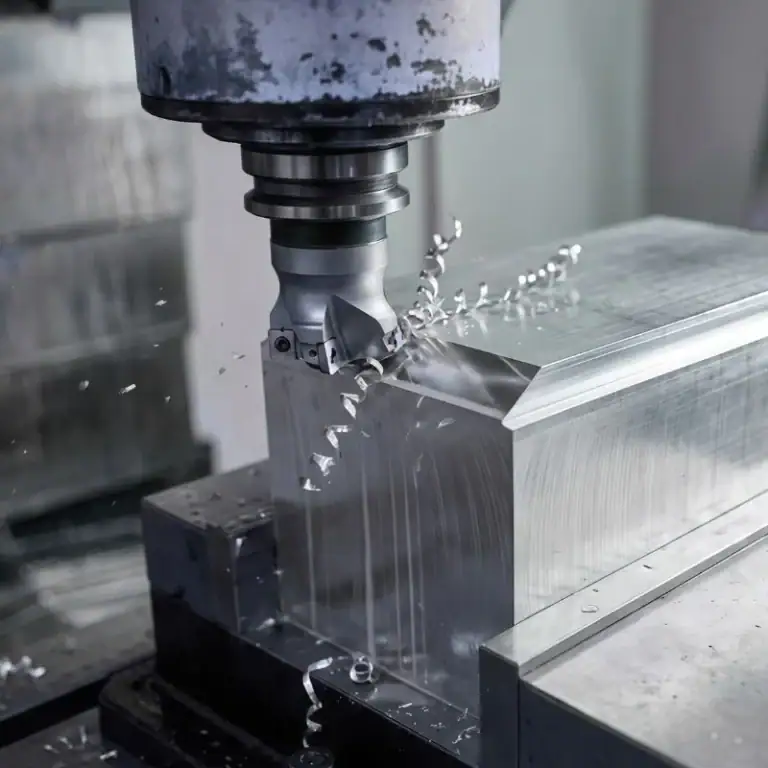
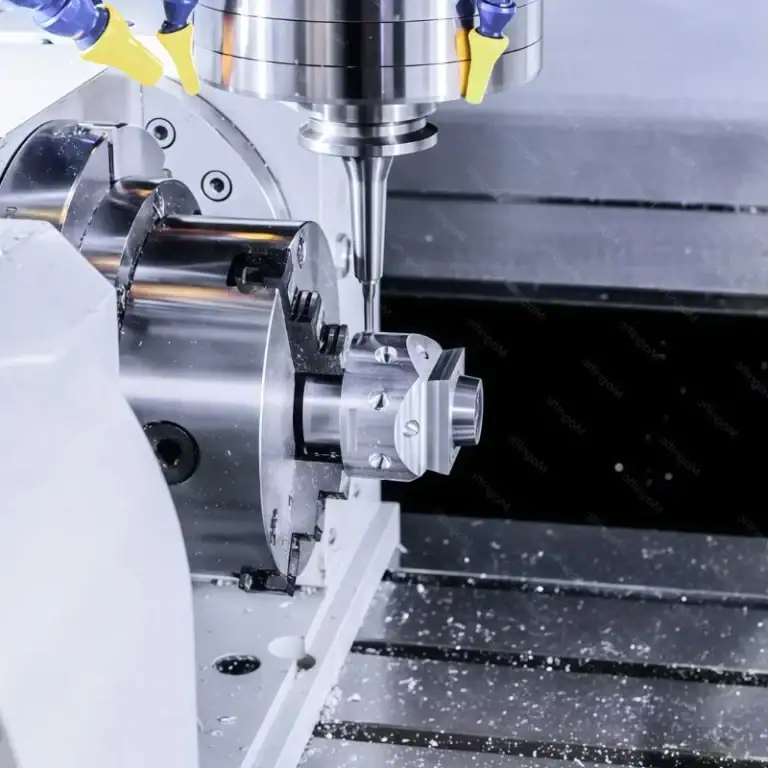
Yes, PPSU can be CNC machined for precision industrial and medical components requiring tight tolerances and stable mechanical performance. The material machines more consistently than many brittle high-temperature plastics and supports reliable milling, turning, drilling, and precision finishing operations.
Because PPSU combines toughness with thermal stability, it is often used for machined components requiring both dimensional accuracy and long-term durability. CNC machining allows manufacturers to produce custom PPSU parts for medical devices, laboratory systems, food-processing equipment, and industrial fluid-handling assemblies.
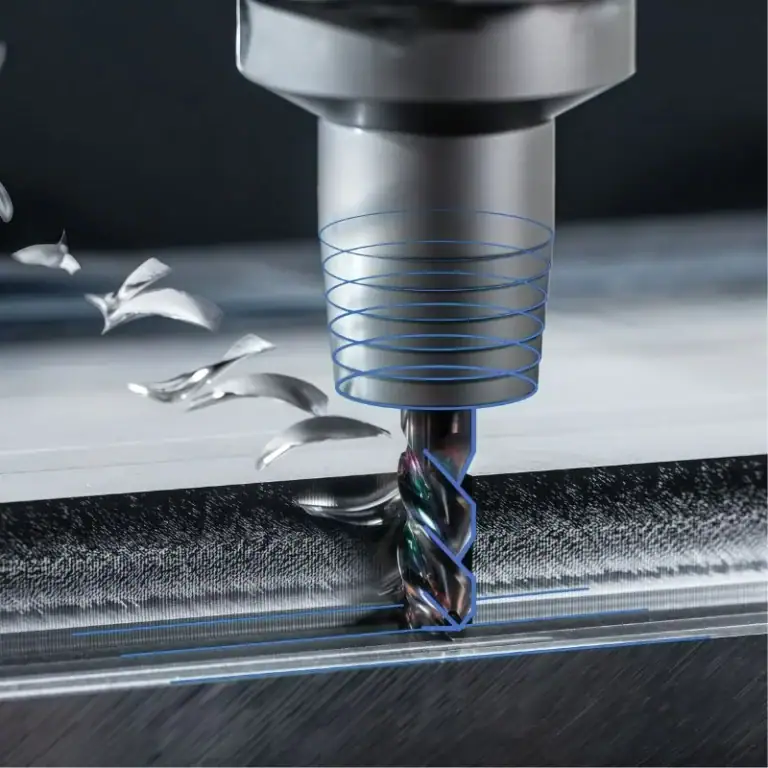
During CNC machining, proper cutting parameters are important for maintaining clean surfaces and dimensional stability. Sharp cutting tools, stable workholding, and balanced cutting speeds help reduce stress concentration while improving cosmetic surface quality on precision PPSU components.
PPSU CNC Machining Characteristics
PPSU generally produces stable chip formation during CNC machining operations, helping improve machining consistency and dimensional control. Compared with some brittle engineering plastics, PPSU is less likely to experience sudden cracking or severe edge chipping during precision milling and drilling operations.
However, excessive cutting heat may still affect surface quality if machining parameters are too aggressive. Manufacturers often use controlled feed rates and optimized tooling strategies to maintain smooth surface finishes and reduce localized thermal stress during high-speed machining.
The material also supports stable tolerance control for complex industrial and medical components. Thin-wall parts, fluid-handling systems, and precision insulation components commonly use PPSU because it combines good machinability with long-term dimensional reliability under demanding operating conditions.
Common Applications of PPSU
PPSU is widely used across medical, food-contact, industrial, and consumer industries because of its excellent combination of heat resistance, toughness, and chemical durability. Many applications involve repeated sterilization, hot liquid exposure, or demanding cleaning environments where lower-grade plastics may fail over time.
In the medical industry, PPSU is commonly used for sterilization trays, surgical instrument handles, dental equipment, fluid-management systems, and reusable medical housings. Its ability to survive repeated steam sterilization while maintaining mechanical stability makes it highly suitable for healthcare environments.
PPSU is also widely used in reusable baby bottles, food-contact containers, laboratory systems, aerospace interiors, and industrial fluid-handling components. Its balance of safety, durability, and long-term thermal stability helps manufacturers improve product reliability across demanding applications.
Advantages of PPSU
One major advantage of PPSU is its outstanding heat resistance and long-term sterilization stability. The material can tolerate repeated exposure to boiling water and steam sterilization without cracking or losing structural integrity, making it highly reliable for reusable medical and food-contact applications.
PPSU also offers excellent impact resistance compared with many transparent engineering plastics. Its toughness helps reduce breakage risk during repeated handling, transportation, and cleaning cycles, which is particularly important for products exposed to frequent daily use.
Another important advantage is PPSU’s strong resistance to chemicals and cleaning agents. This combination of durability, thermal stability, and hygiene performance allows PPSU to maintain long service life even in demanding industrial, medical, and laboratory environments.
Limitations of PPSU
Although PPSU provides excellent overall performance, it is more expensive than many standard engineering plastics. The higher raw material cost may increase production expense for projects where advanced thermal or sterilization performance is not strictly required.
The material also has a naturally amber or translucent appearance rather than full optical clarity. For applications requiring highly transparent visual performance, other materials such as Polycarbonate may sometimes be selected instead depending on operating conditions.
In addition, PPSU may require more controlled processing conditions compared with lower-cost plastics during injection molding or CNC machining. Manufacturers often optimize tooling, temperature control, and machining parameters carefully to maintain dimensional stability and surface quality during production.
How to Choose PPSU for Your Project?
Choosing PPSU depends on whether the application requires high heat resistance, repeated sterilization, impact durability, and chemical stability. Engineers often evaluate operating temperature, cleaning requirements, product lifespan, and mechanical loading before selecting PPSU for a project.
PPSU is especially suitable for products exposed to repeated boiling, steam cleaning, or harsh disinfectants. Medical systems, reusable food-contact products, laboratory equipment, and industrial fluid components commonly benefit from the material’s long-term durability and thermal stability.
However, if the application does not require advanced heat or sterilization resistance, lower-cost plastics may sometimes provide a more economical solution. Final material selection should consider manufacturing method, operating environment, mechanical requirements, and long-term product reliability.

FAQs
Why is PPSU commonly used for baby bottles?
PPSU is widely used for baby bottles because it combines excellent heat resistance, impact durability, and long-term safety. The material can withstand repeated boiling and steam sterilization without cracking easily, making it more durable than many standard transparent plastics used in reusable feeding products.
Can PPSU handle repeated steam sterilization?
Yes. PPSU is specifically known for outstanding steam sterilization resistance. It maintains stable mechanical performance and dimensional integrity even after repeated exposure to high-temperature steam cleaning cycles commonly used in medical and laboratory environments.
Is PPSU easy to CNC machine?
PPSU offers good machinability for a high-performance engineering plastic. With proper tooling and balanced cutting parameters, manufacturers can produce precision PPSU components with stable tolerances, smooth surfaces, and reliable dimensional consistency.
When should engineers choose PPSU instead of lower-cost plastics?
Engineers typically choose PPSU when the application involves repeated sterilization, elevated temperatures, impact loading, or harsh cleaning chemicals. Although PPSU costs more than standard plastics, its long-term durability and reliability can help reduce product failure risk in demanding environments.
Conclusion
PPSU is a high-performance engineering plastic known for excellent heat resistance, impact strength, chemical durability, and long-term sterilization stability. Its ability to maintain reliable performance under repeated thermal and cleaning cycles makes it widely used in medical, food-contact, laboratory, and industrial applications.
At TiRapid, we provide precision CNC machining services for high-performance engineering plastics, including PPSU components for medical, industrial, and custom manufacturing projects. Our team supports rapid prototyping and production machining with reliable dimensional accuracy and consistent part quality.