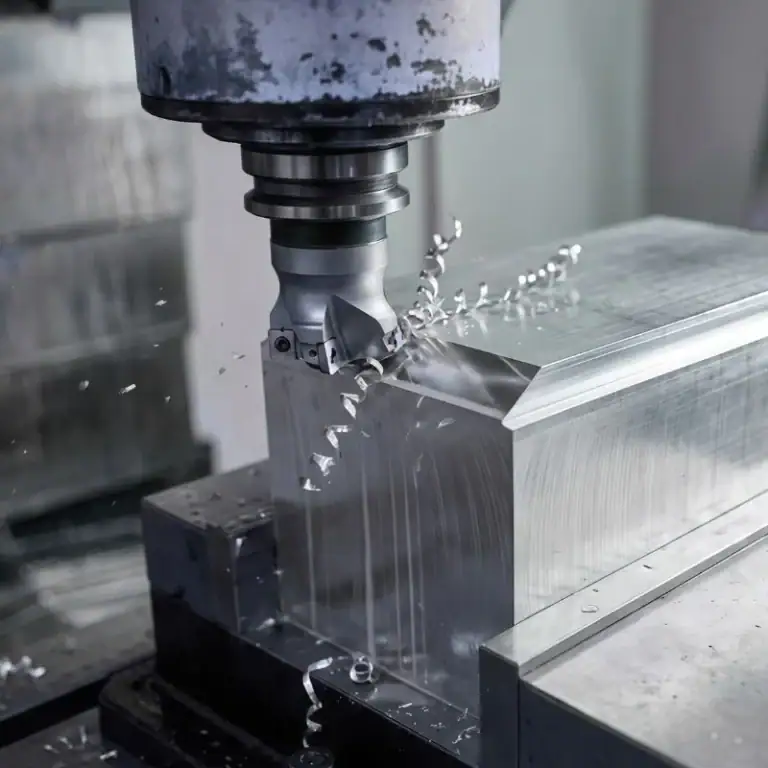
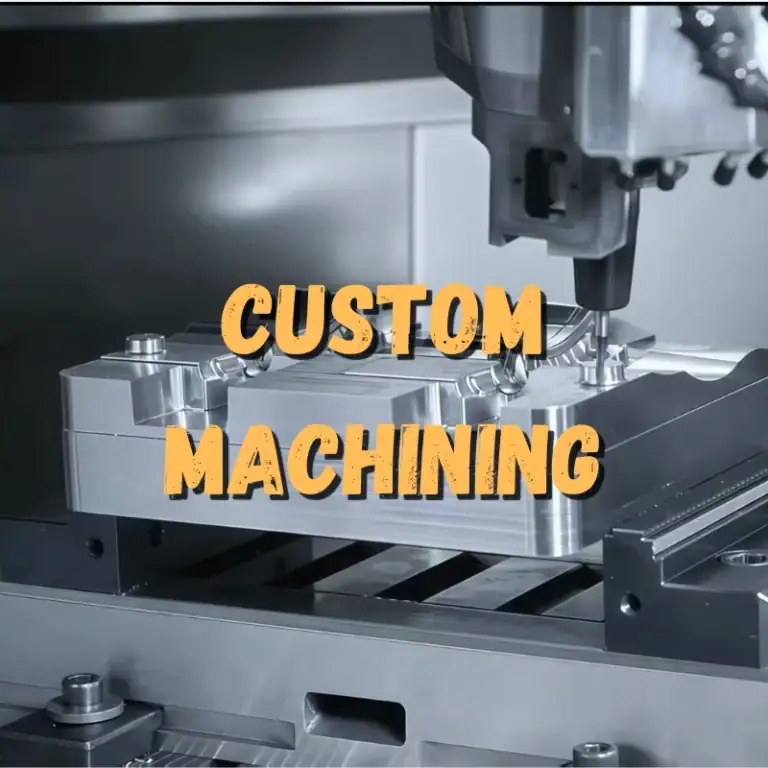
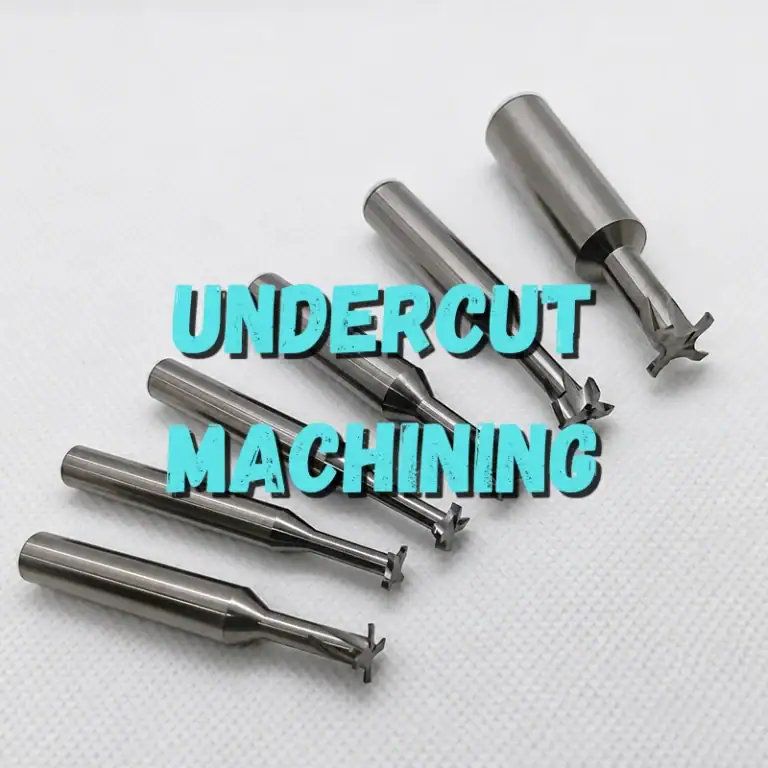
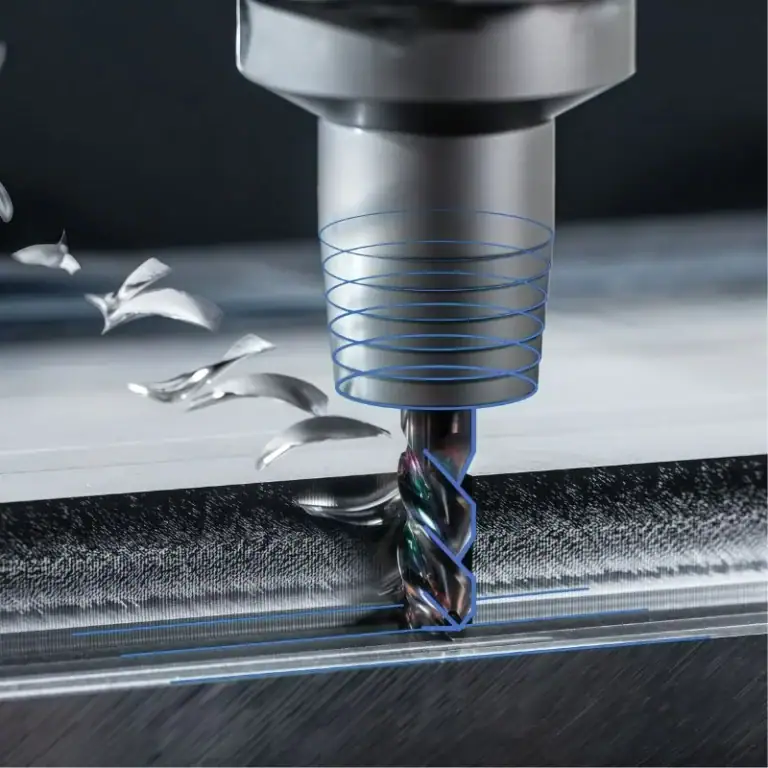
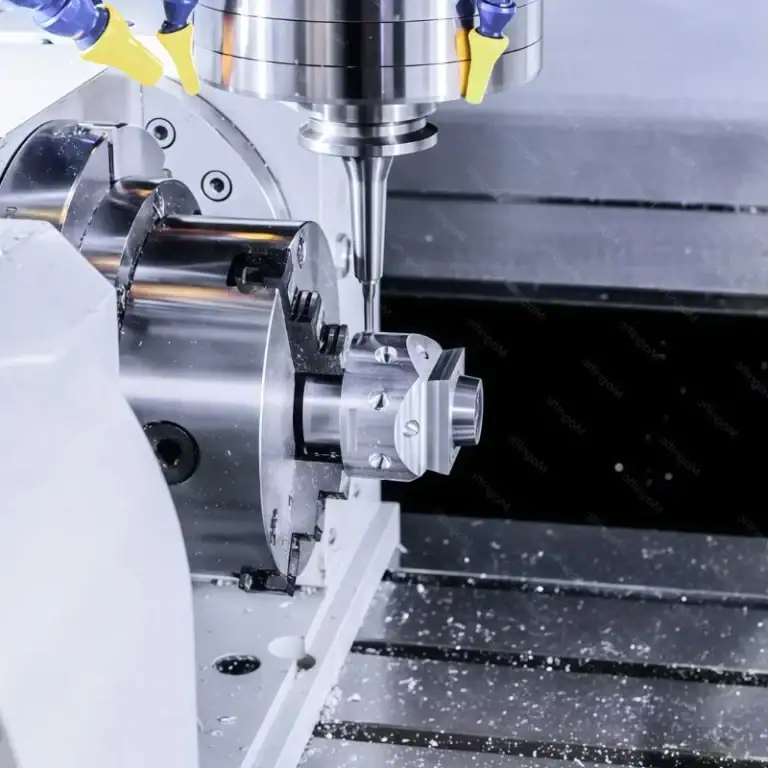
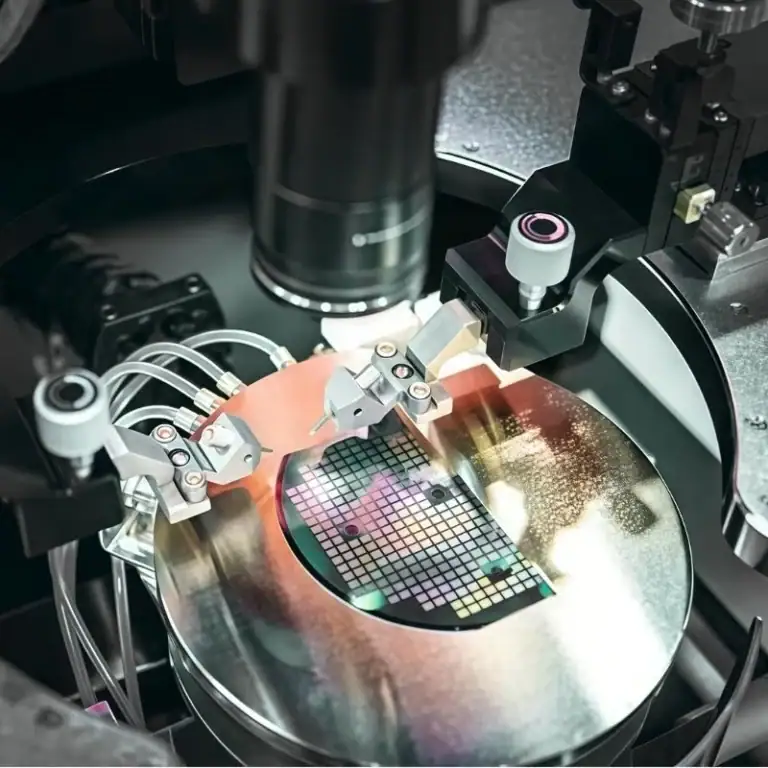
In modern manufacturing, the terms “CNC machining” and “precision machining” are often mentioned together, but they are not the same concept. As product requirements for accuracy and consistency continue to rise, more companies are paying attention to the differences between these two approaches. Misunderstanding them can lead to poor process selection, affecting product quality and cost control. In essence, CNC machining focuses on the machining method and control system, while precision machining emphasizes the final result and quality standard. They are different, yet closely related.
Differences in Definition
To clearly distinguish CNC machining from precision machining, it is essential to start with their fundamental definitions.
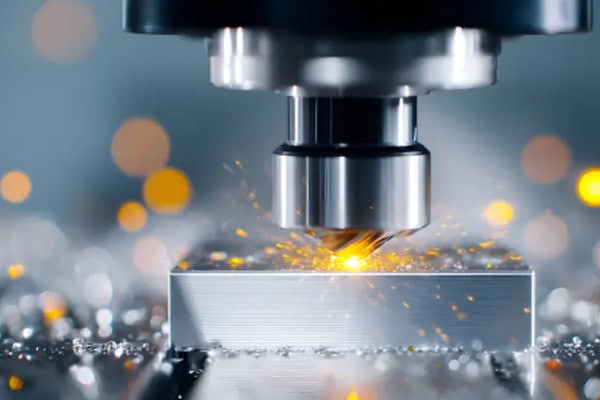
CNC Machining: Focused on Digital Control
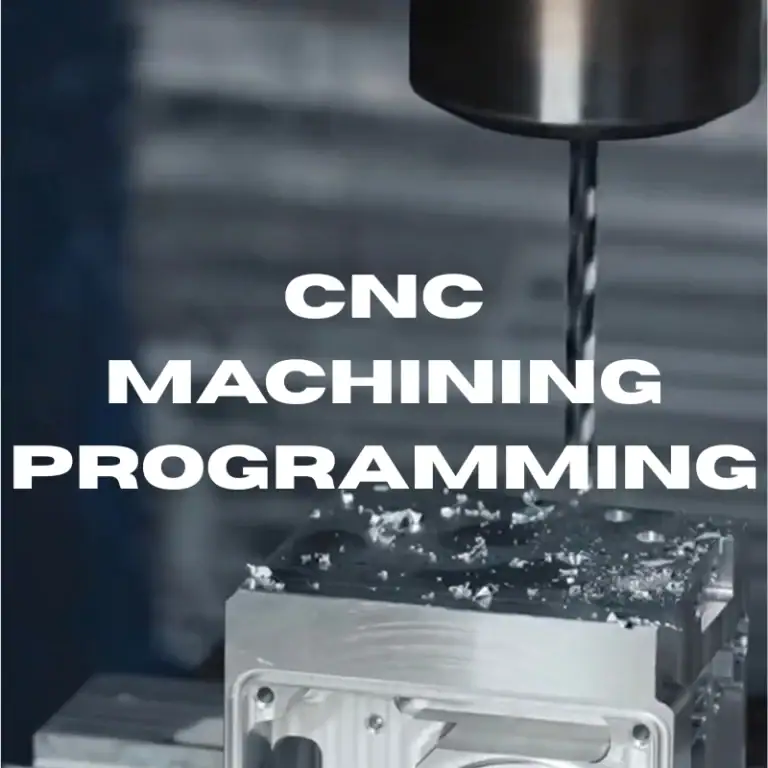
CNC machining refers to a manufacturing method where machine tools are controlled by computer programs, emphasizing automation and digital execution.
- Uses G-code or CNC programs to control tool movement and positioning with high accuracy
- Enables highly automated processes, reducing manual intervention and improving stability
- Suitable for batch production of complex parts with strong repeatability and consistency
Precision Machining: Focused on High-Accuracy Results
Precision machining is a category of processes aimed at achieving high dimensional accuracy and superior surface quality, without being limited to a specific method.
- Emphasizes tight tolerances, often reaching micron-level or higher precision
- Focuses on surface finish and overall machining quality
- Can be achieved through CNC machining, grinding, ultra-precision machining, and other techniques
Differences in Technical Focus
The main distinction between the two lies in what they prioritize during production.
CNC Machining Focuses on Process Control
CNC machining emphasizes the control and efficiency of the machining process through programming.
- Standardized programs ensure consistent execution and reduce human error
- Improves production efficiency, especially for medium to large batch manufacturing
- Relies on automation and system stability for predictable results
Precision Machining Focuses on Final Quality
Precision machining prioritizes whether the finished product meets strict accuracy and quality requirements.
- Requires extremely tight dimensional tolerances and minimal deformation
- Demands high surface finish quality, often involving additional finishing processes
- Requires strict control of environment, equipment precision, and process parameters
Application Scope and Relationship
Although different, CNC machining and precision machining are often used together in real production scenarios.
CNC Machining as the Foundation for Precision Machining
CNC technology has become one of the primary methods for achieving precision machining.
- Provides a stable platform for high-accuracy manufacturing
- Enables complex part machining in fewer setups, reducing positioning errors
- Ensures consistency in mass production, supporting precision requirements
Precision Machining Sets Higher Requirements for CNC Technology
Achieving precision machining requires optimizing CNC equipment and processes.
- Requires high-rigidity and high-accuracy machine tools
- Demands precise tooling, cutting parameters, and process control
- Often involves advanced inspection and error compensation systems
Differences in Capability and Cost
In practice, the two also differ in cost structure and machining capability.
CNC Machining: Efficiency and Versatility
CNC machining is more focused on efficiency and adaptability across various production needs.
- High automation reduces labor costs and increases productivity
- Suitable for a wide range of materials and part geometries
- Offers strong cost advantages in batch production
Precision Machining: High Requirements, Higher Cost
Precision machining involves stricter standards, leading to higher overall costs.
- Requires high-end machines and precision measurement equipment
- Involves more complex processes and tighter control
- Higher inspection and quality assurance costs, but significantly enhances product value
The key difference between CNC machining and precision machining lies in “control method” versus “machining objective.” CNC machining is a method focused on digital control, efficiency, and consistency, while precision machining is a standard focused on achieving high accuracy and superior quality. In modern manufacturing, the two are often combined to support high-end production. Companies should select appropriate processes based on product requirements and continuously optimize equipment and workflows. Tirapid provides professional CNC precision machining solutions to help businesses achieve higher efficiency and superior manufacturing quality.