Countersink holes are widely used in engineering and manufacturing when a screw or fastener needs to sit flush with or below the surface of a part. They are common in metal components, plastic parts, and assembled products where appearance, fit, and safety are important. Compared with standard holes, countersink holes can improve assembly quality and create a cleaner finished surface.
Understanding what countersink holes are and how they are used can help improve part design and assembly quality. In this article, we will explain their basic structure, common uses, and key design considerations.
What Is a Countersink Hole?
A countersink hole is a conical recess made at the opening of a drilled hole so a flat-head screw or fastener can sit flush with or slightly below the surface of a part. It is commonly used in machining, sheet metal fabrication, woodworking, and product assembly where a smooth surface and secure fastening are important.
The shape of a countersink hole is usually defined by its top diameter and included angle. Common countersink angles include 82° for inch-based fasteners and 90° for metric fasteners. In some special applications, 100° countersinks are also used. Matching the hole angle to the fastener head is important for proper fit, load distribution, and finished appearance.
Countersink holes are widely used because they improve both function and appearance. They help reduce protruding fastener heads, improve assembly clearance, and create a cleaner finished surface. In many CNC machining and engineering applications, they also support better alignment, fastening quality, and overall product reliability.
Why Are Countersink Holes Used?
Countersink holes are used to allow flat-head screws or fasteners to sit flush with or slightly below the surface of a part. This helps create a smoother finished surface and reduces interference from protruding fastener heads. In many products, this is important for both function and appearance.
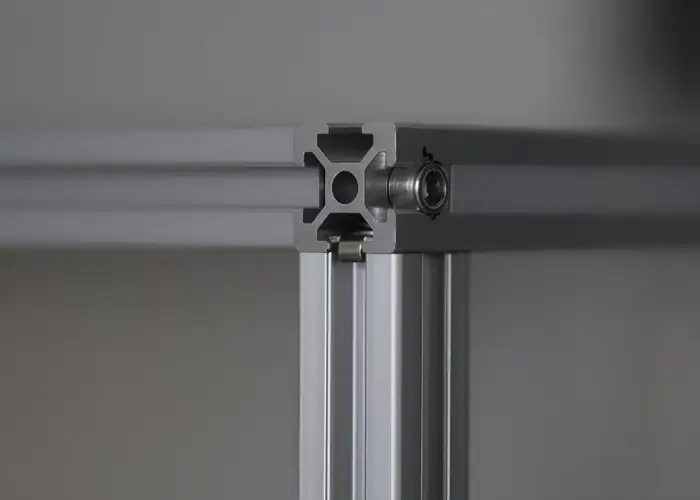
They are also used to improve assembly quality and safety. A flush fastener can reduce snagging, improve part clearance, and make components easier to fit together. In applications where parts slide, stack, or contact other surfaces, countersink holes help prevent obstruction and surface damage.
In engineering and manufacturing, countersink holes are often chosen because they support cleaner designs and more reliable fastening. They are widely used in CNC machined parts, sheet metal components, consumer products, and mechanical assemblies where a neat surface, accurate fit, and stable connection are required.
Another important reason for using countersink holes is to improve overall product consistency. When the screw head fits correctly into the countersunk area, the fastening position becomes more stable and visually uniform. This is especially useful in precision parts and high-quality products where appearance, fit, and repeatable assembly all matter.
What Machining Methods Can Be Used to Make Countersink Holes?
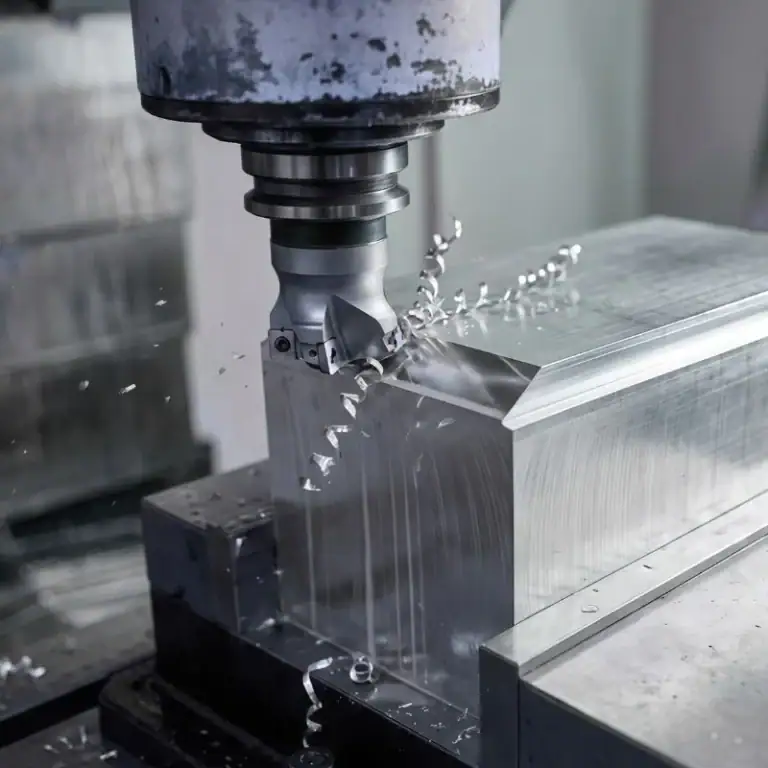
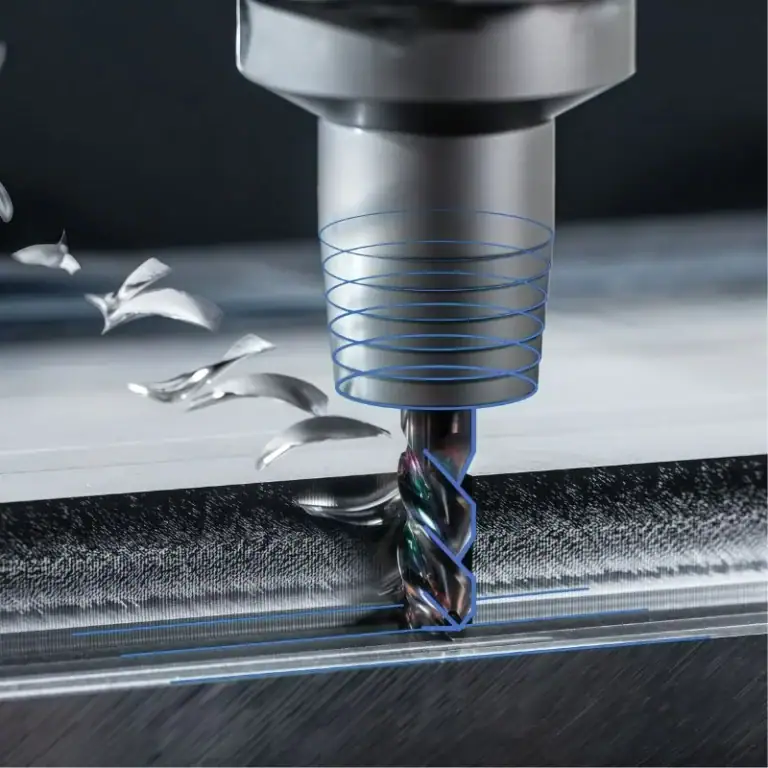
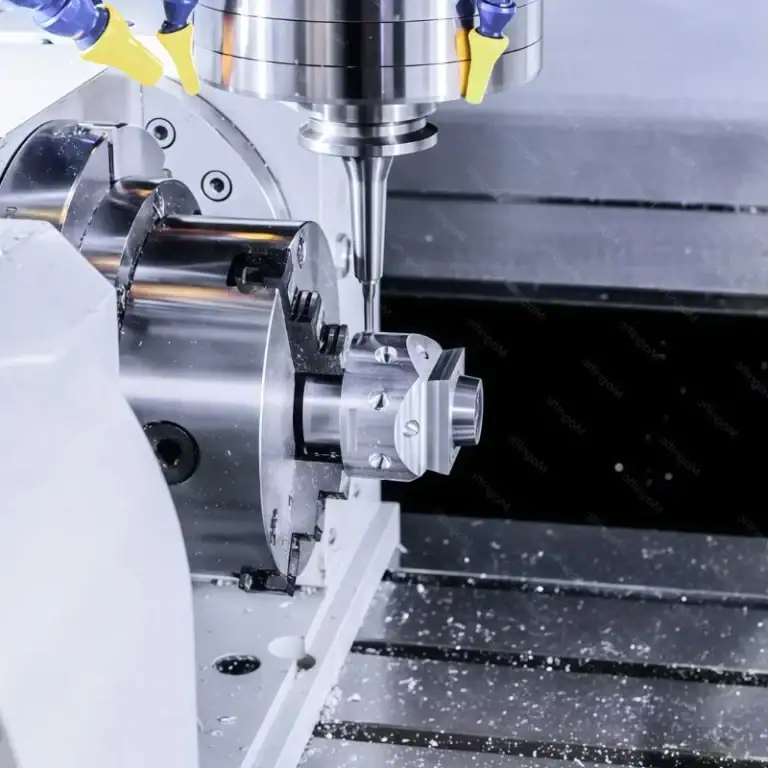
Countersink holes can be made by different machining methods depending on the material, part shape, accuracy requirement, and production volume. In simple applications, they can be made with standard drilling tools, while in precision manufacturing they are often produced by CNC machining or other controlled processes. Choosing the right method helps improve hole quality, fastener fit, and machining efficiency.
CNC Milling
CNC milling is another common method for machining countersink holes, especially when the part includes several features that need to be completed in one setup. It is often used in precision machined parts where positional accuracy, surface quality, and feature integration are important.
- Commonly used in CNC milling for housings, blocks, mounting plates, and custom CNC components
- Suitable for parts with pockets, slots, threaded holes, and countersink features in one setup
- Offers better flexibility in feature control and part handling
- Helps improve machining efficiency by reducing repositioning errors
- Works well for precision parts with more complex geometries
CNC Turning
Turning can also be used to make countersink holes, mainly on round parts or shaft-type components. In lathe operations, countersink features are usually machined along the center axis of the part, making this a practical option for rotational parts.
- Commonly used in CNC turning for shafts, bushings, sleeves, and similar round parts
- Best suited for centerline countersink features on turned parts
- Allows countersink machining in the same setup as diameter turning
- Helps improve concentricity and reduce setup time
- Effective for axial fastening features and central holes
CNC Drilling
CNC drilling is widely used for countersink holes in production environments where repeatability and efficiency are important. It is especially suitable for parts with multiple hole patterns, larger production quantities, and applications that require stable countersink depth and hole position accuracy.
- Commonly used for plates, panels, brackets, and assembly parts
- Suitable for repeated hole patterns and batch production
- Provides better hole consistency than manual drilling
- Helps reduce operator variation and improve inspection stability
- Works well when countersink depth and location must remain consistent
Sheet Metal Processing
In sheet metal fabrication, countersink holes can be made by drilling, CNC punching followed by secondary machining, or machining after forming operations. This method is often used when flush screw installation is required in thin metal parts.
- Commonly used for enclosures, covers, mounting plates, and structural sheet metal parts
- Suitable for parts that require flush fasteners and reduced surface protrusion
- Can be combined with secondary machining after punching
- Requires careful control because sheet metal parts are often thin
- Depth and hole design must match material thickness and assembly needs
Manual Machining
Manual machining is still used for countersink holes in prototype work, repair tasks, custom adjustments, and low-volume jobs. A hand drill or drill press with a countersink tool can be enough for simple parts where tight tolerances are not the main priority.
- Commonly used for prototyping, repair work, and workshop adjustments
- Suitable for simple parts and low-volume applications
- Flexible and accessible for basic countersink machining
- Lower cost than CNC methods for small jobs
- Precision and consistency are usually lower than CNC-controlled processes
How to Drill Countersink Holes?
Drilling countersink holes usually involves first drilling the base hole and then cutting a conical recess at the top so the fastener head can sit flush with or slightly below the surface. To achieve a clean and accurate result, it is important to use the correct countersink tool, match the hole angle to the fastener, and carefully control the cutting depth.
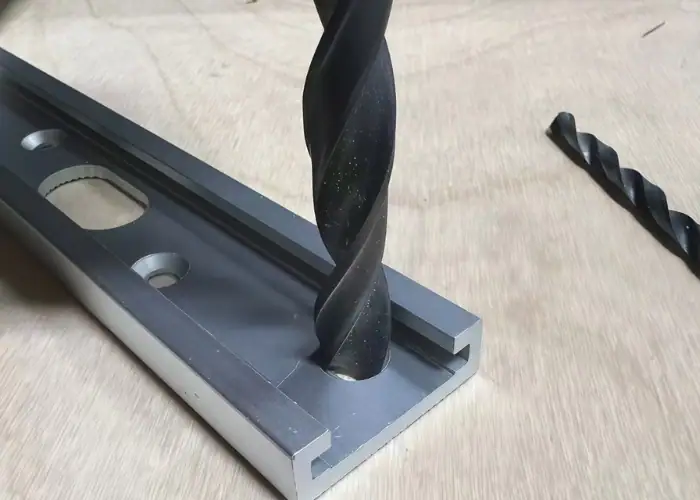
Step 1: Drill The Pilot Hole
The first step is to drill the base hole to the required diameter. This hole must be sized correctly according to the fastener specification and the part’s functional requirements before the countersink is added. A properly drilled pilot hole provides the foundation for the countersink feature and helps ensure that the fastener can be installed securely and accurately.
If the pilot hole is too small or too large, it may affect both the fit of the screw and the overall assembly performance. For this reason, the pilot hole should always be checked carefully before moving to the countersinking process.
Step 2: Select The Correct Countersink Tool
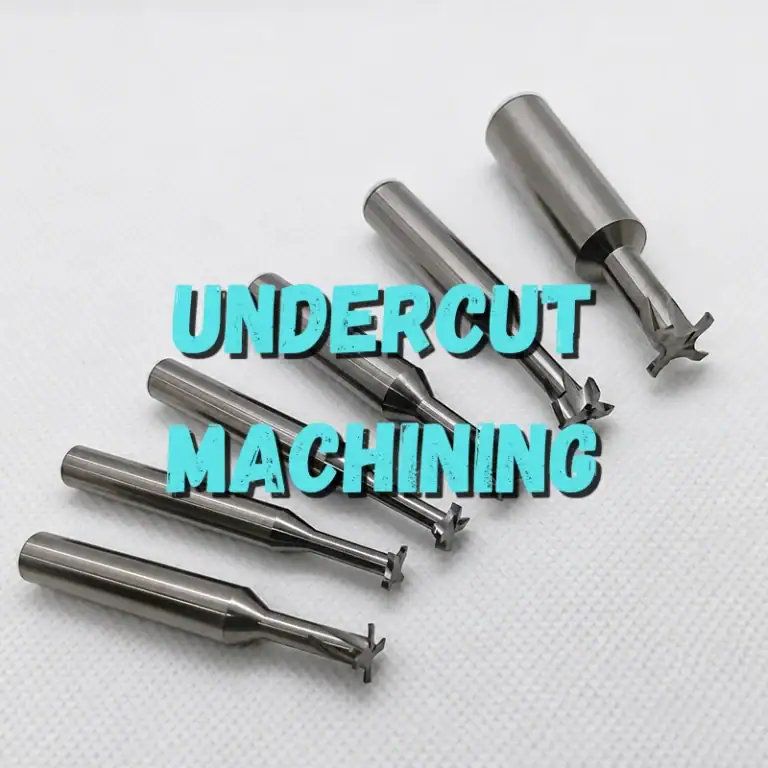
A countersink bit is used to cut the conical opening at the top of the hole. To achieve proper fastener seating, the tool angle should match the screw head angle, such as 82° for inch fasteners or 90° for metric fasteners. Correct angle matching is essential for a clean and stable fit.
Tool selection also affects machining quality. Using the right countersink tool can help reduce vibration, improve surface finish, and produce a more accurate hole shape, especially in parts with higher appearance or precision requirements.
Step 3: Cut The Countersink Gradually
The countersink should be cut slowly and evenly to avoid chatter, rough edges, or removing too much material at one time. A steady feed rate helps create a cleaner surface and improves the consistency of the finished countersink.
Gradual cutting also makes depth control easier. This is especially important when working with softer materials, thin parts, or components that require a neat appearance and stable fastener seating.
Step 4: Check Fastener Fit And Depth
After the countersink is cut, the screw head should be tested in the hole to confirm that it sits flush with or slightly below the surface as required. This step helps verify whether the countersink depth is correct and whether the fastener fits properly.
If the countersink is too shallow, the screw head may protrude above the surface. If it is too deep, the fastener may sit too low and reduce the material support around the hole, which can affect both appearance and fastening performance.
Step 5: Deburr And Inspect The Hole
The final step is to remove burrs and inspect the finished hole. Burrs, sharp edges, or surface roughness around the countersink can affect fastener seating, assembly safety, and product appearance.
A clean countersink edge helps improve surface finish, hole quality, and overall part consistency. In precision or customer-facing parts, inspection is especially important to ensure that the countersink is both dimensionally correct and visually acceptable.
Countersink Holes vs Counterbore Holes
Countersink holes and counterbore holes are both used for fastener installation, but they serve different purposes. A countersink hole is designed for flat-head screws, while a counterbore hole is used for screws or bolts with thicker heads. Understanding the difference helps improve part design and assembly results.
| Feature | Countersink Hole | Counterbore Hole |
| Shape | Conical recess | Cylindrical flat-bottom recess |
| Main Purpose | Allows a flat-head screw to sit flush with or below the surface | Allows a bolt or socket head screw to sit below the surface |
| Typical Fastener | Flat-head screw | Socket head cap screw, bolt, hex-head fastener |
| Bottom Shape | Angled | Flat |
| Common Angles / Dimensions | Commonly 82°, 90°, or 100° | Defined by diameter and depth rather than angle |
| Surface Appearance | Creates a smooth, flush surface | Creates a recessed pocket for the fastener head |
| Typical Applications | Sheet metal parts, CNC machined parts, consumer products, decorative assemblies | Mechanical assemblies, structural parts, tooling, heavy-duty components |
| Best For | Flush fit and cleaner appearance | Stronger fastener seating and deeper head clearance |
| Machining Method | Usually made with a countersink tool | Usually made with an end mill, counterbore tool, or drilling operation |
| Design Consideration | Must match the screw head angle | Must match the fastener head diameter and required depth |
In simple terms, a countersink hole is better when a flat-head screw needs to sit flush with the surface and a cleaner appearance is important. A counterbore hole is more suitable when the fastener head is thicker and needs a flat-bottom recessed space. Choosing the right hole type depends on the fastener design, surface requirements, and assembly function.
What Materials Can Be Countersunk?
Countersink holes can be made in many materials, but the result depends on hardness, thickness, and machinability. With the right tool and process, metals, plastics, and wood-based materials can all be countersunk effectively.
Aluminum
Aluminum is one of the most common materials for countersinking because it is relatively soft, easy to machine, and suitable for clean hole edges. It is widely used in CNC machined parts, enclosures, brackets, and lightweight assemblies where flush fastener installation is required.
It also offers a good balance of weight, strength, and corrosion resistance. However, because aluminum is softer than steel, depth control is still important to avoid excessive material removal or poor fastener seating.
Carbon Steel
Carbon steel can also be countersunk effectively and is often used in structural parts, fixtures, and general mechanical components. Compared with aluminum, it requires more cutting control, but it provides stronger support for fasteners and better mechanical strength.
Because carbon steel is harder, the cutting process may generate more resistance and burrs. Proper tool condition and cutting parameters are important for achieving a clean countersink surface.
Stainless Steel
Stainless steel is suitable for countersinking, but it is harder to machine than many other metals. It is often used in parts that require corrosion resistance, strength, and a clean finished appearance, such as industrial hardware, food equipment, and medical components.
Because stainless steel generates more heat during cutting, tool selection and cutting speed must be controlled carefully. This helps reduce chatter, overheating, and poor surface finish.
Brass
Brass is easy to countersink because of its good machinability and stable cutting performance. It is often used for fittings, decorative parts, and precision components that require a clean finished appearance.
Because brass cuts cleanly, it is a good choice when both machining efficiency and surface quality are important.
Copper
Copper can be countersunk, but its softness may affect surface finish if the cutting process is not well controlled. It is commonly used in electrical and thermal applications where flush fastener seating is still needed.
Careful machining is important to prevent surface smearing, edge damage, or inconsistent hole shape.
Plastics
Many plastics can also be countersunk, especially in lightweight components and product housings. Common examples include acrylic, ABS, nylon, POM, and polycarbonate.
However, plastics are more sensitive to heat, cracking, and deformation than metals. The cutting process should therefore be controlled carefully to avoid edge damage or oversized countersink openings.
Wood And Composite Materials
Wood and composite materials are often countersunk in furniture, fixtures, and construction-related products. These materials are generally easy to machine, and countersinking helps screws sit flush for a cleaner surface and safer use.
Even so, material density and internal structure still affect the final result. Proper tool condition and depth control help reduce chipping and improve finish quality.
Where Are Countersink Holes Commonly Used?
Countersink holes are commonly used in many industries and products where flush fastener installation is important. They are especially useful in applications that require a smooth surface, better assembly fit, and a cleaner overall appearance. Because of these advantages, countersink holes are widely used in both functional and decorative parts.
CNC Machined Parts
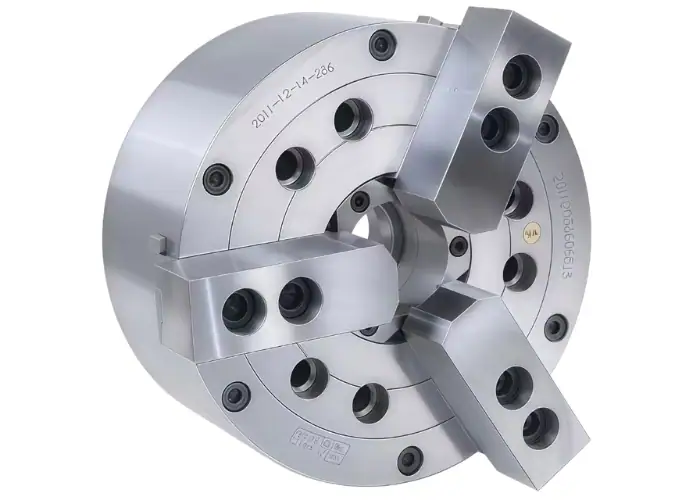
Countersink holes are often used in CNC machined parts to ensure flat-head screws sit flush with the surface. This is common in housings, brackets, panels, fixtures, and precision components where accurate assembly and neat appearance are important.
In CNC machining, countersink holes also help improve dimensional consistency and fastening quality. Because machined parts often require tighter tolerances and better surface control, a properly made countersink can support both reliable assembly and a cleaner finished product.
Sheet Metal Parts
In sheet metal fabrication, countersink holes are widely used to improve fastening and reduce protrusion on the part surface. They are commonly found in enclosures, covers, mounting plates, and structural sheet metal components.
They are especially useful in applications where the screw head must not interfere with adjacent parts, covers, or moving surfaces. Since sheet metal parts are often used in assemblies with limited space, countersink holes help improve both fit and overall appearance.
Consumer Products
Many consumer products use countersink holes to create a cleaner exterior and a smoother finished surface. They are often used in product housings, covers, frames, and visible assembly areas where flush fasteners help improve appearance and user safety.
This is particularly important in products where users may see or touch the screw area directly. A flush fastener layout can make the product look more refined while also reducing sharp edges or raised points on the surface.
Electronics
In electronic products, countersink holes are commonly used in casings, mounting brackets, panels, and support parts. They help keep screw heads flush with the surface, which improves product appearance, saves space, and reduces interference with nearby components during assembly.
Because electronic assemblies often have compact internal layouts, flush-mounted fasteners are useful for maintaining clearance and avoiding contact issues. Countersink holes can also support cleaner housing design and easier final assembly.
Automotive Components
Countersink holes are widely used in automotive parts where secure fastening, surface clearance, and assembly accuracy are important. They can be found in panels, brackets, trim parts, interior assemblies, and other components that require a neat fit and reliable connection.
In these applications, countersink holes help improve both appearance and function. They are especially useful in parts where protruding fastener heads may affect surrounding components, surface contact, or installation efficiency.
Aerospace Components
In aerospace applications, countersink holes are often used in lightweight structures, panels, and fastening points where aerodynamic surfaces and precise assembly matter. They help reduce protruding fastener heads and support a smoother, more controlled surface profile.
This is important not only for appearance, but also for performance and structural integration. In many aerospace assemblies, flush fastener installation helps maintain tighter tolerances, cleaner external surfaces, and better consistency across critical parts.
Furniture And General Hardware
In furniture, fixtures, and general hardware products, countersink holes help screws sit below or level with the surface. This improves both appearance and usability, especially in parts that users may touch directly or that require a more finished look.
They are commonly used in frames, supports, brackets, and decorative connection points. In these products, countersink holes help create a smoother surface, improve comfort, and reduce the risk of snagging or surface damage during use.
What Surface Finishes Are Used After Countersinking?
After countersinking, surface finishing is often used to improve appearance, corrosion resistance, wear resistance, and overall part quality. The right finish depends on the material, product function, and surface requirements. In many cases, finishing also helps remove minor tool marks and improve the consistency of the countersunk area.
Deburring
Deburring is usually the first step after countersinking. It removes sharp edges and small burrs around the hole, helping improve assembly safety, fastener fit, and surface quality.
A properly deburred countersink hole also helps the fastener seat more evenly and reduces the risk of scratches or interference during assembly. In precision parts or visible components, deburring is especially important because even small edge defects can affect both appearance and overall product quality.
Anodizing
Anodizing is commonly used on aluminum parts after countersinking. It improves corrosion resistance, wear resistance, and appearance, while also helping create a more uniform finished surface.
This finish is especially useful for aluminum housings, brackets, and panels that require both functional protection and a cleaner look. After countersinking, anodizing can also help improve consistency between the hole area and the rest of the machined surface.
Plating
Plating processes such as zinc plating, nickel plating, and chrome plating are often used on metal parts that need extra corrosion protection or decorative appearance. After countersinking, plating can help protect both the hole area and the surrounding surface.
Plating is also useful when the part needs improved surface hardness, better conductivity, or a more refined finish. In many applications, a plated countersink hole can support both long-term durability and better visual quality.
Powder Coating
Powder coating is used when parts need a durable protective layer and a clean visual finish. It is often applied to steel or aluminum parts after machining and countersinking, especially in industrial and outdoor applications.
This type of finish helps improve corrosion resistance and gives the part a more uniform external appearance. For parts with visible countersink holes, powder coating can also help the finished product look cleaner and more complete.
Passivation
Passivation is mainly used for stainless steel parts. It helps improve corrosion resistance by removing free iron from the surface without significantly changing the hole dimensions or part geometry.
Because passivation does not add a thick coating layer, it is especially suitable for precision parts that require good corrosion resistance while maintaining accurate hole size and fastener fit. It is commonly used in medical, food processing, and industrial stainless steel components.
Key Design Tips for Countersink Holes
Good countersink hole design is important for fastener fit, surface quality, and assembly performance. Even a simple countersink feature can cause problems if the angle, depth, or material thickness is not considered correctly. In part design, a well-defined countersink helps improve fastening consistency, reduce machining errors, and achieve a cleaner finished result.
Match The Countersink Angle To The Fastener
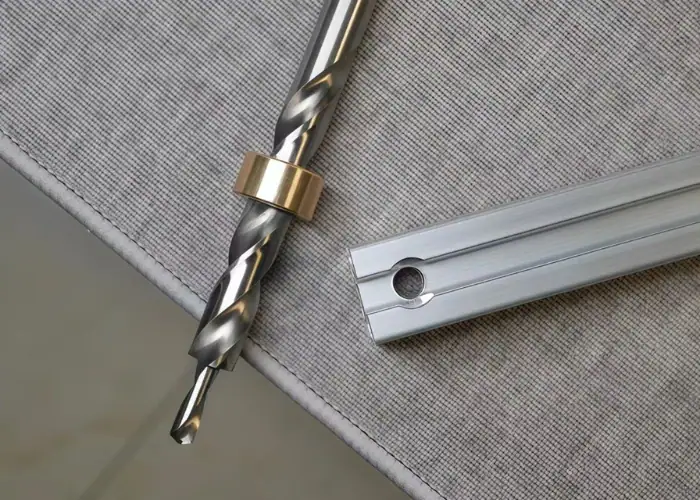
The countersink angle must match the screw head angle to ensure proper seating. Common angles are 82° for inch fasteners and 90° for metric fasteners. If the angle does not match, the fastener may not sit flush and the load may not be distributed evenly.
Control The Countersink Depth
Depth control is important because it affects both appearance and function. If the countersink is too shallow, the screw head will sit above the surface. If it is too deep, the fastener may sit too low and weaken the surrounding material.
Consider Material Thickness
Material thickness should always be checked before adding a countersink hole. In thin parts, a deep countersink may remove too much material and reduce strength around the hole. This is especially important in sheet metal and lightweight components.
Avoid Over-Countersinking
Removing too much material can lead to poor fastener support, rough edges, or distortion near the hole. A countersink should be large enough for proper screw fit, but not so large that it affects part strength or appearance.
Use Clear Drawing Specifications
Countersink holes should be clearly defined in technical drawings. Important details usually include the hole diameter, countersink diameter, and countersink angle. Clear callouts help reduce machining mistakes and improve inspection accuracy.
Common Problems with Countersink Holes
Countersink holes can improve assembly and appearance, but poor design or machining may cause problems with fastener fit, surface quality, and part strength. Common issues usually come from incorrect angle selection, poor depth control, vibration during machining, or unsuitable material conditions.
Incorrect Countersink Angle
If the countersink angle does not match the fastener head, the screw will not seat properly. This can cause uneven contact, poor load distribution, and an unstable fastening result.
Incorrect Countersink Depth
Depth is another common problem. A shallow countersink may leave the screw head above the surface, while an overly deep countersink can weaken the surrounding material and make the fastener sit too low.
Burrs And Rough Edges
After countersinking, burrs or rough edges may remain around the hole opening. These can affect surface finish, reduce assembly quality, and create problems when the fastener is installed.
Chatter Marks
Chatter marks can appear when the tool vibrates during cutting. This usually leads to poor surface finish, inconsistent hole quality, and reduced visual appearance, especially in precision parts or visible surfaces.
Weakening Of Thin Materials
In thin materials, countersinking may remove too much material around the hole. This can reduce local strength, affect fastener support, and increase the risk of deformation or cracking during assembly.
FAQs
How To Make A Countersink Hole?
A countersink hole is made by first drilling a pilot hole, then cutting a conical opening with a countersink tool. The angle must match the fastener, usually 82° or 90°. Depth should be controlled so the screw head sits flush.
What Is Another Name For A Countersink?
Another name for a countersink is a conical recess or sometimes a chamfered hole. In machining and engineering, “countersink” is the standard term because it specifically refers to a hole prepared for a flat-head fastener.
Can I Use A Regular Drill For Countersinking?
A regular drill can be used for simple countersinking in soft materials, but it is not ideal for accurate results. A dedicated countersink bit gives better angle control, surface finish, and screw fit, especially in metal parts.
What Material Is Best For Countersinks?
Common materials for countersinks include aluminum, steel, stainless steel, brass, and plastics. Aluminum is easier to machine, while steel gives stronger support. The best choice depends on part thickness, fastener load, and machining requirements.
Conclusion
Countersink holes are a simple but important feature in many engineered parts. They help flat-head fasteners sit flush with the surface, improve assembly quality, and create a cleaner finished appearance. By understanding their structure, common uses, machining methods, material compatibility, and design considerations, engineers and buyers can make better decisions for part performance and manufacturing efficiency.
At TiRapid, we provide custom CNC machining and sheet metal fabrication for parts that require accurate hole features and reliable assembly. If you need support with countersink hole design or custom part production, our team is ready to help.