Hard coat is widely used when aluminum parts need better wear resistance, higher surface hardness, and longer service life. Compared with standard anodizing, it creates a thicker and more durable oxide layer, making it a practical surface treatment for parts used in demanding working conditions.
This guide explains what hard coat is, how it works, where it is used, and how to choose the right finish based on performance, durability, and application needs.
What Is Hard Coat?
Hard coat is a surface treatment used to improve the hardness, wear resistance, and durability of aluminum parts. In manufacturing, it usually refers to a harder and thicker anodized layer that is designed for protection and long-term performance rather than decorative appearance.
Hard coat is commonly understood as hard coat anodizing, hard anodizing, or Type III anodizing. Although the wording may vary, these terms usually describe the same general finish: a dense oxide layer formed through an electrochemical process on the aluminum surface. Because this layer is created from the base material itself instead of being painted or plated on top, it offers strong adhesion and stable surface performance.
Compared with standard anodizing, hard coat is more suitable for parts that need to resist friction, abrasion, repeated contact, or harsh working conditions. That is why it is often used on industrial components, automation parts, mechanical structures, and other aluminum parts where surface life matters more than decorative color.
For many CNC machined parts, understanding hard coat early in the project helps ensure that the finish matches the real function of the part. If the part needs better surface protection, higher hardness, and longer service life, hard coat is often one of the most practical finishing options to consider.
How Does Hard Coat Anodizing Work?
Hard coat anodizing works through an electrochemical process that builds a controlled oxide layer on the surface of an aluminum part. Compared with standard anodizing, it uses stricter processing conditions to create a thicker, harder, and more durable finish.
Compared with standard anodizing, hard coat anodizing is carried out under more demanding process conditions. It usually uses lower bath temperatures, higher current density, and longer processing time to produce a thicker and denser oxide layer. These conditions are what give hard coat its higher hardness, better wear resistance, and stronger durability in service.
The process usually begins with cleaning and surface preparation. Any oil, dirt, oxidation, or machining residue must be removed before anodizing starts, because surface condition directly affects coating quality. After cleaning, the part enters the anodizing bath, where the oxide layer grows both inward and outward from the original surface. This is why hard coat not only improves surface performance but can also affect final dimensions.
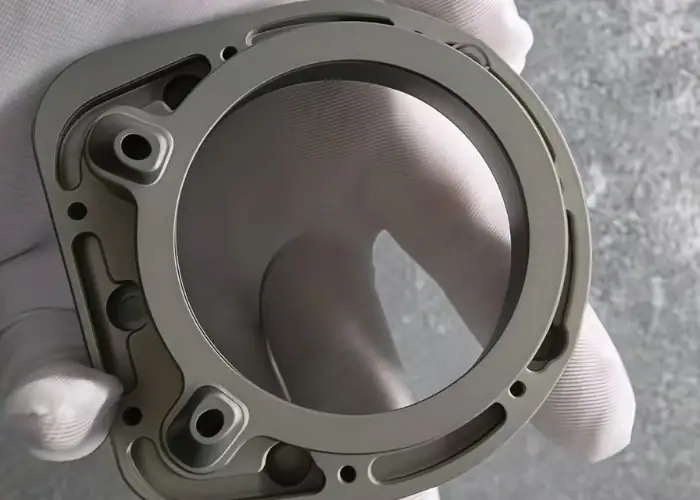
Once the target coating thickness is reached, the part may go through rinsing, sealing, dyeing, or other post-treatment steps depending on the application. In many hard coat applications, sealing and decorative coloring are less important than maintaining hardness and wear resistance. That is why some hard coat finishes are left in a more natural dark gray or black appearance rather than being optimized for color.
In real manufacturing, the final result depends on more than just the anodizing bath itself. Alloy type, part geometry, current distribution, thickness requirement, and tolerance sensitivity can all influence coating uniformity and performance. For precision CNC parts, hard coat anodizing works best when finish requirements are considered early, especially if the part includes bores, threads, grooves, or tight-fitting features.
What Are The Key Properties Of Hard Coat?
Hard coat anodizing is valued because it does more than change surface appearance. Its main purpose is to improve the functional performance of aluminum parts, especially in applications where wear, friction, corrosion, and long-term durability are important.
High Surface Hardness
One of the most important properties of hard coat is its high surface hardness. Compared with standard anodizing, it creates a denser and harder oxide layer, which helps the part resist scratches, surface damage, and repeated contact. This is one reason hard coat is often used for parts exposed to mechanical movement or frequent handling.
Strong Wear Resistance
Hard coat is widely chosen for its wear resistance. The thicker oxide layer helps protect aluminum parts from abrasion, sliding contact, and long-term friction. In practical use, this makes it more suitable for moving components, contact surfaces, and parts that need to maintain performance over time.
Good Corrosion Resistance
Another key property of hard coat is corrosion resistance. The anodized layer helps separate the aluminum substrate from moisture, chemicals, and other environmental exposure, which improves part durability in service. For parts used in industrial, outdoor, or moisture-prone conditions, this added protection can be especially valuable.
Better Electrical Insulation
Hard coat anodizing can also improve electrical insulation. The oxide layer formed on the aluminum surface is non-conductive, which makes hard coat useful in applications where electrical isolation is needed. This property is often important for electronic housings, support structures, and some industrial assemblies.
Greater Coating Thickness
Compared with standard anodizing, hard coat usually produces a thicker coating. This added thickness is one reason it performs better in wear-related applications, but it also means that dimensional buildup must be considered. For precision machined parts, this property is both an advantage and a design factor that should be reviewed early.
More Stable Long-Term Performance
Hard coat is often selected because it helps parts maintain stable performance over time. A harder and more durable surface can reduce wear-related damage, slow surface deterioration, and improve service life in demanding conditions. In many manufacturing applications, this long-term reliability is just as important as the initial surface finish itself.
Hard Coat Vs Standard Anodizing
Hard coat and standard anodizing are used for different purposes. Standard anodizing is more suitable for appearance and general protection, while hard coat is better for higher hardness, wear resistance, and longer service life.
| Comparison Item | Hard Coat Anodizing | Standard Anodizing |
| Main Purpose | Improve hardness, wear resistance, and long-term durability | Improve appearance, corrosion resistance, and general surface protection |
| Common Type | Usually associated with Type III anodizing | Usually associated with Type II anodizing |
| Coating Thickness | Thicker coating, better for demanding applications | Thinner coating, better for general use |
| Surface Hardness | Higher hardness | Lower than hard coat |
| Wear Resistance | Stronger wear resistance | Suitable for light to moderate wear |
| Corrosion Resistance | Good corrosion resistance | Good corrosion resistance for general environments |
| Appearance | More functional, usually less decorative | Better for decorative finishes and visible parts |
| Color Options | More limited, often dark gray or black | Wider color options, easier to dye |
| Dimensional Impact | Greater coating buildup, more effect on dimensions | Lower buildup, easier for less demanding fits |
| Typical Applications | Industrial parts, wear surfaces, moving components, high-load parts | Housings, brackets, consumer parts, general machined components |
| Cost | Usually higher because of stricter process control | Usually lower and more cost-effective |
| Best For | Parts exposed to friction, abrasion, and demanding conditions | Parts needing appearance, basic protection, and cost balance |
What Materials Can Be Hard Coat?
Hard coat is mainly used on aluminum and aluminum alloys because these materials can form a hard, stable oxide layer during anodizing. Although some other metals can also undergo anodic oxidation under specific conditions, hard coat in manufacturing is most commonly associated with aluminum parts that need better wear resistance, corrosion protection, and long-term durability.
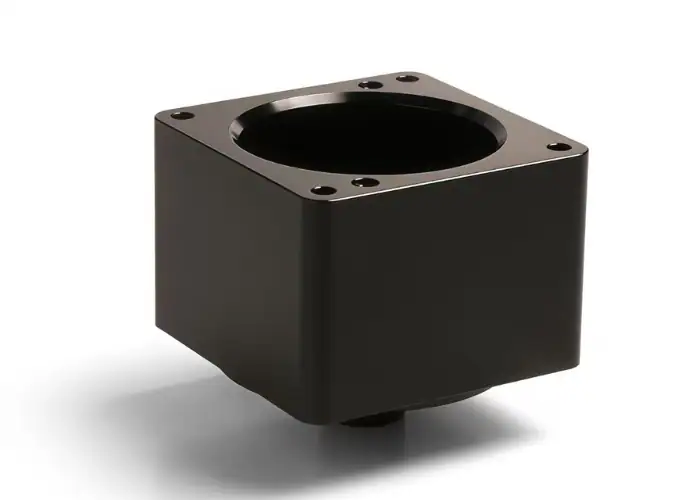
Aluminum
Aluminum is the most common material for hard coat. It responds well to the anodizing process and can form a durable oxide layer that improves surface hardness, wear resistance, and corrosion protection. This makes it a practical choice for many machined parts used in industrial equipment, automation systems, electronics, and other applications where surface life matters.
Another reason aluminum is widely used is that it offers a good balance of machinability, lightweight strength, and finishing compatibility. For many CNC parts, hard coat is selected because it improves surface performance without changing the basic advantages of the aluminum part itself.
Aluminum Alloys
Different aluminum alloys can also be suitable for hard coat, but the final result may vary depending on alloy composition. Factors such as alloy grade, surface condition, and part geometry can affect coating uniformity, appearance, hardness response, and dimensional buildup.
That is why alloy selection should always be reviewed together with finish selection. If the part has strict requirements for wear resistance, coating consistency, or dimensional control, the alloy grade should be confirmed early instead of being treated as a secondary issue.
Other Materials
Some other metals, such as magnesium, can also undergo anodic oxidation under specific conditions. However, they are far less common in standard hard coat applications and are usually associated with more specialized finishing processes.
In most CNC machining and industrial finishing discussions, hard coat is still mainly understood as a finish for aluminum and aluminum alloys. For that reason, the most practical question is not only whether a material can receive hard coat, but whether it can deliver the required surface performance and reliability in the final application.
Where Is Hard Coat Used?
Hard coat anodizing is commonly used in applications where aluminum parts need better wear resistance, higher surface hardness, and longer service life. It is especially valuable for components exposed to friction, repeated contact, corrosive environments, or demanding working conditions. In many industries, hard coat is selected not for decoration, but for function and durability.
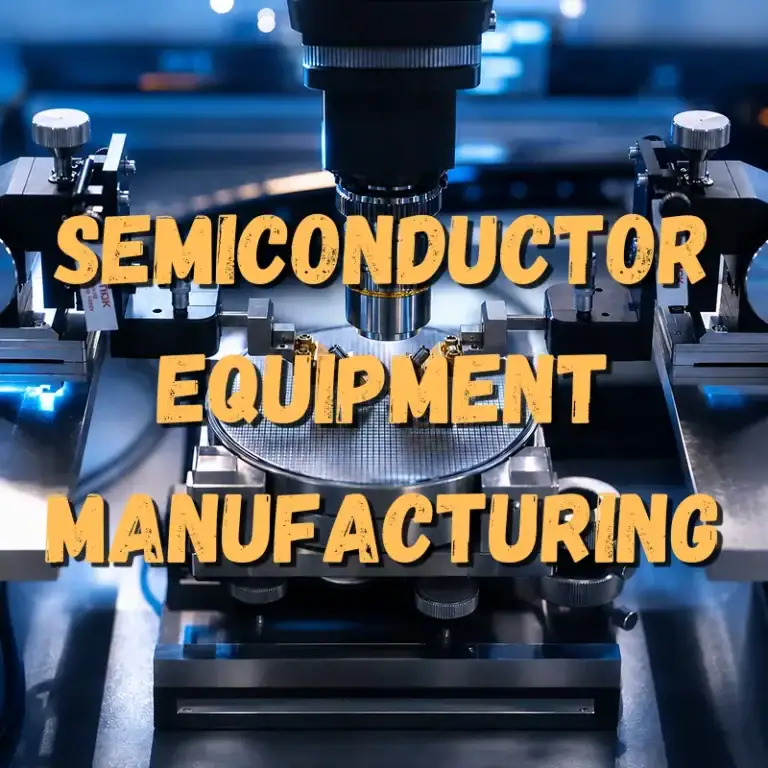
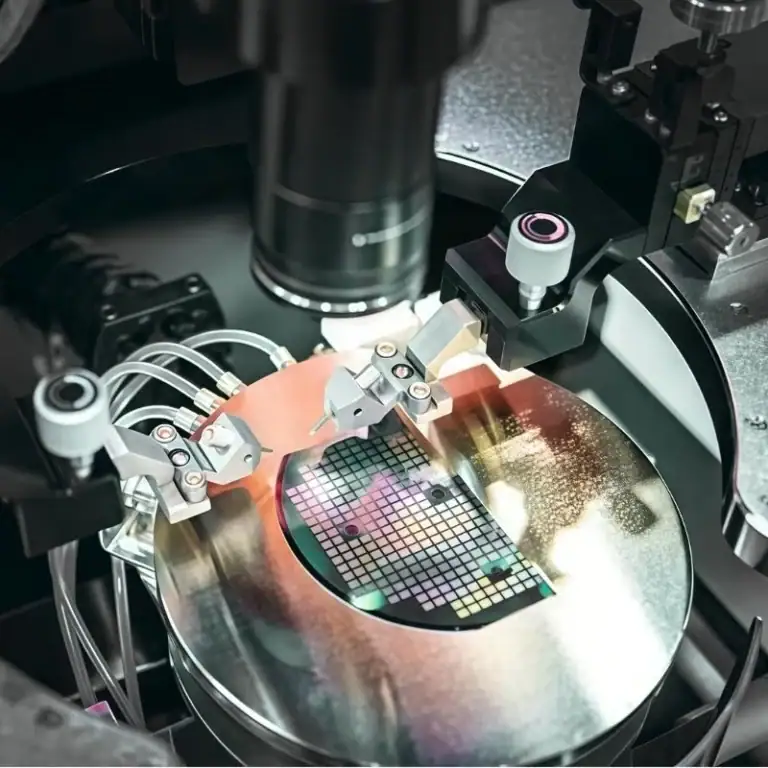
Semiconductor Industry
In the semiconductor industry, hard coat anodizing is often used on aluminum fixtures, frames, support parts, and precision structural components. These parts usually need stable surface performance, good wear resistance, and reliable corrosion protection in controlled production environments.
For this type of application, hard coat helps improve surface durability and reduce wear from repeated handling or equipment contact. It is especially useful when part consistency and long-term performance matter more than decorative appearance.
Automation Industry
Automation equipment often uses hard coat anodizing on guide parts, brackets, machine frames, robotic supports, and custom machined aluminum components. These parts may experience repeated movement, sliding contact, or long operating cycles.
In this environment, hard coat is valued because it provides better wear resistance than standard anodizing. It helps aluminum parts maintain performance over time while also improving surface stability in daily production use.
Industrial Equipment
Industrial equipment is one of the most common application areas for hard coat anodizing. It is often used on contact surfaces, wear-prone mechanical parts, housings, covers, and support structures that must perform reliably under regular use.
For industrial parts, hard coat is useful because it combines surface hardness, corrosion resistance, and long-term durability. This makes it a practical finish for equipment exposed to friction, handling, or harsher working conditions.
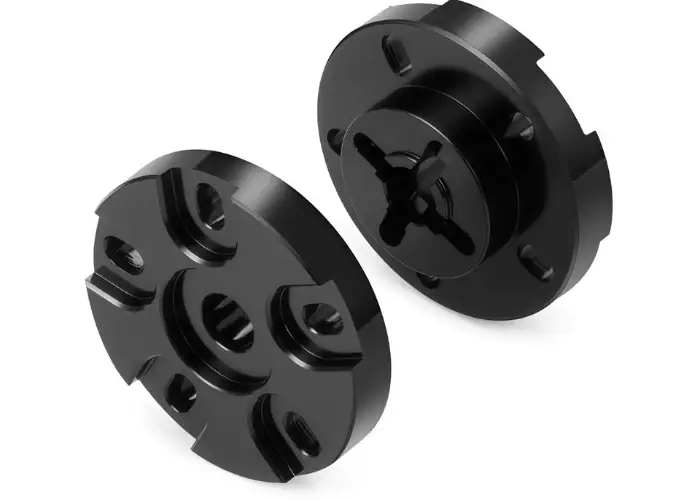
Electronics
In electronics, hard coat anodizing may be used on aluminum housings, mounting parts, frames, and enclosures when the part needs more than just decorative protection. While standard anodizing is often enough for appearance-focused products, hard coat is more suitable when higher surface hardness or wear resistance is needed.
It can also be useful in products where aluminum parts need added insulation performance and better resistance to scratches or repeated use. In these cases, hard coat supports both function and durability.
Medical Devices
Medical equipment and device components may also use hard coat anodizing, especially for aluminum parts that require clean surfaces, stable performance, and good durability. These can include housings, supports, instrument bodies, and non-implant mechanical parts.
In medical applications, hard coat is often chosen when repeated handling, cleaning, or contact could affect surface life over time. A harder anodized layer helps the part maintain a more reliable surface under frequent use.
Automotive Industry
In the automotive industry, hard coat anodizing is used for aluminum parts that must resist wear, friction, and environmental exposure. Typical examples include brackets, performance parts, housings, mechanical supports, and custom machined components.
Compared with standard anodizing, hard coat is a better fit when the part is exposed to repeated motion, abrasion, or tougher service conditions. It helps improve durability without losing the lightweight advantages of aluminum.
Aerospace And Defense
Hard coat anodizing is also widely used in aerospace and defense applications where aluminum parts need controlled surface performance and long-term reliability. Depending on the part design, it may be used on structural supports, housings, fittings, and functional components.
In these industries, finish selection is often closely related to wear resistance, corrosion protection, and dimensional requirements. Hard coat is useful when a more durable surface is needed, especially on parts that cannot tolerate rapid surface degradation.
Robotics
Robotics applications often require lightweight but durable aluminum parts. Hard coat anodizing is commonly used on frames, brackets, arm components, support parts, and machined surfaces exposed to repeated movement or contact.
Because robotic systems often involve continuous motion and mechanical interaction, hard coat can help extend part life and reduce wear-related surface damage. This makes it a practical finish for parts that must remain reliable over long operating cycles.
How To Choose The Right Hard Coat Finish?
Choosing the right hard coat finish is not only about selecting the hardest option. A suitable finish should match the part’s working conditions, wear level, tolerance sensitivity, and expected service life. When these factors are reviewed early, it becomes much easier to decide whether hard coat is the right process and what coating requirements should be defined before production.
Consider The Working Environment
The first step is to understand where and how the part will be used. If the part will face repeated friction, sliding contact, outdoor exposure, moisture, chemicals, or demanding industrial conditions, hard coat is often a better choice than standard anodizing. A more wear-resistant and durable oxide layer can help the part maintain performance over time.
If the part is mainly used in a light-duty or appearance-focused application, a standard anodized finish may already be enough. That is why the end-use environment should always be reviewed before deciding on hard coat.
Review Wear And Contact Conditions
Hard coat is especially useful for parts exposed to abrasion, repeated movement, contact surfaces, and mechanical wear. Guide parts, moving supports, housings with repeated handling, and functional aluminum components are common examples where a harder anodized layer adds real value.
If the part is not exposed to regular wear, the extra hardness of hard coat may not always be necessary. The finish should be chosen based on actual contact conditions rather than assumption.
Check Dimensional Tolerance Early
Hard coat usually produces a thicker coating than standard anodizing, so dimensional buildup must be considered before machining is finalized. This is especially important for bores, threads, grooves, sealing surfaces, and tight-fitting features.
For precision parts, finish selection should be discussed during drawing review or DFM evaluation. In many cases, checking tolerance sensitivity early helps avoid assembly problems, fit issues, or costly rework after finishing.
Think About Appearance Requirements
Although hard coat is mainly selected for performance, appearance still matters in some projects. Hard coat finishes often appear in dark gray, bronze, or black shades, and they are usually less decorative than standard anodizing. If the part needs bright colors or a stronger visual finish, standard anodizing may be more suitable.
If surface durability matters more than decorative appearance, hard coat is usually the better fit. The key is to define early whether the finish is expected to serve a visual purpose, a functional purpose, or both.
Match The Finish To The Alloy
The alloy also affects hard coat results. Different aluminum grades can respond differently in coating uniformity, appearance, and dimensional behavior. Even when the same process is used, the final finish may vary depending on the alloy and surface condition.
That is why the hard coat finish should never be chosen separately from the material. A better result usually comes from reviewing alloy type and finishing requirements together.
Balance Cost With Service Life
Hard coat generally costs more than standard anodizing because it requires stricter process control and often more demanding production conditions. However, a higher initial finish cost may still be worthwhile if it helps reduce wear, improve service life, and lower the risk of early part failure.
A practical selection should not focus only on upfront price. It should compare cost against durability, maintenance needs, and long-term performance in the real application.
Common Mistakes When Using Hard Coat
Hard coat anodizing can significantly improve part performance, but it only works well when it is selected and applied for the right reasons. In many projects, problems happen not because hard coat is a bad process, but because the finish is chosen too late, specified too broadly, or expected to solve issues it was never meant to solve.
Assuming Hard Coat Is Always Better
One common mistake is thinking hard coat is automatically the best option for every aluminum part. While it offers higher hardness and stronger wear resistance, that does not mean every part needs it. If the part is mainly decorative or used in a light-duty environment, standard anodizing may already be enough.
Choosing hard coat without a real performance need can increase cost, add unnecessary thickness, and make the process less efficient. The better finish is the one that matches the actual function of the part.
Ignoring Coating Buildup
Another frequent mistake is forgetting that hard coat adds more thickness than standard anodizing. This becomes especially important for bores, threads, grooves, sealing surfaces, and tight-fitting features. If coating buildup is not considered early, the finished part may no longer fit as intended.
In many cases, this problem starts during design or machining rather than finishing. That is why hard coat requirements should be reviewed before production, not after the dimensions are already fixed.
Choosing Hard Coat Only For Appearance
Hard coat can create a darker and more technical-looking surface, but appearance is not its main purpose. Some buyers choose it because they want a darker finish, without fully considering whether the part actually needs the extra hardness and wear resistance.
If the project is mainly appearance-driven, a standard anodized finish may be more suitable and easier to control in color. Hard coat should be selected for functional value first, with appearance treated as a secondary benefit.
Not Considering The Alloy
Different aluminum alloys do not always respond the same way to hard coat anodizing. Alloy composition can affect coating uniformity, final color, surface consistency, and dimensional behavior. Even when the same process is used, the result may vary from one alloy to another.
Ignoring alloy differences can lead to finish inconsistency or performance that does not fully match expectations. That is why material selection and hard coat requirements should always be reviewed together.
Defining The Finish Too Late
A practical mistake in many projects is deciding on hard coat after machining is already complete. By that point, it may be harder to adjust tolerances, masking areas, thread allowances, or appearance expectations.
The best time to define hard coat is during drawing review, quotation, or DFM discussion. Early planning makes it much easier to align machining, finishing, and final part performance.
Expecting Hard Coat To Fix Design Problems
Hard coat can improve surface hardness and wear resistance, but it cannot correct a poor part design. If the geometry is weak, the tolerance strategy is wrong, or the contact area is poorly designed, adding hard coat will not solve the underlying problem.
This mistake often happens when finishing is treated as a way to compensate for design or machining limitations. In reality, hard coat works best when the part is already properly designed for its application.
Overlooking End-Use Conditions
Sometimes hard coat is selected without a clear understanding of how the part will actually be used. However, service environment plays a major role in whether the finish adds real value. A part used indoors with little wear may not benefit much, while a part exposed to abrasion, repeated handling, or harsh conditions may depend on it.
Without a clear end-use description, finish selection becomes guesswork. The more clearly the working conditions are defined, the easier it is to use hard coat effectively.
FAQs
Is Hard Coat The Same As Hard Anodizing?
In most industrial applications, hard coat and hard anodizing usually refer to the same general process. Both terms are commonly used to describe a thicker, harder anodized layer that is generally associated with Type III anodizing. Although wording may vary between suppliers, they usually describe the same performance-oriented finish used for aluminum parts requiring better wear resistance and durability.
Can Hard Coat Improve Wear Resistance?
Yes, improving wear resistance is one of the main reasons to use hard coat. The thicker and denser oxide layer helps protect aluminum parts from abrasion, sliding contact, and repeated mechanical use. This makes hard coat especially useful for moving components, guide parts, support structures, and other parts that need to maintain stable surface performance over time.
Does Hard Coat Affect Part Dimensions?
Yes, hard coat can affect dimensions because the oxide layer grows on the part surface during anodizing. This is especially important for precision features such as bores, threads, grooves, sealing faces, and tight-fitting areas. If coating buildup is not considered early, the finished part may not assemble correctly. That is why hard coat requirements should be reviewed before machining is finalized.
Which Parts Usually Need Hard Coat?
Hard coat is usually selected for aluminum parts that operate under wear, friction, repeated contact, or demanding service conditions. Common examples include industrial equipment parts, automation components, robotic structures, automotive parts, medical device housings, and aerospace supports. If surface durability matters more than decorative appearance, hard coat is often a more suitable finish than standard anodizing.
Conclusion
Hard coat anodizing is a practical surface treatment for aluminum parts that need higher hardness, better wear resistance, and longer service life. Compared with standard anodizing, it is more suitable for parts exposed to friction, repeated contact, and demanding working conditions. The right choice depends on the part’s material, tolerance, environment, and real performance needs.
At TiRapid, we help customers choose the right surface finish based on part function, alloy type, tolerance requirements, and application conditions. From drawing review to machining and finishing, we support both prototypes and production parts with reliable quality and practical manufacturing advice.