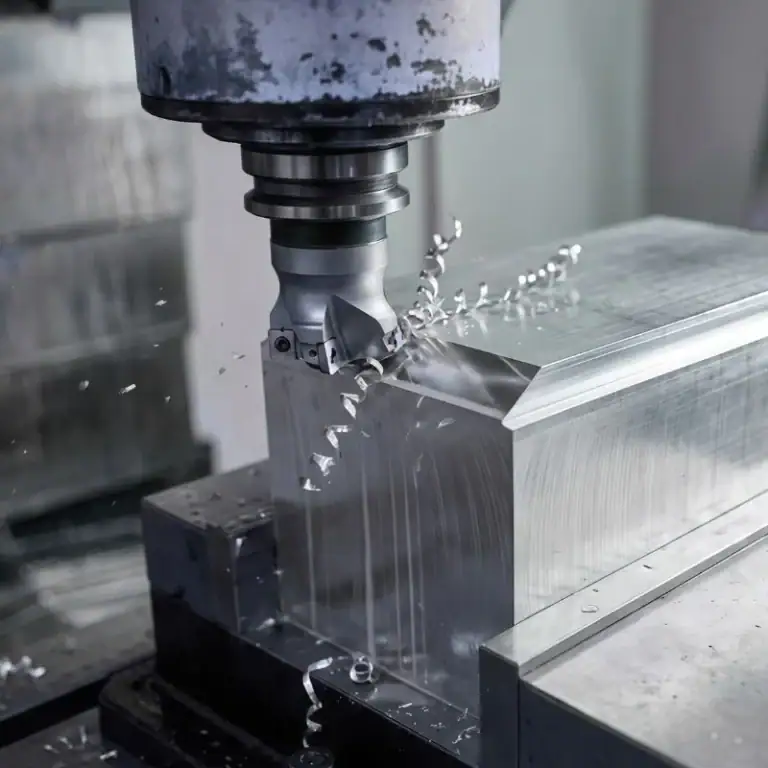
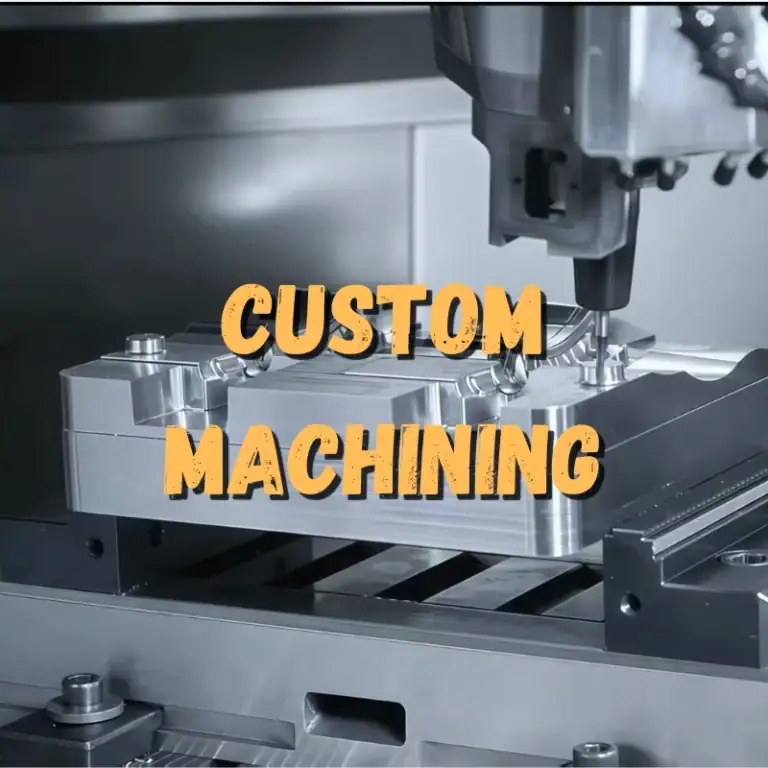
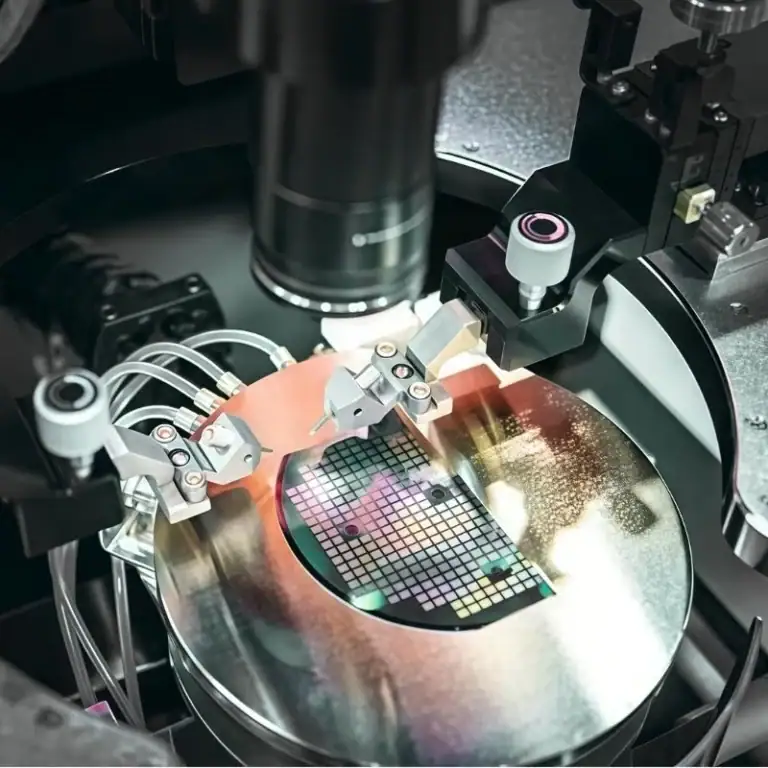
As the modern manufacturing industry continues its evolution toward higher efficiency, greater precision, and increased automation, production efficiency has emerged as a key metric for evaluating a company’s manufacturing capabilities. Thanks to its automated control, stable processing capabilities, and aptitude for manufacturing complex structures, CNC milling technology occupies an increasingly pivotal position in modern industrial production. Compared to traditional machining methods, CNC milling utilizes programmed controls to facilitate continuous processing and mass production, thereby effectively minimizing manual intervention and boosting overall manufacturing efficiency.
Automated Machining Accelerates Production Pace
CNC milling reduces manual operation time through automated control.
CNC equipment can execute cutting operations automatically according to pre-set programs, eliminating the need for frequent manual adjustments to the machine’s position and thereby enhancing overall production continuity. Automated operation also serves to minimize human error and improve the consistency of batch processing. During extended machining runs, the equipment maintains a steady operational state, reducing downtime issues caused by manual intervention while simultaneously boosting machine utilization and processing throughput. For the mass production of parts, automated machining effectively shortens the time required for repetitive fixturing and process changeovers, rendering the entire production workflow more efficient and stable.
An automated production model effectively boosts overall machining efficiency.
Optimizing Tool Paths to Minimize Non-Productive Movement
Intelligent tool path planning can significantly reduce machining time.
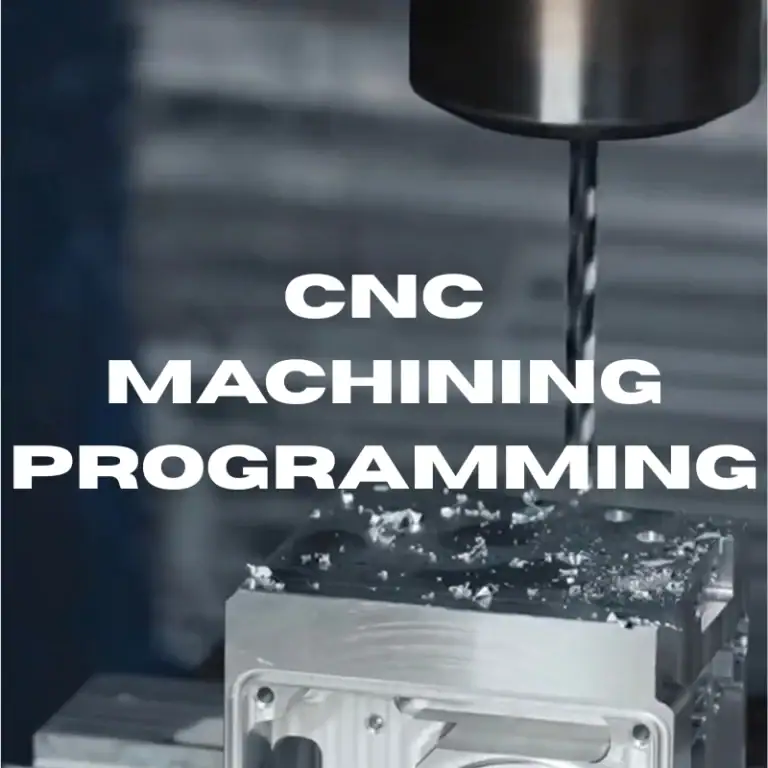
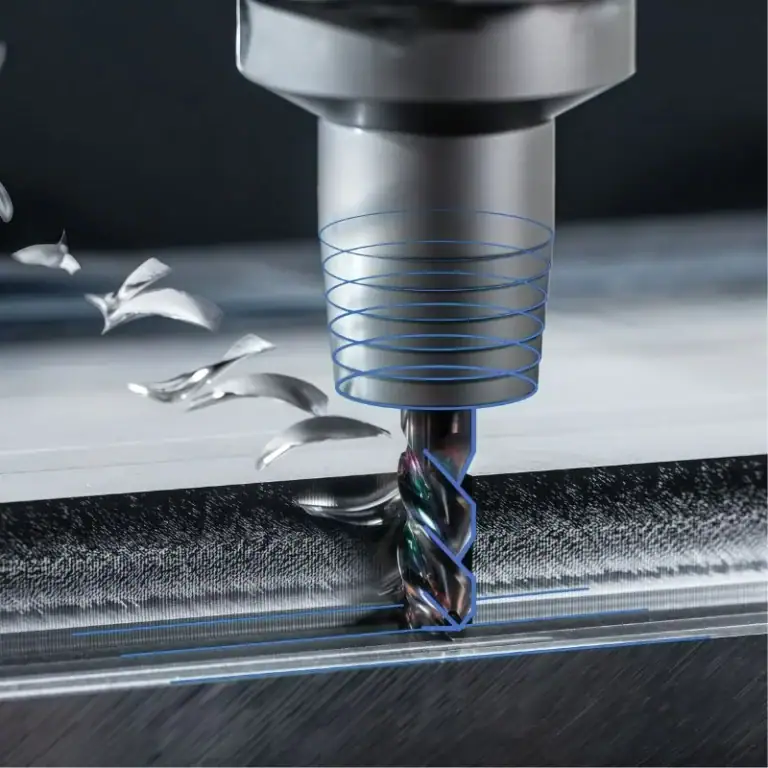
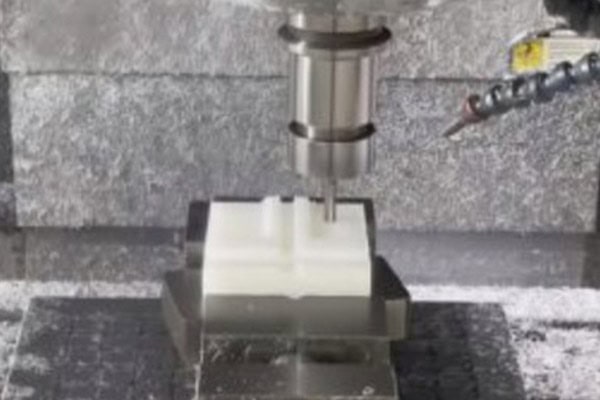
In the CNC machining process, the trajectory of the cutting tool directly impacts overall machining efficiency. By utilizing CAM software to optimize tool paths, manufacturers can minimize “air cuts” (non-cutting movements) and redundant motions, thereby enhancing cutting continuity.
- Reduces tool idle time
- Enhances cutting continuity and stability
- Mitigates efficiency losses caused by abrupt stops and sharp turns
- Shortens the overall machining cycle for complex parts
Tool path optimization is a critical strategy for boosting CNC machining efficiency.
High-Speed Spindles Boost Cutting Performance
High-performance spindle systems increase machining output per unit of time.
The primary functions of the spindle system in machining:
High-speed spindles enable faster tool rotation speeds, allowing the equipment to complete a greater volume of cutting tasks within a shorter timeframe. For easily machinable materials—such as aluminum alloys—the advantages of high-speed cutting are particularly pronounced. Moreover, this capability accelerates the processing pace and improves the surface finish of parts featuring complex geometries.
- Increases material removal rates
- Reduces the machining time per individual part
- Accelerates the processing of complex structures
- Reduces energy consumption associated with prolonged low-speed machining
- Enhances overall machining continuity and stability
A stable spindle system serves as the essential foundation for high-speed machining.
Automatic Tool Changers Minimize Downtime
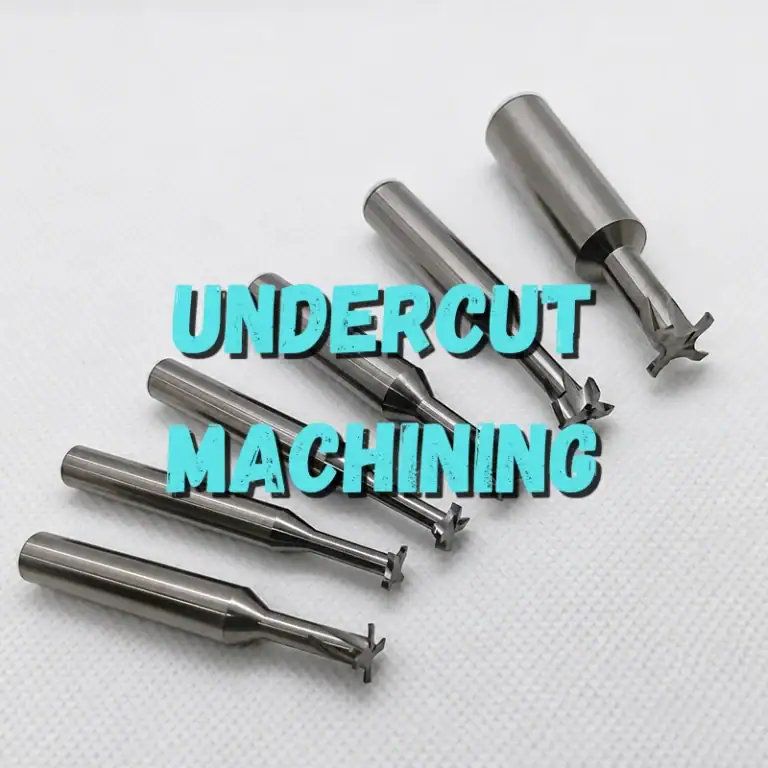
Automatic tool-changing capabilities enhance the efficiency of multi-step machining operations. Modern CNC equipment is typically outfitted with automatic tool-changing systems, enabling rapid tool switching between different machining steps. This reduces manual intervention time and enhances continuous machining capabilities. In the processing of complex parts—where various operations often require the coordinated use of multiple tools—automatic tool changers can execute switches swiftly in accordance with programmed instructions, thereby eliminating prolonged downtime spent waiting. Furthermore, this automated approach to tool changing minimizes human operational errors, boosts machining stability and batch production efficiency, and ensures the equipment maintains a consistent production pace during extended periods of operation.
Automatic tool-changing systems enhance the stability of batch production.
Effective Tool Management Enhances Machining Stability
The condition of cutting tools directly impacts both machining efficiency and quality outcomes.
High-quality tools maintain consistent cutting performance, while effective tool-life management helps mitigate issues such as sudden downtime and machining errors.
- Enhances cutting stability
- Reduces efficiency declines caused by tool wear
- Lowers rework rates and scrap rates
- Improves reliability during prolonged machining operations
Scientific tool management effectively sustains a steady production rhythm.
Cooling Systems Optimize the Machining Environment
Consistent cooling enhances the equipment’s capacity for continuous machining.
Key functions of cooling systems in machining:
The cooling system effectively reduces the temperatures of both the tool and workpiece, minimizing thermal deformation and tool wear. Additionally, an optimal cooling environment enhances chip removal efficiency and improves the equipment’s stability during prolonged continuous machining.
- Reduces temperatures within the cutting zone
- Extends tool service life
- Enhances stability during high-speed machining
- Improves chip evacuation and machining continuity
- Minimizes dimensional errors caused by thermal deformation
An optimal cooling environment boosts long-term machining efficiency.
Multi-Axis Machining Reduces Process Transitions
Multi-axis CNC equipment significantly boosts the efficiency of complex part machining.
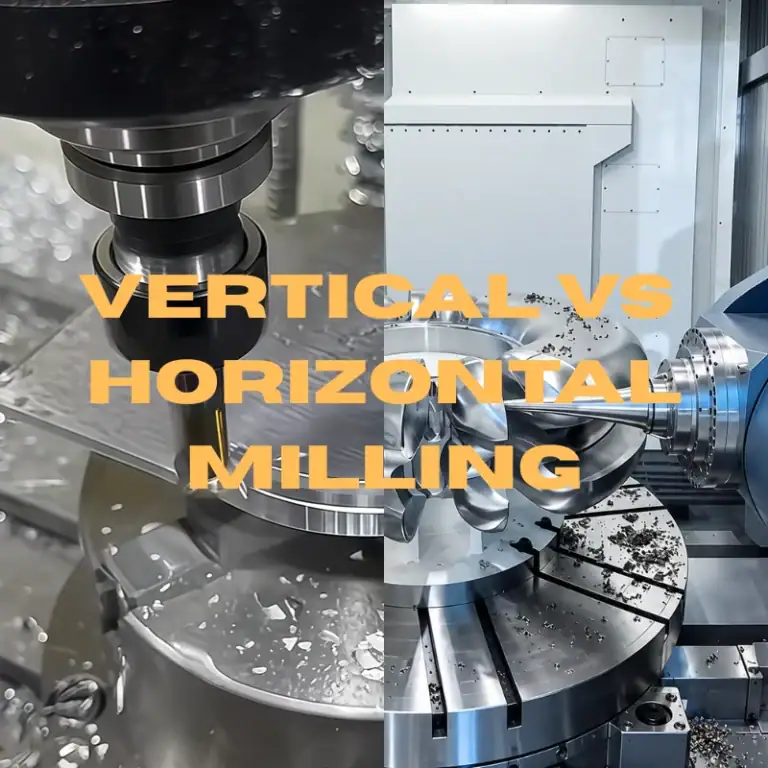
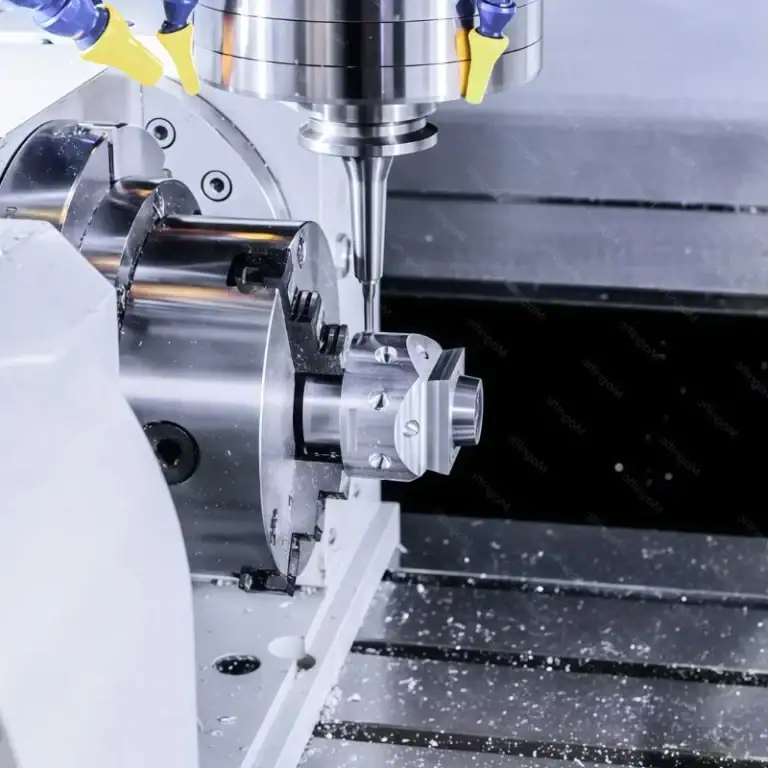
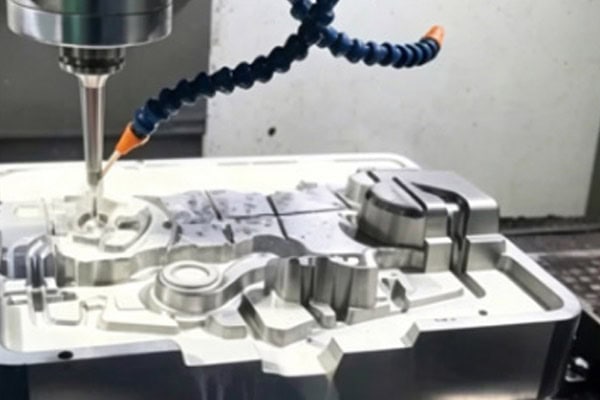
Compared to traditional methods requiring multiple setups and reclamping, multi-axis simultaneous machining allows for cutting operations across multiple angles and surfaces within a single clamping setup. This effectively reduces the time required for process transitions and minimizes errors associated with repetitive repositioning.
Key Advantages of Multi-Axis Machining in Production:
For parts featuring complex contoured surfaces, irregular geometries, or high-precision requirements, multi-axis machining not only accelerates production but also further enhances overall machining quality and dimensional consistency.
- Reduces time spent on repetitive fixturing and repositioning, thereby accelerating the overall production pace.
- Minimizes the need for manual adjustments, reducing the impact of human error on machining results.
- Enhances the capability for continuous machining of complex curved surfaces and irregular geometries.
- Shortens the overall machining cycle for multi-step parts.
- Improves machined surface quality and dimensional consistency.
- Minimizes positional deviations that may arise during multiple fixturing operations.
- Enhances production stability for complex parts in batch manufacturing.
- Particularly well-suited for machining components in the aerospace, automotive, and precision equipment sectors.
Multi-axis simultaneous machining technology is driving the evolution of complex manufacturing toward greater efficiency.
Standardized Processes Enhance Batch Production Capabilities
Standardized machining workflows consistently boost production efficiency.
- Standardized Machining Programs: Reduces variations in execution among different operators, thereby improving product consistency.
- Standardized Tooling Configurations: Increases equipment changeover efficiency and minimizes time spent on repetitive setup and calibration.
- Standardized Cutting Parameters: Maintains stable cutting conditions, reducing dimensional errors and fluctuations in surface quality.
- Standardized Inspection Criteria: Enhances product quality stability and minimizes issues related to rework and scrap.
- Optimized Production Workflows: Reduces waiting times between operations and accelerates the overall machining pace.
- Enhanced Replicability: Ideal for the long-term, stable, and high-volume production of parts.
- Reduced Training Costs: Simplifies operational procedures, enabling new employees to become proficient more quickly.
- Improved Production Management Efficiency: Facilitates the establishment of a more standardized and automated manufacturing system within the factory.
A standardized production system is instrumental in achieving highly efficient and stable manufacturing operations.
Conclusion
In the modern manufacturing industry, CNC milling not only offers high-precision machining capabilities but also demonstrates distinct advantages in terms of boosting production efficiency. Through automated control, high-speed cutting, multi-axis simultaneous machining, and intelligent process optimization, enterprises can significantly shorten production cycles while simultaneously ensuring product quality. Compared to traditional machining methods, CNC milling is far better suited to the demands of complex geometries and batch production, and has therefore emerged as a critical technological pillar of modern industrial manufacturing.