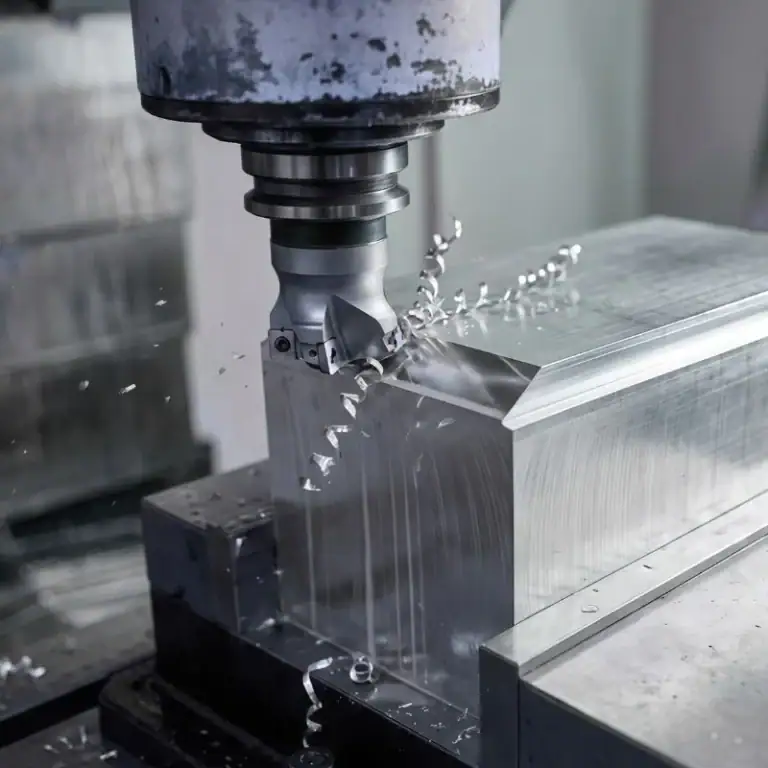
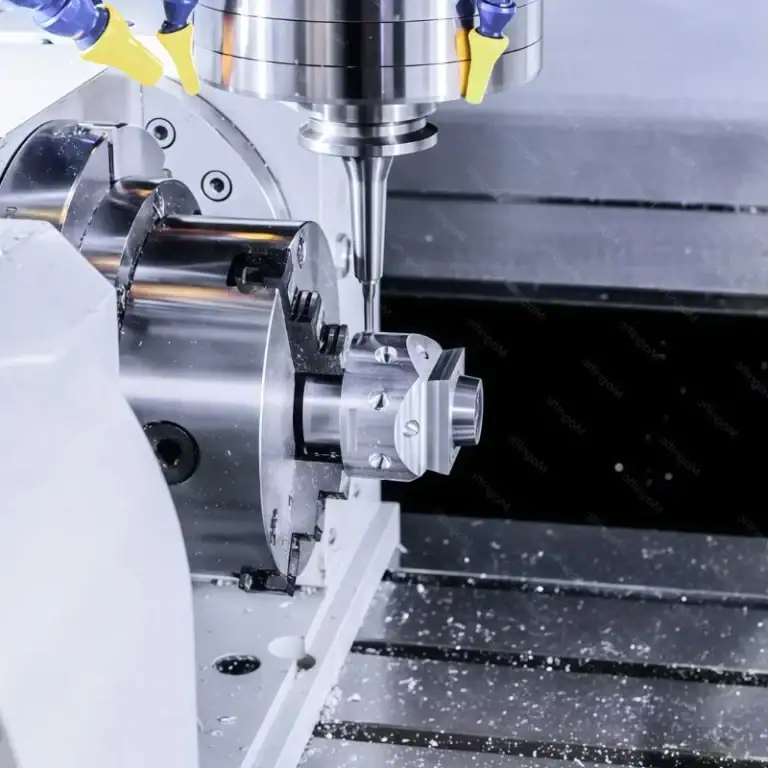
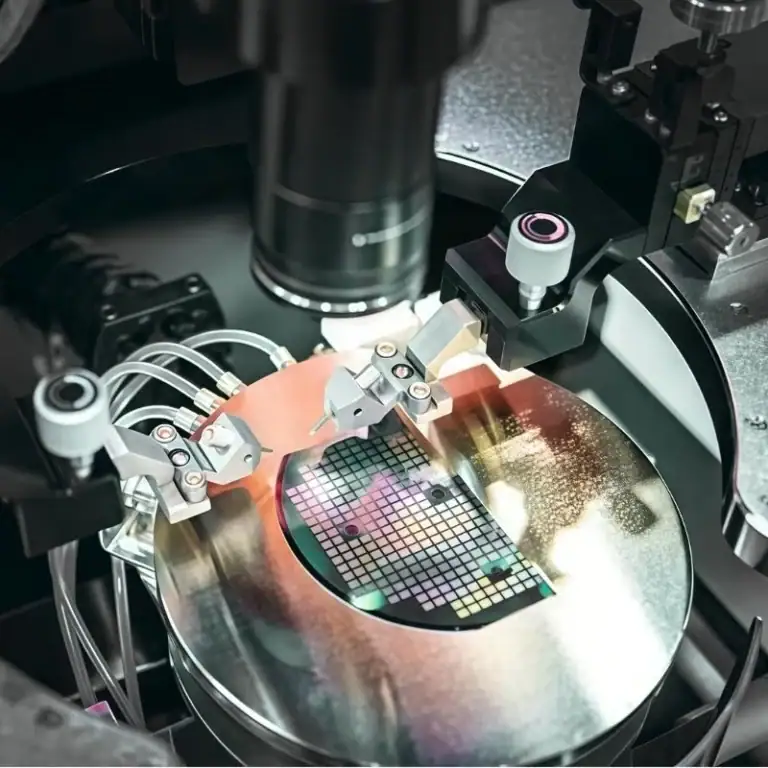
With the continuous advancement of high-end manufacturing, precision machining has become a core process that directly affects product performance and quality. Whether in aerospace, medical devices, automotive components, or precision molds, increasing demands for accuracy are driving wider adoption of advanced machining technologies. Precision machining is not a single process, but a complete system composed of multiple machining types. Each type is designed for different materials, structural complexities, and accuracy requirements. Understanding these categories helps companies choose the right process path in real production, improving both efficiency and competitiveness.
Cutting-Based Precision Machining
Cutting-based precision machining is the most widely used fundamental method. It removes material using cutting tools with high accuracy and is essential in modern manufacturing.
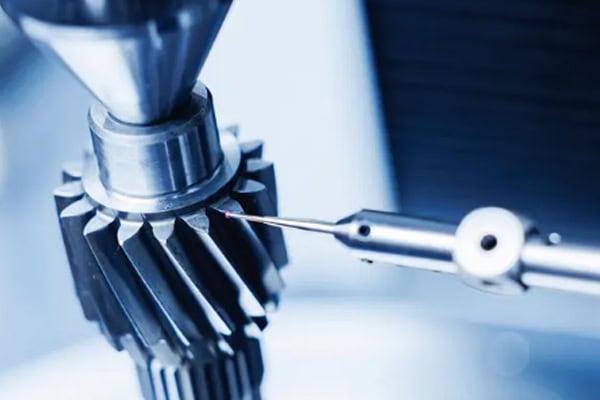
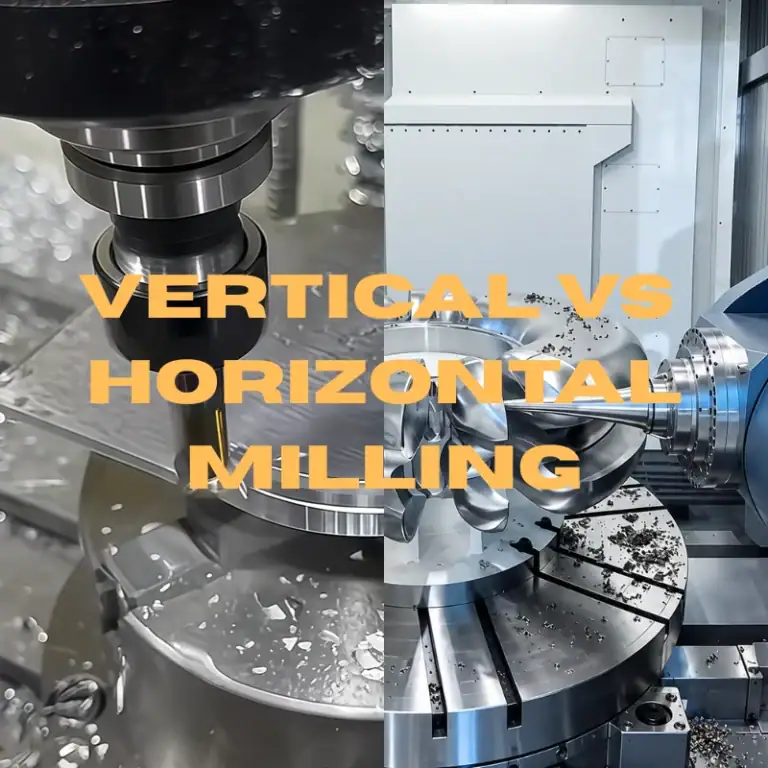
Turning and Milling Precision Machining
Turning and milling are the most common CNC cutting processes used in mechanical manufacturing.
- Turning is mainly used for shafts and cylindrical parts, ensuring high concentricity and roundness control
- Milling is suitable for flat surfaces, grooves, and complex 3D structures with high flexibility
- CNC control ensures stable batch production and consistent accuracy
CNC High-Precision Cutting Machining
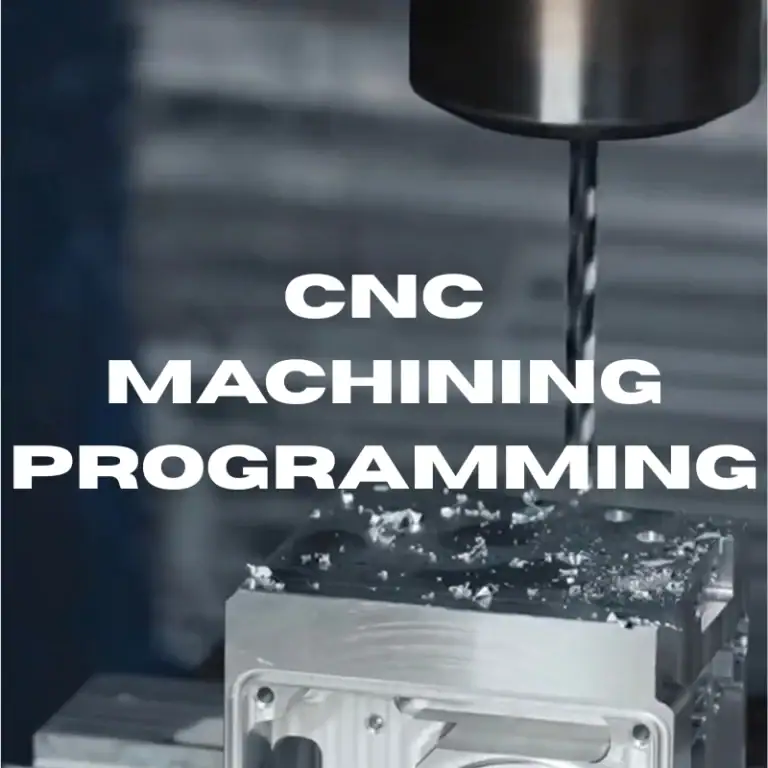
CNC cutting machining is a key foundation of modern precision manufacturing.
- Fully controlled by programmed instructions, reducing human error
- Capable of machining complex 3D structures in a single process
- Suitable for medium and high-precision mass production
- Offers high repeatability and stable machining performance
Grinding-Based Precision Machining
Grinding is typically used in the finishing stage and plays a critical role in achieving high surface quality and tight dimensional accuracy.
Surface and Cylindrical Grinding
These processes are widely used for high-precision fitting components.
- Surface grinding improves flatness and surface finish quality
- Cylindrical grinding is commonly used for shaft components in final finishing
- Achieves micron-level dimensional accuracy for precision assembly
- Widely applied in high-end machinery and mold manufacturing
Centerless and Form Grinding
These methods are ideal for high-volume production of precision parts.
- Centerless grinding is suitable for long and slender shaft components
- Form grinding enables high-precision complex profile machining
- High automation level ensures consistent mass production
- Strong dimensional stability and repeatability
Electrical Discharge Machining (EDM)
EDM is a non-contact machining method especially suitable for hard materials and complex geometries, making it an important complement to traditional cutting processes.
EDM (Electrical Discharge Machining)
EDM removes material through controlled electrical discharge erosion.
- Capable of machining hardened steel and hard alloys
- Ideal for complex mold cavities and intricate structures
- No cutting force required, suitable for delicate geometries
- Enables highly complex 3D shaping
Wire EDM (Wire Cutting)
Wire EDM uses a thin wire electrode to cut materials with high precision.
- High accuracy for complex 2D profiles
- Wide material compatibility, including hard materials
- Stable cutting process with minimal thermal deformation
- Commonly used in mold and precision part manufacturing
Advanced Special Precision Machining Technologies
With technological progress, several advanced methods have emerged to meet high-end manufacturing needs that traditional processes cannot handle.
Laser Precision Machining
Laser machining uses high-energy laser beams for cutting, engraving, or drilling materials.
- High processing speed, suitable for efficient production
- Small heat-affected zone reduces deformation
- Enables micro-structure and fine pattern machining
- Widely used in electronics and precision components
Ultrasonic Machining
Ultrasonic machining uses high-frequency vibration combined with abrasives to remove material.
- Suitable for brittle materials such as glass and ceramics
- No significant cutting force during processing
- Produces high-quality surface finishes
- Effective for materials difficult to machine using traditional methods
Hybrid Precision Machining Methods
To meet higher precision and more complex structural requirements, modern manufacturing often combines multiple processes.
CNC and Grinding Hybrid Machining
Combining rough and finishing processes improves both efficiency and accuracy.
- CNC machining for initial shaping followed by grinding finishing
- Improves surface quality and dimensional accuracy
- Reduces cumulative machining errors
- Suitable for high-precision mechanical parts
Multi-Process Integrated Machining
Multiple processes are integrated within one system or workflow.
- Reduces clamping times and positioning errors
- Improves consistency and efficiency
- Suitable for complex structural components
- Optimizes overall production flow
Precision machining includes cutting, grinding, electrical discharge machining, special processes, and hybrid methods. Each type has its own advantages and application scenarios. In real manufacturing, companies must select suitable processes based on material properties, structural complexity, and precision requirements to achieve optimal results. As high-end manufacturing continues to develop, precision machining technologies are becoming increasingly important. Choosing a partner with multi-process capability and stable quality control is essential. Tirapid provides professional precision machining solutions to help companies achieve higher quality and more efficient manufacturing upgrades.