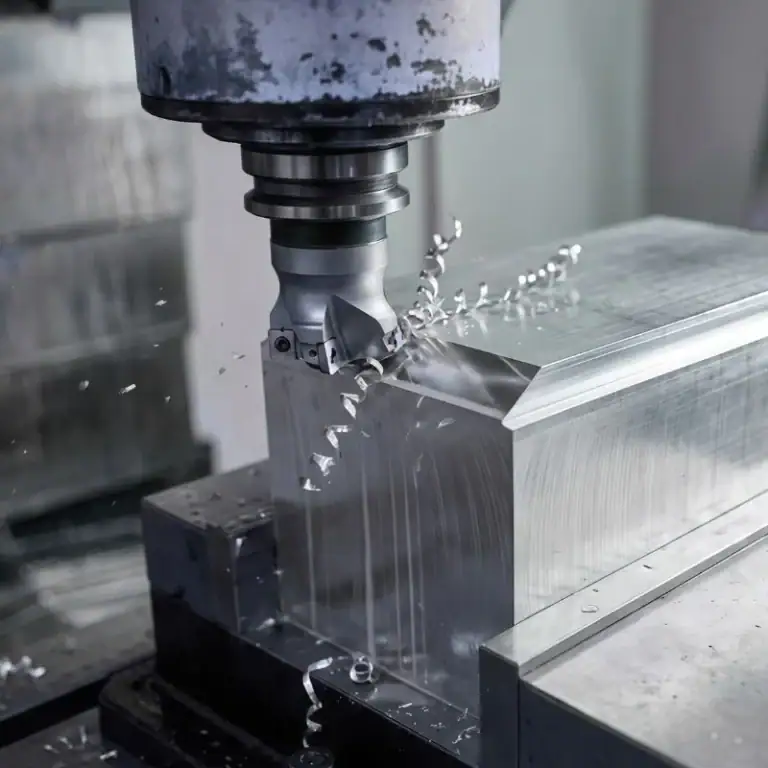
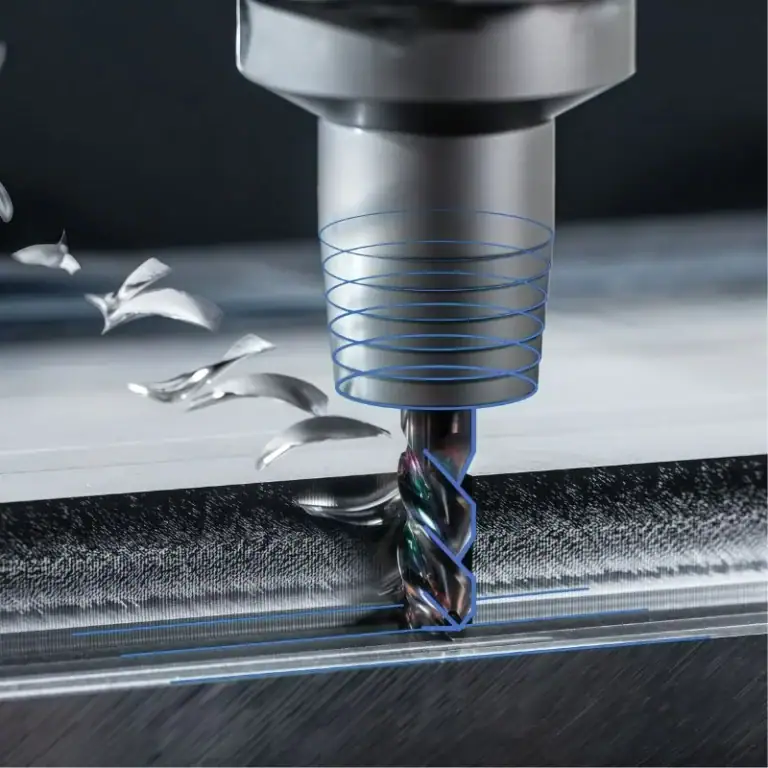
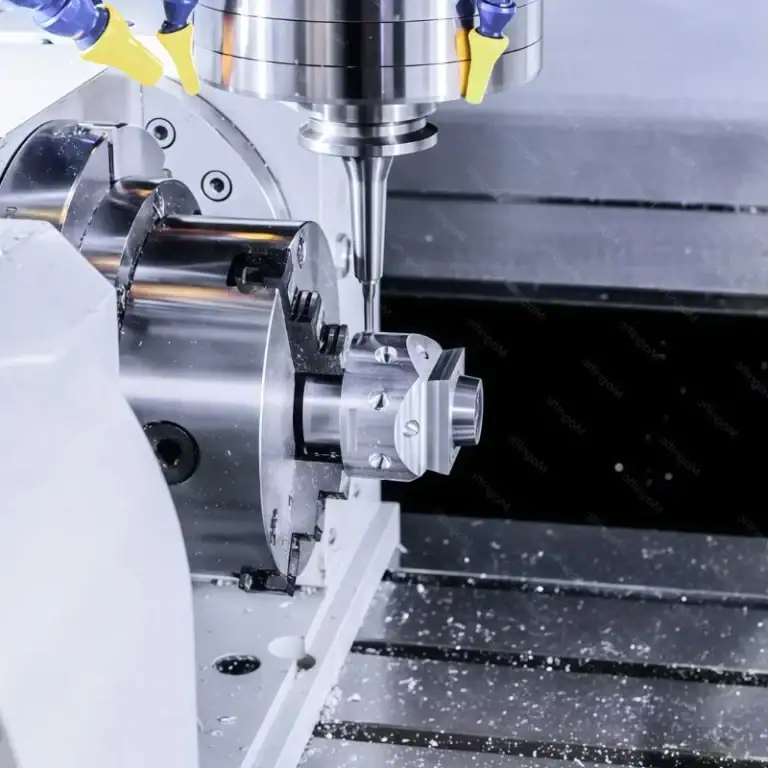
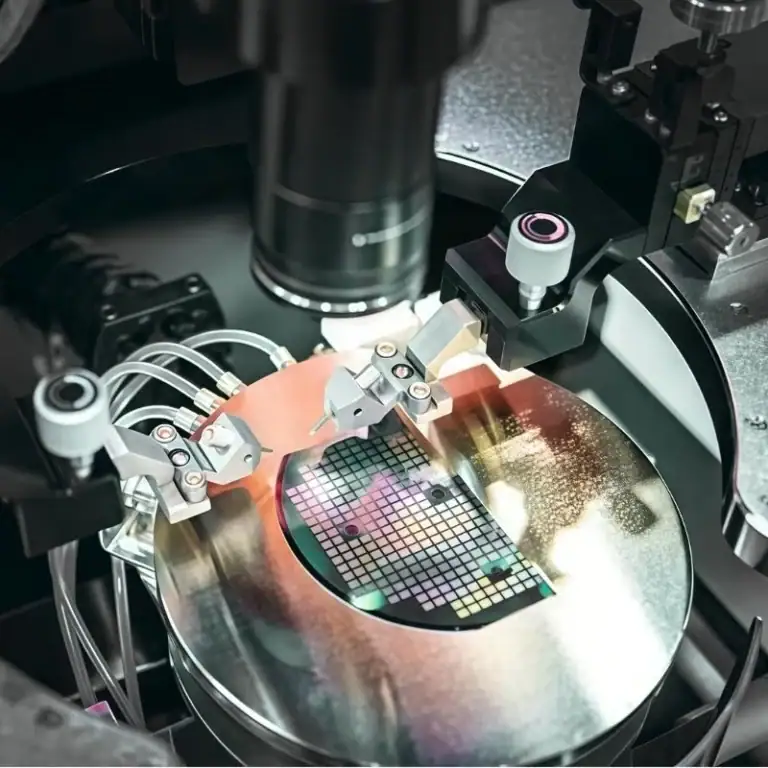
In the field of precision manufacturing, “precision” is one of the most crucial indicators for measuring machining capability. For CNC plastic machining, many customers are most concerned about: how precise can it be? Can it meet assembly requirements? Will there be any error accumulation? In fact, the precision of CNC plastic machining depends not only on the equipment itself but also on material properties, process flow, and operational control.
The True Meaning of CNC Plastic Machining Precision
What is Machining Precision?
CNC plastic machining precision generally refers to the deviation range between the dimensions of the machined part and the design drawings, including dimensional errors, geometric tolerances, and surface consistency. In practical industrial applications, precision is not a single value but a comprehensive control result. Typically, the precision range of ordinary CNC plastic machining is within ±0.1mm, while with high-precision equipment and good process control, it can stably reach ±0.02mm or even higher levels. However, it is important to note that this value is not a fixed standard but a dynamic result influenced by various factors.
The Unique Nature of Plastic Machining Precision
Unlike metals, plastics have a high coefficient of thermal expansion, low rigidity, and are easily deformable, making their machining precision more susceptible to environmental and process influences. For example, temperature changes can cause slight dimensional expansion, and uneven clamping forces can lead to springback deformation. Therefore, precision control in plastic machining is more complex than in metal machining.
Precision is Not Just About Equipment Capability
Many people mistakenly believe that precision is entirely determined by the machine tool. In reality, the final precision in CNC plastic machining is a comprehensive result of “equipment + process + material + operation.” Even with high-end equipment, ideal precision cannot be achieved if process control is inadequate.
How is Precision Achieved Step by Step?
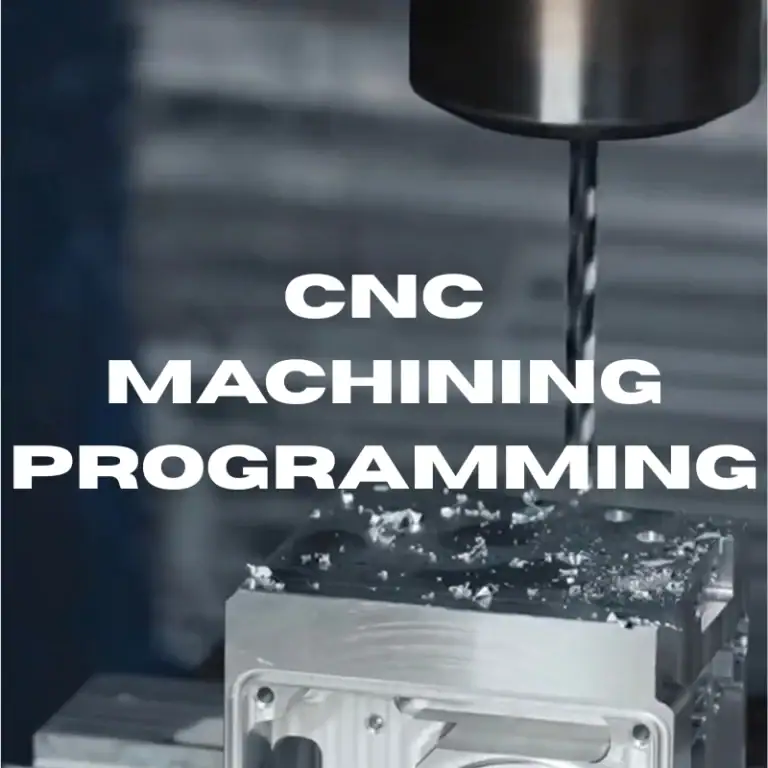
CNC Programming and Path Optimization
Before machining, engineers generate toolpaths using CAD/CAM software. This is the first step affecting precision. If the path design is unreasonable, such as having too many corners or an unscientific cutting sequence, vibration or stress concentration may occur during machining, affecting the final dimensions. Therefore, high-precision machining typically involves path optimization, such as reducing sudden stops and turns and using smooth transition paths.
Material Pretreatment and Stabilization
Plastic materials require stabilization treatment before processing, such as static stress release or drying. Internal stresses are released after processing, causing dimensional changes. Ignoring this step can lead to deviations in the final product, even with high processing precision.
Staged Processing Control
High-precision machining is typically not a one-step process but rather divided into three stages: roughing, semi-finishing, and finishing. Roughing removes most of the excess material, while finishing controls the final dimensions. By progressively approaching the target dimensions, errors caused by stress variations are effectively reduced, improving the stability of the final precision.
Online Inspection and Correction
In some high-precision machining processes, in-process inspection is used. Key dimensions are measured during processing, and fine-tuning is performed based on the results. This method effectively avoids cumulative errors, resulting in more stable final precision.
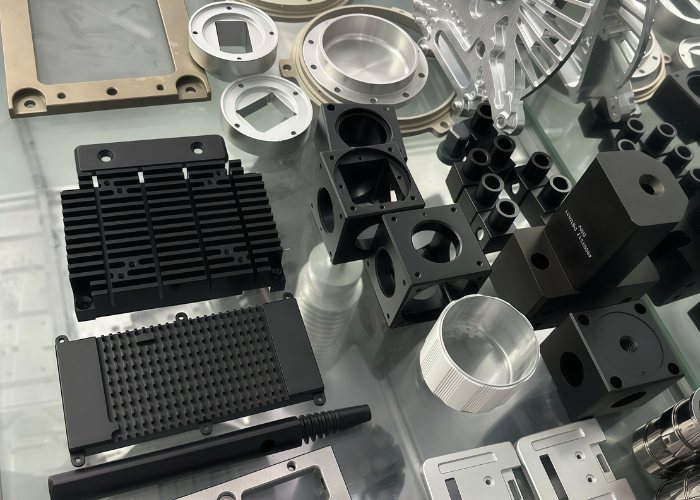
Key Factors Determining the Upper Limit of Precision
Direct Influence of Cutting Parameters on Precision
Cutting parameters, including spindle speed, feed rate, and depth of cut, directly affect machining stability. 1. High Spindle Speed and Runout Control: Excessive spindle speed can cause localized material expansion due to overheating; uneven feed can lead to vibration errors. Therefore, high-precision machining typically employs a “low depth of cut + stable feed + high repeatability path” approach.
Tool Condition and Runout Control
Tool sharpness and runout significantly impact precision. Tool wear increases cutting resistance, affecting dimensional consistency; spindle runout directly causes dimensional deviations. Therefore, high-precision machining usually uses high-precision toolholders and regularly replaces tools to ensure stability.
Importance of Temperature Control
Plastics are extremely sensitive to temperature; thermal expansion and contraction directly affect machining accuracy. Significant temperature fluctuations in the workshop can cause deviations in the final product, even if dimensions are accurate during machining. Therefore, high-precision machining is typically performed in a constant-temperature environment.
Jig Design and Stress Relief
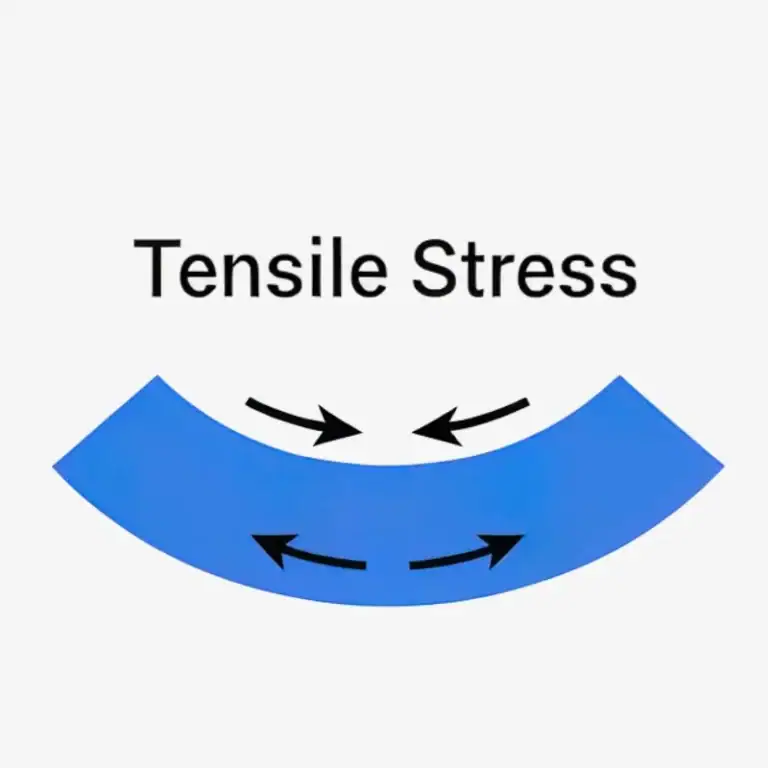
Inadequate fixture design is a major source of precision deviations. Excessive clamping force can cause springback after machining; uneven support can lead to deformation. Therefore, high-precision machining typically employs uniformly distributed clamping or vacuum adsorption methods to reduce the impact of stress.

The Influence of Different Materials on Precision
High-Stability Materials Easier to Achieve High Precision
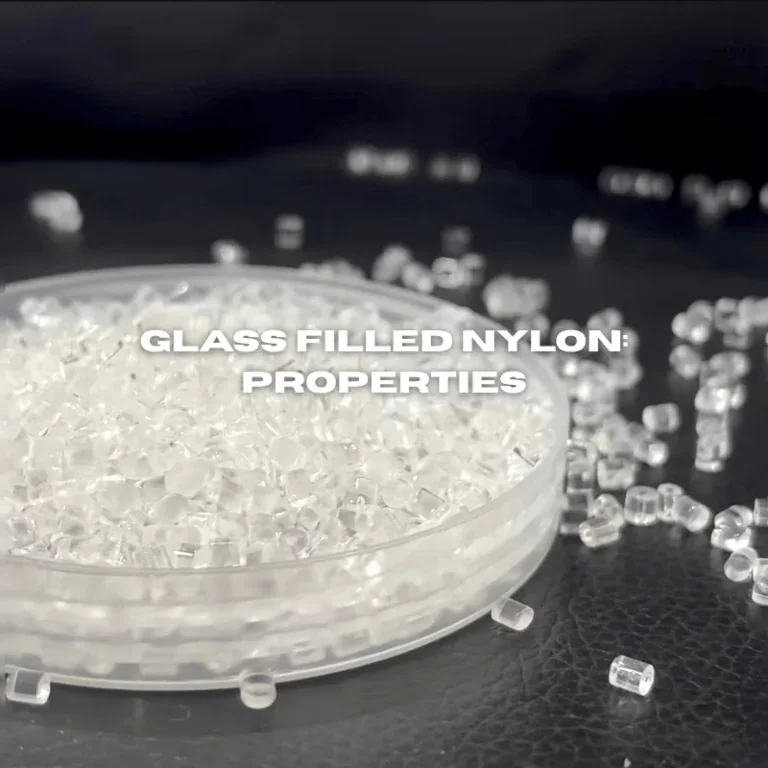
Engineering plastics such as POM and PEEK have low moisture absorption and good dimensional stability, making them ideal for high-precision machining. They exhibit minimal deformation and springback during processing, thus achieving accuracy levels of ±0.02mm more easily.
Precision Performance of General-Purpose Materials
ABS and PC are common processing materials. While they can achieve high precision, they are significantly affected by temperature and stress, requiring stricter process control. Under favorable conditions, they can be stably controlled at around ±0.05mm.
Precision Limitations of Easily Deformable Materials
Materials such as PMMA (acrylic) and PVC are highly sensitive to heat and stress, easily undergoing micro-deformation during processing. Therefore, their precision is usually limited, with ±0.1mm being more realistic.
Core Principles of Material Selection
In high-precision machining, material selection should prioritize “dimensional stability > processing performance > cost.” Higher material stability leads to a higher upper limit of precision and lower process control difficulty.
Can the precision of CNC plastic machining truly be maintained stably?
Many customers worry that while samples may be precise, the precision might decrease after mass production. In reality, as long as the process system is stable, the equipment is in good condition, and the material batches are consistent, the precision of CNC plastic machining can remain stable over a long period. However, it’s important to note that plastics are significantly affected by temperature and stress, so slight fluctuations may occur under different environmental conditions, which is normal in the industry. These fluctuations can be effectively controlled through constant temperature machining environments, standardized processes, and rigorous testing, keeping the precision within a stable range.
Conclusion
the precision of CNC plastic machining is not a fixed value, but rather a “controllable range.” Under normal machining conditions, a precision of around ±0.1mm can generally be achieved. With higher equipment precision and better process control, a high precision level of ±0.05mm or even ±0.02mm can be stably achieved. However, the real factor affecting precision is not just the machine tool itself, but the entire machining system, including material selection, cutting parameters, fixture design, and environmental control. The inherent properties of plastic materials make them more susceptible to temperature and stress than metals. Therefore, achieving high-precision machining requires meticulous control at every stage. Only when equipment, processes, and materials are coordinated can the precision advantages of CNC machining be truly realized.