CNC plastic machining is a very common method in product development and parts manufacturing, especially suitable for small-batch, multi-variety, and structurally complex parts production. However, many companies encounter a real problem: why do different machining solutions for the same drawings have such different costs? Even within the same factory, different designs can lead to significant price differences. In fact, the cost of CNC plastic machining is influenced by the design structure, machining process, material selection, and production efficiency. Focusing only on “high unit price” often makes it difficult to truly reduce overall costs, and may even lead to further increases in total costs due to repeated modifications or rework. To effectively control CNC plastic machining costs, the key is to optimize from the source, rather than passively adjusting during the machining stage. This includes designing more reasonable structures, reducing machining time, improving material utilization, and selecting more suitable plastic materials, all of which directly affect the final cost level.
What exactly constitutes the cost of CNC plastic machining?
Basic Cost Components
The cost of CNC plastic machining is not a single processing fee, but rather consists of multiple components, including material costs, equipment processing time, labor costs, tool wear, and inspection and post-processing costs. Among these, the core factors that truly influence the final quote are usually “processing time” and “process complexity,” rather than simply the material price.
Why Plastic Machining Costs Fluctuate Easily
Compared to metal machining, plastic machining costs fluctuate more significantly, mainly due to the large differences in material properties, unstable processing parameters, and the high difficulty in deformation control. For example, some plastics require multiple layer-by-layer machining to ensure accuracy, which directly increases machine tool occupancy time, thereby increasing costs.
The Essence of Cost Optimization
The core of reducing CNC plastic machining costs is not “lowering the unit price,” but rather reducing ineffective processing time, reducing rework rates, and improving material utilization.
How to Reduce Waste and Costs Through Process Management?
Optimizing Structure in the Design Phase to Reduce Machining Difficulty
In cost control, the design phase is the most critical step. If the structural design is too complex, such as deep cavities, slender structures, or numerous internal angles, it will increase toolpath complexity and machining time. Therefore, standardized structures should be adopted as much as possible during the design phase to reduce unnecessary complex features, which can significantly reduce processing time.
Improve Equipment Utilization through Optimized Production Scheduling
In production, the cost of CNC equipment is mainly reflected in “uptime.” If production scheduling is unreasonable, frequent idling or waiting for material changes will increase hidden costs. By rationally arranging the processing sequence of different orders, equipment utilization can be improved, thereby reducing unit costs.
Reduce Repetitive Clamping and Adjustment Time
Each clamping and adjustment consumes time and labor costs. If a product requires multiple clamping operations, not only will efficiency decrease, but the risk of errors may also increase. Therefore, optimizing the process to minimize the number of clamping operations is one of the important ways to reduce costs.
Improve First-Pass Rate and Reduce Rework
Rework is the biggest “hidden killer” of costs. If dimensional deviations or deformations occur during processing, reprocessing or even scrapping is required. Through early process optimization and process control, the first-pass rate can be effectively improved, fundamentally reducing overall costs.
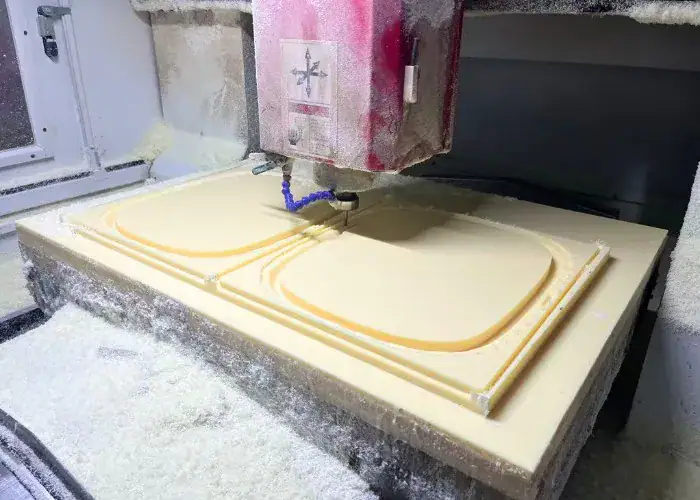
Process Steps Determining “Hidden Costs”
Optimize Cutting Paths to Reduce Ineffective Time
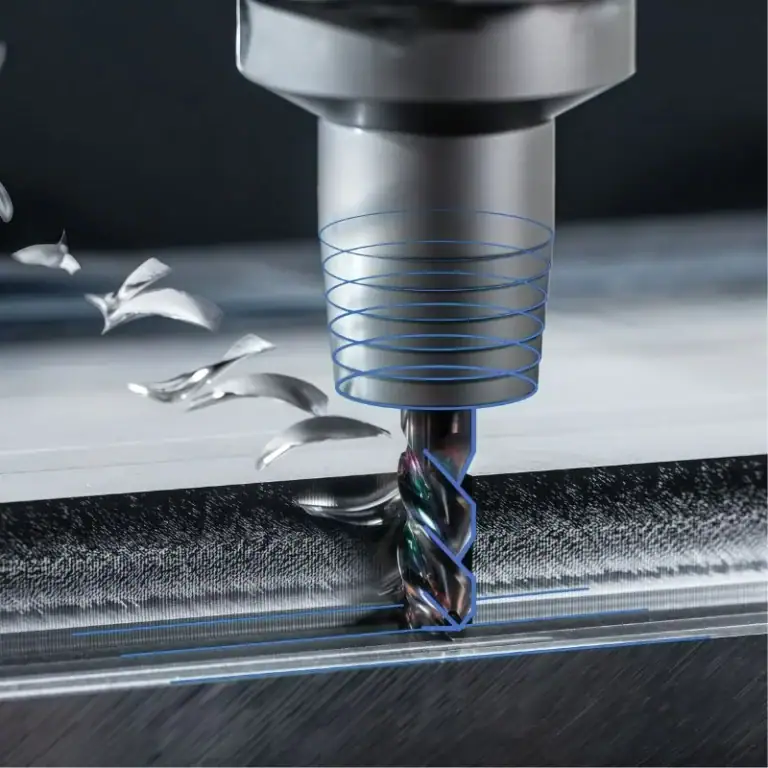
Toolpath design directly impacts machining time. Inadequate path planning leads to excessive idle tool movement or repetitive cutting, wasting machine time. Optimizing the toolpath, such as using sequential machining and reducing sharp turns, significantly improves efficiency.
Select Appropriate Cutting Parameters to Improve Efficiency
Overly conservative cutting parameter settings result in excessively long machining times, while overly aggressive settings can damage materials. Therefore, feed rate and cutting efficiency should be maximized within safe limits to shorten the machining cycle while maintaining quality.
Manage Tool Life to Reduce Consumable Costs
Tools are a continuous cost. Improper tool use or frequent tool replacements increase costs. Properly controlling cutting load and regularly maintaining tools extends their lifespan, reducing unit cost.
Reduce Fixture Complexity to Lower Preparation Costs
More complex fixture designs increase manufacturing and adjustment costs. While meeting accuracy requirements, standardized or universal fixture solutions should be used as much as possible to reduce non-machining time costs.
How to Control Costs from the Source?
Prioritize Easily Machinable Materials to Reduce Processing Time
Machinability directly impacts cost. For example, materials like POM and ABS have good machinability and high processing efficiency, significantly reducing processing time and overall cost. Conversely, difficult-to-process materials require slower processing speeds and more steps, naturally increasing costs.
Avoid Overuse of High-Cost Materials
High-performance materials like PEEK, while superior in performance, are expensive and difficult to process. If the product doesn’t require extreme performance, choosing a moderately performing alternative can significantly reduce material and processing costs.
Reduce Material Waste and Improve Utilization
Low material utilization during the layout and design phase leads to significant waste. Proper layout and nesting design maximize the use of sheet or bar stock, reducing unit cost.
Material Selection and Process Matching Principle
Material selection must consider not only performance but also processing efficiency. If a material is too sensitive or difficult to process, even a low unit price can lead to increased total cost due to increased processing time. Therefore, materials and processes must be matched.
Why does cost optimization sometimes fail to significantly reduce the unit price?
Many customers find that even after cost optimization, the price per unit doesn’t decrease significantly. This is because a portion of CNC machining costs are fixed, such as equipment depreciation, labor, and basic processing time; these costs won’t be substantially reduced by optimization. What can truly be optimized is processing efficiency and material waste, not eliminating costs entirely. Therefore, the core of cost optimization is improving overall efficiency and stability, not simply lowering the unit price.
Conclusion
Reducing CNC plastic machining costs isn’t simply about “finding a cheaper machining plant.” From reducing complex structures in the design phase to improving efficiency in the machining process and minimizing waste in technical details, every step impacts the final cost. Material selection is also crucial; choosing the right materials can reduce processing time, increase yield, and indirectly lower costs. True cost control isn’t about cutting corners in a single step, but about making the entire machining process more efficient and streamlined. If the design is reasonable, the process is stable, and the materials are properly matched, then processing costs will naturally decrease, and quality will be easier to maintain consistently.