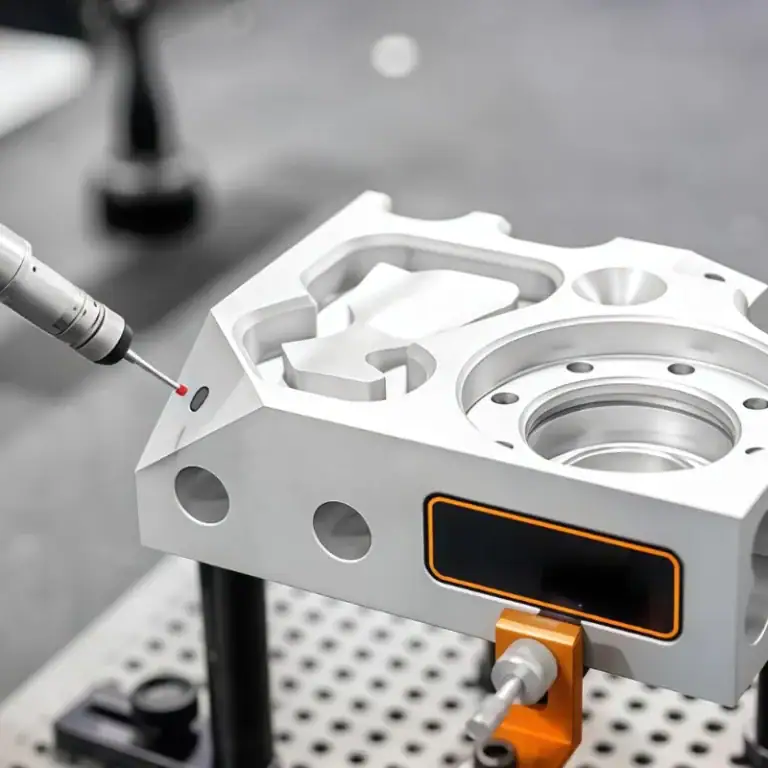
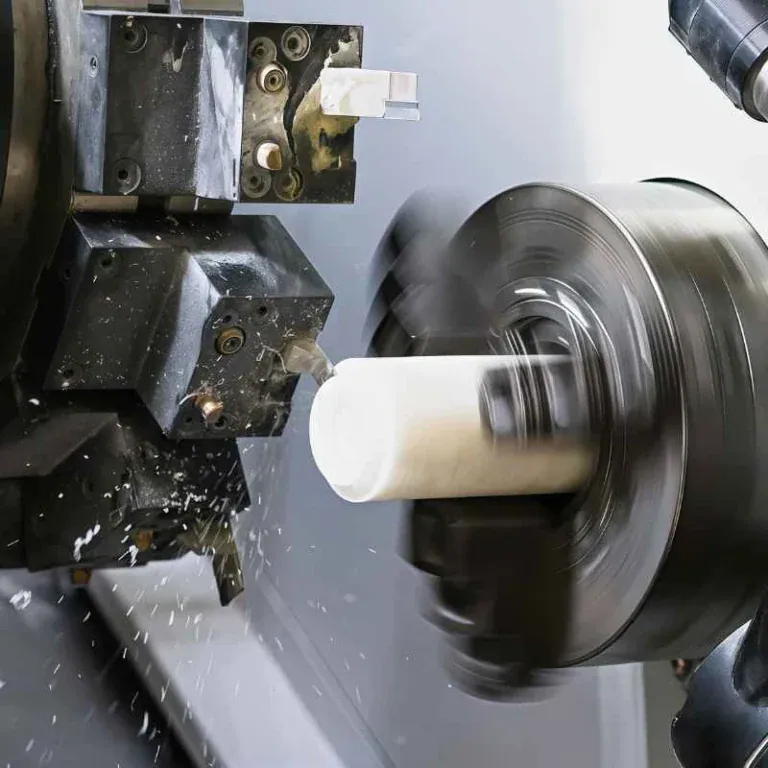
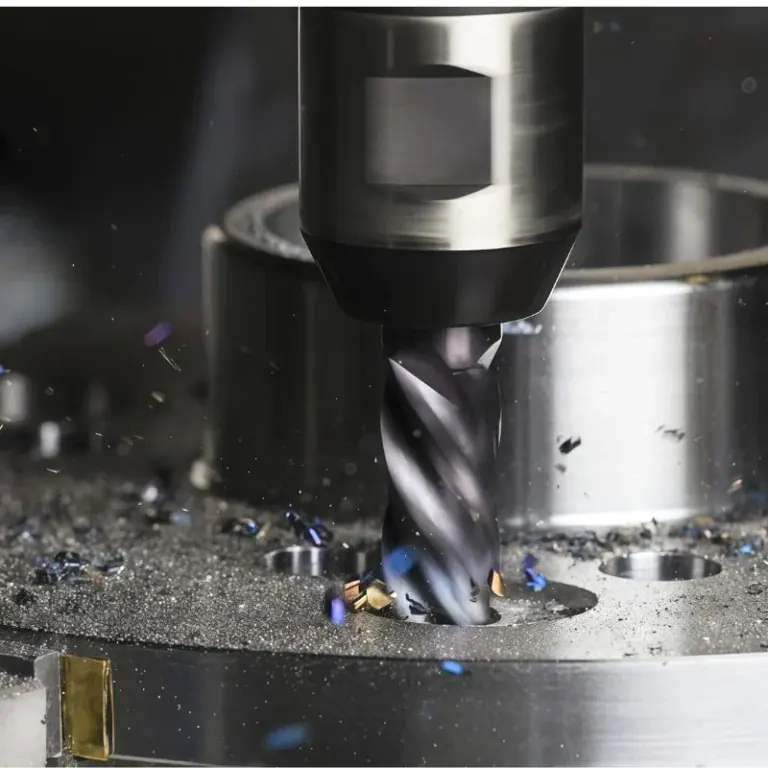
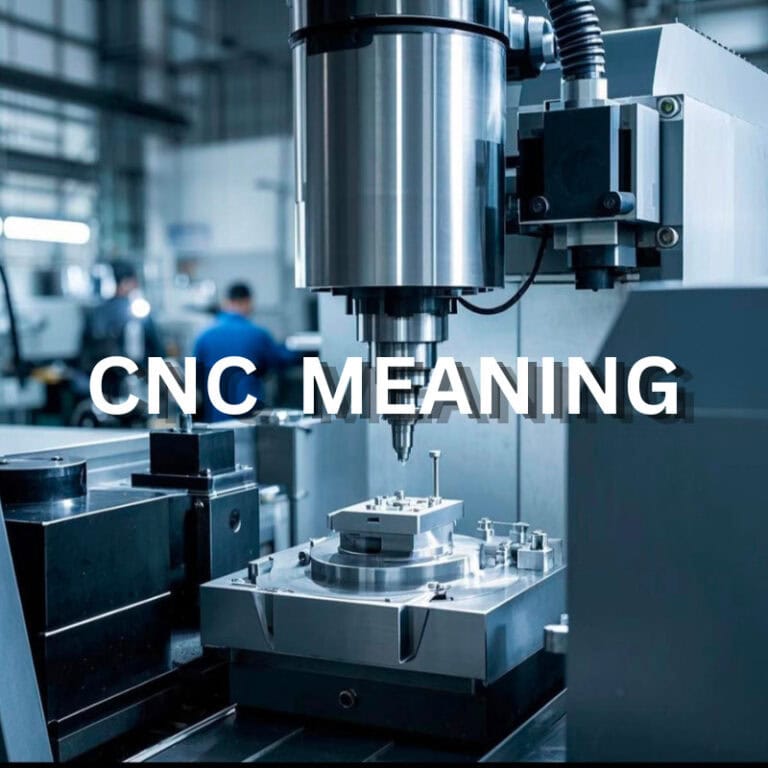
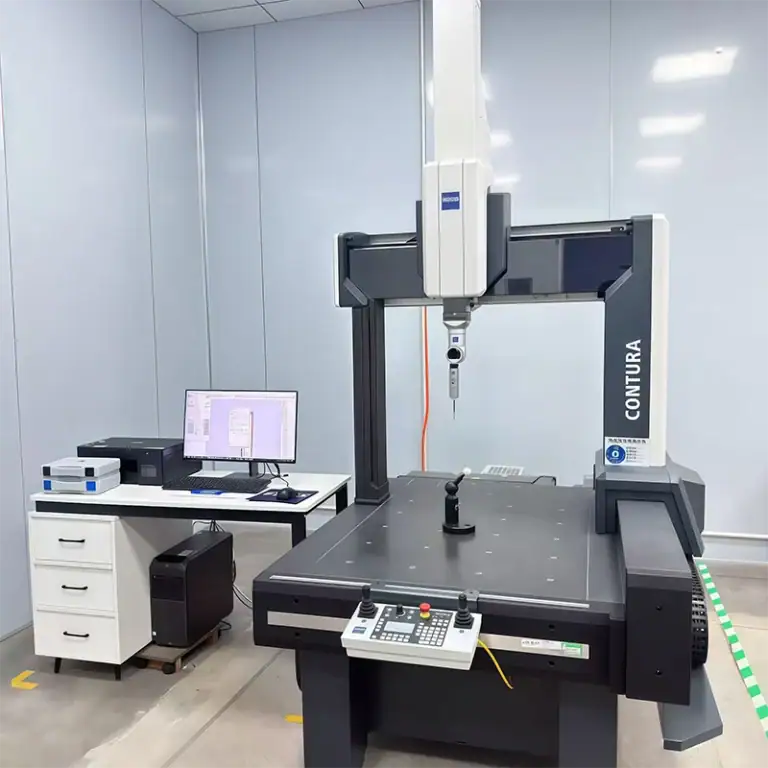
In modern manufacturing, complex parts are widely used in industries such as aerospace, medical devices, automotive, and electronics. These components often feature intricate geometries and stringent precision requirements. During machining, they can be affected by factors such as vibration, thermal deformation, tool wear, and fixturing errors, which may lead to dimensional deviations. How to ensure the precision of complex parts through CNC milling has become a key concern for many manufacturers. By selecting suitable equipment, optimizing machining processes, and strengthening quality control, it is possible to significantly improve the accuracy and stability of complex part production.
Selecting High-Precision Equipment to Build a Strong Machining Foundation
For complex parts, machining accuracy depends not only on operator experience and process expertise but also on the performance of the equipment itself.
High-Rigidity Machine Tools Reduce Machining Vibration
Complex parts often generate substantial cutting loads during machining, making machine rigidity particularly important. For deep cavities, thin-wall structures, and intricate contours, insufficient machine rigidity can easily cause vibration, affecting dimensional accuracy and surface quality. Therefore, selecting a high-rigidity machine tool is one of the fundamental requirements for ensuring stable machining performance. The key benefits of a high-rigidity structure include:
- Reducing the impact of cutting vibration on machining accuracy, allowing the tool to maintain a more stable cutting condition and minimizing dimensional errors and surface defects.
- Improving the stability of complex contour machining, ensuring consistent performance even when processing continuously changing surfaces and intricate geometries.
- Minimizing dimensional deviations in deep-cavity machining and preventing critical dimensions from exceeding tolerance limits due to vibration and deformation.
By enhancing the overall rigidity of the equipment, machine tools can better withstand variations in cutting forces, resulting in a smoother and more reliable machining process that supports higher precision for complex parts.
High-Precision Spindles Improve Dimensional Control
As one of the core components of CNC milling equipment, spindle accuracy directly affects tool movement and final machining results. In high-precision hole machining, complex surface processing, and precision contouring, spindle performance often determines whether a part can meet design specifications. The advantages of superior spindle performance include:
- Improving hole position and contour accuracy, enabling critical dimensions to closely match design requirements and meet precision assembly standards.
- Reducing errors caused by spindle runout, minimizing dimensional fluctuations and contour deviations during machining.
- Enhancing the surface quality of complex geometries, producing smoother and more uniform finishes while reducing post-processing requirements.
- Maintaining stability during long machining cycles, ensuring consistent quality even in high-volume production.
A high-performance spindle not only improves dimensional control but also ensures stable operation during extended machining periods, enhancing consistency and yield rates for complex parts.
Advanced CNC Systems Ensure Motion Accuracy
With the advancement of manufacturing technology, modern CNC systems have evolved beyond simple program execution. They now play critical roles in motion control, error compensation, and machining optimization. For complex part machining, advanced control systems can significantly improve overall accuracy. Their key benefits include:
- Improving positioning accuracy and repeatability, allowing the machine to consistently reach target positions with long-term stability.
- Optimizing complex toolpath execution, resulting in smoother surface and contour machining while reducing trajectory errors.
- Enabling high-speed, high-precision coordinated motion control, balancing productivity with dimensional accuracy and surface finish requirements.
An advanced CNC system ensures that every machining command is executed accurately, enabling smoother and more stable tool movements while minimizing machining errors.
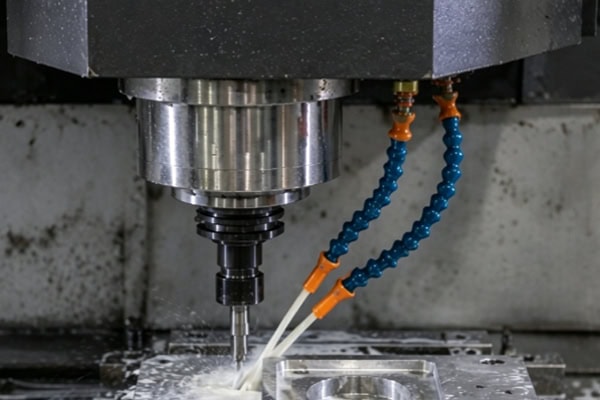
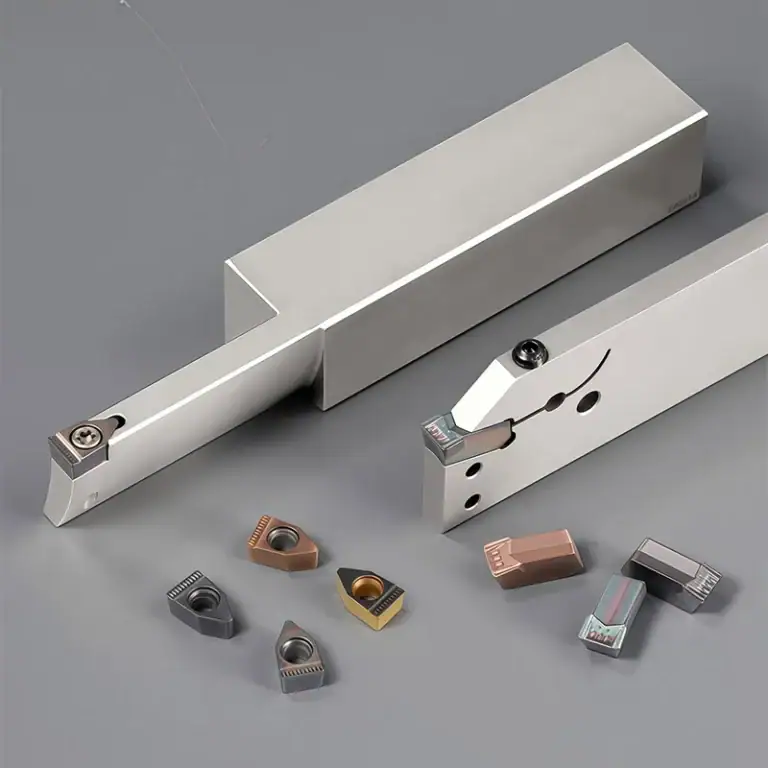
Optimizing Tooling Solutions to Improve Complex Structure Machining
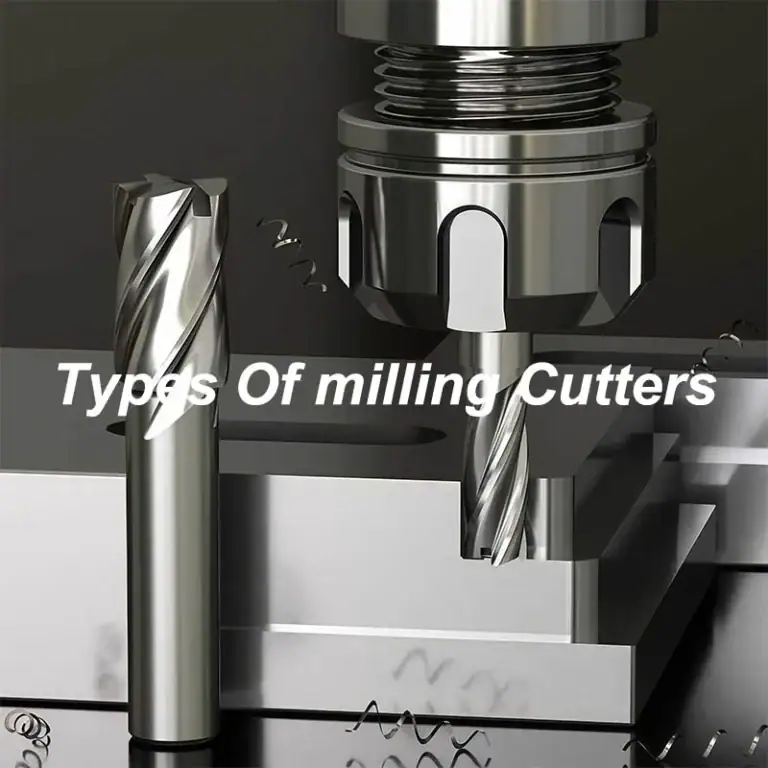
During the machining of complex parts, cutting tools are responsible not only for material removal but also for influencing cutting stability, machining efficiency, and final accuracy.
Selecting the Right Tool Based on Material Characteristics
Different materials have varying hardness, toughness, and thermal conductivity, resulting in different tooling requirements. Improper tool selection can negatively affect machining efficiency and lead to dimensional inaccuracies and surface defects. The importance of proper tool matching includes:
- Improving cutting efficiency by enabling more effective material removal and increasing overall productivity.
- Reducing tool wear rates, minimizing downtime and costs associated with frequent tool replacement.
- Enhancing machining stability by ensuring compatibility between the tool and workpiece material, reducing abnormal cutting conditions.
Selecting the appropriate tool according to material characteristics helps achieve smoother cutting operations while improving machining quality and tool life.
Prioritizing the Use of Shorter Tools
Tool length directly affects rigidity during complex part machining. The longer the tool overhang, the greater the likelihood of vibration and deflection. Therefore, shorter tools should be used whenever possible while still meeting machining requirements. The advantages of minimizing tool overhang include:
- Reducing the risk of chatter and maintaining stable cutting conditions during high-speed machining.
- Improving dimensional accuracy in deep-cavity machining by minimizing tool deflection.
- Enhancing surface quality by reducing tool marks and vibration-related defects.
- Increasing cutting stability, allowing more efficient machining of complex structures.
Proper control of tool length improves cutting rigidity and reduces machining errors, resulting in more reliable and consistent outcomes.
Maintaining Stable Tool Conditions
Tool condition changes over time, and tool wear is one of the major factors affecting the precision of complex parts. Establishing a comprehensive tool management system is therefore essential for maintaining product quality. The primary benefits of tool management include:
- Reducing dimensional variation by preventing gradual deviations caused by worn tools.
- Minimizing burrs and surface defects, improving both appearance and functional performance.
- Enhancing consistency in batch production, ensuring stable quality across different production runs.
Regular inspection and timely replacement of tools help prevent quality deterioration caused by excessive wear and maintain long-term process stability.
Planning Machining Processes Properly to Reduce Error Accumulation
Complex parts often involve multiple machining surfaces, numerous operations, and strict dimensional relationships. Therefore, process planning directly affects final machining results.
Multi-Stage Machining Improves Accuracy
Complex parts are typically produced through rough machining, semi-finishing, and finishing stages. Each stage serves a different purpose, and proper process planning helps reduce cumulative errors. The main advantages of staged machining include:
- Rough machining relieves material stress and creates a stable foundation for precision machining.
- Semi-finishing corrects structural deviations and refines dimensions generated during earlier operations.
- Finishing ensures final dimensions and surface quality meet design specifications.
By gradually completing machining tasks, workpieces can progressively achieve design requirements while improving overall stability and accuracy.
Optimizing Toolpath Planning
Tool movement paths affect not only machining efficiency but also dimensional accuracy and surface quality. Proper toolpath planning reduces unnecessary movements and improves cutting continuity. The benefits of optimized toolpaths include:
- Reducing non-cutting travel time and increasing productive machining time.
- Minimizing localized cutting impacts caused by frequent tool entry and exit movements.
- Improving cutting continuity and maintaining stable cutting conditions.
- Enhancing the quality of complex surfaces by producing smoother contours and reducing finishing requirements.
Well-designed toolpaths reduce fluctuations and impacts during machining, resulting in more stable outcomes for complex parts.
Controlling the Effects of Machining Heat
Thermal deformation is a critical issue in complex part machining. As cutting time increases, heat accumulates around the workpiece and tool, affecting dimensional accuracy. Effective temperature control provides the following benefits:
- Reducing dimensional deviations caused by thermal expansion.
- Minimizing the influence of material expansion and maintaining dimensional stability during machining.
- Improving long-term machining consistency and ensuring stable quality in batch production.
By optimizing cutting parameters and cooling conditions, manufacturers can effectively reduce thermal deformation risks and improve machining reliability.
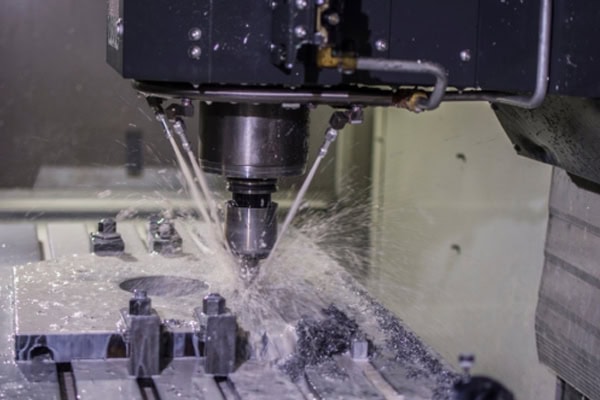
Multi-Axis Machining Technology Enhances Precision for Complex Parts
With greater flexibility in tool orientation and broader machining accessibility, multi-axis machining effectively addresses challenges associated with complex surfaces, deep cavities, and irregular geometries, making it an important technology for improving precision.
Reducing Errors Caused by Repeated Fixturing
Traditional machining methods often require multiple setups to complete all operations on a complex part, and each repositioning introduces potential errors. Therefore, minimizing the number of setups is essential. The advantages of single-setup machining include:
- Reducing positioning errors and eliminating cumulative deviations caused by repeated fixturing.
- Improving machining consistency by maintaining accurate relationships between multiple surfaces.
- Shortening production cycles by reducing auxiliary operations and increasing machine utilization.
Completing more operations in a single setup significantly reduces accumulated errors and improves overall dimensional accuracy.
Improving Complex Surface Machining Capability
Many high-end products feature freeform surfaces that are difficult to machine efficiently using traditional three-axis methods. Multi-axis machining provides greater flexibility and capability. Its advantages include:
- Enabling continuous cutting from multiple angles while maintaining optimal tool orientation.
- Improving contour accuracy and reproducing complex geometries more precisely.
- Enhancing surface finish quality by reducing tool marks and transition lines.
With multi-axis technology, complex surfaces can be machined more accurately while reducing the need for secondary finishing operations.
Enhancing Deep-Cavity and Irregular Structure Machining
Traditional machining methods often face limitations when processing deep cavities, angled surfaces, and irregular geometries due to tool interference and restricted access. Multi-axis technology effectively overcomes these challenges. Its benefits include:
- Improving tool accessibility and enabling machining in difficult-to-reach areas.
- Reducing the risk of collisions between tools, fixtures, and workpieces.
- Increasing machining accuracy for irregular structures and complex geometric features.
- Enhancing surface quality in challenging areas and improving overall product performance.
As multi-axis machining technology continues to advance, its value in complex part manufacturing becomes increasingly significant, providing more possibilities for high-precision production.
Establishing a Comprehensive Inspection System to Ensure Final Quality
By implementing inspection procedures throughout the entire machining process, manufacturers can identify issues early, correct deviations, and continuously improve product consistency and customer satisfaction.
In-Process Inspection for Early Error Detection
Monitoring dimensional changes during machining helps prevent minor issues from becoming major problems. In-process inspection technology enables real-time monitoring and improves quality control efficiency. Its primary benefits include:
- Providing real-time dimensional data and accurate feedback throughout the machining process.
- Quickly identifying machining abnormalities and enabling corrective actions before issues escalate.
- Reducing rework and scrap rates, lowering production costs and improving delivery performance.
Through real-time inspection and rapid feedback, machining parameters can be adjusted promptly to ensure compliance with design requirements.
Establishing an Error Compensation System
With the development of smart manufacturing, error compensation technology has become an important method for improving machining accuracy. By automatically analyzing and correcting deviations, machining quality can be further enhanced. The benefits of compensation systems include:
- Correcting dimensional deviations and bringing machining results closer to design targets.
- Reducing the effects of thermal deformation and environmental changes.
- Improving machining consistency and maintaining stable quality across production batches.
Intelligent compensation technology helps machines maintain high-precision performance and provides reliable quality assurance for complex part machining.
Strictly Implementing Quality Management Procedures
In addition to advanced equipment and inspection technologies, standardized quality management is equally important for ensuring precision in complex parts. A comprehensive management system ensures that every operation meets established standards. Key aspects of quality control include:
- Standardizing inspection criteria to ensure all products are evaluated according to the same quality requirements.
- Regulating process execution to minimize the impact of human factors on machining quality.
- Maintaining consistency across production batches and increasing customer confidence in product quality.
- Improving customer satisfaction through stable and reliable product performance.
By establishing strict quality management procedures, manufacturers can consistently deliver high-quality products while strengthening market competitiveness and customer trust.
Conclusion
As product designs become increasingly complex, manufacturers face growing demands for precision, efficiency, and production consistency. Achieving stable and reliable machining results requires a comprehensive approach that combines advanced equipment, optimized processes, precise tooling strategies, and rigorous quality control. With extensive project experience and strong manufacturing capabilities, TiRapid provides high-quality CNC milling services to help customers efficiently move from prototype development to full-scale production.