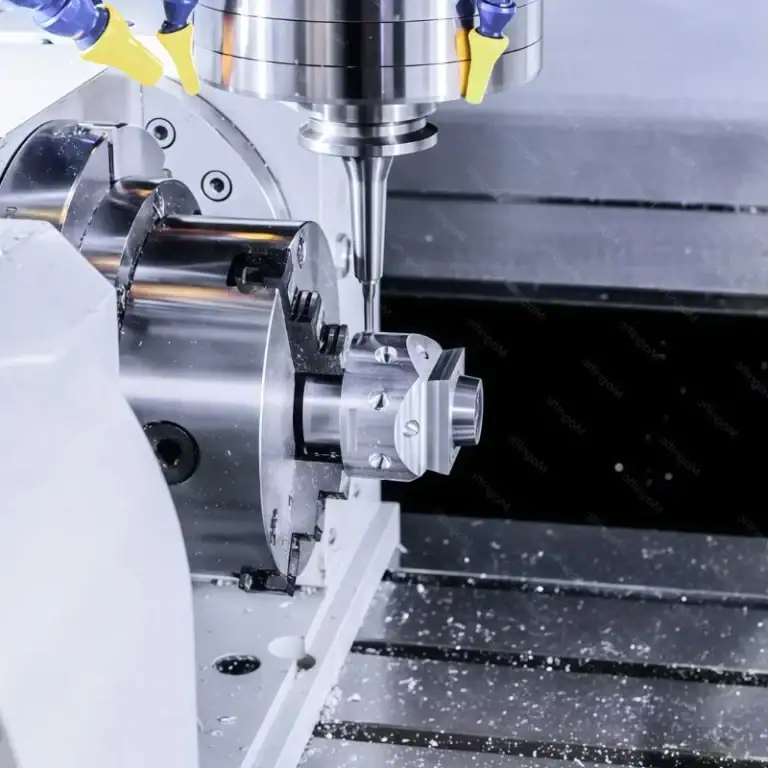
Precision turning requires strict control over dimensional accuracy, surface finish, and machining stability. Improper cutting parameter settings can directly affect workpiece quality and tool life. During machining, incorrect combinations of spindle speed, feed rate, and depth of cut may lead to vibration, dimensional drift, poor surface quality, and abnormal tool wear. Achieving stable precision machining performance requires systematic optimization based on material characteristics, machine condition, and cutting tool performance.
How to Optimize Cutting Speed Parameters
Cutting speed directly affects heat generation, tool wear, and surface finish. Excessively low speed can lead to built-up edge formation, while overly high speed may cause rapid heat accumulation and dimensional instability.
Speed Adjustment Methods for Different Materials
Different materials exhibit different hardness, thermal conductivity, and plasticity during cutting, requiring customized speed settings.
- Aluminum alloys are suitable for higher spindle speeds to improve surface quality
- Stainless steel requires controlled speed to prevent overheating
- High-hardness materials require lower cutting speed to reduce tool wear
- Copper materials can benefit from high-speed machining stability
- Adjust spindle speed range according to material hardness
- Separate roughing and finishing speed strategies
Proper matching between material and cutting speed improves machining stability.
Heat Control During High-Speed Cutting
Heat accumulation increases rapidly during high-speed machining and may affect dimensional accuracy if cooling is insufficient.
- Control continuous cutting duration to prevent local overheating
- Use high-flow coolant to reduce temperature rise
- Maintain stable spindle operation to reduce thermal fluctuation
- Avoid frequent acceleration and deceleration that cause thermal deformation
- Improve heat dissipation efficiency to reduce thermal accumulation
- Maintain stable tool temperature
Stable heat control improves dimensional consistency.
Surface Finish and Speed Matching Techniques
Cutting speed has a direct relationship with surface roughness.
- Increase cutting speed during finishing to reduce tool marks
- Control spindle fluctuation to maintain uniform surface texture
- Improve tool sharpness to reduce material tearing
- Combine small feed rates with stable speed for finer finish
- Avoid low-speed cutting that causes adhesion
- Maintain continuous and stable machining conditions
Proper speed matching results in smoother and more uniform surfaces.
How to Adjust Feed Rate and Depth of Cut
Feed rate and depth of cut are critical parameters in precision turning. They directly influence cutting force, tool load, heat generation, and machining stability. Excessive feed may produce visible tool marks and vibration, while improper depth of cut can cause unstable tool loading and dimensional deviation. Effective parameter adjustment requires coordination between material properties, tool rigidity, and machine stability.
Feed Rate Control Techniques
Feed rate influences both machining efficiency and surface texture. Different machining stages require different feed strategies.
- Increase feed rate during roughing to improve material removal efficiency
- Reduce feed rate during finishing to improve surface finish
- Adjust feed according to tool nose radius
- Maintain smooth and continuous feed motion
- Control cutting force to reduce vibration amplification
- Adjust feed rhythm according to material plasticity
- Avoid excessively low feed that increases friction
Stable feed control improves dimensional consistency and reduces roughness problems.
Depth of Cut Optimization Methods
Depth of cut strongly influences tool loading and heat distribution.
- Use larger depth of cut during roughing for higher productivity
- Reduce depth of cut during finishing to minimize deformation
- Control cutting load to avoid tool overload
- Avoid sudden depth changes that create impact forces
- Adjust depth according to machine rigidity
- Match depth of cut with tool strength capability
- Maintain stable cutting force distribution
Proper depth settings reduce tool wear and improve dimensional stability.
Feed and Depth Matching Strategy
Feed rate and depth of cut are closely related. Improper matching can dramatically increase cutting load.
- Reduce feed rate when using larger cutting depth
- Use micro-feed during shallow finishing cuts
- Maintain uniform chip thickness to reduce fluctuation
- Optimize parameter combination based on tool rigidity
- Avoid combining high feed with excessive depth of cut
- Maintain continuous cutting conditions to reduce impact
- Dynamically adjust parameters according to chip evacuation conditions
Proper parameter matching improves machining smoothness and tool life.
Finishing Parameter Combination Strategy
Finishing operations require higher stability and precision.
- Use higher spindle speed with smaller feed rate
- Maintain shallow cutting depth to reduce vibration
- Improve tool sharpness for finer surface quality
- Control cutting heat to stabilize dimensions
- Use rigid clamping systems to reduce displacement
- Avoid sudden parameter changes during machining
- Maintain stable and continuous cutting rhythm
Stable parameter combinations improve precision and surface consistency.
Parameter Adjustment Techniques for Different Materials
Different materials behave differently in terms of hardness, plasticity, and thermal conductivity.
- Aluminum alloys support higher feed and high-speed machining
- Stainless steel requires reduced feed to avoid work hardening
- High-hardness materials require smaller cutting depth
- Copper machining requires attention to adhesion control
- Titanium alloy machining requires heat accumulation control
- Adjust parameters according to chip formation characteristics
Correct parameter matching improves stability and tool life.
Cutting Load and Stability Control
Variation in cutting load affects vibration and dimensional accuracy.
- Maintain stable cutting force variation
- Avoid sudden parameter changes that create vibration
- Optimize transition between roughing and finishing
- Control heat accumulation during continuous machining
- Dynamically adjust parameters according to machine condition
- Improve overall machine running stability
Stable load control improves both surface quality and dimensional precision.
Tool Parameters and Machining Stability Control
Tool parameters affect cutting force distribution, chip evacuation, vibration, and surface quality. During precision turning, tool geometry, wear condition, and installation accuracy all influence dimensional consistency. Improper tool settings may still cause dimensional drift and surface waviness even on high-precision machines.
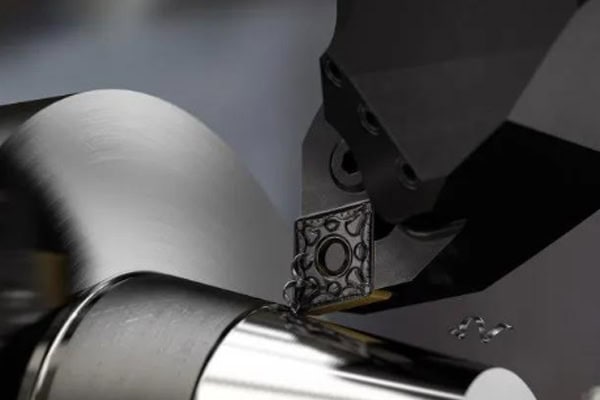
Tool Geometry Optimization Techniques
Tool geometry changes material deformation behavior and cutting resistance.
- Increase rake angle to reduce cutting resistance
- Optimize clearance angle to reduce friction heat
- Control nose radius to improve surface transition
- Use sharp cutting edges to reduce built-up edge formation
- Adjust geometry according to workpiece material
- Improve chip evacuation smoothness
- Avoid excessive rake angle that weakens edge strength
Optimized geometry improves cutting stability and surface quality.
Tool Wear Monitoring Methods
Tool wear gradually increases dimensional deviation during continuous machining.
- Inspect tool tip wear and chipping regularly
- Monitor changes in cutting sound
- Observe changes in surface texture and color
- Record dimensional deviation trends
- Avoid machining beyond tool life limit
- Reduce abnormal wear through load control
- Establish stable replacement intervals
Stable wear control improves machining consistency.
Tool Installation Stability Control
Tool installation affects concentricity, vibration, and machining stability.
- Maintain rigid tool clamping
- Reduce tool overhang length
- Inspect contact condition between holder and turret
- Maintain installation repeatability
- Prevent loosening during machining
- Improve installation reference stability
- Regularly calibrate tool center height
Stable installation reduces vibration and dimensional fluctuation.
Tool Material Matching Techniques
Different workpiece materials require different tool material systems.
- Carbide tools are suitable for standard precision turning
- CBN tools are suitable for hard materials
- Coated tools are suitable for high-speed continuous cutting
- Tough tools are suitable for interrupted cutting conditions
- Adjust tool type according to thermal conductivity
- Optimize cutting parameters together with tool selection
Proper matching improves machining efficiency and precision stability.
Cooling System and Vibration Control Techniques
Cooling condition and vibration directly affect dimensional precision, tool life, and surface quality. In precision turning, insufficient heat removal may cause thermal deformation and dimensional drift, while vibration can create surface waviness and abnormal tool wear. Therefore, thermal and vibration control must be optimized together.
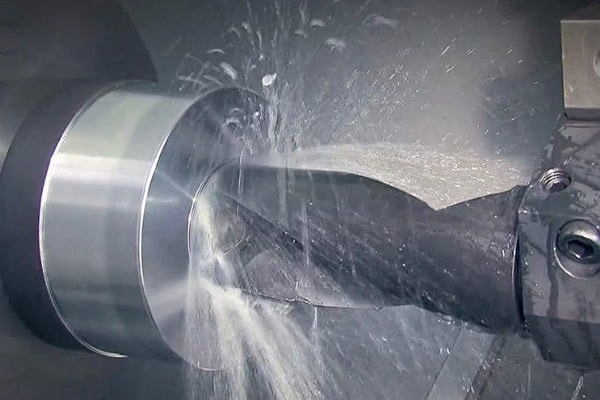
Coolant Optimization Methods
Coolant not only reduces temperature but also affects lubrication and chip evacuation.
- Use high-flow coolant to improve heat dissipation
- Optimize nozzle direction toward the cutting zone
- Select coolant suitable for specific materials
- Prevent insufficient cooling that causes built-up edge
- Maintain stable coolant circulation
- Regularly filter and replace coolant
- Control coolant pressure to reduce local overheating
Optimized cooling significantly reduces tool wear.
Causes and Control of Vibration
Vibration reduces cutting stability and affects both dimensions and surface finish.
- Improve machine structural rigidity
- Reduce workpiece overhang length
- Optimize parameters to avoid resonance range
- Maintain stable fixture and tool installation
- Reduce impact variation during cutting
- Stabilize cutting force fluctuation
- Inspect spindle and guideway condition
Stable vibration control improves surface uniformity.
Thermal Deformation Control Techniques
Thermal deformation is a common cause of dimensional drift in precision turning.
- Control continuous machining time to reduce heat accumulation
- Maintain stable workshop temperature
- Reduce unnecessary spindle idle running
- Use stable cooling circulation
- Maintain consistent machining rhythm
- Prevent localized heat concentration
- Perform thermal stabilization before finishing operations
Stable thermal control improves long-term machining precision.
Comprehensive Stability Optimization Methods
Precision turning stability depends on coordinated control of machine condition, tooling, cooling, and machining strategy.
- Maintain stable machine operating condition
- Regularly calibrate machining reference accuracy
- Standardize machining parameter management
- Optimize transition between roughing and finishing
- Establish tool life monitoring system
- Verify stable machining window through trial cutting
Comprehensive optimization improves both machining efficiency and precision stability.