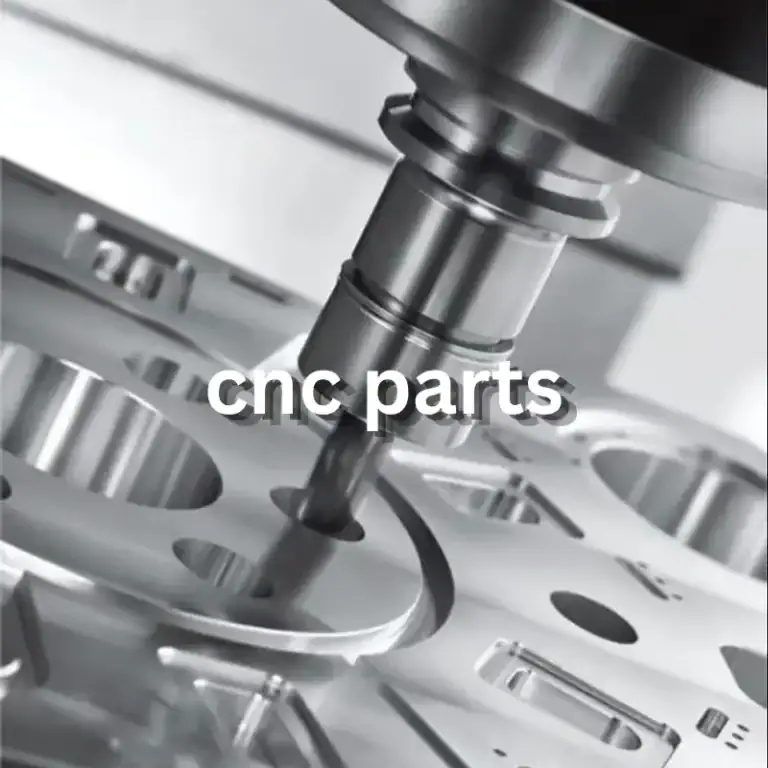
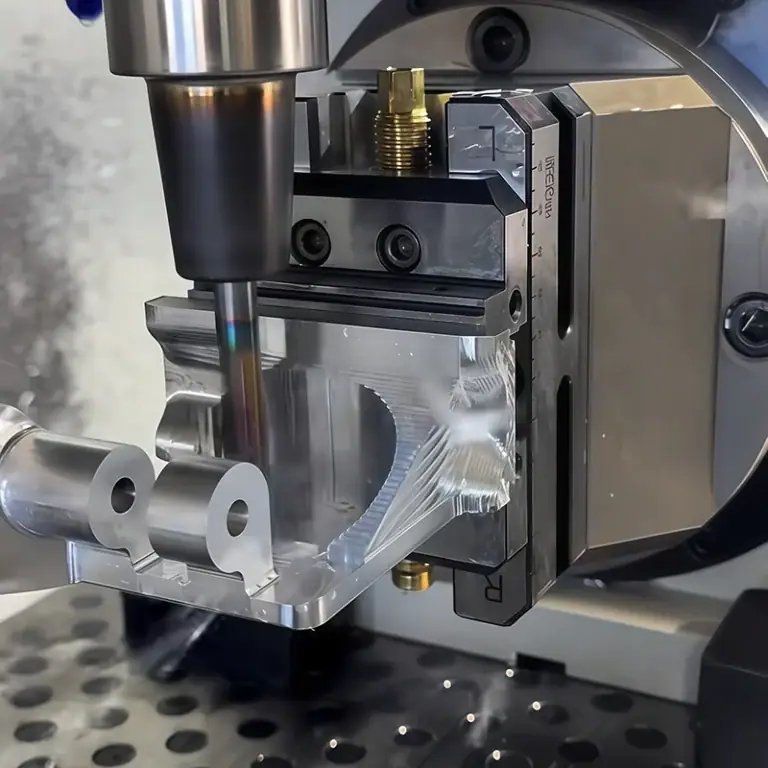
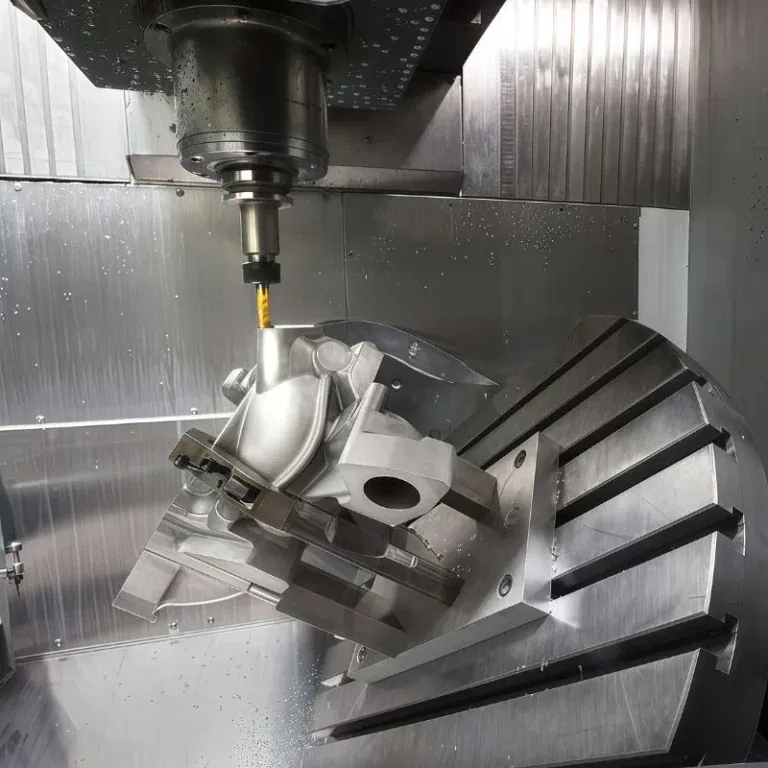
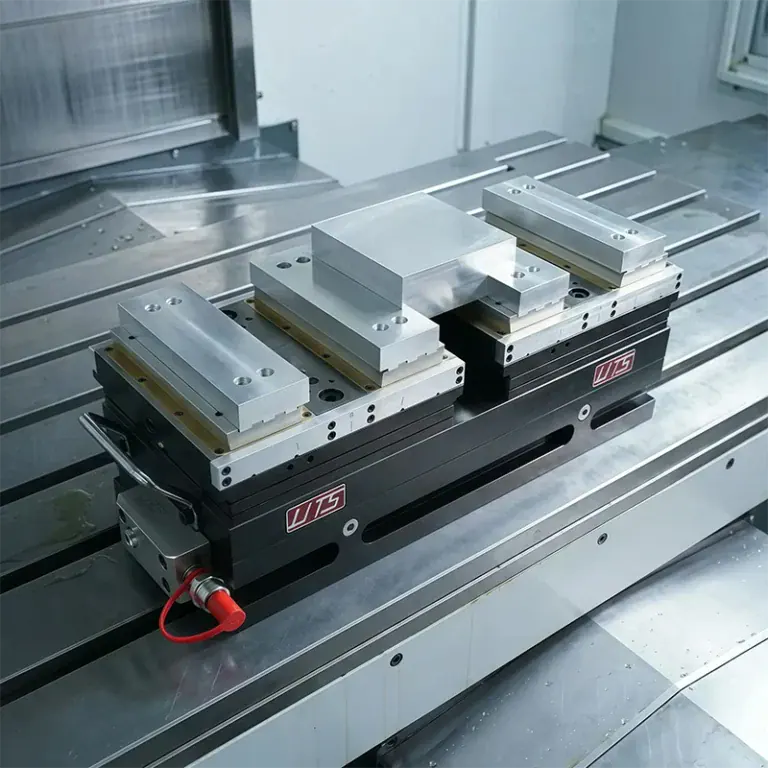
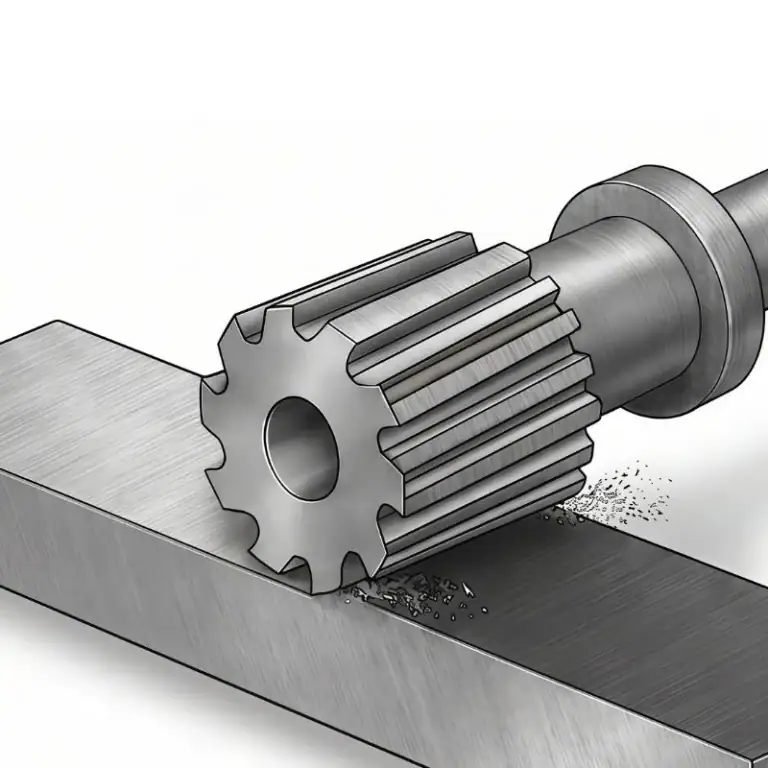
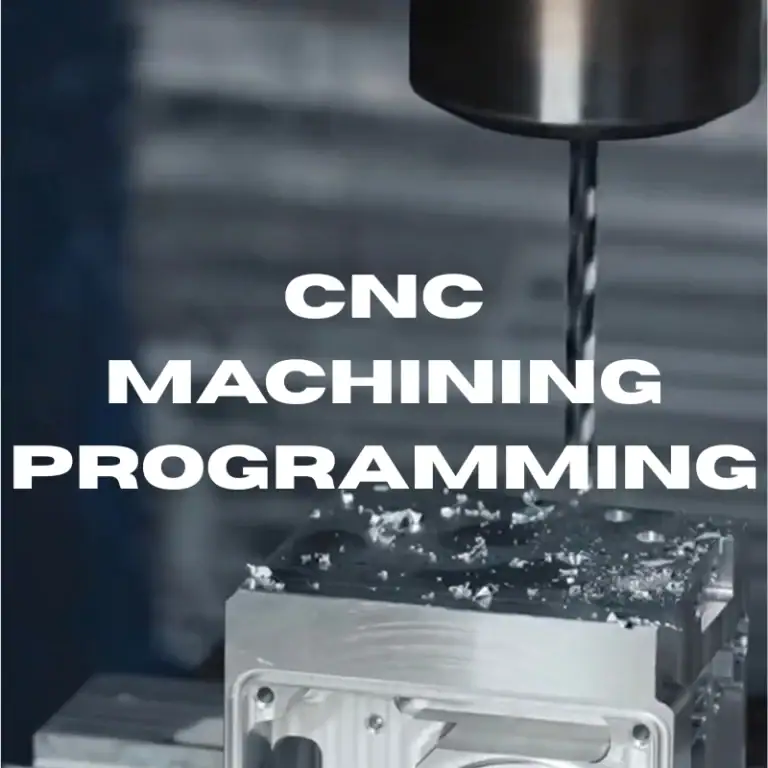
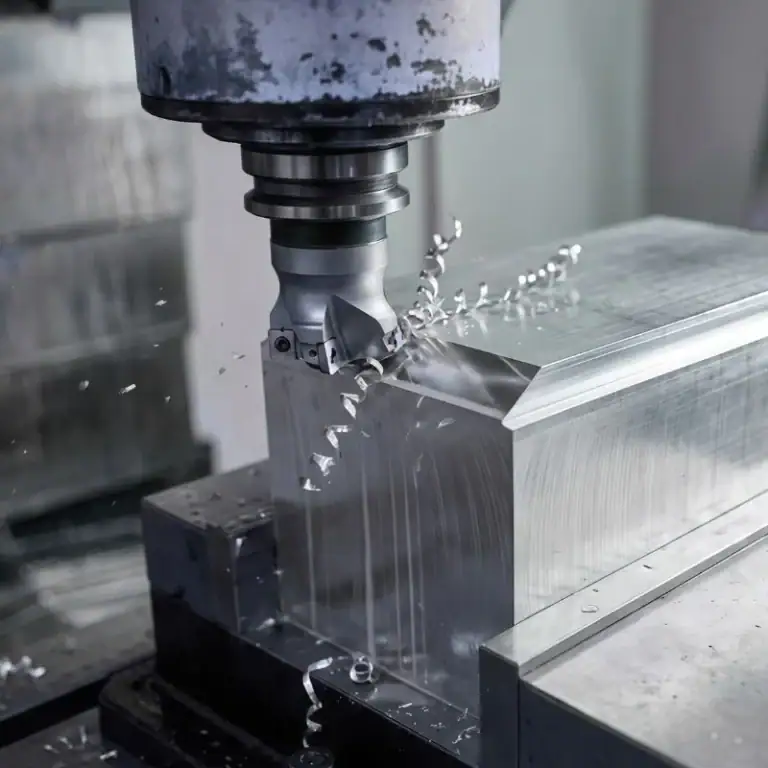
In precision part manufacturing, dimensional accuracy and surface quality often determine whether a product can meet its intended application requirements. During actual CNC milling operations, thermal deformation is one of the key factors affecting machining accuracy. As the cutting tool continuously engages with the workpiece, a significant amount of heat is generated. If this heat is not effectively controlled and dissipated, the workpiece, cutting tool, and even the machine itself may experience thermal expansion, leading to dimensional deviations, reduced flatness, and assembly inaccuracies. This is especially critical in industries such as aerospace, automotive components, medical devices, and high-precision equipment manufacturing, where thermal deformation control is essential. Understanding and implementing effective methods to reduce thermal deformation can improve product quality, lower rework costs, and enhance overall production efficiency.
Properly Control Cutting Parameters to Reduce Heat Generation
In CNC milling, cutting parameter settings directly affect temperature changes in the machining area and the final machining accuracy.
Optimize Spindle Speed and Feed Rate
During CNC milling, cutting parameters influence heat generation and accumulation. Improper settings can lead to excessive temperatures and workpiece deformation. Adjusting spindle speed and feed rate according to material properties and part characteristics is an effective way to minimize thermal deformation.
- Match spindle speed to the material being machined. For example, aluminum alloys are suitable for higher spindle speeds, while stainless steel and titanium alloys require a balance between heat dissipation and tool life to prevent excessive temperature increases.
- Maintain an appropriate feed rate to avoid prolonged friction between the tool and the workpiece surface. Excessively low feed rates can create a “grinding effect,” generating frictional heat instead of efficient cutting.
- Dynamically adjust parameters during roughing, semi-finishing, and finishing operations to maintain optimal cutting conditions throughout the process.
- Use CAM software to simulate cutting operations and verify parameter settings in advance, reducing trial cuts and saving both time and costs.
By scientifically configuring cutting parameters, manufacturers can reduce unnecessary friction and heat buildup, improve material removal efficiency, and minimize the risk of thermal deformation from the source.
Control Cutting Depth and Width
In many cases, machining issues are not caused by the equipment itself but by excessive cutting loads that concentrate heat generation. Therefore, controlling cutting depth and width is crucial for reducing machining temperatures and maintaining dimensional stability.
(1) Avoid Excessive Cutting Loads
During machining, cutting volumes should be determined based on machine rigidity, tool specifications, and material characteristics. Avoid removing too much material in a single pass. This not only reduces thermal stress on the machine and tool but also minimizes vibration and tool wear, improving overall machining stability.
(2) Use Layered and Step-by-Step Machining
For workpieces with large machining allowances, multi-layer cutting strategies can be adopted. Distributing material removal across multiple operations allows heat to dissipate gradually and prevents excessive temperatures in localized areas.
By balancing cutting loads and properly planning machining steps, manufacturers can effectively reduce the formation of high-temperature zones and improve dimensional stability and final part quality.
Adopt High-Efficiency Cutting Strategies
With the advancement of CAM technology, more advanced machining strategies are being applied in CNC milling. These techniques not only improve productivity but also help control cutting heat.
- High-speed dynamic milling maintains a constant cutting load and prevents sudden tool stress.
- Adaptive toolpath technology reduces repeated cutting areas and minimizes unnecessary heat generation.
- Optimized tool entry and exit paths reduce tool impact and sudden temperature spikes.
- Constant chip thickness strategies keep the cutting tool operating under stable conditions.
By implementing these advanced machining strategies, heat can be distributed and dissipated more evenly, reducing localized deformation while improving machining accuracy and tool life.
Select the Right Cutting Tools to Improve Heat Dissipation
Proper tool selection affects not only machining efficiency but also temperature control in the cutting zone.
Use High-Performance Tool Materials
Cutting tools are a primary medium for heat generation and transfer during machining. Therefore, tool material selection plays a critical role in controlling thermal deformation. High-quality tools improve cutting efficiency while reducing machining temperatures.
- Carbide tools offer excellent wear resistance and heat resistance, making them suitable for most metal machining applications.
- Coated tools reduce friction coefficients and minimize heat generation during cutting.
- Select specialized tools for different materials such as aluminum alloys, stainless steel, and titanium alloys to improve machining compatibility.
- Advanced nano-coating technologies can further enhance heat dissipation and extend tool life.
Choosing the right tool material can significantly reduce heat generation, improve machining stability, and lower tool replacement frequency and production costs.
Keep Cutting Tools Sharp
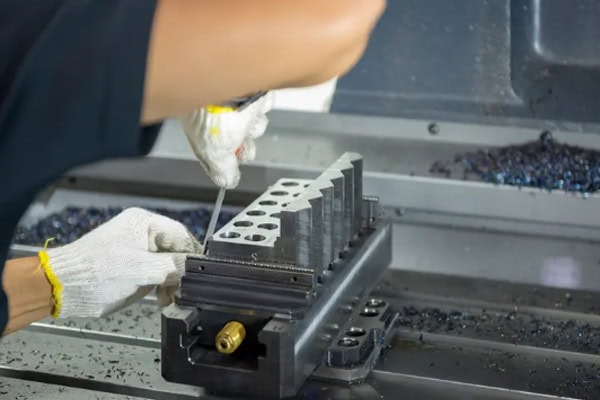
Tool wear is one of the major causes of increased machining temperatures. Many dimensional accuracy issues are actually related to poor tool conditions, making effective tool management essential.
- Regularly inspect cutting edges for wear and identify abnormal wear patterns early.
- Establish a tool life management system and schedule preventive replacements based on machining time and cutting volume.
- Replace tools promptly when they reach wear limits to avoid quality deterioration.
- Utilize tool monitoring systems to track tool conditions in real time and improve management efficiency.
Maintaining sharp cutting tools improves cutting efficiency and reduces frictional heat, effectively controlling thermal deformation.
Optimize Tool Geometry
In addition to tool materials, tool geometry also affects heat dissipation and machining temperatures.
- Increase chip evacuation space to improve chip removal efficiency.
- Optimize helix angle design to improve heat distribution during cutting.
- Reduce chip recutting to minimize additional heat generation.
- Use internal coolant tool designs that deliver coolant directly to the cutting zone.
A well-designed tool structure promotes faster heat removal, lowers machining temperatures, and enhances overall machining stability.
Strengthen Cooling and Lubrication Management
Effective cooling and lubrication measures can reduce machining temperatures, extend tool life, and improve the stability and accuracy of CNC milling operations.
Choose the Appropriate Cooling Method
The cooling system is a critical component in controlling thermal deformation. Different materials and machining requirements require different cooling solutions.
(1) Conventional Coolant Spraying
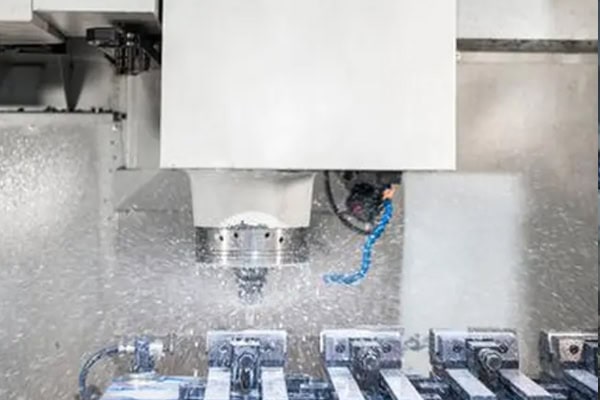
By continuously spraying coolant into the cutting area, large amounts of heat generated during machining can be quickly removed while also providing lubrication to reduce tool wear.
(2) High-Pressure Cooling Technology
High-pressure cooling improves coolant penetration, allowing coolant to reach the contact area between the tool and workpiece more effectively and achieve superior heat dissipation.
Selecting the appropriate cooling method based on actual machining requirements can significantly reduce tool and workpiece temperatures while improving machining accuracy and stability.
Ensure Stable Coolant Supply
Even advanced cooling technologies cannot achieve optimal results if coolant delivery is unstable.
- Regularly inspect cooling system performance to ensure proper operation.
- Maintain sufficient coolant flow rates to prevent reduced cooling effectiveness.
- Clean blocked pipelines promptly to ensure smooth coolant delivery.
- Replace degraded coolant regularly to maintain cooling performance.
A stable and reliable cooling environment effectively minimizes temperature fluctuations and helps achieve consistent machining quality.
Apply Minimum Quantity Lubrication (MQL)
As sustainable manufacturing gains popularity, MQL technology is increasingly used in precision machining applications.
- Reduce cutting friction and heat generation.
- Extend tool life and lower production costs.
- Improve workpiece surface quality and reduce secondary finishing operations.
- Minimize coolant consumption for greater environmental sustainability.
For certain high-precision machining applications, MQL technology can deliver excellent machining performance while providing environmental benefits.
Optimize Process Planning and Machine Environment Management
Thermal deformation control depends not only on the cutting process itself but also on overall process planning and the production environment.
Arrange Machining Sequences Properly
Process route design affects both production efficiency and thermal deformation control.
- Perform rough machining before finishing operations to create favorable conditions for precision control.
- Allow sufficient cooling time between operations to prevent continuous heat accumulation.
- Avoid repeatedly machining the same area in succession to reduce localized temperature increases.
- Use multi-stage machining strategies for high-precision parts to gradually release internal stresses.
Proper process planning allows heat to dissipate gradually, reduces residual stress effects, and improves final machining accuracy.
Control the Machine Operating Environment
In addition to the machining process, external environmental factors also influence thermal deformation control.
(1) Maintain a Temperature-Controlled Workshop
Using climate control systems to maintain a stable ambient temperature can effectively reduce thermal expansion and dimensional changes caused by temperature fluctuations.
(2) Maintain Stable Machine Operation
Avoid frequent machine startups and shutdowns so that equipment remains in a relatively stable thermal equilibrium state, improving machining consistency.
A well-controlled machining environment minimizes external disturbances and provides reliable support for high-precision CNC milling.
Include Stress Relief Processes
For high-precision and demanding components, machining control alone is often insufficient. Internal material stresses must also be considered.
- Perform natural aging treatments after rough machining to gradually release internal stresses.
- Apply heat treatment processes when necessary to improve material stability.
- Add intermediate inspection stages for critical components to detect deformation trends early.
- Develop customized stress-relief plans based on material characteristics.
By releasing internal material stresses, manufacturers can further reduce the risk of thermal deformation and improve long-term product stability.
Conclusion
For precision manufacturing projects, reducing temperature fluctuations during machining not only improves product consistency but also lowers rework rates and production costs. Whether producing complex structural components or parts with tight tolerance requirements, manufacturers must optimize material selection, machine performance, and machining processes to ensure final results meet design specifications. As a professional manufacturing service provider, TiRapid combines extensive industry experience, advanced CNC milling equipment, and a comprehensive quality management system to deliver high-precision, high-efficiency machining solutions that help customers move smoothly and reliably from design to mass production.