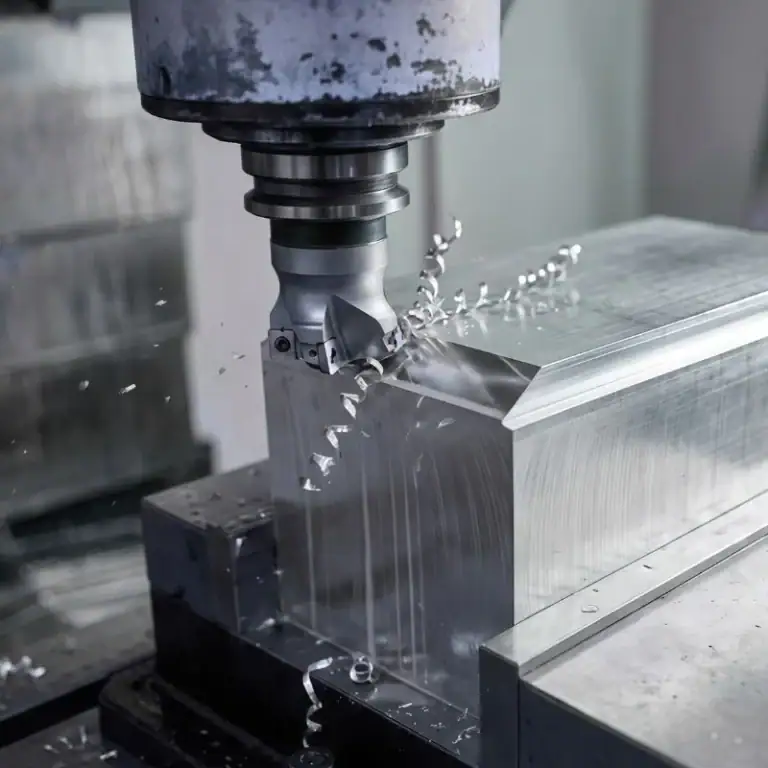
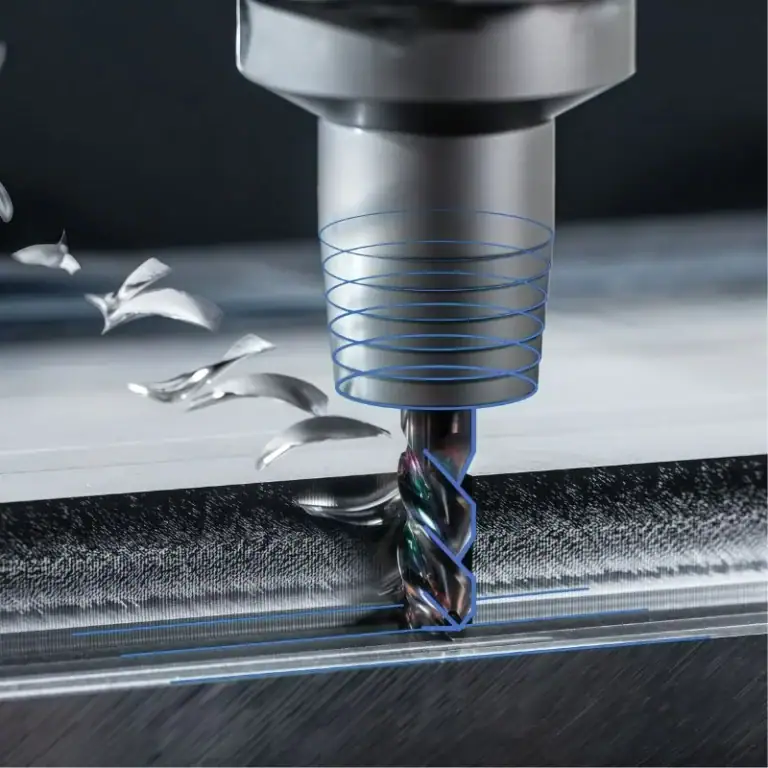
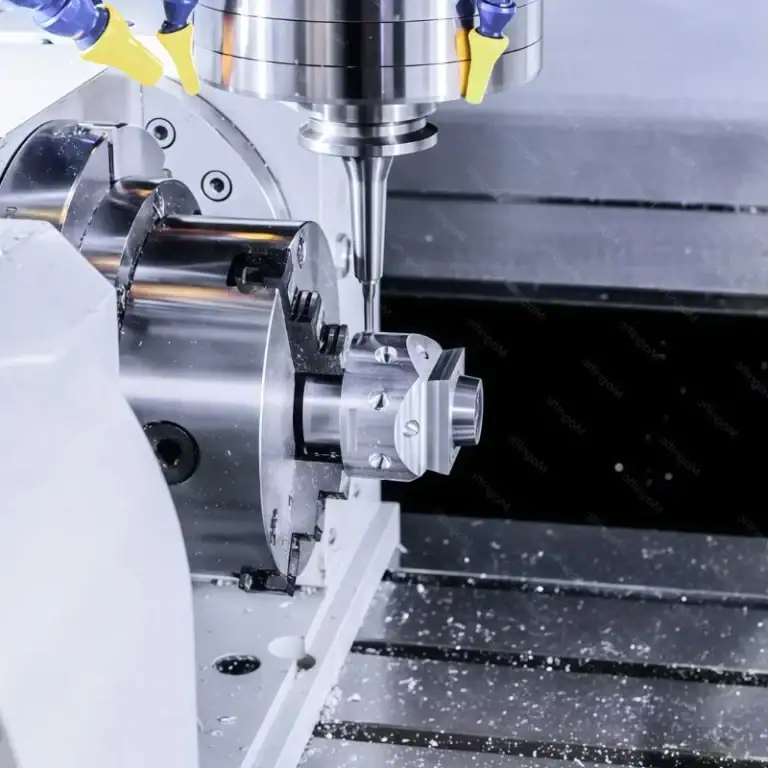
Blackened workpiece surfaces are a common problem during turning operations. After machining, many parts may show local blackening, uneven color, burn marks, or dark oxide layers. This not only affects product appearance but may also reduce surface quality and assembly performance. The problem is especially noticeable when machining stainless steel, copper parts, high-speed steel, and certain alloy materials. Surface blackening during turning is usually related to cutting temperature, tool condition, cooling performance, and cutting parameters. If adjustments are not made in time, machining quality may continue to decline.
Why Turning Surfaces Easily Become Blackened
In most cases, surface blackening is related to excessive heat generated during machining. When heat in the cutting area cannot dissipate quickly, oxidation reactions occur on the workpiece surface, leading to color changes. Some materials are naturally more sensitive to high temperatures. Stainless steel and copper parts, for example, are more likely to form oxide layers under heat, resulting in darkened surfaces, local discoloration, or yellow and blue burn marks.
Excessive Cutting Temperature
During turning, constant friction occurs between the cutting tool and the workpiece. If cutting temperature continues to rise, surface burning can easily occur.
Common situations include:
- Excessively high tool temperature
- Local oxidation on the workpiece
- Burn marks on the surface
- Uneven surface color
The blackening problem becomes more obvious during high-speed machining.
Heat Concentration in Local Areas
If heat remains concentrated near the tool tip for a long time, local blackening may also occur.
For example:
- Continuous machining in a small cutting area
- Difficult heat dissipation in deep hole machining
- Excessive friction time during finishing
- Significant local temperature increase on the workpiece
When heat cannot dissipate quickly, surface burning becomes more likely.
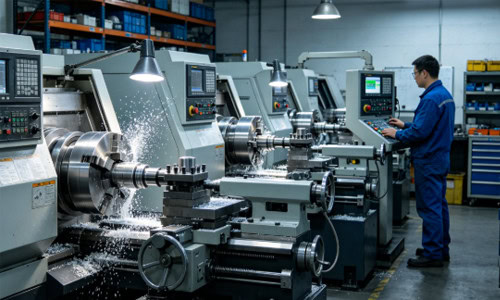
Tool Problems Can Cause Surface Blackening
Tool condition directly affects cutting temperature and machining stability. Many blackened surface problems are related to tool wear or improper tool geometry. Once the cutting edge becomes worn, friction increases significantly, causing serious heat buildup on the workpiece surface. Improper tool angles, such as insufficient rake angle, insufficient clearance angle, or excessive nose radius, may also increase cutting resistance and generate excessive heat during machining.
Severe Tool Wear
After the cutting tool becomes worn, the cutting edge gradually becomes dull and friction increases significantly.
This may lead to:
- Rapid increase in cutting temperature
- Severe heating on the workpiece surface
- Rough surface finish
- Local burn marks
Tool wear becomes even more obvious during continuous machining.
Incorrect Tool Material Selection
Different materials require different cutting tools.
For example:
- Stainless steel requires high-toughness tools
- Copper parts require sharp cutting edges
- High-hardness materials require wear-resistant tools
If the tool is not properly matched, surface temperature rises significantly.
Insufficient Cooling Easily Causes Workpiece Blackening
Coolant not only reduces temperature during turning but also minimizes friction. If cooling is insufficient, the workpiece surface becomes more likely to blacken. In some machining environments, coolant is used but the spray direction is incorrect, preventing effective cooling in the actual cutting area. During deep hole machining or continuous high-speed machining, poor cooling greatly increases oxidation risk.
Insufficient Coolant Flow
If coolant cannot fully cover the cutting zone during machining, heat accumulation will occur.
This may cause:
- Local overheating on the workpiece
- Surface discoloration
- Rapid tool heating
- Severe surface burning
Cooling problems become more serious during high-speed machining.
Higher Temperature During Dry Cutting
Certain materials generate higher temperatures during dry cutting.
Especially during:
- Stainless steel machining
- Red copper machining
- Large-depth cutting operations
- Long continuous machining cycles
Without coolant support, surface discoloration becomes more likely.
Improper Cutting Parameters Also Cause Blackened Surfaces
In addition to tooling and cooling issues, cutting parameters also affect surface temperature. Although high-speed cutting improves efficiency, it also significantly increases friction heat. Certain materials are more likely to develop blue-black burn marks during high-speed machining. If feed rate is too low, the tool may rub against the workpiece surface for too long. When cutting depth is too shallow, the process may become friction-dominant instead of proper cutting, increasing the risk of surface blackening.
Excessive Cutting Speed
Although high-speed cutting improves productivity, it also increases friction heat.
This may lead to:
- High surface temperature on the workpiece
- Faster oxidation speed
- Darkened surface color
- Rapid increase in tool temperature
Some materials are more likely to develop blue-black burn marks during high-speed machining.
Improper Feed Rate Setting
If the feed rate is too low, the cutting tool may rub against the workpiece surface for too long.
This may result in:
- Friction heat generation
- Local surface burning
- Surface darkening
- Reduced surface finish quality
Excessive feed rate, however, may increase cutting load.
How to Improve Blackened Turning Surfaces
Although blackened surfaces are common during turning, most situations can be improved through process adjustment. During machining, cutting tools should remain sharp to reduce friction between the tool and the workpiece. Cooling performance should also be improved so that heat in the cutting zone dissipates quickly. Different materials also require proper adjustment of cutting speed and feed rate according to actual machining conditions to avoid prolonged high-temperature friction.
Optimizing Cooling Performance
Effective cooling can significantly reduce the risk of surface blackening.
Common methods include:
- Increasing coolant flow rate
- Adjusting coolant spray direction
- Using high-pressure cooling
- Maintaining continuous cooling
Stable cooling is especially important during high-speed machining.
Proper Adjustment of Machining Parameters
Machining parameters should be adjusted according to material characteristics.
For example:
- Appropriately reduce cutting speed
- Avoid excessively shallow cutting
- Maintain stable feed rate
- Reduce prolonged friction without cutting
Stable cutting conditions can significantly improve surface quality.
Differences in Blackening Between Different Materials
Different materials show different blackening characteristics during machining. Stainless steel is more likely to form blue-black oxide layers, copper parts usually develop dark yellow or black surfaces, while some alloy steels tend to form local burn spots. During machining, tooling and cooling methods should be adjusted according to material characteristics.
For high-precision components, surface discoloration not only affects appearance but may also indicate excessively high machining temperatures. If blackening problems are ignored for a long time, tool life, dimensional stability, and surface roughness will all be negatively affected. Therefore, operators should continuously monitor workpiece surface conditions and adjust machining parameters in time.