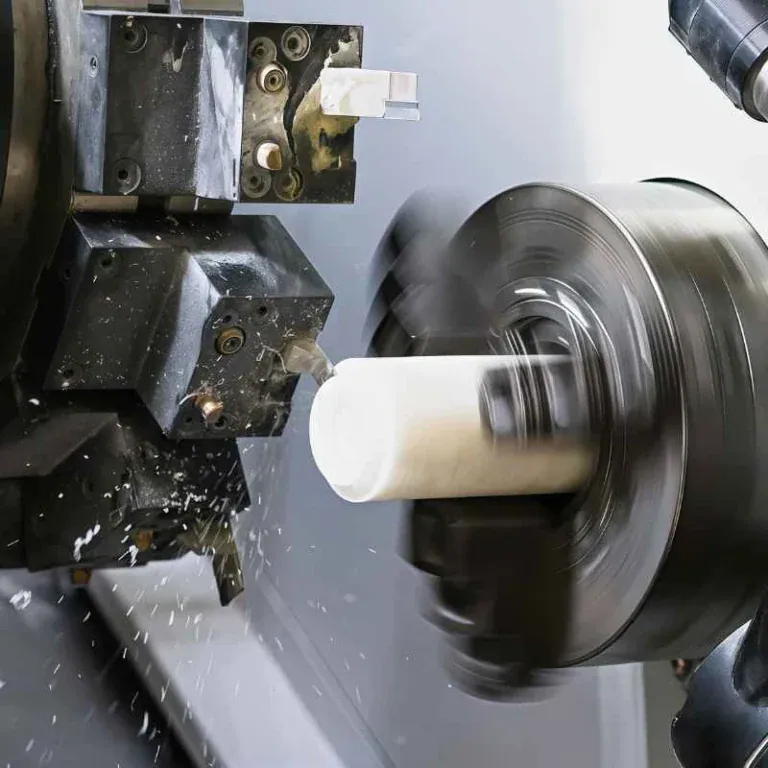
Transparent plastics, especially acrylic (PMMA), are very common in CNC machining, often used for display parts, lampshades, signs, shells, decorative parts, and precision viewing windows. While they may seem “easy to machine,” they are actually a type of material that demands high precision in machining. This is because transparent plastics are very sensitive to tool condition, cutting heat, vibration, clamping methods, and post-processing. Even minor problems will be directly reflected on the surface, such as whitening, cracks, weld edges, fogging, and obvious tool marks.
Why are transparent plastics more difficult to machine?
Core Characteristics of Transparent Plastics
The most significant characteristic of transparent plastics is that “appearance defects are very easily seen.” Slight scratches or tool marks on metal parts may not be noticeable; however, on transparent materials like acrylic, even small stress whitening, burrs, or machining marks will immediately affect the overall appearance. Furthermore, transparent plastics generally have characteristics such as heat sensitivity, high brittleness, or easily scratched surfaces. During machining, it is necessary to ensure dimensional accuracy while maintaining transparency and surface integrity as much as possible, which makes machining significantly more difficult than with ordinary engineering plastics.
Why is Acrylic the Most Typical Example?
Acrylic’s advantages include high transparency, good texture, ease of molding, and excellent appearance, making it widely used in display and decoration fields. However, it also has typical problems: the material is brittle, prone to cracking, heat sensitive, and prone to whitening at the edges. If the cutting tools are not sharp or the parameters are not set properly, it often results in a situation where “it looks cut, but the edges are fuzzy, rough, or even have micro-cracks.”This is why acrylic processing is more like a “refined appearance craft” than just simple mechanical cutting.
The Goal of Transparent Part Processing
When processing transparent plastics, customers usually require both dimensional accuracy and a clear surface, bright edges, and no weld lines or cracks. In other words, the evaluation criteria for transparent parts are one layer higher than for ordinary parts—it not only needs to be “made,” but also needs to “look good.”Therefore, the processing goal should be clear from the beginning: is it to pursue a high transparency display effect, structural functionality, or both? Different goals will directly affect the cutting tools, parameters, and post-processing solutions.
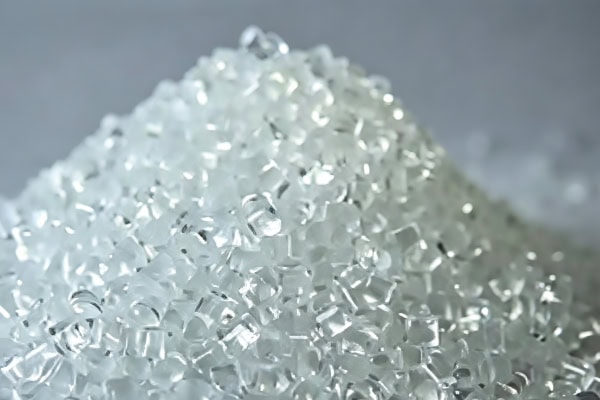
How to perform CNC machining of transparent plastics?
Confirm Material Condition Before Processing
Before processing transparent plastics, first confirm the material grade, thickness, whether it has a protective film, whether it has internal stress, and whether subsequent polishing or hot bending is required. If the acrylic sheet itself has internal stress, it is easy to crack at corners, holes, or clamping points during processing. Therefore, the condition of the sheet must be assessed before formal processing; not all transparent plastics should be treated as the same material.
Minimize Sharp Turns and Impacts During Programming
Transparent plastics are particularly susceptible to sudden mechanical impacts. When programming, use smooth toolpaths as much as possible to reduce sharp stops, sharp turns, and excessively deep single cuts. For contours, grooves, holes, etc., it is recommended to process in layers to avoid removing too much material at once, reducing the risk of material stress and localized overheating.
Secure Clamping Method Must Be Stable Without Damaging
Although transparent plastics appear hard, they are actually very sensitive to clamping pressure. Clamping too tightly may cause indentations, stress concentration, or later cracks; clamping too loosely can easily cause vibration, resulting in surface tool marks and edge chipping. Therefore, when clamping, priority should be given to soft jaws, protective pads, vacuum adsorption, or specialized fixtures to ensure stable workpiece fixation and minimize localized stress concentration.
Separate Roughing and Finishing
“Rough one-time molding” is the worst thing for transparent plastics. In the roughing stage, most of the excess material can be removed, but cutting heat and vibration must be controlled. In the finishing stage, sharper tools better suited for surface treatment should be used, with low-load cutting to minimize tool marks and surface haze.If the structure allows, minor trimming, chamfering, or polishing steps can be added at the end to improve transparency.
Inspect Appearance and Dimensions
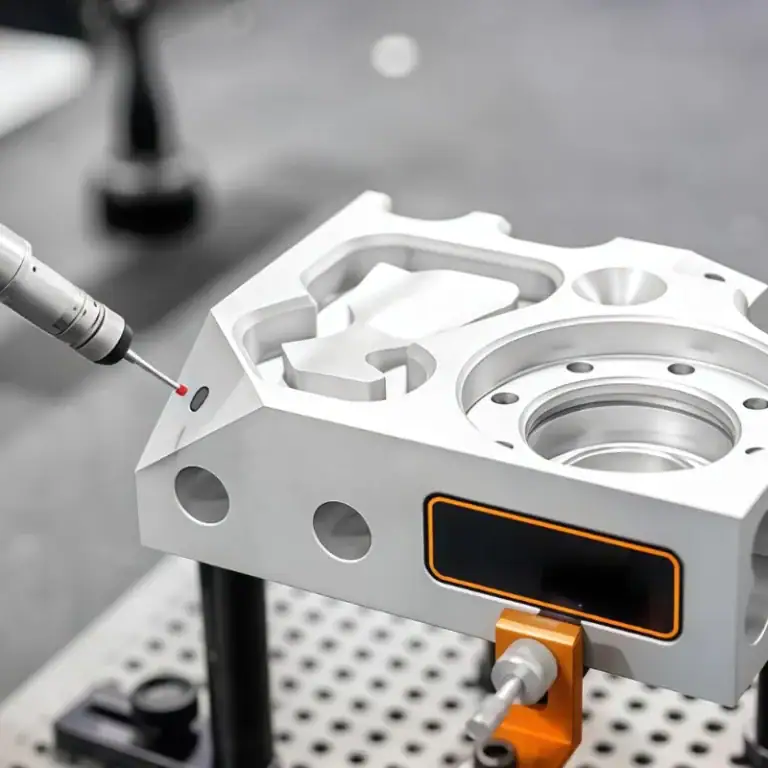
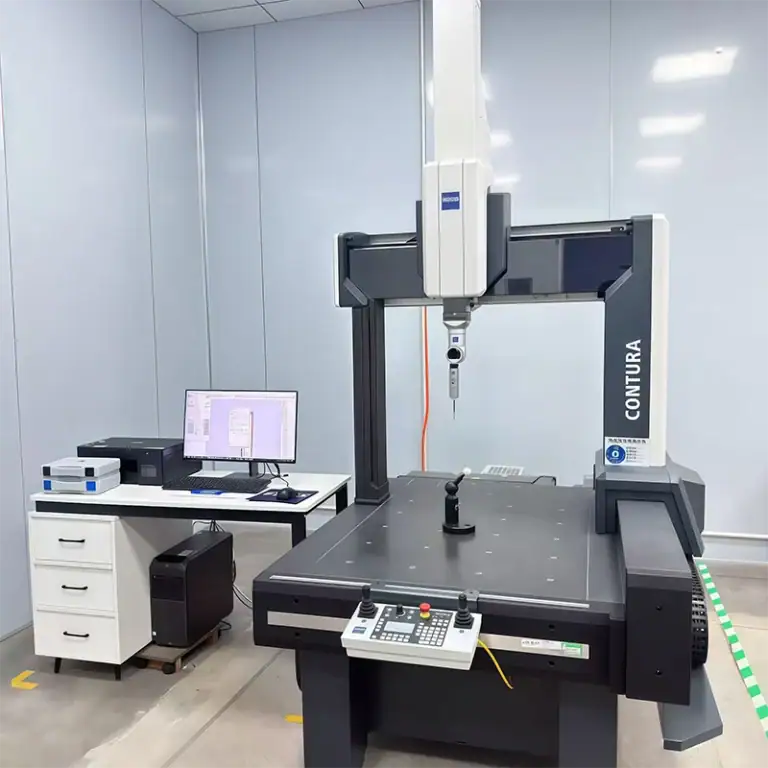
Inspecting transparent parts cannot be limited to dimensions. In addition to hole positions, tolerances, thickness, and contour accuracy, special attention should be paid to: whether the edges are transparent, whether the surface is white, whether there are micro-cracks, whether tool marks are continuous, and whether there is stress concentration at the corners. Many transparent parts are dimensionally acceptable but fail to meet appearance standards; therefore, inspection standards must be more stringent.
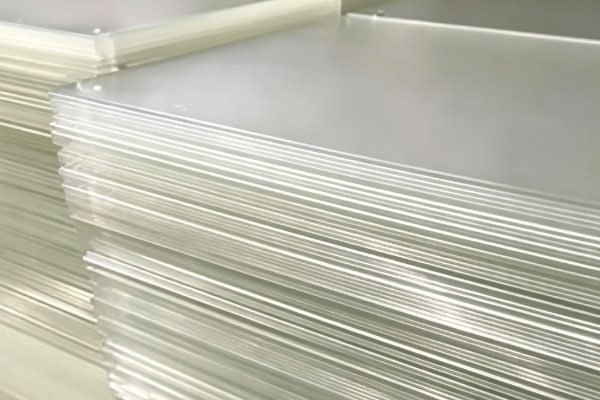
Points in Transparent Plastic Processing
Tool Sharpness Determines the Upper Limit of Transparency
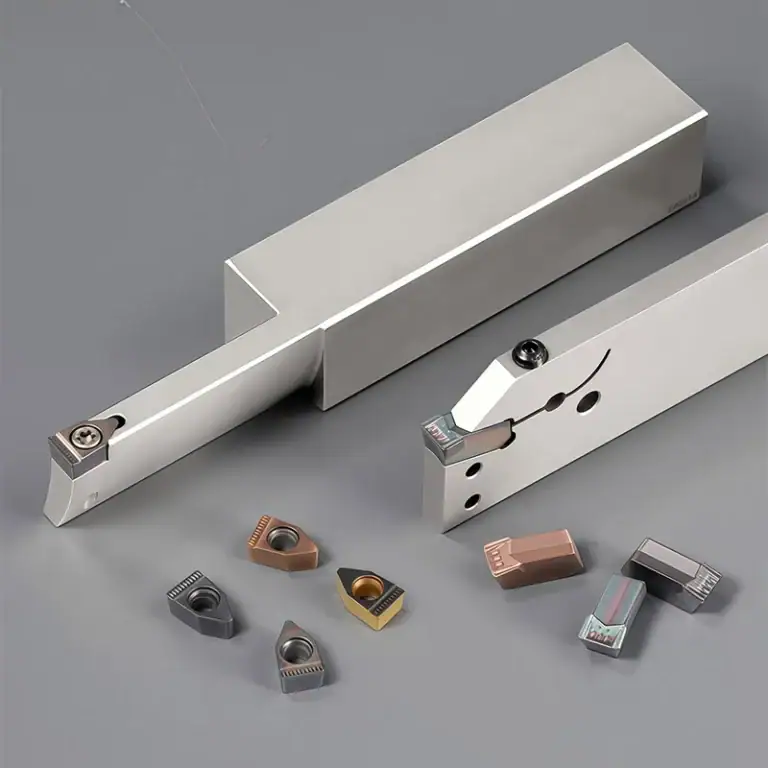
In transparent plastic processing, the duller the tool, the easier it is to generate pressure and heat, making the material more prone to whitening, fogging, or edge burrs. Acrylic, in particular, requires sharp, clean-edged tools because it is closer to “brittle cutting” than “plastic cutting.” When the tool is in poor condition, the surface is often not cut but torn or cracked, appearing to the naked eye as a layer of unclear, white areas.
Cutting Heat is the Biggest Enemy
Transparent plastics are very sensitive to heat. Once heat is concentrated, the material may soften locally, forming melted edges, tool sticking, fogging, or edge ripples. Methods to control heat include: using sharp tools, reasonably improving cutting efficiency, avoiding prolonged tool dwell on the workpiece, timely chip removal, and, when necessary, using air blowing or small-volume cooling. It should be noted that transparent plastics are not necessarily suitable for large amounts of cutting fluid, especially in some scenarios with high appearance requirements; too much fluid can negatively impact visual quality and post-processing. 3.3 Poor chip removal can directly damage the surface. Acrylic chips are typically long and light. If chip removal is poor, the chips will rub against the tool and workpiece again, causing scratches or localized overheating. Therefore, when machining transparent plastics, the chip removal path must be as smooth as possible to avoid chip accumulation in deep grooves and chip re-rolling. Especially for complex contours and internal cavities, chip removal problems are often more likely to occur than the cutting itself.
Vibration amplifies all defects
Transparent materials are very sensitive to vibration. Insufficient machine tool rigidity, excessive tool overhang, unstable fixtures, or excessive cutting parameters can all cause wavy tool marks on the surface, and even chipping at the edges. Once vibration marks appear on transparent parts, repair is extremely difficult. Therefore, vibration sources should be eliminated as much as possible before machining by adjusting tool length, clamping method, and tool path.
Chamfering and edge treatment are crucial
The edges of transparent plastic parts are often the most vulnerable to problems. Sharp corners easily accumulate stress and may crack later; right-angled edges are more likely to appear rough or less transparent. Therefore, proper chamfering, rounded corner transitions, and edge polishing are often indispensable steps in the processing of transparent parts. Many times, the final edge treatment determines whether the product can achieve the effect of “looking like a finished product.”
Processing Differences Between Different Transparent Plastics
Acrylic (PMMA)
Acrylic is the most common material in transparent plastic processing. It has high transparency and a good appearance, but it is brittle and prone to cracking. It is suitable for display parts and decorative parts with high appearance requirements, but cutting heat and clamping pressure must be controlled. The most important thing during processing is to maintain “light cutting, a sharp tool, and a stable clamp.”
Polycarbonate (PC)
PC is tougher than acrylic and has better impact resistance, but its surface is more susceptible to heat effects, resulting in whitening or stress marks. If parts require higher toughness and impact resistance, PC is a good choice, but it is also very sensitive to cutting parameters and tool condition, especially in edge and hole areas.
PETG
PETG balances transparency and processability, and is often used in scenarios requiring a good appearance and relatively stable processing. Compared to acrylic, PETG is generally less brittle, but surface quality and dimensional stability still depend on appropriate processing conditions.
Transparent Specialty Plastics
Some transparent engineering plastics or modified materials are selected based on requirements for temperature resistance, chemical resistance, or flame retardancy. The processing difficulty of these materials may not lie in the transparency itself, but rather in their greater hardness, brittleness, or susceptibility to internal stress. Therefore, material selection should not solely focus on “transparency,” but also consider the usage environment, stress patterns, and subsequent assembly requirements.
Precautions for CNC Machining of Transparent Plastics
Tools must be sharp: Transparent plastics are extremely sensitive to the condition of the cutting edge; a dull tool can easily cause whitening, burrs, and tearing.
Cutting heat must be strictly controlled: Excessive heat will directly lead to melting edges, fogging, and dimensional changes.
Clamping must be stable and gentle: Over-clamping will create stress, while under-clamping will cause vibration and tool marks.
Chip removal must be smooth: Chip accumulation will cause secondary scratches and localized overheating.
Machining path should be as smooth as possible: Avoid sharp turns, sudden stops, and prolonged pauses to reduce impact. Edge treatment is essential: chamfering, trimming, and polishing often determine the final appearance quality.
Material condition must be checked first: Sheets with internal stress are more prone to cracking during processing.
Common Problems
“Why does transparent plastic, which looks simple, often turn white, crack, or lack transparency after processing?”
The reason is usually not that the material is “unprocessable,” but rather that transparent parts have very little tolerance for error. Even a small tool mark on ordinary plastic parts has little impact; however, even slight burrs, localized stress, or edge heating on transparent parts will be very noticeable. Especially with materials like acrylic, maintaining transparency while ensuring dimensions and appearance places higher demands on cutting tools, fixtures, parameters, and post-processing. Therefore, professional transparent part processing is more about controlling “invisible details” than simply completing cutting actions. The higher the processing stability, the easier it is for the finished product to meet the customer’s requirements for appearance and texture.
In conclusion
The real challenge in CNC machining of transparent plastics, especially acrylic, is not whether it can be cut, but whether it can be cut cleanly, consistently, and transparently. Transparent parts are highly sensitive to cutting tools, heat, vibration, and clamping. If any one of these aspects is not properly controlled, it can directly affect the finished product’s appearance. Therefore, when machining transparent plastics, the most important thing is not to pursue speed, but stability; not just to check if the dimensions are correct, but also to check the brightness of the edges, the smoothness of the surface, and the absence of cracks and whitening. As long as the material condition, cutting tool condition, cutting parameters, and post-processing are all arranged properly, transparent plastics can actually produce very beautiful results.