Choosing the right material is critical when producing high-performance CNC parts. PEEK and ULTEM are two of the most popular engineering plastics, known for their strength, heat resistance, and chemical stability. Understanding their differences is essential for engineers aiming to optimize performance, durability, and cost.
In this article, we’ll compare peek vs ultem across key properties, machining advantages, and typical applications. By the end, you’ll have a clear guide to selecting the best material for precision CNC parts in aerospace, medical, electronics, and industrial applications.
What Are PEEK And ULTEM?
PEEK and ULTEM are two high-performance engineering plastics widely used in CNC machining. While both offer excellent thermal resistance, chemical stability, and durability, they differ in mechanical strength, electrical insulation, and machining behavior.
What Is PEEK?
PEEK (Polyetheretherketone) is a high-strength thermoplastic widely used in CNC machined parts. It is renowned for excellent mechanical strength, wear resistance, and thermal stability, making it suitable for aerospace, medical, and industrial components. Engineers often choose PEEK when high temperature and long-term durability are required.
In addition to its mechanical and thermal properties, PEEK also demonstrates excellent chemical resistance and low moisture absorption, which ensures consistent performance in harsh environments. This combination of properties allows engineers to use PEEK for critical components that must endure stress, friction, and chemical exposure without deforming or failing.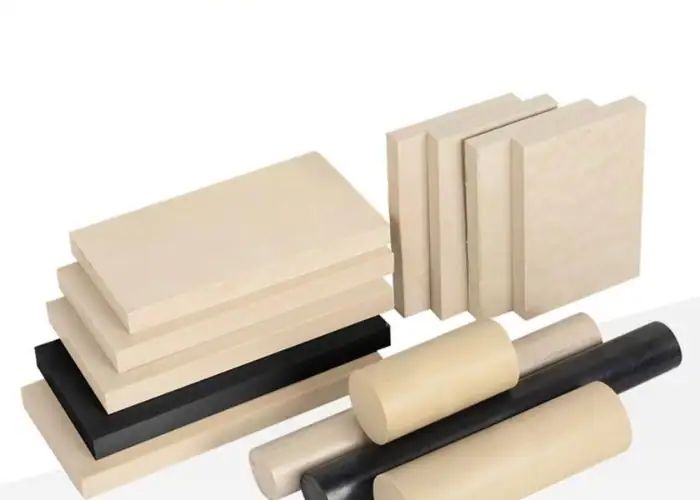
What Is ULTEM (PEI)?
ULTEM, or Polyetherimide, provides outstanding dimensional stability, chemical resistance, and electrical insulation. While slightly less strong than PEEK, ULTEM excels in applications where thermal stability and electrical performance are critical, such as electronic housings and high-temperature components.
Moreover, ULTEM offers a higher glass transition temperature compared to many other engineering plastics, enabling parts to maintain precise dimensions under continuous heat. This makes it particularly advantageous for components that require both structural integrity and reliable insulation.
Typical Grades And Forms
Both PEEK and ULTEM are available in rods, sheets, and CNC-ready blanks, which makes them versatile for prototyping and production. When comparing peek vs ultem, engineers evaluate factors such as temperature tolerance, mechanical properties, chemical resistance, and cost to determine the most suitable material for precision CNC machining.
Additionally, different grades of PEEK and ULTEM can be selected depending on specific performance needs, such as reinforced versions for extra wear resistance or self-lubricating variants for low-friction applications. This flexibility allows designers to tailor material selection to precise part requirements.
How Do Their Mechanical And Thermal Properties Compare?
Understanding the mechanical and thermal properties of PEEK and ULTEM is essential for selecting the right CNC material. These properties determine how parts perform under stress, heat, and long-term use, ensuring reliability and precision.
Tensile Strength And Flexural Modulus
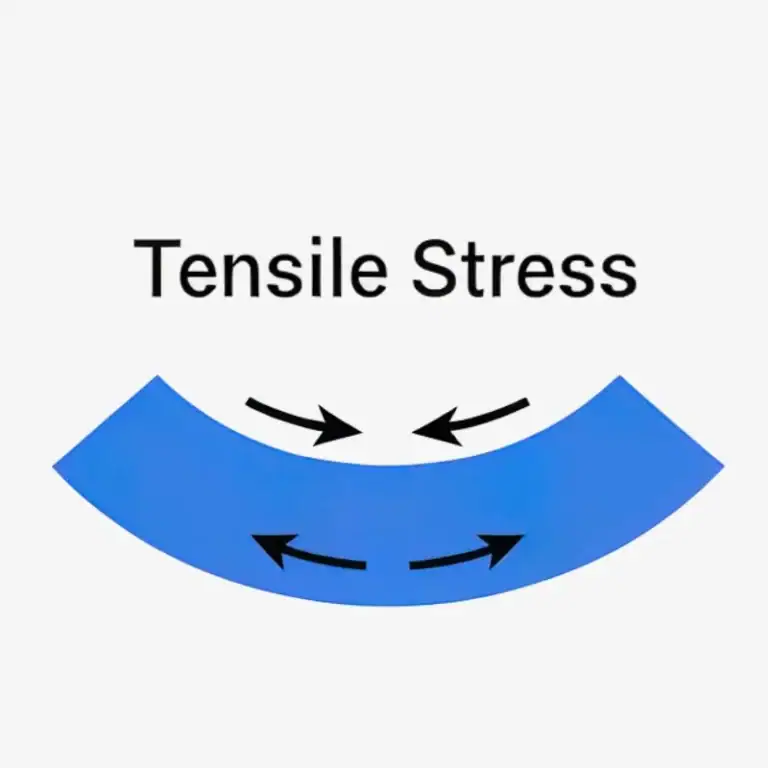
PEEK provides higher tensile strength (90–100 MPa) and a flexural modulus of around 4 GPa, making it ideal for high-stress CNC components. ULTEM has slightly lower tensile strength (~90 MPa) and flexural modulus (~3.2 GPa), still sufficient for electronic housings and industrial parts. Comparing peek vs ultem, engineers focus on these properties to ensure parts withstand operational loads without deforming.
Heat Resistance And Continuous Use Temperature
PEEK can withstand continuous use up to 260°C and melts around 343°C. ULTEM performs reliably up to 170–200°C. PEEK is better for aerospace, automotive, and medical components exposed to high temperatures, whereas ULTEM is chosen for parts requiring dimensional stability and electrical insulation under moderate heat.
Impact Resistance And Wear Behavior
PEEK demonstrates excellent impact resistance and wear performance, ideal for gears, moving parts, and high-load components. ULTEM offers good impact resistance but prioritizes dimensional stability and electrical performance. Evaluating peek vs ultem helps engineers select materials for durability and precision in CNC machined parts.
What Are The Chemical And Electrical Differences Between Them?
Understanding the mechanical and thermal properties of PEEK and ULTEM is essential for selecting the right CNC material. These properties determine how parts perform under stress, heat, and long-term use, ensuring reliability and precision.
Tensile Strength And Flexural Modulus
PEEK provides higher tensile strength (90–100 MPa) and a flexural modulus of around 4 GPa, making it ideal for high-stress CNC components. ULTEM has slightly lower tensile strength (~90 MPa) and flexural modulus (~3.2 GPa), still sufficient for electronic housings and industrial parts. Comparing peek vs ultem, engineers focus on these properties to ensure parts withstand operational loads without deforming.
Heat Resistance And Continuous Use Temperature
PEEK can withstand continuous use up to 260°C and melts around 343°C. ULTEM performs reliably up to 170–200°C. PEEK is better for aerospace, automotive, and medical components exposed to high temperatures, whereas ULTEM is chosen for parts requiring dimensional stability and electrical insulation under moderate heat.
Impact Resistance And Wear Behavior
PEEK demonstrates excellent impact resistance and wear performance, ideal for gears, moving parts, and high-load components. ULTEM offers good impact resistance but prioritizes dimensional stability and electrical performance. Evaluating peek vs ultem helps engineers select materials for durability and precision in CNC machined parts.
How Do PEEK And ULTEM Perform In CNC Machining And Fabrication?
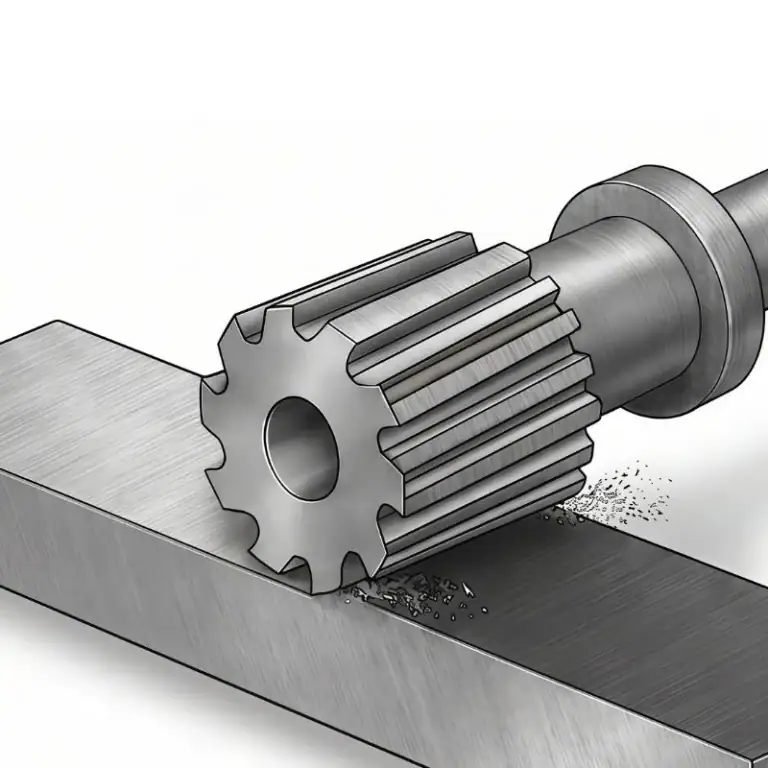
Machinability is a key factor when selecting materials for CNC parts. Both PEEK and ULTEM can be precisely machined, but they have different cutting characteristics, tool requirements, and post-processing considerations. Understanding these differences helps engineers optimize part performance and reduce manufacturing issues.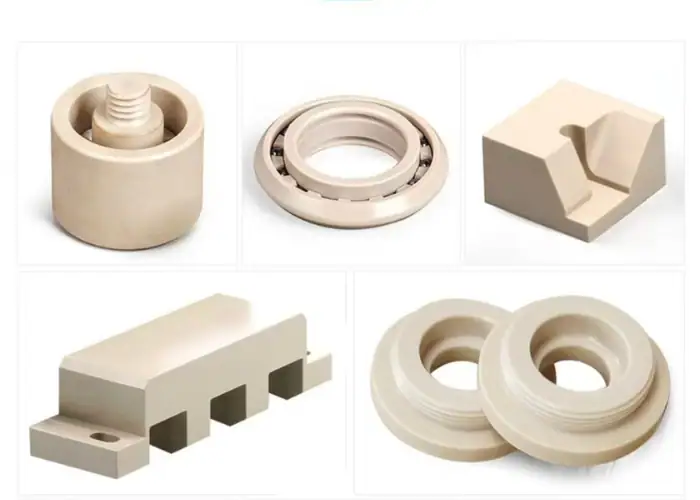
CNC Machining Ease
PEEK machines well with standard carbide or high-speed steel tools, producing smooth surfaces and maintaining tight tolerances. ULTEM is slightly harder on tools, requiring slower feed rates to avoid overheating, but still provides precise, high-quality finishes. Comparing peek vs ultem, PEEK is often preferred for high-volume parts where efficiency is critical, while ULTEM is chosen for complex geometries requiring dimensional stability.
Surface Finish And Tolerance Control
Both PEEK and ULTEM achieve excellent surface finishes, but PEEK’s lower thermal expansion allows for more consistent dimensional accuracy during long machining cycles. ULTEM maintains shape under moderate heat and is ideal for parts where tight electrical or mechanical tolerances are essential. Engineers must consider these characteristics when deciding between peek vs ultem for precision CNC components.
Post-Processing Considerations
PEEK is compatible with various post-processing techniques such as annealing or surface polishing to enhance wear resistance. ULTEM can be chemically smoothed or lightly heat-treated to stabilize dimensions further. Selecting the right post-processing method based on material behavior ensures optimal performance in CNC machined parts.
What Manufacturing Methods Are Commonly Used For PEEK And ULTEM Parts?
PEEK and ULTEM parts can be produced by several manufacturing methods, depending on the part geometry, quantity, tolerance requirements, and budget. For prototypes and precision components, CNC machining is often the most practical choice. For larger production volumes, molding or additive manufacturing may also be considered.
CNC Milling
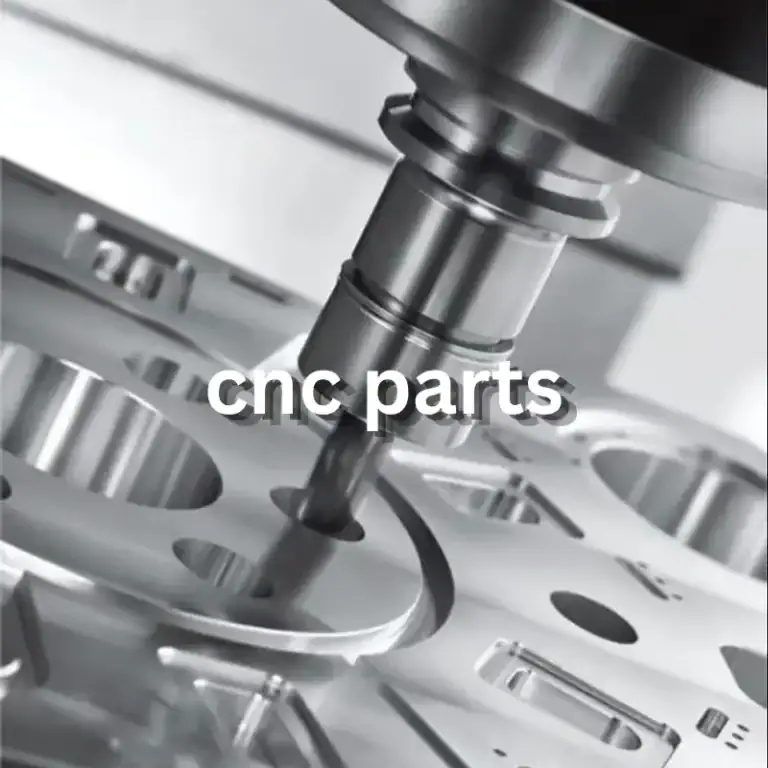
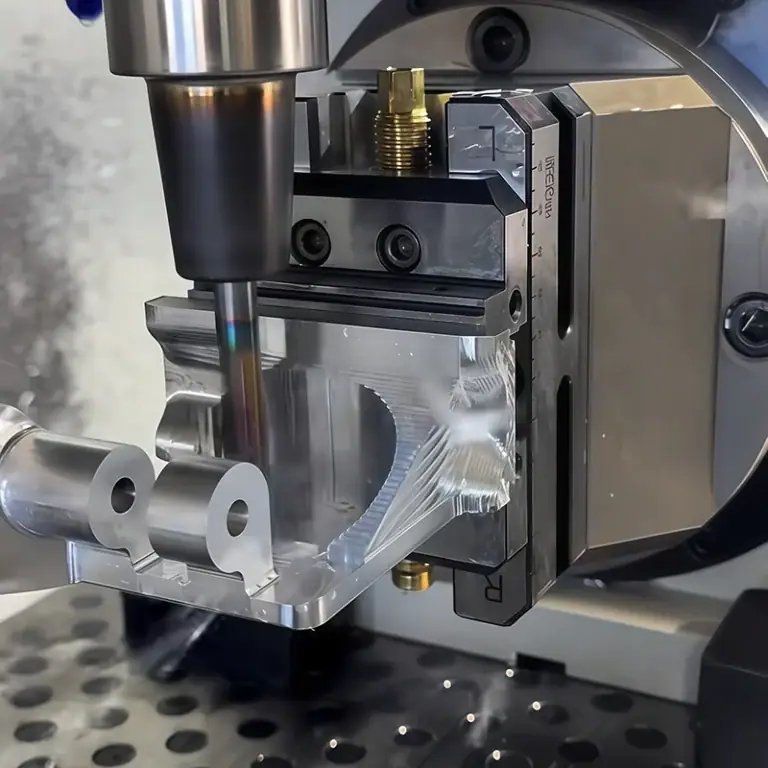
CNC milling is one of the most common methods for producing PEEK and ULTEM parts. It is suitable for flat parts, housings, brackets, plates, fixtures, pockets, slots, and complex surface features.
PEEK usually machines well with sharp tools and controlled cutting parameters, making it suitable for high-strength mechanical parts. ULTEM also performs well in milling, especially when the part requires stable dimensions, electrical insulation, and clean machined surfaces.
5-Axis CNC Machining For Complex Parts
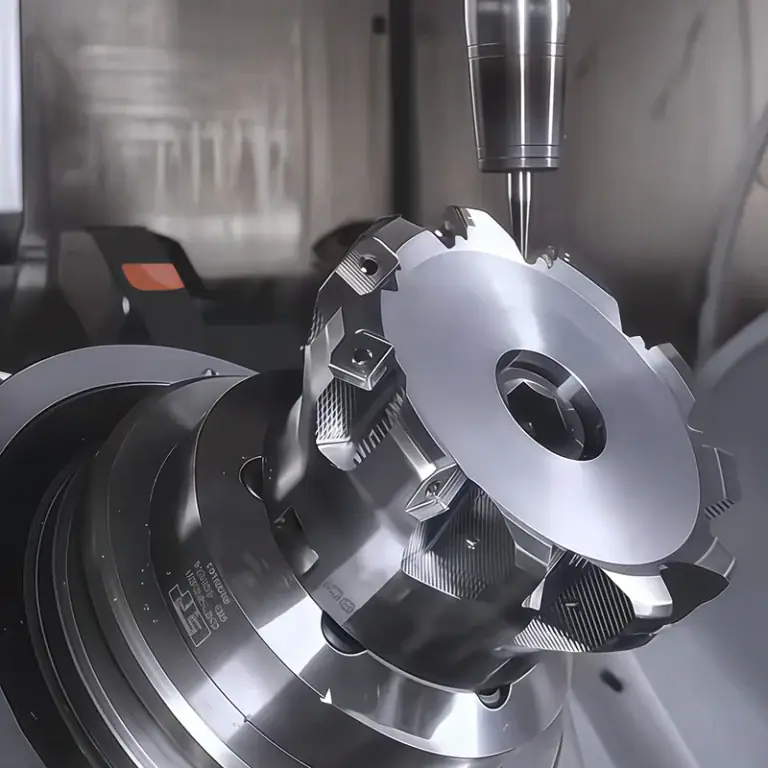
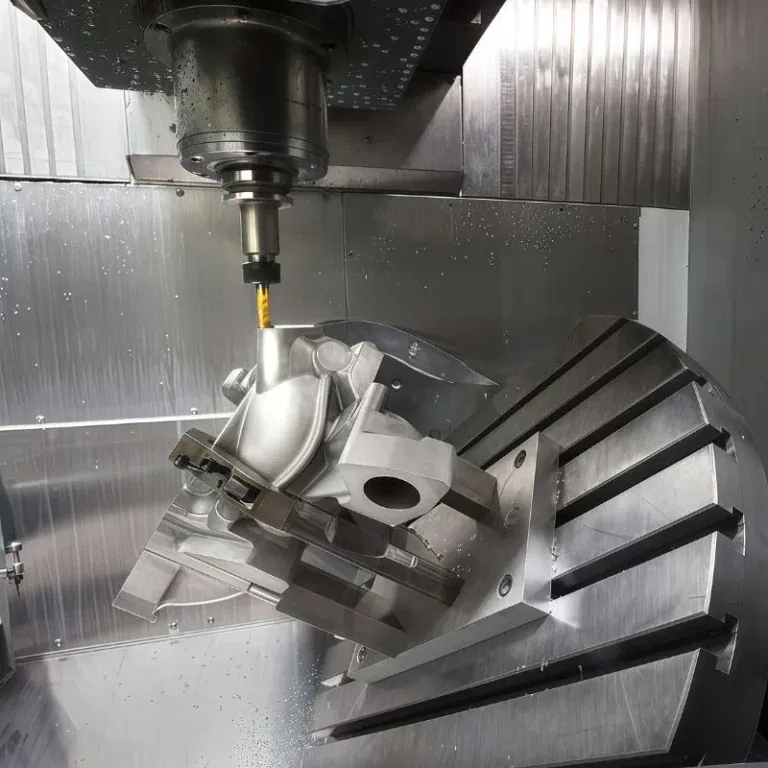
For parts with complex angles, curved surfaces, multiple sides, or tight assembly features, 5-axis CNC machining is a better option. It reduces repeated clamping and helps improve accuracy, especially for high-performance plastic parts with demanding geometries.
This method is useful for aerospace, medical, robotics, and industrial components where precision and consistency are important. Both PEEK and ULTEM can be machined with 5-axis equipment, but the machining strategy should control heat, tool pressure, and internal stress.
CNC Turning
CNC turning is commonly used for round PEEK and ULTEM parts, such as bushings, sleeves, spacers, rollers, rings, collars, and threaded components. It is efficient for parts made from rod stock and can achieve stable dimensions when the material and cutting process are properly controlled.
PEEK is often selected for turned parts that need wear resistance, strength, or chemical stability. ULTEM is more suitable when the turned part needs electrical insulation, dimensional stability, or heat resistance in a lightweight plastic design.
Injection Molding
Injection molding is suitable for high-volume PEEK and ULTEM parts when the design is finalized and the quantity is large enough to justify mold cost. It can produce repeatable parts with lower unit cost in mass production.
However, molding requires tooling investment and longer preparation time. For early prototypes, design validation, or small production runs, CNC machining is usually more flexible because it avoids mold cost and allows faster design changes.
3D Printing And Additive Manufacturing
Some high-performance grades of PEEK and ULTEM can also be used in 3D printing. This method is useful for lightweight structures, complex internal channels, and functional prototypes that are difficult to machine from solid stock.
However, 3D printed parts may not always provide the same surface finish, tolerance, or strength consistency as CNC machined parts. For precision PEEK and ULTEM components, CNC machining is still preferred when tight dimensions, smooth surfaces, and reliable mechanical performance are required.
What About Cost And Availability—How Do They Differ?
Cost and availability are crucial factors when selecting materials for CNC machining projects. PEEK and ULTEM vary in price and supply, which can influence project budgeting, lead times, and material selection decisions.
Material Cost Comparison
PEEK is generally more expensive than ULTEM due to its higher performance in mechanical strength and thermal endurance. Prices vary depending on grade, form (rod, sheet, or blank), and supplier. ULTEM is slightly more cost-effective while still providing strong thermal stability and chemical resistance. When comparing peek vs ultem, cost often becomes a decisive factor for large-volume production or prototype budgeting.
Supply And Stock Availability
Both PEEK and ULTEM are widely available in rods, sheets, and CNC-ready blanks, but PEEK may have longer lead times for specific high-performance grades. ULTEM is often easier to source in standard sizes and grades, making it suitable for rapid prototyping and smaller production runs. Engineers must consider these differences when planning CNC projects.
Cost-Effectiveness For Prototyping Vs Production
For small batch prototypes, ULTEM’s lower cost and adequate performance may be preferred. In high-load, high-temperature, or high-wear production parts, the additional investment in PEEK is justified by its superior mechanical and thermal properties. Understanding peek vs ultem cost-performance trade-offs ensures optimal material selection for each CNC application.
Which Applications Are Best Suited For PEEK And ULTEM?
PEEK and ULTEM are high-performance plastics with complementary strengths, making them suitable for different CNC applications. Understanding where each material excels helps engineers optimize performance, reliability, and cost for various industrial components.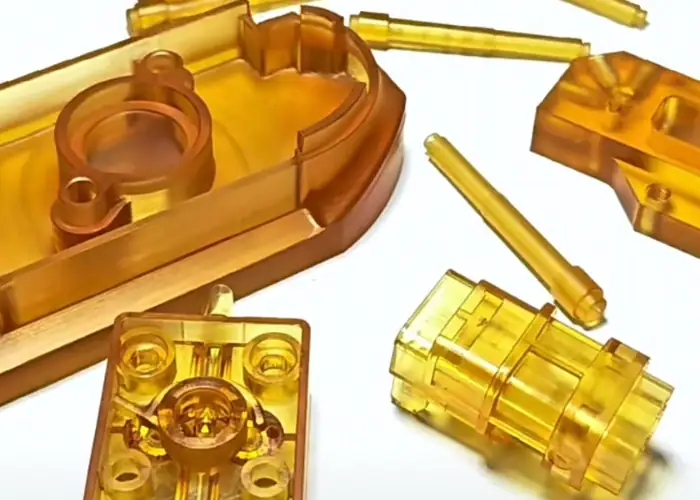
Aerospace And Defense Applications
PEEK’s high thermal resistance, mechanical strength, and chemical stability make it ideal for aerospace components such as brackets, bearings, and structural supports. ULTEM is often used in aerospace electrical housings and insulation components where dimensional stability and dielectric strength are critical. Comparing peek vs ultem, engineers choose PEEK for load-bearing parts and ULTEM for electrically sensitive or heat-stable components.
Medical And Electronics Applications
PEEK is widely used in medical implants, surgical instruments, and precision components due to its biocompatibility and sterilization resistance. ULTEM’s excellent electrical insulation and chemical resistance make it suitable for electronic housings, connectors, and high-temperature circuit components. Selecting between peek vs ultem depends on whether mechanical durability or electrical/chemical performance is the priority.
Industrial, Automotive, And Robotics Parts
PEEK provides wear resistance and dimensional stability for gears, sliders, and high-load automotive parts. ULTEM, with its dimensional and thermal stability, is used in robotics components, fixtures, and housings where precision and insulation are essential. Evaluating peek vs ultem ensures each CNC part meets performance and operational requirements.
How Should You Choose Between PEEK Vs ULTEM For Your Parts?
Selecting between PEEK and ULTEM requires evaluating the part’s functional requirements, environmental conditions, and budget constraints. By understanding each material’s strengths and limitations, engineers can make informed decisions to ensure reliability, performance, and cost-effectiveness in CNC machined parts.
| Feature | PEEK | ULTEM | Recommended Applications |
| Tensile Strength | 90–100 MPa | ~90 MPa | High-load mechanical parts → PEEK |
| Flexural Modulus | ~4 GPa | ~3.2 GPa | Structural components under stress → PEEK |
| Continuous Use Temperature | Up to 260°C | 170–200°C | High-temperature CNC parts → PEEK |
| Thermal Expansion | Low | Moderate | Dimensional-critical parts → PEEK |
| Electrical Insulation | Good | Excellent | Electronic housings → ULTEM |
| Chemical Resistance | Excellent | Very Good | Chemical-exposed components → PEEK preferred for strong alkalis |
| Machinability | Easy, stable tolerances | Requires slower feed, precise control | High-volume production → PEEK; Complex shapes → ULTEM |
| Cost | Higher | Lower | Prototyping → ULTEM; High-performance production → PEEK |
| Availability | Standard grades, may have longer lead times for high-performance variants | Widely available, easier sourcing | Fast prototyping → ULTEM; Specialized CNC parts → PEEK |
FAQs
How Many Times More Expensive Is PEEK Than ULTEM?
I estimate PEEK is typically 2–3 times more expensive than ULTEM, depending on grade, form, and supplier. High-performance or medical-grade PEEK can reach 2–5 times the cost. I usually recommend PEEK only when higher heat resistance, wear strength, or chemical stability is required for CNC parts.
Is PEEK The Strongest Plastic?
PEEK is one of the strongest high-performance thermoplastics, with tensile strength around 90–110 MPa. Reinforced grades perform even better. I often choose PEEK for CNC parts requiring a balance of strength, heat resistance, wear resistance, and chemical stability in aerospace, medical, or industrial applications.
What Is Another Name For ULTEM?
ULTEM is also known as PEI (Polyetherimide). I consider it an amorphous engineering plastic with high heat resistance, excellent electrical insulation, and chemical stability. When comparing ULTEM vs PEEK, I usually highlight PEI’s suitability for electronic housings and high-temperature components.
What Makes PEEK So Expensive?
PEEK is costly because it combines high mechanical strength, thermal resistance (up to 260°C), chemical resistance, and low wear. Its semi-crystalline structure and demanding processing—like controlled tooling and annealing—increase material and CNC machining costs. I choose it for critical, high-performance components.
What Is Another Name For PEEK Material?
PEEK is also called Polyether Ether Ketone, part of the PAEK family. I use this name to distinguish it from amorphous plastics like ULTEM when selecting CNC materials for high-load, high-temperature, and chemically demanding parts.
Conclusion
PEEK and ULTEM are both high-performance engineering plastics suitable for CNC machining. PEEK is better for parts that require high strength, wear resistance, heat resistance, and chemical stability, while ULTEM is a practical choice for applications that need dimensional stability, electrical insulation, and better cost control.
At TiRapid, we provide precision CNC machining services for engineering plastics, helping customers choose the right material for prototypes and production parts based on drawings, performance needs, and application requirements.