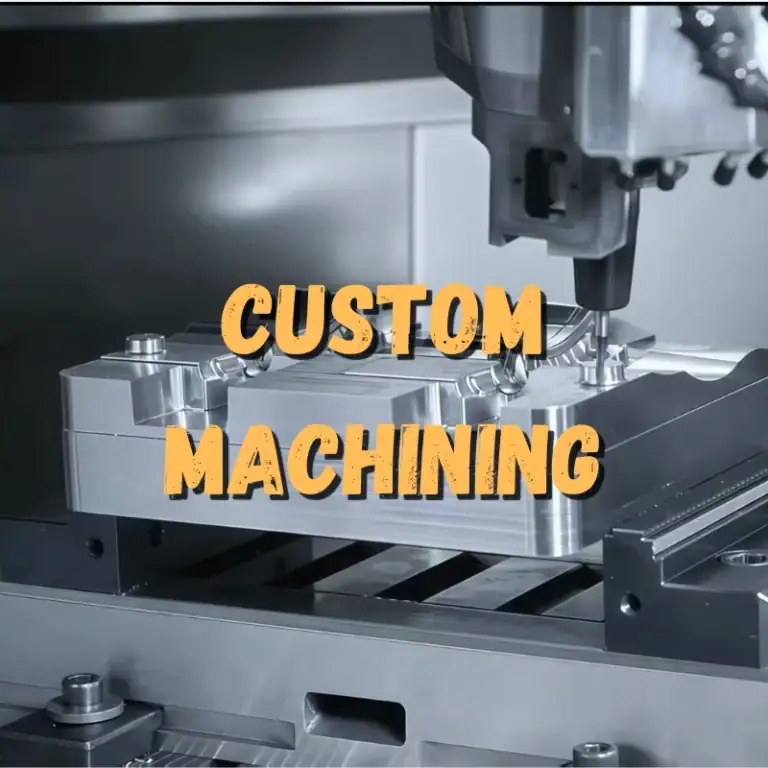
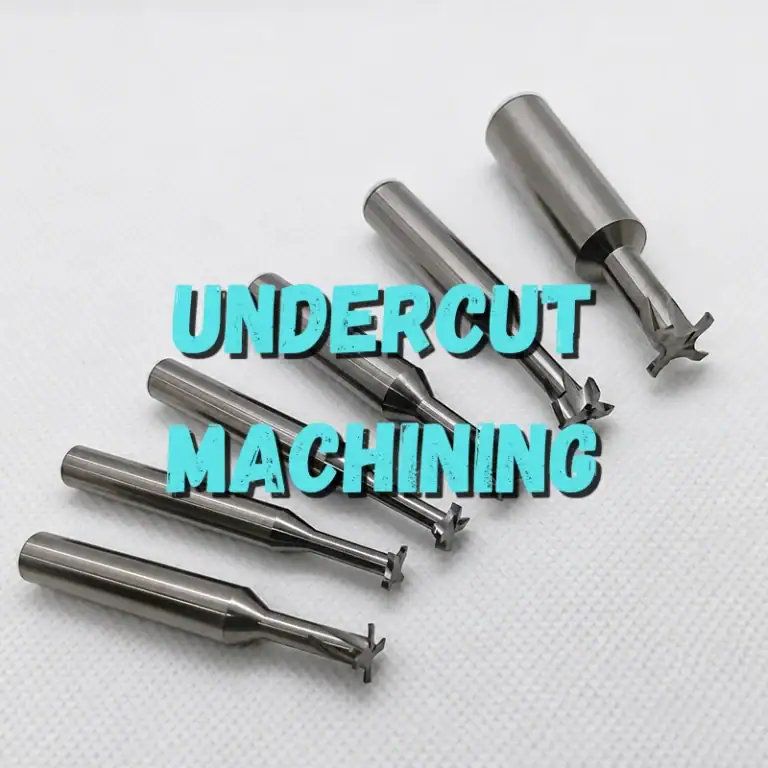
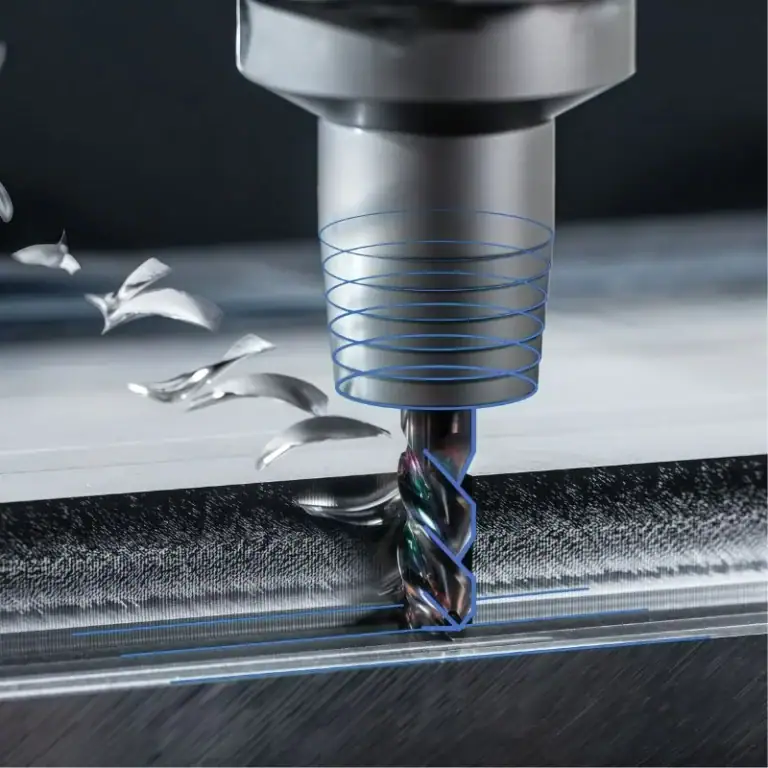
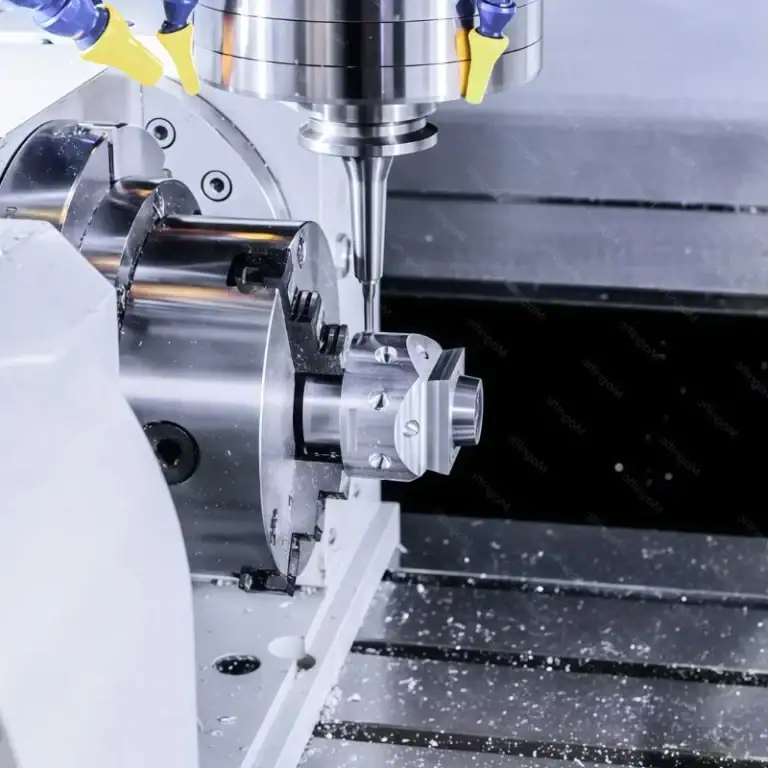
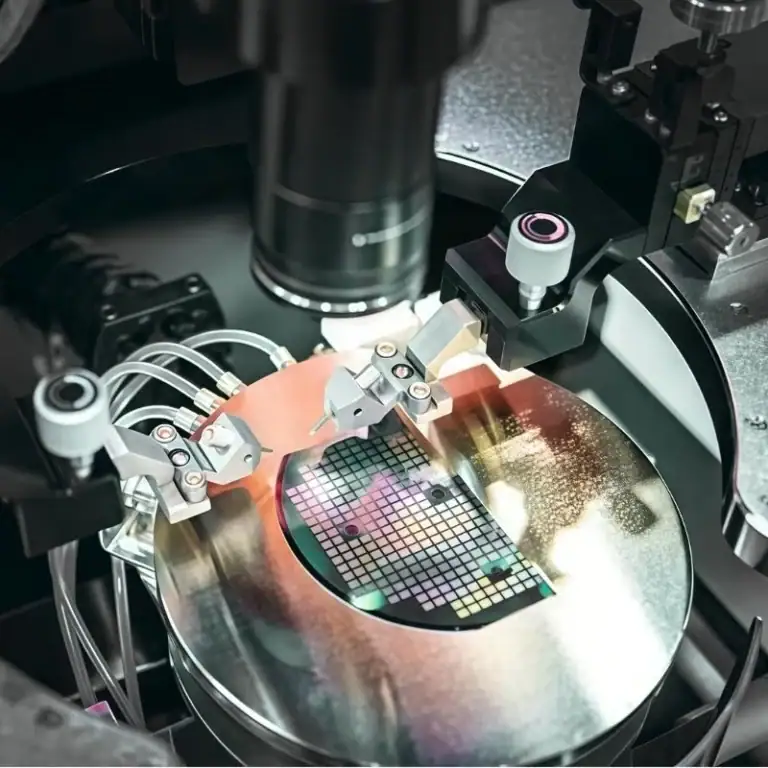
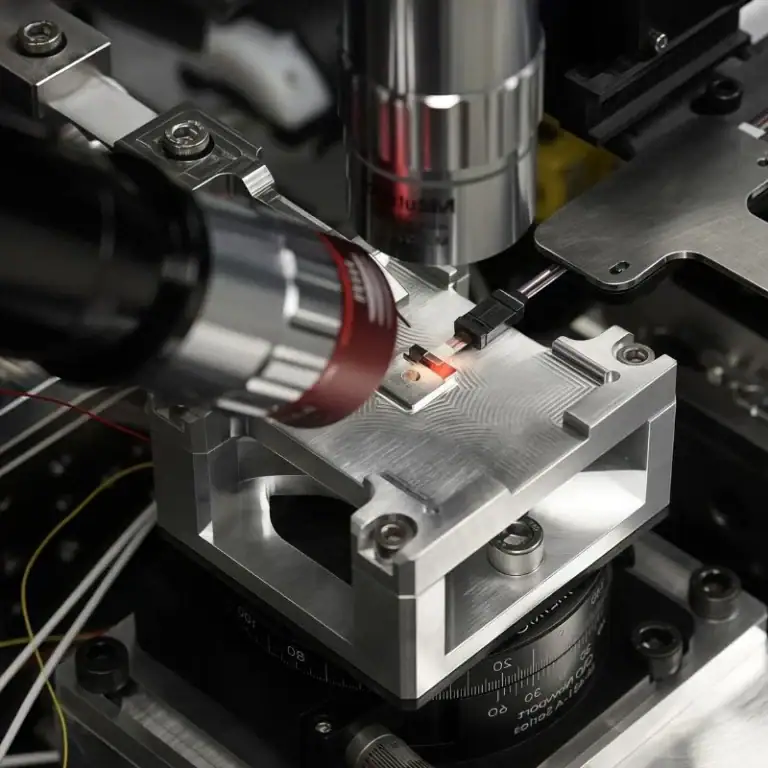
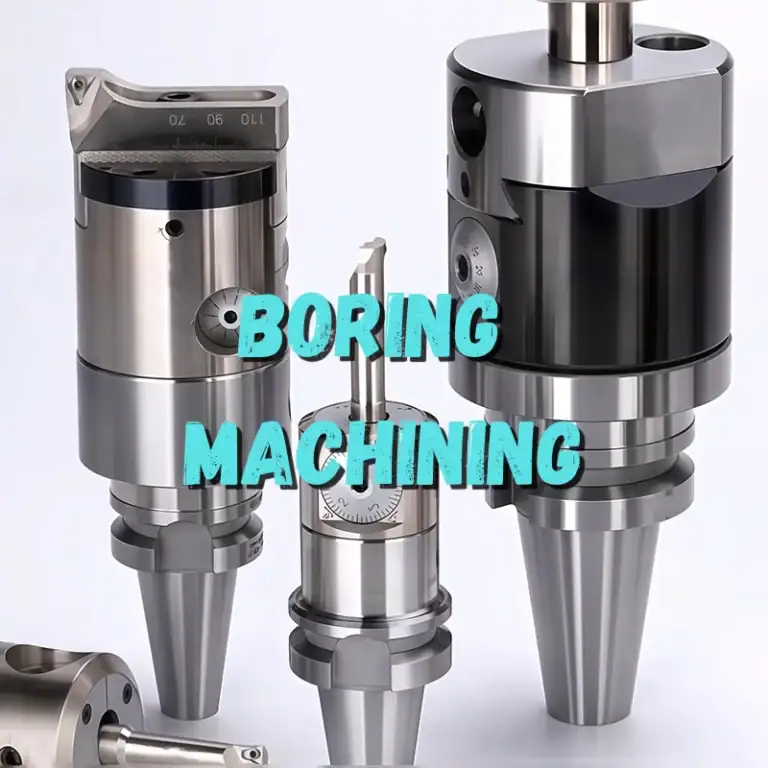
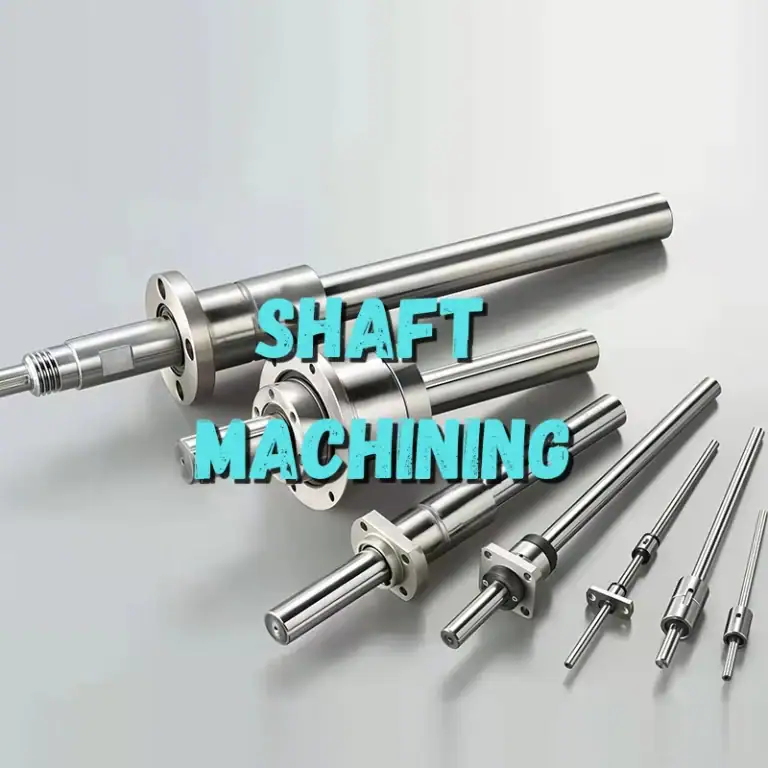
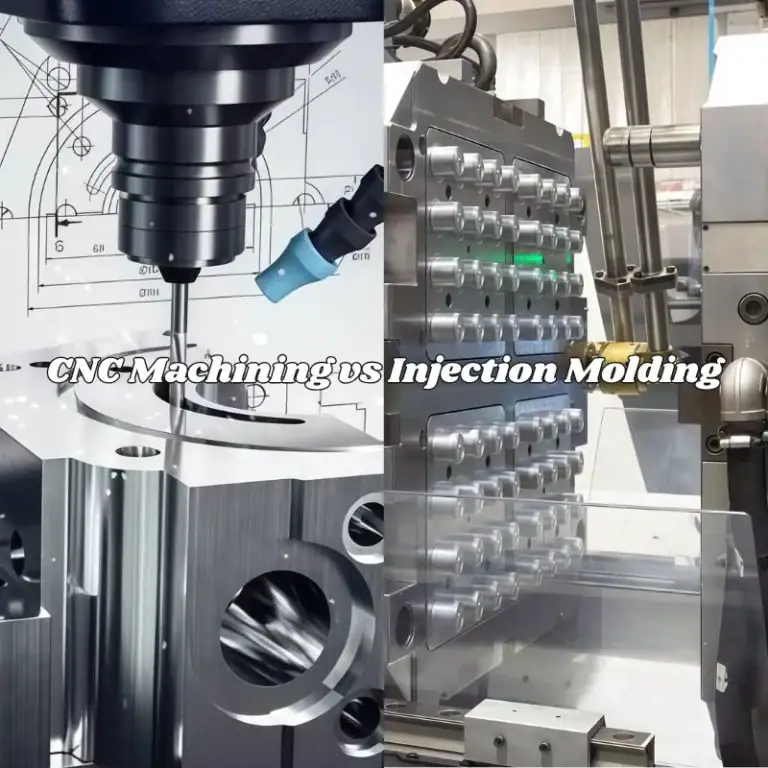
As modern manufacturing continues to evolve towards higher precision, higher efficiency, and greater intelligence, CNC milling technology has become one of the core machining methods in precision manufacturing systems. CNC milling not only enables the machining of complex structures but also meets the high requirements for dimensional accuracy and machining consistency in industries such as aerospace, automotive manufacturing, electronic equipment, and medical devices. Compared to traditional machining methods, CNC milling uses program-controlled tool movement, making the machining process more stable and reducing the impact of human error, thus occupying an important position in modern industrial production.
What is CNC Milling?
CNC milling is a manufacturing technology that uses computer programs to control cutting tools for machining.
CNC stands for “Computer Numerical Control.” The equipment automatically controls the tool movement trajectory through a preset program to complete the cutting, shaping, and precision machining of the workpiece. Compared to traditional manual operation, CNC milling can achieve higher precision and more stable batch processing results. CNC milling technology is becoming an important part of modern precision manufacturing.
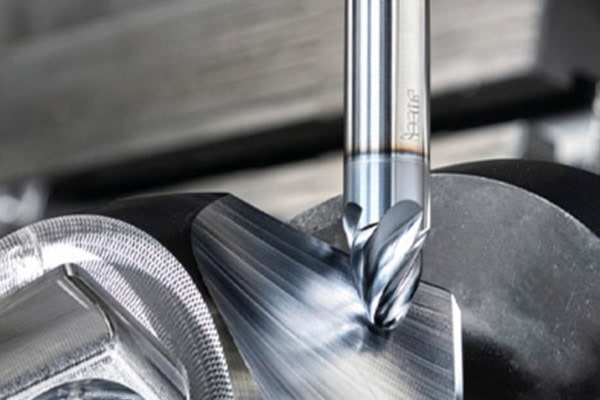
The Working Principle of CNC Milling
CNC milling achieves automated machining through program control. During the machining process, engineers first complete the product design using CAD software, then generate the machining path and CNC code using a CAM system. The equipment then controls the cutting tools according to the program to perform cutting. The machine tool spindle rotates at high speed, and the cutting tool moves in different directions according to the preset path, thus forming the target structure. Stable program control is a crucial foundation for achieving high-precision machining.
Common CNC Milling Types
Different types of CNC milling equipment are suitable for different machining needs.
- 3-axis CNC milling:Suitable for machining planes and basic structures, with a wide range of applications.
- 4-axis CNC milling:Increases rotary machining capabilities, improving the efficiency of machining complex parts.
- 5-axis CNC milling:Suitable for machining complex curved surfaces and high-precision structures.
- Vertical CNC milling:Suitable for machining small to medium-sized parts and precision structures.
- Horizontal CNC milling:Suitable for large parts and batch processing scenarios.
Diverse equipment structures can meet the machining needs of different industrial fields.
Common Materials Machined by CNC Milling
CNC milling has strong material adaptability.
(1) Aluminum Alloys
High machining efficiency, suitable for lightweight structures.
(2) Stainless Steel
Outstanding strength and corrosion resistance.
(3) Carbon Steel and Alloy Steel
Suitable for industrial structural component machining,
(4) Titanium Alloys
Used in aerospace and medical industries,
(5) Engineering Plastics
Suitable for prototype manufacturing and electronic casing machining,
(6) Composite Materials
Suitable for high-end lightweight structural components,
Different material properties determine the differences in machining processes and equipment requirements.
Main Advantages and Limitations of CNC Milling
Advantages
CNC milling possesses significant comprehensive advantages in modern manufacturing.
- High machining accuracy, enabling the manufacturing of complex structures.
- High degree of automation, reducing human error.
- More stable batch processing consistency.
- Suitable for processing complex curved surfaces and irregularly shaped parts.
- High production efficiency, shortening processing cycles.
- Can process various metallic and non-metallic materials.
High efficiency and high stability make CNC milling an important technology in modern manufacturing.
Limitations
While CNC milling has significant advantages, certain limitations remain.
- High initial equipment investment costs.
- Strong programming and process requirements.
- Difficulty in processing high-hardness materials.
- High precision requirements for complex parts.
- No significant cost advantage for small batches of simple parts.
Proper process planning can effectively improve overall processing efficiency.
Key Technologies of CNC Milling
Multiple core technologies collectively determine the quality of CNC machining
- High-precision spindle systems enhance cutting stability.
- Automatic tool changers improve machining efficiency.
- Cooling systems reduce the impact of thermal deformation.
- CAD/CAM software optimizes machining paths.
- Multi-axis linkage technology enhances the ability to machine complex structures.
Continuous technological upgrades are driving CNC machining towards higher precision.
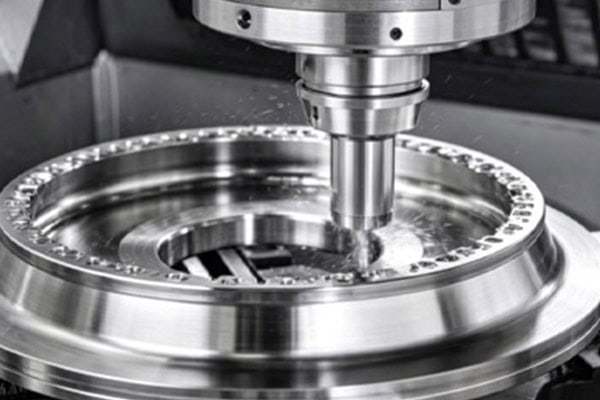
Main Application Areas of CNC Milling
CNC milling is widely used in many high-end manufacturing industries.
-
Aerospace Parts
Used for machining aircraft structural parts, engine parts, and high-strength lightweight components, requiring high precision and material stability.
-
Automotive Manufacturing
Widely used in machining engine parts, transmission structural parts, automotive molds, and new energy vehicle parts, improving part consistency and production efficiency.
-
Medical Devices
Used for machining high-precision medical equipment, surgical instruments, and implantable parts, requiring strict surface quality and dimensional control.
-
Electronic Equipment
Suitable for machining mobile phone casings, heat dissipation structures, precision electronic components, etc., enabling the manufacturing of complex appearances and intricate structures.
-
Industrial Automation
Used for producing mechanical structural components, automated equipment parts, and high-precision transmission structures, improving the operational stability of industrial equipment.
-
Mold Manufacturing
Suitable for machining complex mold cavities, curved surface structures, and high-precision molds, shortening product development cycles.
-
New Energy Industry
Applied to machining structural components for new energy equipment, battery casings, and energy storage system parts, meeting the requirements for lightweighting and high strength.
-
Consumer Product Manufacturing
Used for machining structural components for high-end home appliances, sporting goods, and personalized products, improving product appearance and quality.
These wide range of applications demonstrate the significant industrial value of CNC milling technology in modern manufacturing.
How to Choose the Right CNC Milling Solution
Selecting a suitable machining solution can improve production efficiency and machining quality.
- Choose the equipment type based on material properties.
- Choose the number of axes based on structural complexity.
- Adjust the machining process based on accuracy requirements.
- Optimize the production process based on batch requirements.
- Match the machining method based on cost budget.
A scientific machining solution can improve overall manufacturing stability and economy.
Conclusion
With its high precision, high efficiency, and powerful ability to machine complex structures, CNC milling technology has become an important machining method in modern manufacturing systems. This technology can meet the processing needs of traditional industrial parts and also adapt to the stringent precision machining requirements of high-end manufacturing fields such as aerospace, medical devices, and electronic equipment. Through programmed control and automated production, CNC milling is continuously improving the overall processing level and production efficiency of the manufacturing industry.