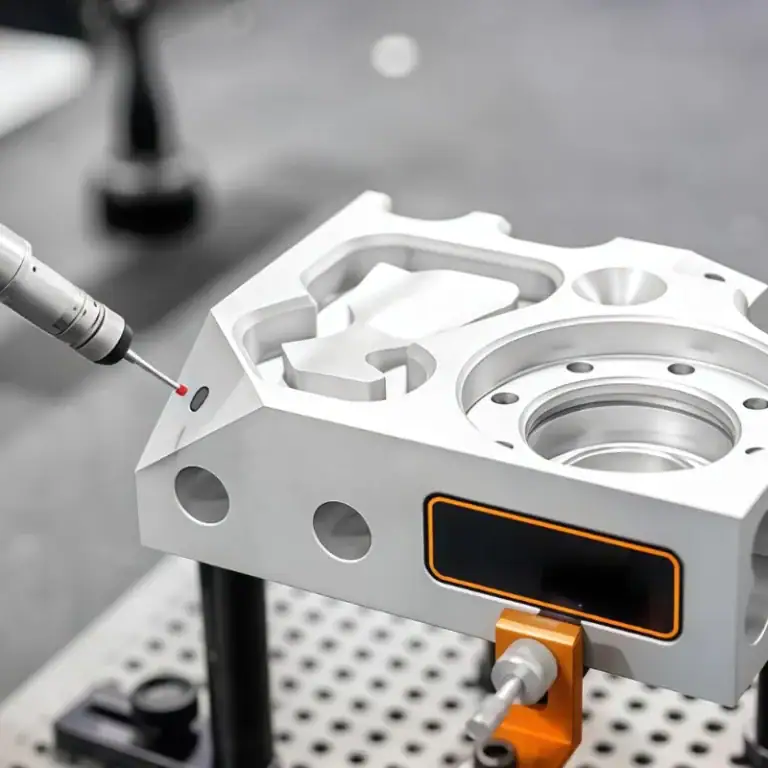
In plastic parts manufacturing, both CNC machining and 3D printing are common solutions, but their positioning differs. 3D printing is more like “building layer by layer from scratch,” suitable for rapid structural verification, creating complex shapes, and small-batch prototypes; while CNC plastic machining is more like “precise cutting from a single block of material,” emphasizing dimensional stability, surface quality, and batch consistency. Therefore, if a company prioritizes precision, appearance, strength, and durability, CNC plastic machining often has a more significant advantage.
What are CNC plastic machining and 3D printing respectively?
The Essence of CNC Plastic Machining
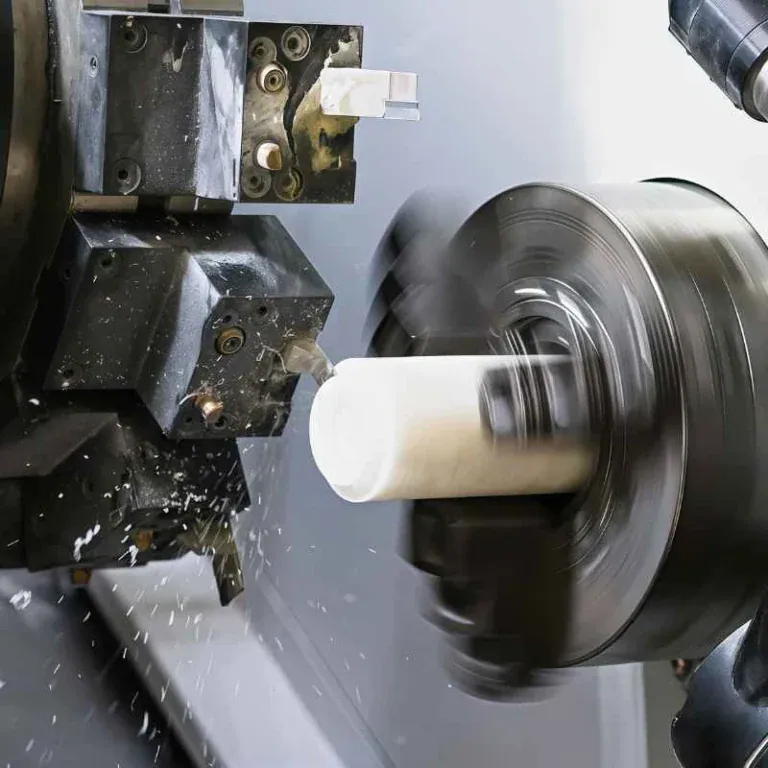
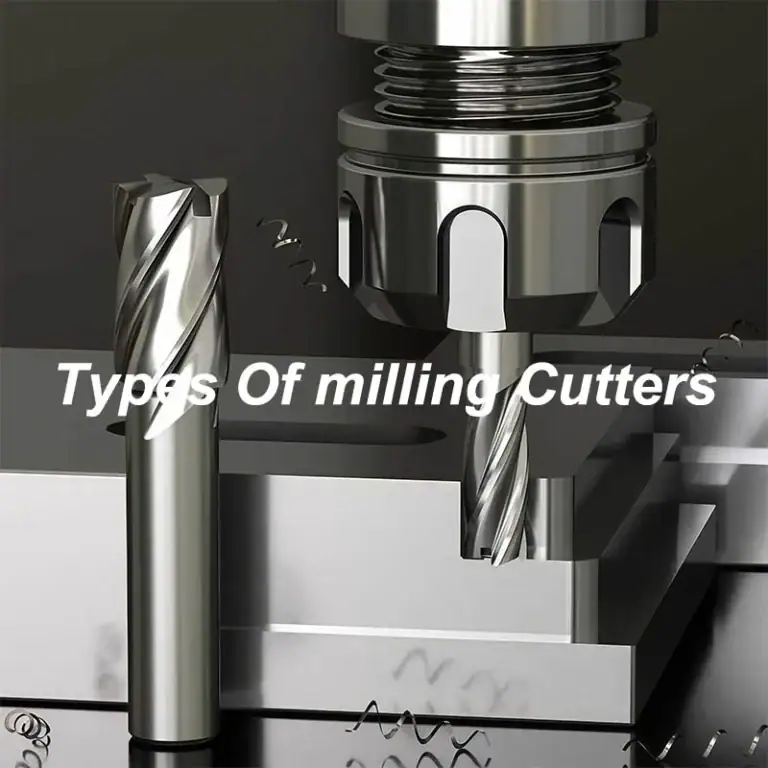
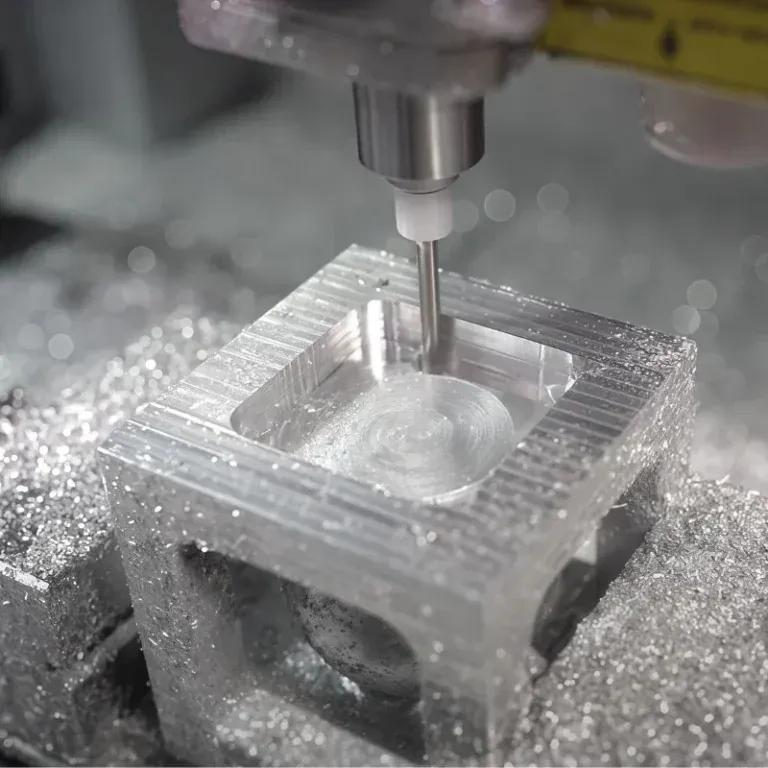
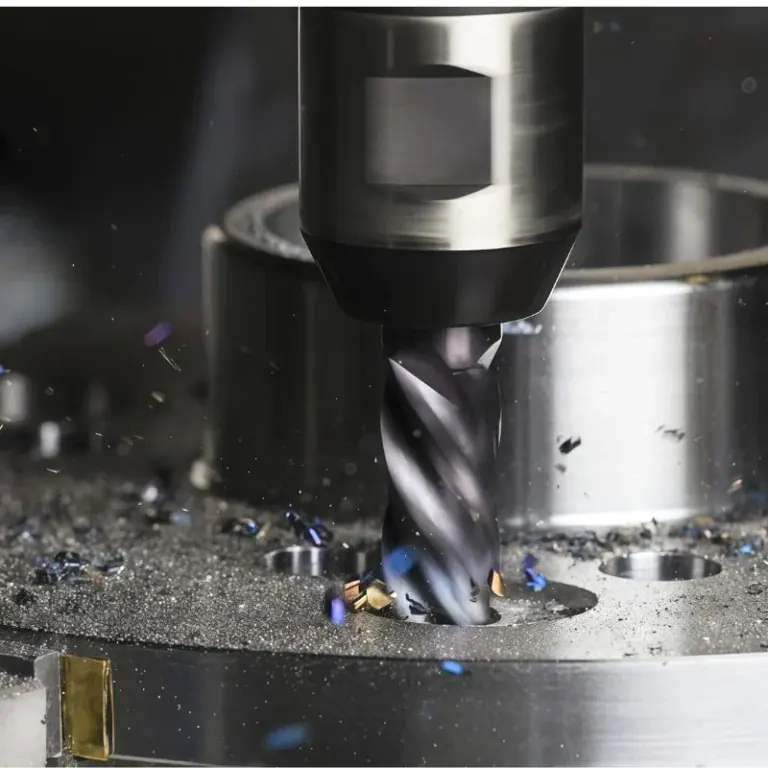
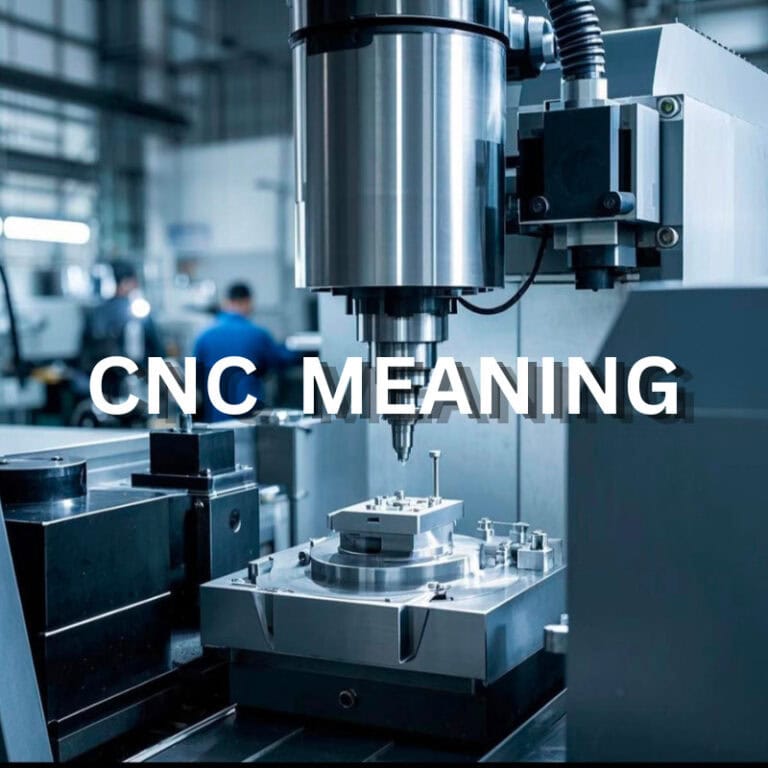
CNC plastic machining uses CNC machine tools, cutting tools, and programming to cut, mill, drill, chamfer, and finish plastic sheets, rods, or blocks to ultimately obtain the target part. It belongs to “subtractive manufacturing,” with high-precision material removal as its core. The biggest characteristic of this method is that the part comes from a single, homogeneous piece of material, resulting in a stable internal structure and high dimensional repeatability, making it particularly suitable for parts with high requirements for tolerances, flatness, and assembly surfaces.
The Essence of 3D Printing
3D printing typically involves building shapes by layering materials, falling under the category of “additive manufacturing.” Its advantages include the ability to create complex internal structures, hollow structures, and personalized shapes, rapid prototyping, and low initial development costs. However, 3D printed parts are often affected by layer cracks, shrinkage, support marks, and material orientation, resulting in less stable appearance and mechanical properties compared to CNC machining.
Core Differences Between the Two
CNC machining is more like “precisely processing a good piece of material,” while 3D printing is more like “quickly creating a design.” Therefore, 3D printing is valuable for functional verification, complex shapes, and rapid prototyping; however, CNC plastic machining is generally more advantageous for achieving precision, durability, appearance, and batch consistency.
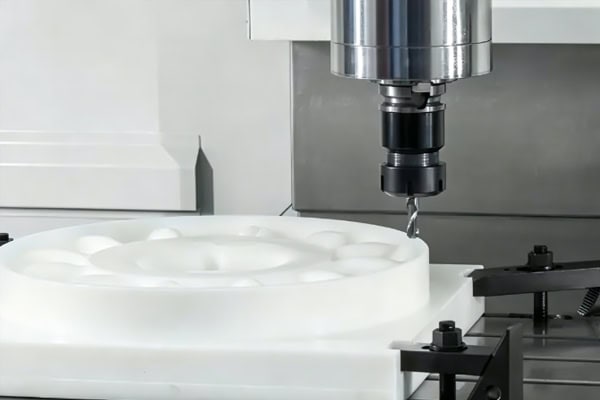
Why is CNC plastic machining more suitable for precision finished products?
Greater Stability from the Raw Material Stage
CNC plastic machining typically uses sheet metal, rods, or blocks with controlled specifications. The material itself has better uniformity and does not exhibit significant interlayer variations like some printed parts. This means that the machined parts exhibit more consistent performance in all directions, making them particularly suitable for load-bearing components, assemblies, and dimensional parts.
More Precise Programming and Path Control
CNC machining requires programming beforehand, setting the toolpath, depth of cut, feed rate, and machining sequence. This allows for precise control over the amount of material removed at each step, based on part requirements. In contrast, while 3D printing also relies on model slicing, the printing process is more influenced by equipment extrusion, thermal deformation, and interlayer bonding, resulting in less predictable final dimensions compared to CNC.
Real-Time Correction During Machining
In CNC machining, operators can correct problems through tool changes, parameter adjustments, fixture optimization, and mid-process inspections.This “process controllability” is ideal for the stable production of high-precision parts, whereas in 3D printing, if warping, delamination, or support failure occurs during the printing process, the entire part often needs to be remade.
Direct Assembly After Completion
CNC-machined parts typically have smoother surfaces, and their holes and edges are closer to the final usage requirements. Therefore, in many cases, only simple deburring or light processing is needed after machining before assembly. 3D printed parts, on the other hand, often require additional grinding, support removal, edge trimming, and even reinforcement or surface treatment, resulting in higher post-processing costs.
What are the advantages of CNC plastic machining compared to 3D printing?
Higher Dimensional Accuracy
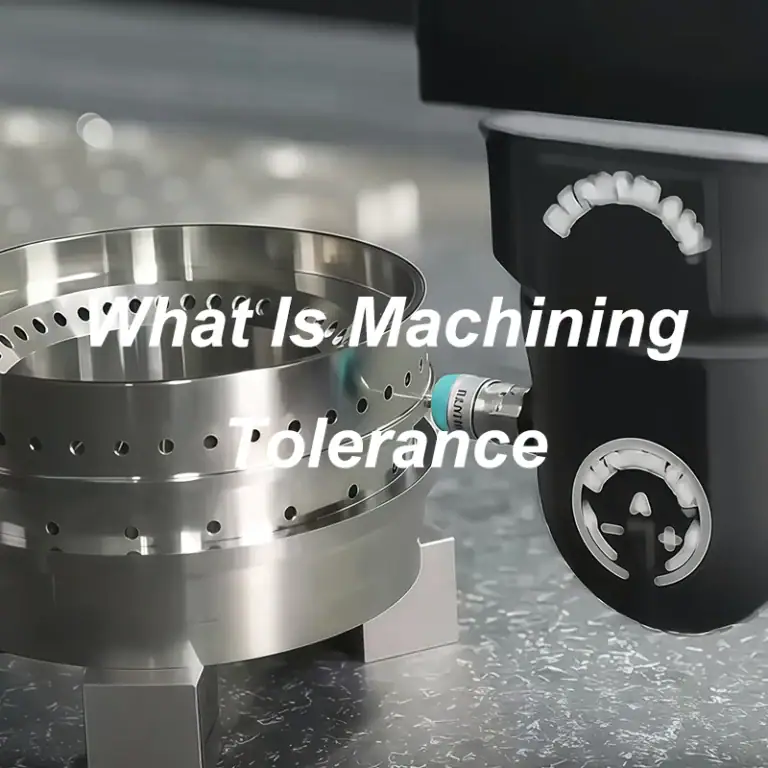
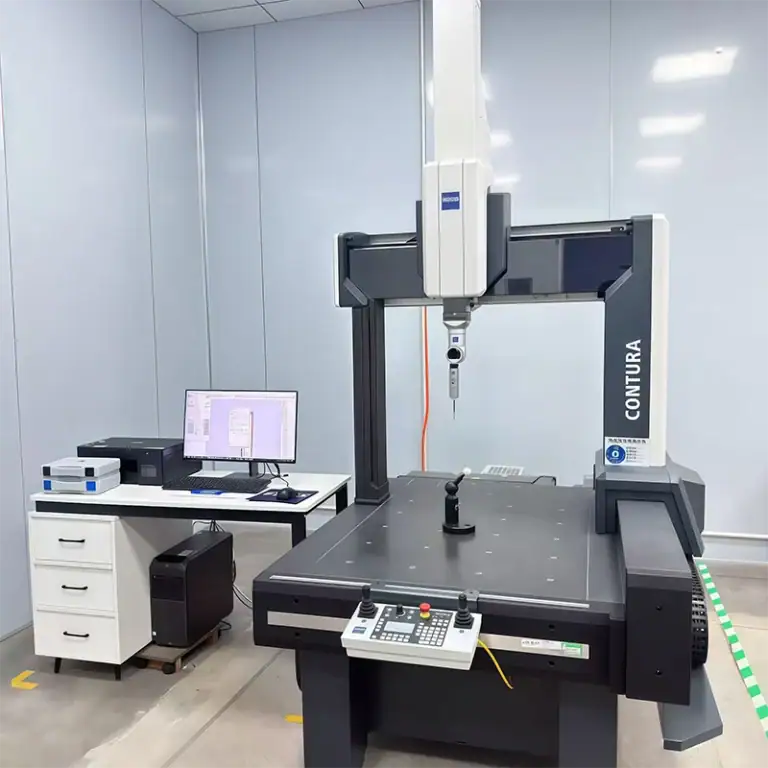
This is one of the most obvious advantages of CNC plastic machining. Because it involves precision cutting with cutting tools, combined with a CNC system controlling the path, the dimensions, tolerances, and hole accuracy of the parts are generally easier to control. For structural parts, fixtures, jigs, and functional parts requiring tight fits, CNC’s advantages are particularly prominent.
Better Surface Finish
A common problem with 3D printed parts is the obvious layer texture, especially on inclined surfaces, curved surfaces, and exterior parts. CNC-machined plastic parts typically have smoother surfaces, and with appropriate tools and parameters, a near-finished product-grade surface finish can even be achieved directly. This is especially important for transparent parts, exterior parts, and display parts.
Material Properties Closer to the Original State
Due to the layer-by-layer melting and stacking process, 3D printed parts often exhibit anisotropy within the material, meaning varying strengths in different directions. CNC machining, on the other hand, cuts directly from homogeneous materials, resulting in a more continuous internal structure and strength, toughness, and stability closer to the original raw material. Therefore, CNC parts are generally more reliable in stress-bearing, wear-resistant, and assembly scenarios.
Stronger Batch Consistency
For enterprise production, producing a single piece is relatively easy; the challenge lies in maintaining consistent batches. With stable materials, tools, and programs, CNC machining typically offers higher part consistency, making it suitable for mass delivery and long-term supply. 3D printing, however, is easily affected by variations in printing direction, ambient temperature, and layer thickness, making it difficult to achieve complete batch consistency.
Suitable for a Wider Range of Subsequent Processes
CNC parts are easier to process with subsequent finishing processes such as chamfering, tapping, milling, finishing, and polishing. They are also easier to integrate with metal parts, screws, inserts, and sealing structures. This makes it more practical in industrial manufacturing, medical devices, electronic housings, and equipment parts.
Differences in Performance of Different Plastics in CNC and 3D Printing
Engineering Plastics are Better Suitable for CNC to Achieve Stability
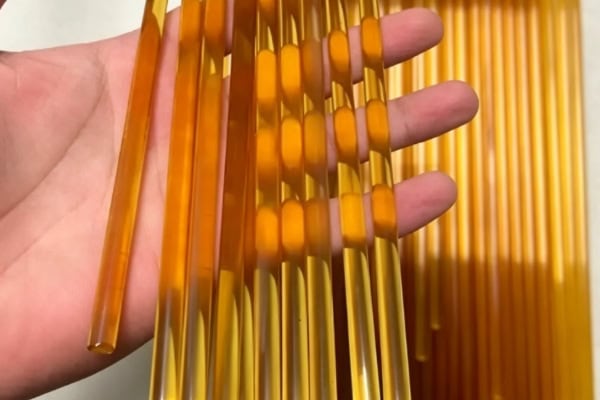
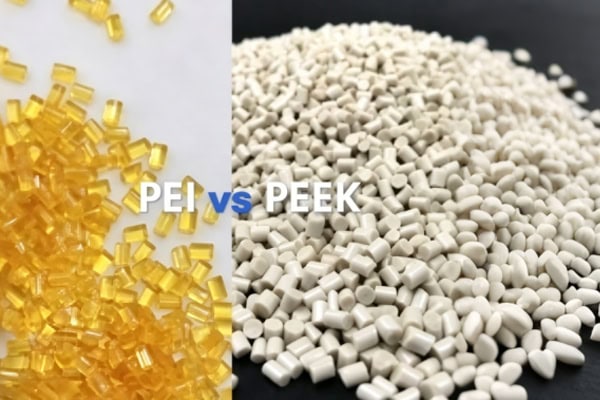
Materials such as POM, PC, PMMA, PA, PPS, and PEEK can better exhibit dimensional accuracy and surface finish in CNC machining. Especially for high-performance plastics like PEEK and PPS, CNC often has an advantage over 3D printing in functional parts, high-temperature resistant parts, and chemical-resistant parts.
Transparent Plastics Rely More on CNC Surface Control
For materials such as acrylic and transparent PC, CNC machining more easily achieves clear, bright, and smooth edges and surfaces. While 3D printing can also produce transparent parts, it is usually difficult to achieve truly high transparency, low layer texture, and low haze effects. Therefore, CNC has an advantage in display and aesthetic applications.
Careful Comparison of Soft and Elastic Materials
While some flexible materials are better suited for rapid 3D printing, CNC machining still holds a significant advantage if precise hole positioning, clean edges, and assembly reliability are paramount. Material selection should not solely focus on “whether it can be made,” but rather on “whether it can be used stably after production.”
Not All Scenarios are Suitable for One-Way Matching
Some products are first validated using 3D printing for shape and structure, then mass-produced using CNC. This combination is very common, indicating that the two are not in competition but rather have distinct roles. However, from the perspective of finished product quality and stable delivery, CNC plastic machining often has the advantage.
Main Advantages of CNC Plastic Machining Compared to 3D Printing
Higher Precision: More suitable for assembling parts with precise hole positioning, dimensional accuracy, and high tolerance requirements.
Better Surface Finish: Smoother surface with far fewer layer defects than in 3D printing.
More Stable Strength: Material is derived from a single block, resulting in more uniform internal properties.
More Consistent Batch Production: More suitable for long-term supply and repetitive production.
Less post-processing: Many parts can be used directly after machining.
Suitable for high-requirement materials: They are particularly advantageous for materials such as PEEK, PPS, PMMA, and PC.
Frequently Asked Questions
“Since 3D printing is faster, why choose CNC machining?”
The answer lies in the different end uses. 3D printing is fast and suitable for prototyping, verification, and complex structures, but its surface finish, strength, and precision are generally less stable than CNC. While CNC machining involves more detailed preparation, the resulting parts are closer to the final product, making it particularly suitable for scenarios requiring assembly, load-bearing capacity, durability, and aesthetic appeal. If the product is only for temporary verification, 3D printing is suitable; if the product is to be used in actual production, delivered in batches, or has quality requirements, CNC machining is often more reliable.
In conclusion
CNC machining and 3D printing are not necessarily replacements of each other, but rather correspond to different stages and needs. 3D printing excels at rapid testing, while CNC excels at stable finished products. The advantages of CNC machining are mainly reflected in precision, surface finish, strength, and batch consistency, making it particularly suitable for projects with high-quality part requirements. It is not the fastest solution, but it is often the most reliable. If a product requires accurate assembly, a clean appearance, and reliable performance, then CNC plastic machining is generally better suited to meet those needs. This advantage translates to less rework, higher yields, and more consistent delivery capabilities.