In high-end manufacturing industries, many parts may not be large in size, but they require extremely high standards for machining accuracy, surface quality, and assembly stability. From structural components used in aerospace equipment to medical devices, automotive parts, and industrial automation components, precision machining plays an essential role. Many customers looking for machining services often ask: What types of precision machining methods are available? Which process is suitable for different materials and part structures? In fact, precision machining is not a single manufacturing method. It involves selecting the right combination of technologies based on material properties, part design, production volume, and accuracy requirements. A proper machining solution not only ensures part quality but also helps companies reduce manufacturing costs and improve production efficiency.
What Are the Traditional Precision Machining Methods?
Although traditional machining methods have been developed for many years, they still play an important role in modern manufacturing. For parts with relatively stable structures and clear machining requirements, processes such as turning, milling, and grinding remain common choices. With proper process planning and accurate parameter control, these machining methods can meet the manufacturing requirements of many precision components.
Turning Machining for Precision Rotational Parts
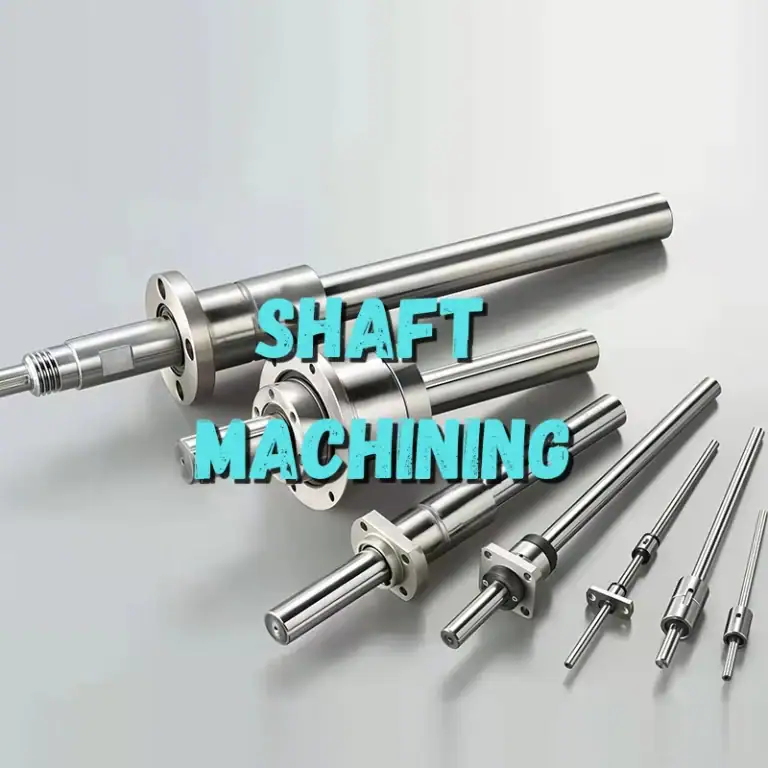
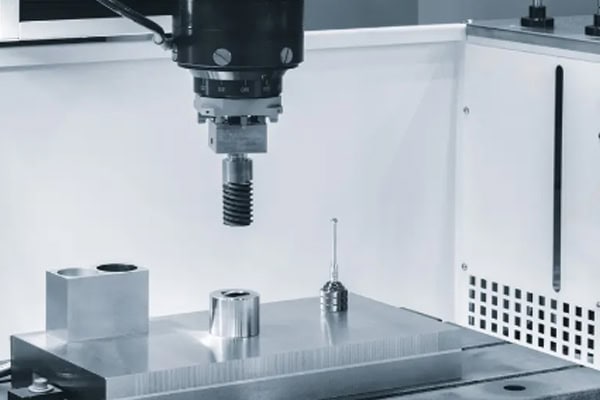
Turning is one of the most widely used machining methods. It removes material through the rotation of the workpiece and the movement of the cutting tool. For shafts, cylindrical components, and rotational parts, turning can quickly achieve accurate shapes while maintaining good dimensional stability.
- Suitable for shafts, sleeves, threaded parts, and cylindrical components.
- Improves machining accuracy by adjusting cutting speed and feed parameters.
- Suitable for mass production of precision parts with consistent dimensions.
In precision machining, turning not only improves production efficiency but also enhances processing consistency through CNC turning technology, helping meet strict requirements for dimensional tolerance and surface quality.
Milling Machining Meets Complex Part Manufacturing Requirements
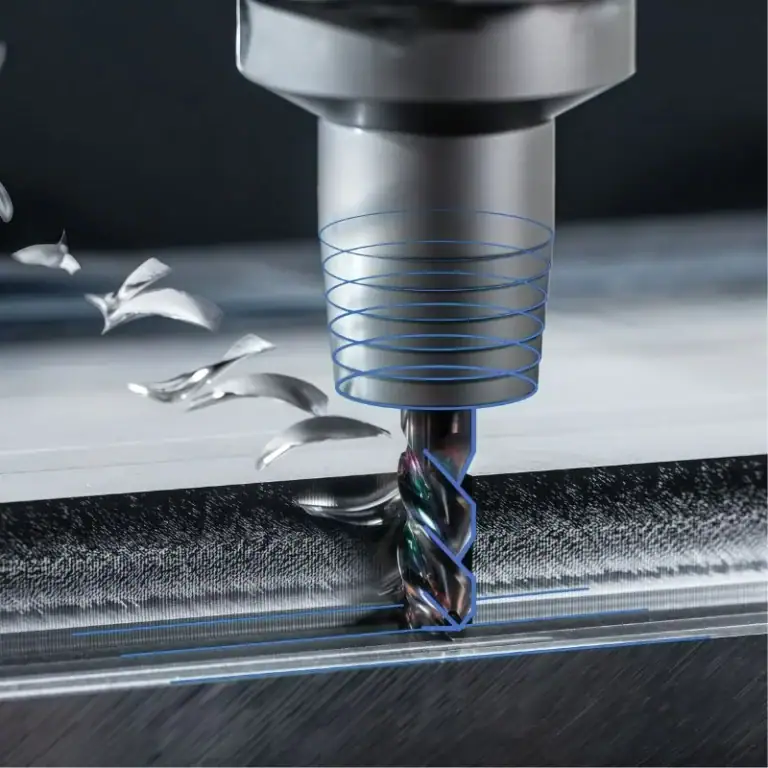
Milling uses high-speed rotating cutting tools to remove material and can process flat surfaces, grooves, holes, and complex contours. With the development of CNC technology, milling has become one of the most important methods for manufacturing precision components.
- Capable of processing materials such as aluminum alloys, stainless steel, and copper alloys.
- Suitable for complex structures and customized part production.
- Combined with CNC equipment, it enables automated and high-precision machining.
- Meets manufacturing requirements for multi-angle and multi-dimensional components.
For parts with complex designs and high flexibility requirements, milling provides a more adaptable manufacturing solution and has become one of the most commonly used technologies in CNC precision machining.
Grinding Improves Part Surface Accuracy
Grinding is usually used in the finishing stage of manufacturing. It uses grinding wheels to remove small amounts of material from the surface, achieving higher dimensional accuracy and better surface quality.
- Reduces surface roughness and improves smoothness.
- Suitable for bearings, molds, and precision mechanical components.
- Corrects minor dimensional errors caused by previous machining processes.
Although grinding is relatively slower compared with other processes, it plays an irreplaceable role in high-precision manufacturing and helps parts achieve stricter precision machining standards.
What Are the Main Types of CNC Precision Machining?
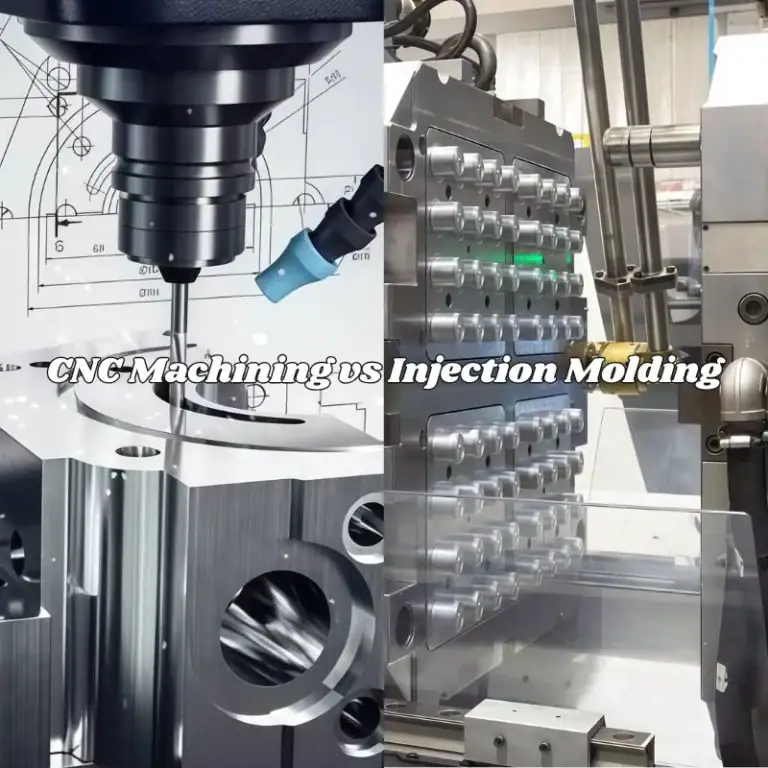
As manufacturing industries continue to demand higher efficiency and accuracy, CNC machining has become a core technology in precision manufacturing. By controlling machine movements through computer programs, CNC machining reduces human errors, improves production consistency, and meets the requirements of complex part manufacturing.
CNC Milling for High-Precision Part Manufacturing
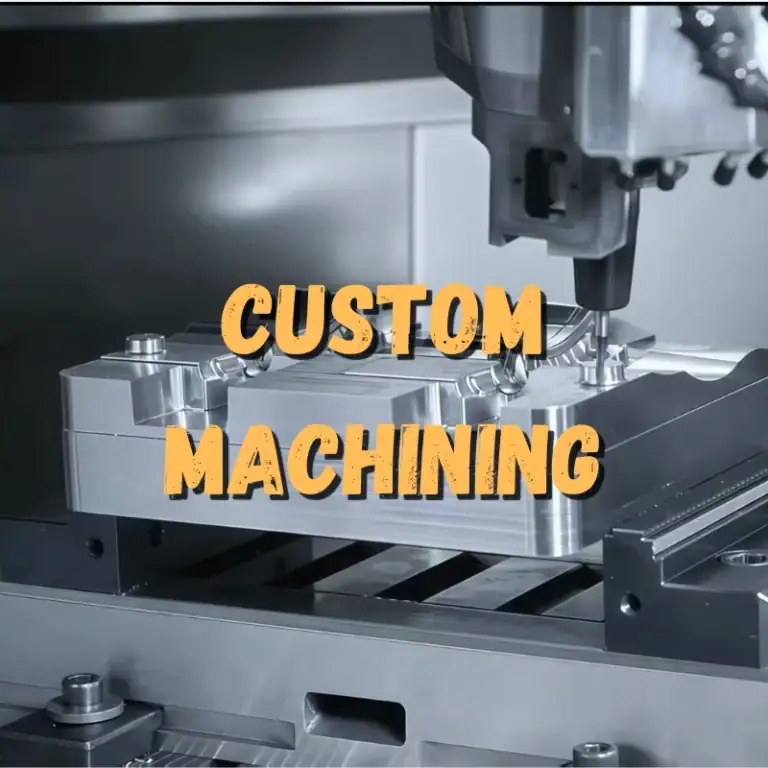
CNC milling uses programmed tool movements to accurately manufacture complex components. Compared with traditional machining methods, it provides higher automation and reduces processing variations caused by manual operations.
- Capable of machining complex surfaces, holes, grooves, and irregular components.
- Suitable for aerospace, medical, automotive, and other industries.
- Improves machining efficiency and surface quality through optimized tool paths.
- Maintains dimensional consistency during batch production.
CNC milling effectively meets customer requirements for precision machining and is especially suitable for customized parts with complex structures and strict accuracy requirements.
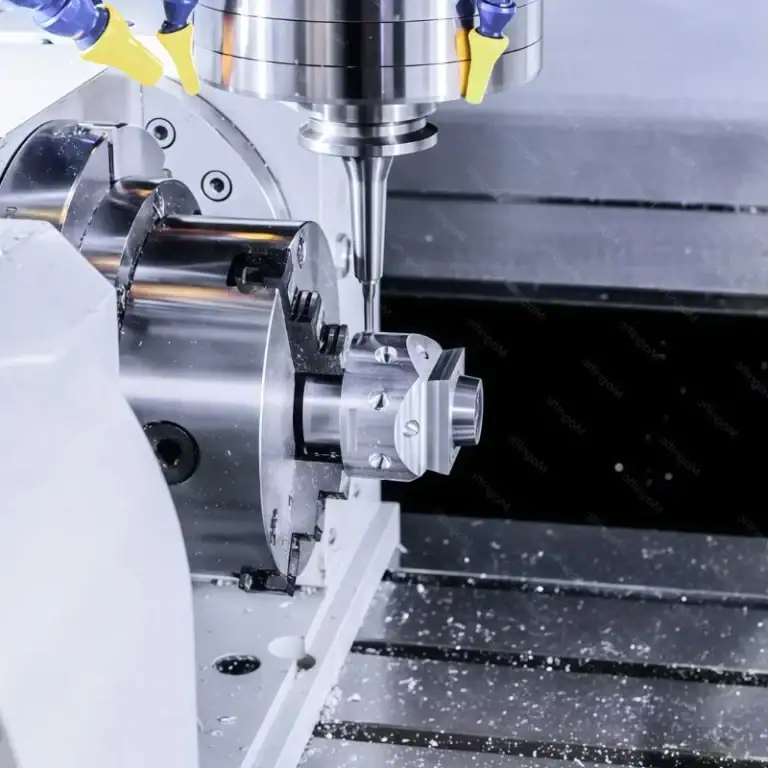
Five-Axis CNC Machining for Complex Components
Five-axis CNC machining is an advanced manufacturing technology that uses multiple-axis movement to process complex angles and structures that traditional equipment cannot easily handle. It provides significant advantages for high-demand products such as aerospace components and medical parts.
- Reduces multiple setups and improves overall machining accuracy.
- Capable of producing complex surfaces and special structures.
- Reduces positioning errors and improves part stability.
Although five-axis machining requires advanced equipment and technical expertise, it significantly improves complex part manufacturing capabilities and has become an important technology in high-end precision machining.
CNC Turning and Milling Combination Improves Efficiency
Turn-mill machining combines turning and milling processes, allowing multiple operations to be completed on a single machine. This method is especially suitable for complex parts requiring multiple manufacturing steps.
- Reduces errors caused by repeated part setups.
- Shortens machining cycles and improves production efficiency.
- Suitable for integrated manufacturing of complex components.
By reducing process transfers, turn-mill machining improves production stability and reduces quality risks during precision manufacturing.
What Are the Special Precision Machining Technologies?
Besides traditional cutting and CNC machining, special machining technologies are also widely used in high-precision manufacturing. These methods are mainly applied to difficult-to-machine materials, miniature components, and complex structures, solving challenges that conventional machining methods cannot easily handle.
Electrical Discharge Machining (EDM) for Hard Materials
Electrical discharge machining removes material through electrical discharge energy and is especially suitable for processing hard and difficult-to-cut materials.
- Capable of machining carbide, tool steel, and other hard materials.
- Suitable for producing small holes, narrow slots, and complex structures.
- Generates minimal mechanical cutting force during processing.
For parts that are difficult to machine with traditional tools, EDM provides an effective solution and is widely used in mold manufacturing and precision component production.
Laser Machining Improves Micro Processing Capability
Laser machining uses high-energy laser beams to process materials and features a non-contact machining method. With the development of smart manufacturing, its applications in precision manufacturing continue to expand.
- Suitable for micro holes, markings, and fine structures.
- Provides fast processing speed and high automation.
- Delivers good results for thin materials.
- Reduces the impact caused by traditional tool contact.
Laser machining provides flexible solutions for special component manufacturing and expands the application range of precision machining.
Ultra-Precision Machining for Extreme Accuracy Requirements
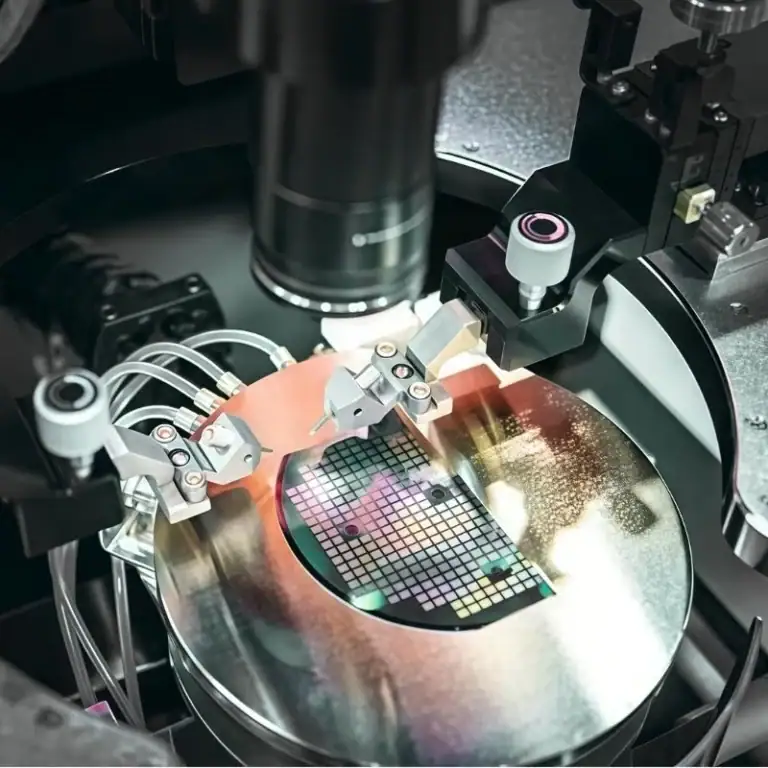
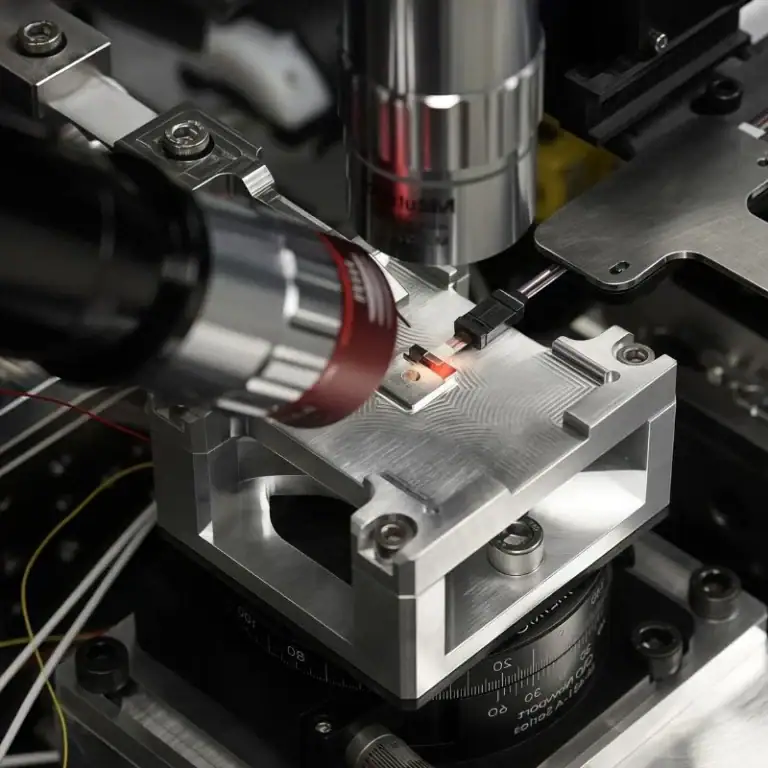
Ultra-precision machining focuses on manufacturing products that require extremely high dimensional accuracy and surface quality. It relies on advanced equipment and strict environmental control.
- Commonly used for optical components and precision instruments.
- Requires highly stable equipment and controlled machining environments.
- Achieves extremely high levels of dimensional accuracy.
With the increasing demand for advanced manufacturing, ultra-precision machining will play a greater role in more industries and help companies produce higher-performance components.
How to Choose the Right Precision Machining Method?
Different customers have different requirements for materials, structures, and applications. Choosing a machining method should not only focus on accuracy but also consider materials, production volume, part design, and operating conditions. Proper process planning can prevent manufacturing issues and improve overall production efficiency.
Select Machining Processes Based on Material Characteristics
Material properties directly affect machining difficulty. Different materials require suitable machining methods; otherwise, tool life and part quality may be affected.
- Aluminum alloys are usually suitable for high-speed CNC machining.
- Stainless steel machining requires proper cutting parameter control.
- Titanium alloys and high-hardness materials require specialized machining solutions.
Analyzing material characteristics in advance helps companies develop more stable precision machining processes and improve product reliability.
Determine Machining Solutions Based on Part Structure
The complexity of part structures directly affects equipment and process selection. More complex designs require higher machining capabilities and technical expertise.
- Standard structural parts can use conventional CNC machining.
- Complex curved components are suitable for five-axis machining.
- High-precision components require inspection equipment for quality control.
Selecting the right machining method helps reduce errors and improves the final performance of manufactured parts.
Optimize Manufacturing Costs According to Production Volume
Besides accuracy and material selection, production quantity is another important factor when choosing a machining method. Different order volumes require different manufacturing strategies.
- Small-batch customization is suitable for flexible CNC machining.
- Mass production requires focus on efficiency and stability.
- Complex components usually require a combination of multiple machining processes.
Scientific production planning not only ensures product quality but also helps customers achieve more reasonable manufacturing costs.
Precision machining includes turning, milling, CNC machining, five-axis machining, and special processing technologies. Each method has its own suitable applications. When selecting a machining solution, companies need to consider material characteristics, part structure, and accuracy requirements to achieve stable and reliable manufacturing results. Tirapid specializes in precision machining services, providing high-precision CNC machining solutions to help companies achieve high-quality and reliable custom part manufacturing.