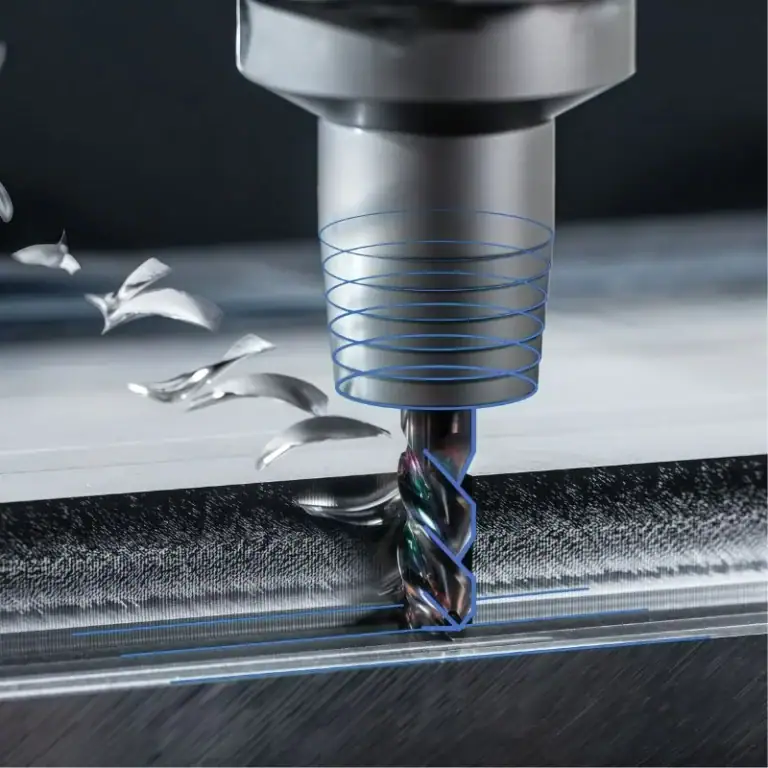
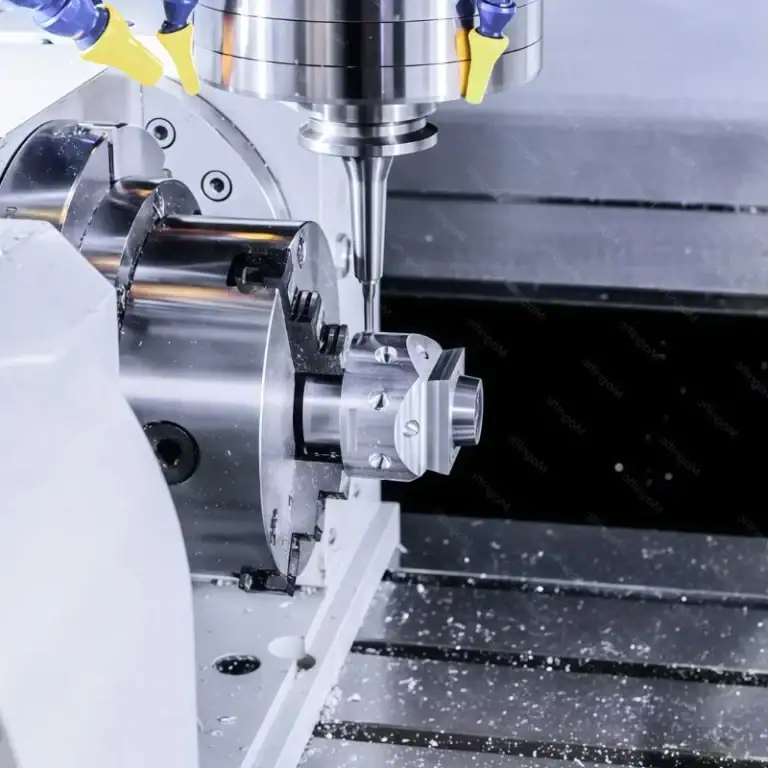
In today’s rapidly evolving high-end manufacturing landscape, precision machining has gone far beyond simply “making parts.” It has become a systematic engineering capability focused on micron-level and even nanometer-level accuracy. In fields such as aerospace, medical devices, precision molds, and semiconductor equipment, machining accuracy, surface quality, and long-term stability directly determine final product performance. Therefore, understanding the core technologies behind precision machining is essential for improving overall manufacturing capability.
CNC Machining and Intelligent Control Technology
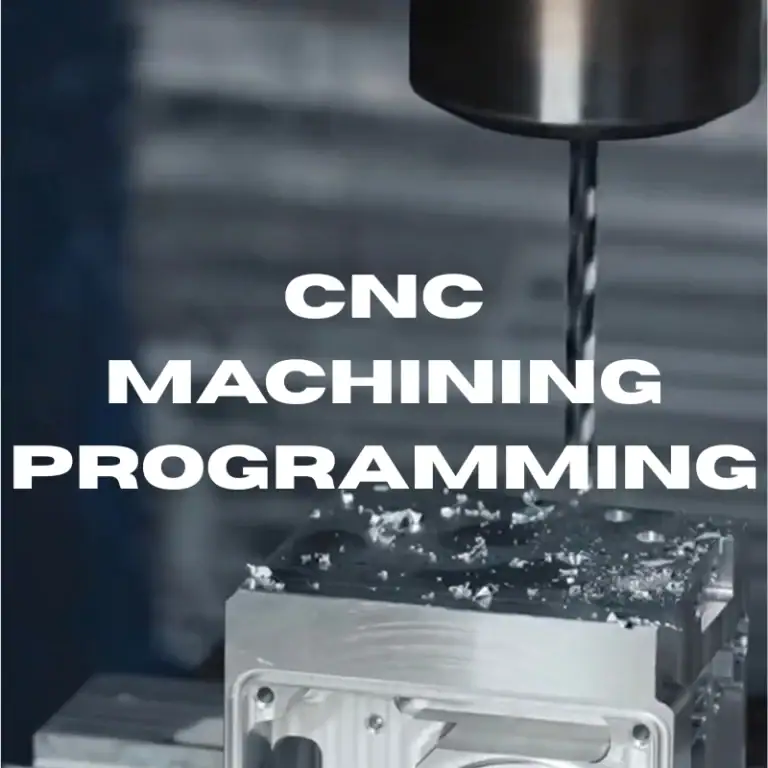
CNC technology is the foundation of precision machining. It determines the upper limit of machining accuracy and is the “execution core” of the entire manufacturing system.
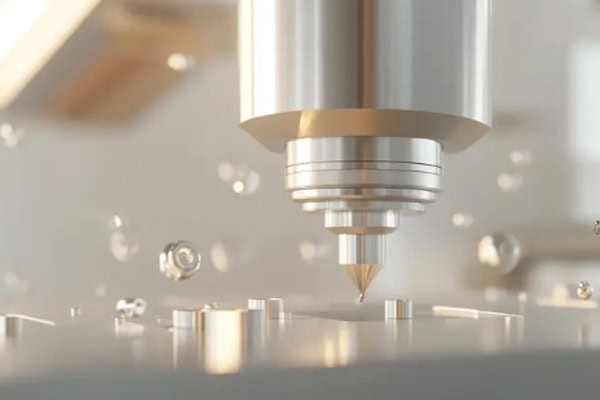
High-precision CNC systems
- Multi-axis linkage enables complex 3D surface machining in a single setup
- High-resolution servo systems improve micro-positioning accuracy
- Real-time error compensation reduces mechanical deviations
- Thermal deformation compensation maintains long-term stability
Toolpath optimization technology
- Automatically generates efficient toolpaths, reducing manual programming uncertainty
- Optimizes cutting paths to minimize air-cutting time
- Balances cutting loads to avoid localized overload and precision drift
Intelligent programming and simulation
- Virtual machining simulates the entire process in advance to reduce trial-and-error costs
- AI algorithms optimize cutting strategies and toolpaths
- Automatically recognizes complex geometric features to improve programming efficiency
- Mechanical force simulation predicts deformation risks during machining
CNC technology is evolving from experience-driven operation to data-driven intelligent control, significantly improving machining reliability.
High-precision Measurement and Error Control Technology
In precision machining, measurement is not only for inspection but also a key part of process control.
Online inspection and process control
- Real-time monitoring of dimensional changes during machining
- Automatic feedback adjustment of machining parameters
- Reduces cumulative errors caused by repeated clamping
High-precision measurement equipment
- Coordinate Measuring Machines (CMM) for complex geometries
- Laser measurement systems for micron-level accuracy
- Optical vision systems for non-contact inspection
- High-speed scanning improves efficiency in batch production
Error modeling and compensation
- Geometric error modeling and correction within control systems
- Thermal error compensation for long machining cycles
- Spindle and guideway motion error correction
- Tool wear compensation ensures long-term consistency
Through a closed-loop system of “measurement–analysis–compensation,” precision machining achieves stable high accuracy.
Ultra-precision Machining and Specialized Process Technologies
When machining accuracy reaches the micron or even nanometer level, traditional methods are no longer sufficient, and advanced processes are required.
Precision grinding and lapping
- Ultra-fine abrasives achieve mirror-like surface quality
- Multi-stage processing gradually improves dimensional accuracy
- Precise control of feed rate and cutting depth
- Reduces surface roughness and residual stress
Specialized machining methods
- EDM (Electrical Discharge Machining) for hard materials and complex shapes
- Laser machining for micro-structure cutting and forming
- Ultrasonic machining for brittle materials
- Chemical machining for complex geometries
Surface finishing and functional enhancement
- Chemical mechanical polishing improves surface flatness
- Plasma treatment modifies micro-surface structures
- Nano-scale surface modification enhances functionality
- Surface strengthening improves wear and corrosion resistance
These technologies push machining capability beyond traditional physical limits.
Materials, Tooling, and Digital Manufacturing Technologies
Material properties and cutting tools define the upper boundary of machining capability, while digital and automated systems ensure efficiency and stability.
High-performance tooling and materials
- Cemented carbide for general precision machining
- Ceramic tools for high-speed and high-temperature applications
- Superhard materials for difficult-to-machine metals
- Advanced composite tools improve stability and tool life
Coating and performance optimization
- TiN and TiAlN coatings reduce friction
- Improve wear resistance and thermal stability
- Reduce chip adhesion and built-up edge formation
- Extend tool life while maintaining precision
Automation and digital manufacturing systems
- Automated loading/unloading reduces manual intervention
- Multi-machine coordination enables continuous production
- Real-time data acquisition supports process optimization
- Digital twin technology simulates the entire machining process
- Predictive maintenance improves equipment reliability
Precision machining core technologies are not independent but highly interconnected: CNC systems provide execution, measurement systems ensure feedback control, ultra-precision processes push accuracy limits, while materials, tooling, and digital manufacturing ensure efficiency and stability. Together, they form the core competitiveness of modern high-end manufacturing. Tirapid focuses on precision machining technologies and manufacturing solutions, helping companies achieve higher efficiency and more stable production performance in complex manufacturing environments.