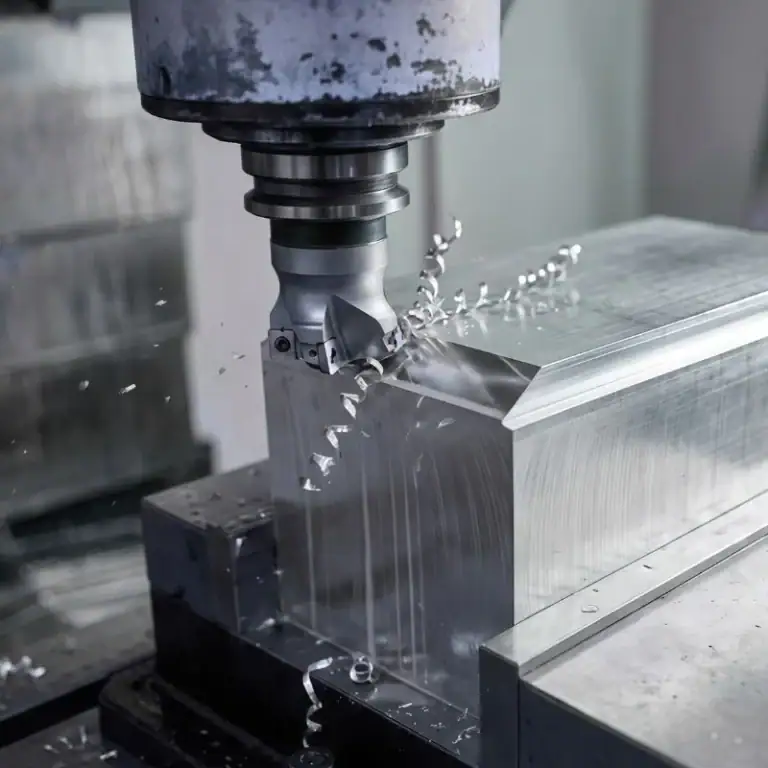
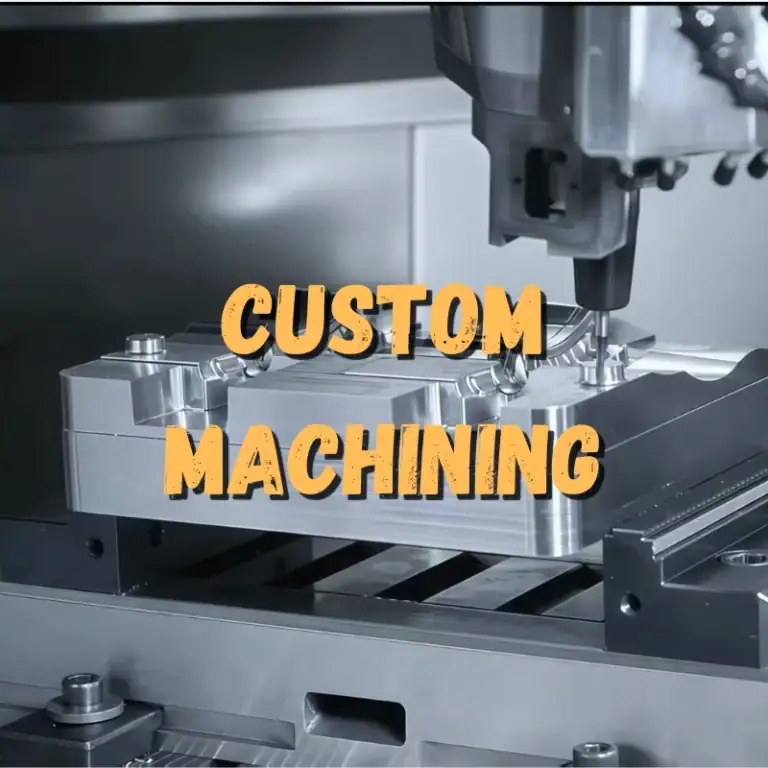
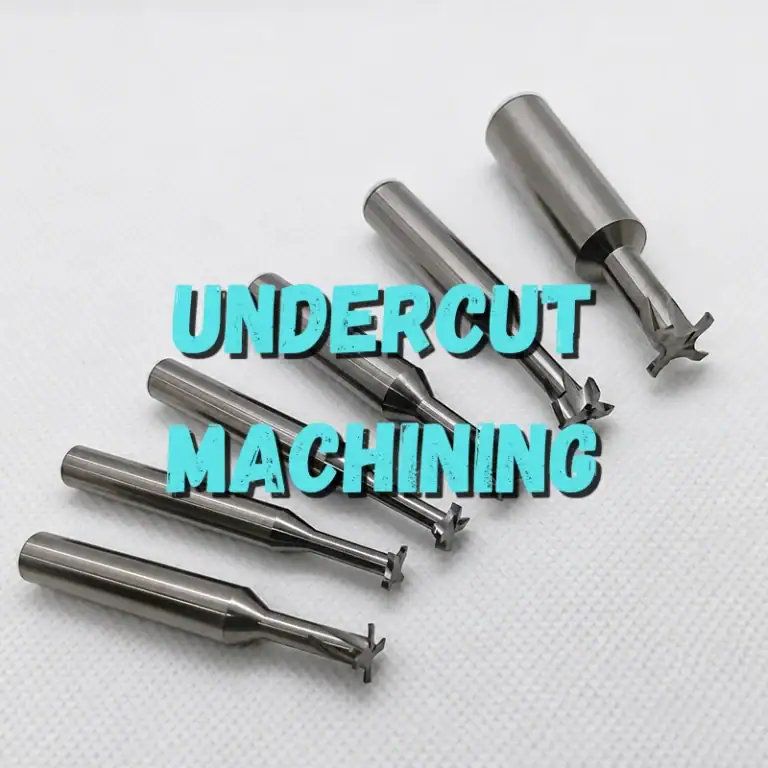
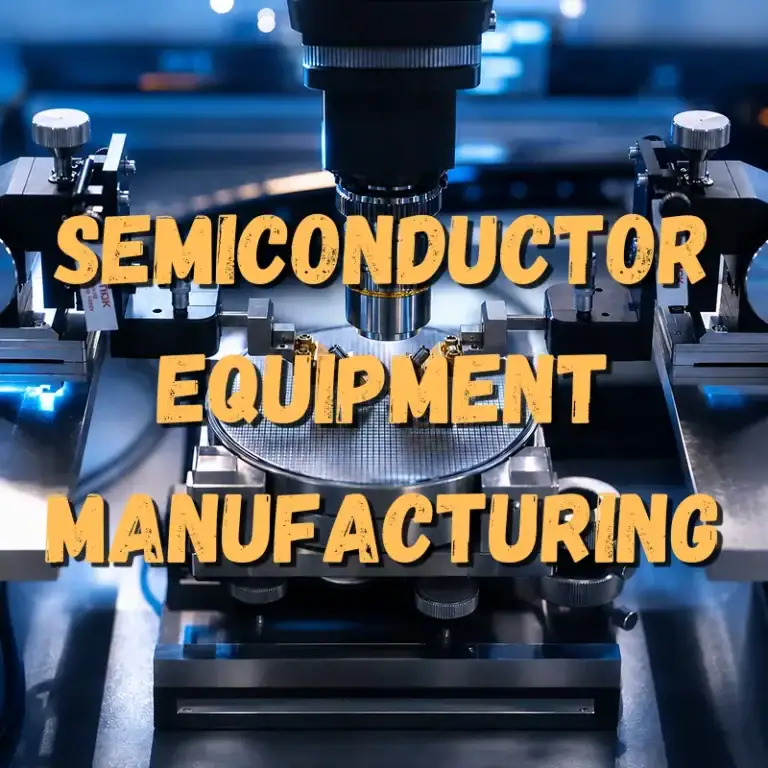
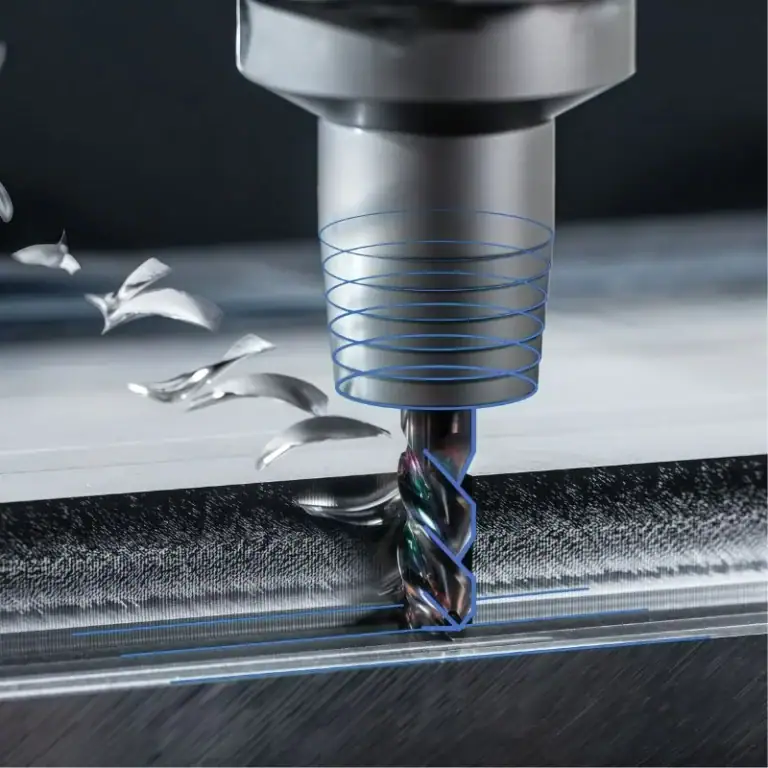
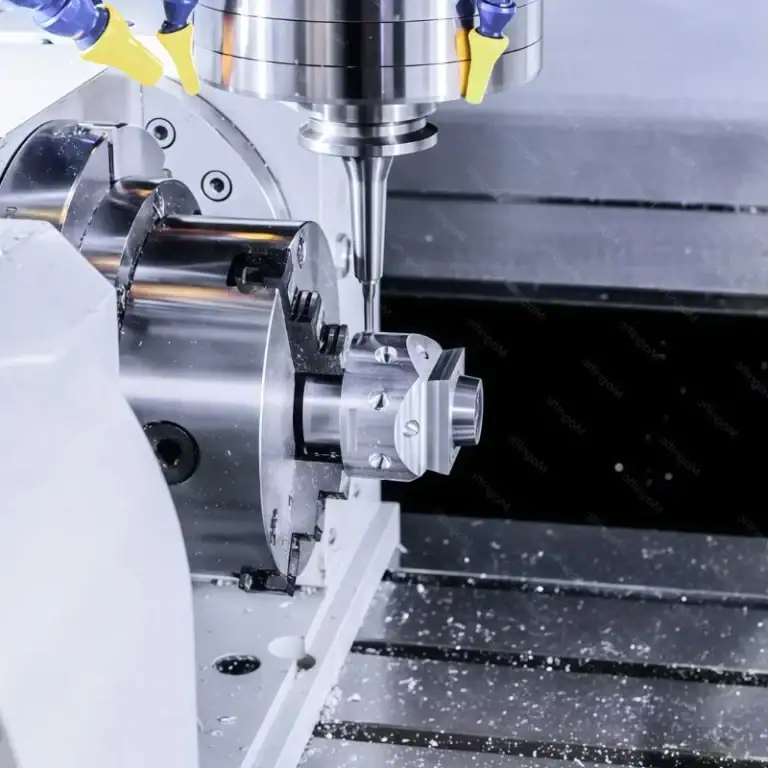
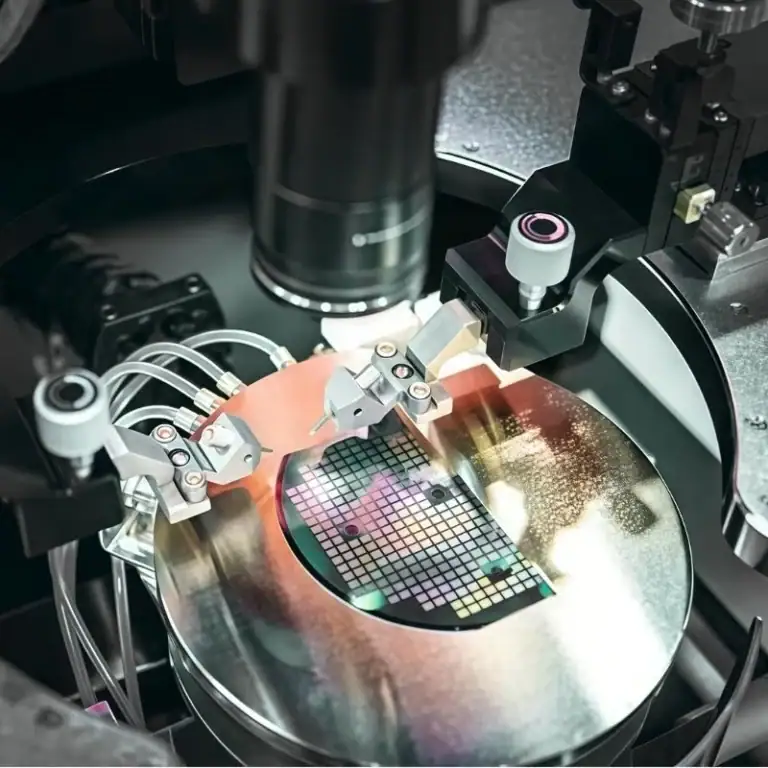
In advanced manufacturing systems, the core competitiveness of CNC precision machining is not only the ability to “produce parts,” but the ability to consistently keep them within tight tolerance ranges. As components become more complex and precision requirements become stricter, even micron-level deviations can affect assembly accuracy and overall performance. Therefore, error control has become one of the most critical aspects of CNC machining, covering the entire process from design and programming to machining and inspection.
Machine Tool Accuracy and Structural Stability Control
The inherent accuracy of the machine tool forms the foundation of error control. If the equipment itself is unstable, even the most advanced process cannot guarantee precision results.
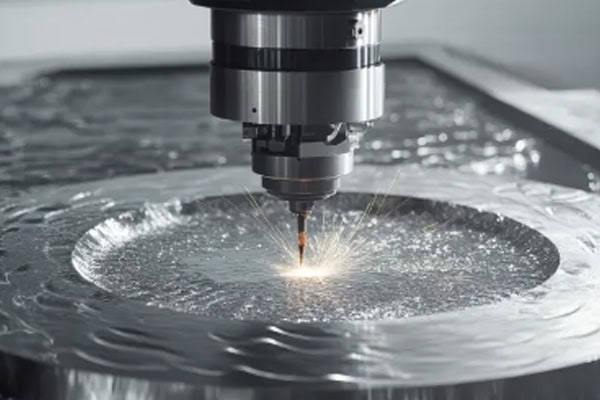
Machine tool structural rigidity optimization
- High-rigidity machine beds reduce vibration impact during cutting
- Improved structural strength minimizes deformation errors
- Optimized force distribution reduces long-term fatigue deviation
- Enhanced stability during high-speed machining
Guideway and transmission system precision control
- High-precision linear guideways reduce motion deviation
- Preloaded ball screws eliminate backlash
- Improved transmission responsiveness and consistency
- Reduced wear-related errors over long-term operation
Thermal stability management
- Control heat generated by spindle and motors
- Cooling systems reduce thermal deformation
- Thermal balance design for key structural components
- Minimize temperature-induced accuracy drift
Machine tool stability determines the “starting point” of error and acts as the first line of defense in precision control.
CNC System and Toolpath Control Optimization
One of the core methods of error control lies in precise motion management through CNC control systems.
High-precision interpolation control
- Micro-step interpolation improves trajectory accuracy
- Reduces cumulative path deviation
- Ensures smooth complex surface machining
- Improves multi-axis synchronization
Toolpath optimization algorithms
- Optimized toolpaths reduce sudden acceleration and deceleration
- Smoother motion reduces vibration-related errors
- Minimizes idle travel and redundant movements
- Enhances overall machining stability
Dynamic error compensation systems
- Real-time servo lag correction
- Automatic motion deviation compensation
- Adaptive control based on load changes
- Improved consistency in complex machining
Smarter CNC systems allow errors to be corrected proactively rather than after they occur.
Tooling System and Process Error Control
During actual machining, tool condition and cutting behavior directly affect final accuracy.
Tool wear control
- Real-time monitoring of tool wear conditions
- Compensation systems adjust dimensional deviations
- Regular tool replacement reduces cumulative errors
- Optimized cutting parameters extend tool life
Cutting force and vibration control
- Proper cutting parameters reduce load fluctuations
- Avoid excessive feed rates that cause vibration errors
- Optimized toolpaths minimize impact forces
- Improved overall machining smoothness
Process parameter optimization
- Adjust cutting speed based on material properties
- Control cutting depth to reduce deformation
- Optimize cooling strategies to minimize thermal effects
- Improve repeatability and consistency
Process-level error control is essentially continuous management of dynamic machining variables.
Measurement Feedback and Closed-loop Correction Technology
Stable CNC precision machining relies heavily on a closed-loop system formed by measurement and feedback.
Online measurement and real-time feedback
- Real-time dimensional monitoring during machining
- Automatic parameter adjustment based on feedback
- Prevents accumulation of batch errors
- Improves first-pass yield rate
High-precision inspection technologies
- Coordinate Measuring Machines (CMM) for final inspection
- Laser measurement for micron-level accuracy
- Optical systems for complex surface analysis
- Non-contact measurement avoids secondary errors
Error modeling and compensation systems
- Geometric error models for systematic correction
- Combined thermal and dynamic compensation
- Long-term drift correction mechanisms
- Full-process closed-loop error control
Measurement systems ensure errors are continuously corrected rather than accumulated.
Environmental and Production Condition Control
Beyond machines and processes, external environmental factors also significantly influence machining accuracy.
Temperature and humidity control
- Constant-temperature workshops reduce thermal expansion effects
- Controlled humidity prevents material deformation
- Improves long-term machining stability
Vibration and facility management
- Vibration-isolated foundations reduce external interference
- Prevent resonance between large machines
- Optimized layout minimizes environmental disturbance
Standardized production processes
- Unified clamping standards reduce human error
- Standardized workflows improve consistency
- Reduce variation caused by operator differences
Environmental control is often an “invisible error source,” yet it plays a critical role in precision stability.
CNC precision machining error control is essentially a system engineering task. It depends not only on machine accuracy, but also on the coordination of CNC systems, tooling processes, measurement feedback, and environmental management. Only when a full closed-loop control system is established can micron-level precision be consistently achieved. With the development of intelligent manufacturing, error control is shifting from experience-based adjustment to data-driven optimization, continuously pushing the limits of high-end manufacturing precision. Tirapid focuses on CNC precision machining and advanced manufacturing solutions, helping companies achieve higher accuracy and more stable production performance.