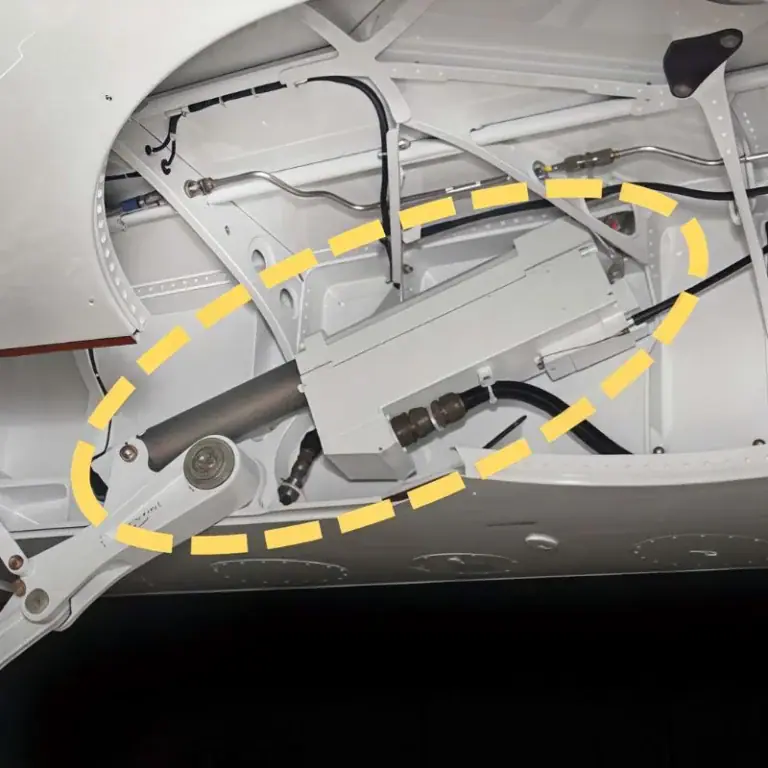
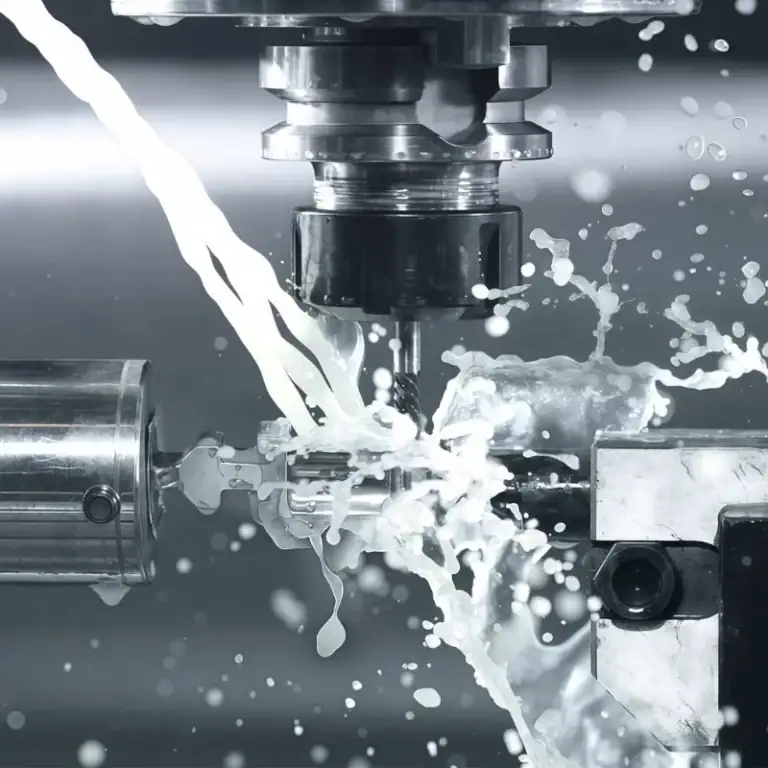
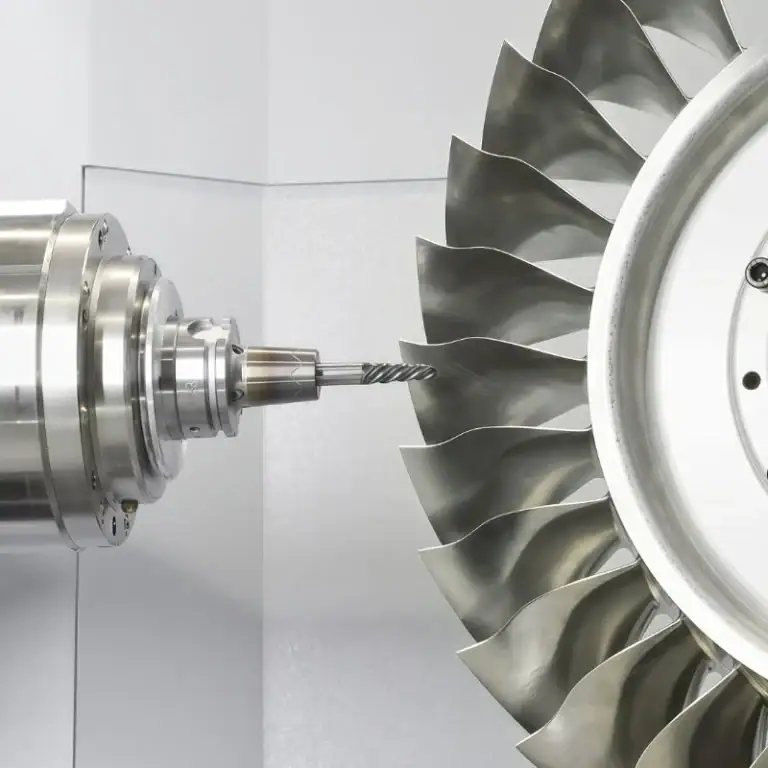
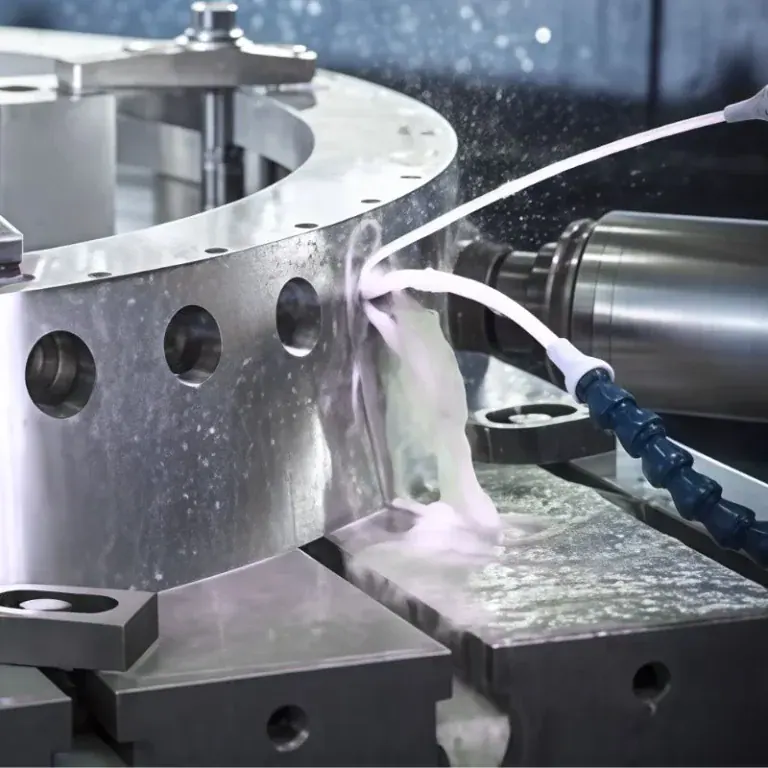
Valves used in oil and gas equipment perform important functions, including media shutoff, flow regulation, pressure control, and pipeline isolation. The machining quality of their internal components affects sealing performance, operating stability, and service life. Ball valves, gate valves, globe valves, and control valves typically contain valve stems, valve cores, valve seats, bonnet structures, body connection components, and actuator accessories. Each component has specific requirements for dimensional accuracy, surface finish, and material properties.
CNC turning, milling, drilling, and precision inspection can be used to manufacture custom valve parts according to equipment drawings. These processes help meet the assembly requirements of oil and gas extraction, transportation, storage, and processing equipment.
Key Advantages of CNC Machining for Oil and Gas Valve Parts
Valves used in oil and gas equipment operate under changing pressure conditions, frequent opening and closing cycles, and complex media environments. Their critical components require stable dimensional accuracy and structural quality. CNC machining uses digital programs to control tool movements, allowing manufacturers to process precision-fitting structures and produce non-standard components in different specifications. For oil and gas equipment manufacturers, a suitable CNC machining solution improves product consistency, reduces assembly adjustments, and supports different valve designs.
High-Precision Machining Improves Valve Sealing and Fit
The sealing performance of a valve is closely related to the dimensional accuracy of its valve core, valve seat, stem, and other mating components. Contact between the valve core and seat, valve stem straightness, and sealing installation positions must all meet specified tolerances. CNC turning is suitable for machining rotating components such as valve stems and valve cores, while CNC milling can produce valve mounting surfaces, positioning grooves, and non-circular structures.
Using consistent machining references and appropriate clamping methods helps reduce dimensional deviations caused by repeated positioning. For components requiring precise fits, semi-finishing and finishing operations can be arranged to control critical dimensions and surface conditions. Stable machining accuracy improves assembly consistency, although actual sealing capability must still be confirmed through the required pressure and leakage tests.
Custom CNC Machining Supports Different Valve Designs
Oil and gas equipment uses many types of valves, each with different connection methods, operating pressures, installation spaces, and control structures. Standard components may not meet every project’s design requirements. Some valves require specially designed stems, valve cores, support sleeves, and actuator connectors. CNC machining programs can be adjusted according to CAD drawings, 3D models, and technical documents, supporting both small-batch prototyping and consistent production runs.
Common custom-machined components include:
- Valve stem assemblies: Machining shaft diameters, steps, keyways, and threaded structures to meet valve operating mechanism requirements.
- Valve core components: Machining spherical surfaces, conical surfaces, and custom profiles for ball valves, globe valves, or control valves.
- Valve seat support components: Producing positioning steps, mounting holes, and sealing structures to provide stable valve seat installation.
- Actuator connection components: Manufacturing connecting shafts, mounting brackets, and transmission interfaces for different control devices.
Custom machining helps equipment manufacturers adjust component structures and dimensions to meet specialized installation requirements. It also makes future component replacement and maintenance easier.
Multiple Machining Processes Improve Complex Valve Part Production
Oil and gas valve components may contain external diameters, internal bores, end faces, threads, keyways, sealing surfaces, and angled holes. A single machining process may not be sufficient to complete all these features. CNC turning is suitable for shafts, sleeves, and rotational structures. CNC milling can produce flat surfaces, slots, and irregular profiles, while drilling, boring, and tapping are used to create mounting holes and connection interfaces.
For complex valve components, multi-axis machining or mill-turn processes can reduce the number of times a workpiece needs to be transferred between machines. Proper process planning helps minimize repeated clamping errors and improve production efficiency. Cutting tools and machining parameters should also be selected according to material hardness, component structure, and surface requirements to prevent deformation, chatter marks, and burrs from affecting final quality.
Machining Methods and Applications of Oil and Gas Equipment Valve Parts
Valve machining solutions should be selected according to valve type, structural design, and actual operating environment. Ball valves require precise control of ball profiles and sealing fits. Gate valves require accurate dimensions for gate plates and valve stems, while control valves have specific requirements for valve core geometry and flow regulation structures. By combining turning, milling, boring, grinding, and suitable surface treatments, manufacturers can produce valve components for different oil and gas applications.
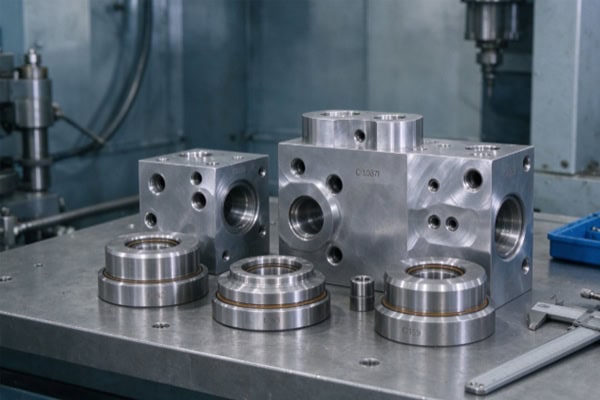
CNC Machining Process for Oil and Gas Valve Parts
Valve components often have strict drawing tolerances and assembly requirements. Before production, manufacturers need to confirm material specifications, structural dimensions, surface treatments, and inspection standards. Developing a suitable machining process for each component helps reduce dimensional deviations and supports quality traceability.
A typical machining process includes:
- Drawing review: Confirm the valve model, component dimensions, tolerances, mating relationships, and critical sealing positions.
- Material selection: Select suitable materials according to media composition, temperature, pressure, and corrosion conditions. Verify material certificates.
- Process planning: Choose CNC turning, milling, drilling, boring, or mill-turn processes according to component geometry.
- CNC programming: Set machining coordinates, tool paths, cutting parameters, and clamping references.
- Precision machining: Manufacture valve stems, valve cores, valve seat supports, and other structural components.
- Surface treatment: Apply grinding, polishing, coatings, or other suitable treatments according to design requirements.
- Quality inspection: Check critical dimensions, geometric accuracy, surface conditions, and mating structures, then prepare inspection records.
For pressure-bearing valve parts and critical sealing components, additional material verification, nondestructive testing, and pressure or leakage tests may be required according to product standards and project specifications. Completing CNC machining does not mean that a component has passed all valve performance tests.
Machining Applications for Ball Valve and Gate Valve Components
Ball valves and gate valves are widely used in oil and gas pipelines, storage and transportation equipment, and process piping systems. Key ball valve components include the valve stem, ball, and valve seat assemblies. The ball usually requires accurate control of its spherical profile, dimensions, and surface quality to ensure proper mating with the valve seat. The valve stem must maintain consistent shaft diameters, steps, connection threads, and transmission features to support smooth opening and closing.
Gate valves have different structural requirements. Common machined components include valve stems, gate plate connectors, support sleeves, and bonnet mating structures. Valve stems must meet transmission and positioning requirements, while gate-related components need accurate profiles, mounting dimensions, and mating positions. CNC turning and milling can produce these structures, while precision grinding may be used to improve specific mating surfaces and surface conditions when required by the design.
In oil and gas extraction and pipeline transportation equipment, valves may operate through frequent opening and closing cycles or remain in a fixed operating position for long periods. Material properties, surface treatments, and dimensional tolerances should be confirmed according to the valve design. Replacement components should not be selected based on external dimensions alone.
Machining Requirements for Control Valves and High-Pressure Control Valves
Control valves regulate media flow and pressure. Their internal structures commonly include valve cores, stems, guide sleeves, and connection components. The shape and dimensions of the valve core affect flow passage changes and control characteristics. Depending on the design, valve cores may have conical, cylindrical, or other specialized profiles. CNC turning and milling can produce these structures according to 3D models, maintaining critical dimensions and assembly compatibility.
High-pressure control valves have demanding requirements for material properties, structural strength, and machining quality. Valve stems, bonnet connectors, and internal support components must be manufactured according to design pressure, operating temperature, and media conditions. Some parts may also require heat treatment, surface hardening, or corrosion-resistant treatments. The specific processes should be determined by material specifications and engineering requirements.
| Valve Component Type | Common Material Options | CNC Machining Processes | Key Quality Requirements | Typical Applications |
| Valve stem | Stainless steel, alloy steel | Turning, milling, grinding | Shaft diameter accuracy, straightness, thread quality | Ball valves, gate valves, control valves |
| Ball valve ball | Stainless steel, suitable alloy materials | Turning, milling, precision grinding | Spherical profile, surface quality, dimensional accuracy | Oil and gas pipeline shutoff control |
| Valve core | Stainless steel, alloy steel | Turning, milling, finishing | Profile accuracy, mating dimensions, surface condition | Control valves and regulating valves |
| Valve seat support | Stainless steel, carbon steel, alloy steel | Turning, boring, milling | Positioning dimensions, concentricity, installation accuracy | Valve seat mounting and support |
| Guide sleeve | Stainless steel, suitable alloy materials | Turning, boring, grinding | Internal bore dimensions, cylindricity, mating clearance | Valve stem guidance and control structures |
| Actuator connector | Carbon steel, stainless steel, aluminum alloys | Milling, drilling, tapping | Hole position accuracy, connection dimensions, structural stability | Pneumatic and electric valve actuators |
Function and Performance Control of Oil and Gas Valve Parts
Oil and gas valve components must meet basic assembly requirements while withstanding pressure changes, temperature variations, media corrosion, and mechanical wear during operation. Valve opening and closing performance, flow control accuracy, and sealing reliability are closely related to the manufacturing quality of critical components. Dimensional inspection, surface quality control, material verification, and performance testing help confirm whether machined parts meet equipment design and project acceptance requirements.
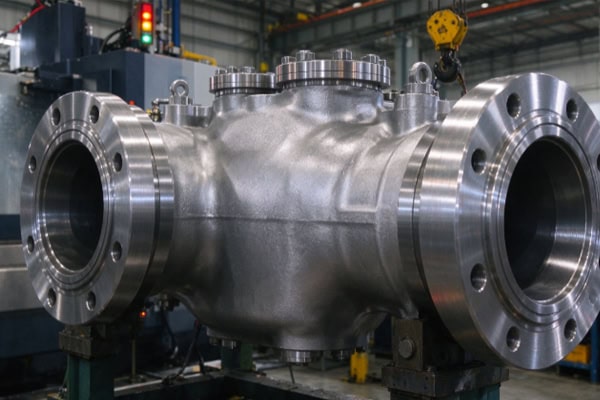
Precision Inspection of Valve Stems, Valve Cores, and Sealing Structures
Valve stems, valve cores, and valve seats are critical components that affect valve movement and sealing performance. Valve stems need stable shaft dimensions and geometric accuracy to prevent excessive operating resistance or assembly difficulties. The mating structures between valve cores and seats must also meet design requirements for contact profiles, positioning accuracy, and surface conditions.
Key inspection items before delivery include:
- Dimensional inspection: Check valve stem diameters, valve core profiles, internal bore dimensions, and critical mating tolerances.
- Geometric accuracy: Inspect concentricity, cylindricity, straightness, and related positioning dimensions.
- Surface quality: Check sealing contact surfaces, sliding surfaces, and finished areas for scratches, burrs, or visible defects.
- Thread quality: Use thread gauges to verify thread specifications and mating conditions on valve stems and connection points.
- Inspection records: Keep critical dimensional data, material information, and batch identification for quality traceability.
For critical sealing components, dimensional and surface inspections are only part of quality control. Additional sealing performance tests must be completed according to the valve type and applicable standards to confirm that the components meet operating requirements.
Material Corrosion Resistance, Wear Resistance, and Long-Term Reliability
Oil and gas equipment may handle media containing hydrogen sulfide, carbon dioxide, moisture, or other corrosive substances. Environmental conditions vary between oil and gas projects. Valve materials should be selected according to media composition, operating pressure, temperature range, and applicable standards. Carbon steel, alloy steel, and stainless steel have different strength, corrosion resistance, and machining characteristics. Final material selection should follow engineering drawings and material specifications.
For components with relative movement, such as valve stems, valve cores, and guide sleeves, wear resistance and surface condition are also important. Depending on design requirements, precision grinding, polishing, surface hardening, or suitable coating processes may improve component performance. However, surface treatment cannot replace proper material selection and structural design. Any dimensional changes caused by treatment should also be included in the inspection process.
The long-term reliability of valve components also depends on heat treatment, manufacturing process control, and final inspection. For components used in high-pressure oil and gas pipelines, wellhead equipment, and other demanding applications, material verification, nondestructive testing, pressure testing, and leakage testing should be completed according to applicable standards and project specifications. Standardized production records and quality traceability help equipment manufacturers track component batches and improve maintenance and spare parts management.
CNC machining of oil and gas equipment valve parts requires a production plan based on valve type, structural design, and actual operating conditions. Precision turning, milling, grinding, and strict quality inspection can produce custom components for ball valves, gate valves, control valves, and high-pressure control valves. For projects involving special media, pressure, or temperature requirements, confirming material standards, machining tolerances, and performance testing requirements in advance helps improve component assembly quality and equipment reliability.