In today’s manufacturing industry, which is continuously moving toward higher precision and larger-scale production, precision machining has become a core capability for ensuring product quality stability and mass production efficiency. As order volumes increase, even minor process fluctuations can be amplified in batch production, affecting product consistency and delivery stability. To maintain a competitive edge, companies must build a systematic framework covering process design, equipment management, and process control to achieve a balance between stability and efficiency.
Process Planning and Stability Control in Early Stages
Before large-scale production begins, the completeness and consistency of process planning directly determine the stability of later machining operations. Without unified standards in the early stage, production is more likely to experience variations and rework issues, so a clear and standardized system must be established from the source.
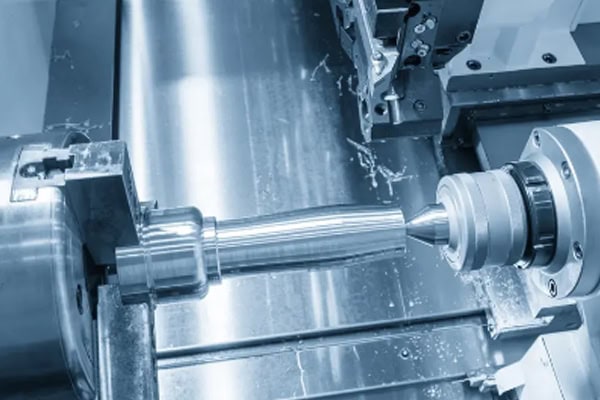
Standardized Process Route Design
In precision machining mass production, inconsistent process routes can lead to accumulation of errors and unstable production rhythm. Therefore, the workflow must be fixed in advance so that all machines and operators follow the same standard, improving consistency and stability.
- Define each machining step clearly before production starts to avoid on-site adjustments causing accumulated errors
- Set unified machining datums for key dimensions to reduce deviation caused by multiple setups
- Standardize processes through documented procedures to ensure consistent operation across teams
After standardization, the entire production process becomes more controllable, with smoother workflow coordination and significantly improved consistency in batch production.
Material Consistency Management
Material variation directly affects machining results. Even with identical processes, differences in material properties may lead to dimensional deviation or deformation, making strict pre-production control essential.
- Conduct composition and hardness testing for each batch of materials to avoid performance variation
- Establish segmented material storage to prevent mixing that affects machining stability
- Pre-treat materials prone to deformation to reduce machining risk
- Implement supplier consistency evaluation for key materials
A well-managed material system reduces uncertainties in production, improves product quality stability, and lowers rework and scrap rates.
Process Validation and Trial Production
Trial production before full-scale manufacturing is critical for verifying process stability and optimizing parameters, helping reduce risks in mass production.
- Small-batch trial runs to validate tool paths and machining parameters
- First-article inspection to confirm process reproducibility
- Optimize cycle time and cutting parameters based on trial results
After validation, the process becomes more mature and stable, significantly reducing production risks and improving overall consistency.
Equipment Precision and Tool Life Management
In mass precision machining, equipment and tool conditions directly affect product consistency. Over time, machines may experience slight accuracy drift, and cutting tools gradually wear, requiring continuous monitoring and maintenance.
Equipment Stability Maintenance
Long-term operation can cause minor deviations in machine accuracy. Without timely calibration, these deviations may accumulate and affect batch quality.
- Regular spindle balancing and guideway calibration
- Maintain equipment operation logs to track long-term drift
- Establish maintenance cycles for high-load machines
- Conduct precision trend analysis on critical equipment
Stable equipment ensures more reliable machining performance and improved consistency across batches.
Cutting Tool Wear Control
Tool wear is often gradual and difficult to detect, but it directly impacts machining accuracy, requiring structured lifecycle management.
- Implement staged tool life management to avoid overuse
- Adjust cutting parameters based on material characteristics
- Use online monitoring systems to evaluate tool condition
Effective tool management reduces process variation and improves consistency in mass production.
Fixture and Positioning Accuracy Optimization
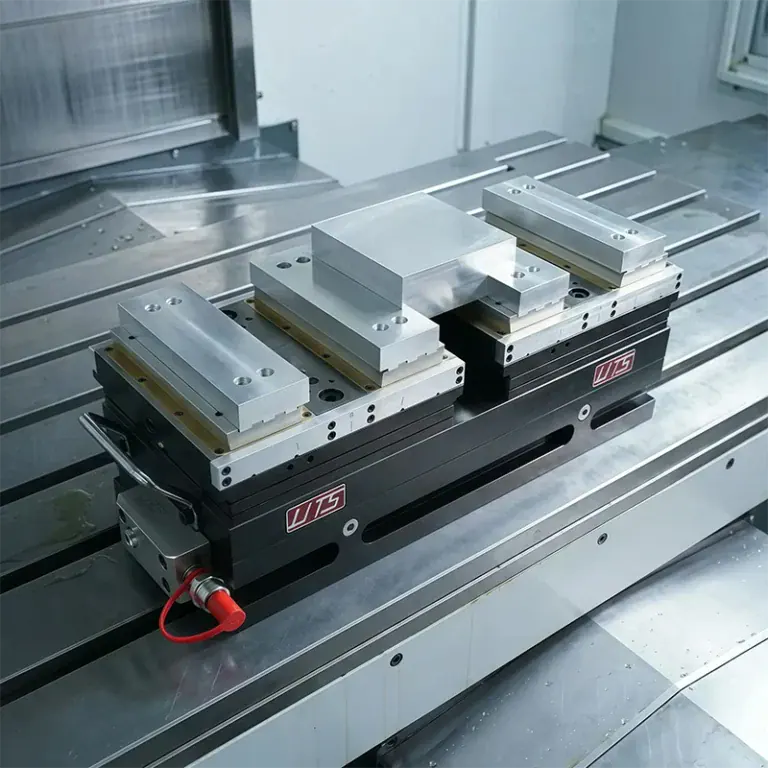
Fixture systems determine machining reference stability. Insufficient rigidity or wear can lead to cumulative batch errors, requiring long-term standard control.
- Standardize fixture design to reduce changeover time
- Use high-rigidity positioning structures to reduce vibration
- Regularly inspect fixture wear to prevent deviation expansion
Stable fixtures improve positioning accuracy and overall product consistency.
In-Process Quality Monitoring and Data Management
In mass precision machining, relying solely on final inspection cannot ensure process stability. Data-driven real-time monitoring is required to detect issues early and maintain control throughout production.
Online Inspection and Real-Time Feedback
Online inspection enables immediate detection of dimensional deviations, preventing defects from spreading across batches.
- Integrate key dimensional online measurement during machining
- Provide real-time feedback to machine tools for correction
- Combine sampling and full inspection to improve coverage
- Establish real-time alarm mechanisms
With online monitoring, production becomes more transparent and quality stability improves significantly.
SPC Process Control
Statistical Process Control (SPC) helps evaluate machining stability through data analysis and identify potential risks in advance.
- Analyze data trends to evaluate process variation
- Set control limits to detect abnormal fluctuations early
- Optimize process parameters based on historical data
SPC reduces reliance on operator experience and improves scientific quality control.
Batch Traceability System
A traceability system enables quick identification of root causes when issues occur, improving efficiency and reducing losses.
- Assign unique production IDs for each batch
- Record machining parameters, equipment, and operators
- Enable fast root-cause tracking for quality issues
A complete traceability system enhances transparency and production management capability.
Production Cycle and Efficiency Optimization
In mass precision machining, efficiency and stability must be improved simultaneously. Optimizing production rhythm and structure helps reduce idle time and increase overall output capacity.
Parallel Processes and Cycle Balance
Proper process segmentation avoids bottlenecks and improves overall equipment utilization.
- Split parallel processes to increase efficiency
- Analyze cycle time to reduce bottleneck impact
- Optimize loading and unloading time
- Balance workload across machines
Cycle optimization improves production flow and overall efficiency.
Automation Support in Production
Automation reduces human-induced variation and improves continuous production stability, especially for long-run manufacturing.
- Use robotic arms for automatic loading and unloading
- Apply automated inspection systems to reduce manual intervention
- Build semi-automated production lines for stability
Automation enhances consistency and long-term production reliability.
Production Scheduling Optimization
Proper scheduling reduces changeover losses and improves equipment utilization efficiency.
- Prioritize orders based on delivery requirements
- Avoid frequent setup changes that reduce efficiency
- Adjust scheduling dynamically based on machine load
Optimized scheduling improves resource utilization and production stability.
In large-scale manufacturing systems, the stability of precision machining depends not only on individual technical factors but also on overall system integration and management capability. Continuous optimization of processes, equipment, and data systems is essential to achieve both efficiency and stability. For companies seeking high-quality mass production capability, Tirapid provides professional precision machining solutions to support stable and reliable manufacturing delivery.